


How to Plan Multi City Trip Without Confusion Guide
How to Plan Multi City Trip Without Confusion Guide
Planning a multi city trip can feel overwhelming—especially when you’re juggling flights, accommodations, visas, and itineraries across multiple destinations. But with a clear strategy, it’s entirely possible to organize a smooth, stress-free journey. This guide walks you through a practical, step-by-step approach to planning a multi city trip without confusion. You’ll learn how to map your route efficiently, book cost-effective travel options, manage logistics, and stay flexible. Whether you’re visiting three cities in Europe or five across Asia, these tips will help you travel smarter, not harder.
Start with a Clear Travel Goal
Before booking anything, define what you want from your trip. Are you looking for cultural immersion, relaxation, adventure, or a mix? Your goal shapes everything—from destination choices to daily schedules.
For example, a traveler seeking history and food might prioritize cities like Rome, Istanbul, and Kyoto. Someone focused on nature might choose Queenstown, Banff, and Reykjavik. Clarity here prevents impulse decisions later.
Identify Your Priorities
List your must-haves: specific landmarks, local experiences, or types of cuisine. Rank them by importance. This helps you allocate time and budget wisely.
If you only have 10 days, spending three in one city might mean skipping another. Knowing your priorities keeps you from overcommitting.
Set a Realistic Timeline
Multi city trips require more transit time. Factor in flight durations, layovers, and local travel between airports and hotels.
A common mistake is underestimating how long it takes to move between cities. Allow at least half a day for travel days—more if crossing time zones or dealing with customs.
Choose the Right Route
The order of your cities affects cost, convenience, and fatigue. A well-planned route minimizes backtracking and long layovers.
Use tools like Google Flights’ “multi-city” search or Rome2Rio to compare routes. Look for geographic logic—traveling east to west or following a natural loop.
Map It Out Visually
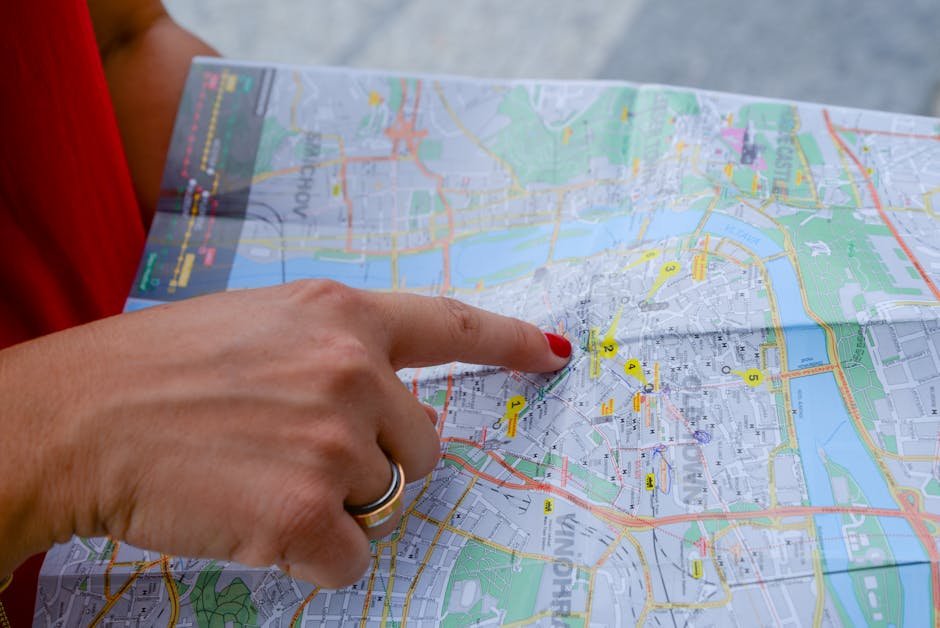
Plot your cities on a map. Draw the most efficient path. This reveals unnecessary zigzagging and helps you spot better sequences.
For instance, visiting Paris → Amsterdam → Berlin → Prague makes more sense than Paris → Prague → Amsterdam → Berlin. The first route follows a smoother westward arc.
Consider Open-Jaw Flights
An open-jaw ticket lets you fly into one city and out of another. This is ideal for multi city trips and often cheaper than returning to your starting point.
Example: Fly into Tokyo, travel through Kyoto and Osaka, then depart from Osaka. You avoid retracing your steps and save time.
Book Flights Strategically
Flight costs can make or break your budget. Use flexible date searches and set price alerts. Book international legs first, then regional or domestic flights.
Mix airlines if it saves money, but be cautious with tight connections. Budget carriers may save cash but charge extra for bags and seat selection.
Use Multi-City Search Tools
Platforms like Google Flights, Skyscanner, and Kayak allow multi-city searches. Enter all your destinations and dates to compare total costs.
Try shifting dates by a day or two. Midweek flights are often cheaper. A Tuesday departure from London to Istanbul might cost $50 less than Friday.
Watch for Hidden Fees
Low-cost airlines may advertise cheap fares but add fees for checked bags, carry-ons, or seat assignments. Read the fine print.
Calculate the total cost per flight, not just the base fare. A $99 ticket with $80 in fees isn’t a deal.
Accommodation: Balance Comfort and Convenience
Where you stay affects your daily experience. Prioritize location over luxury—being near public transit or main attractions saves time and money.
Use filters on booking sites to find places near city centers or metro lines. Read recent reviews for cleanliness and noise levels.
Book in Batches

Don’t book all hotels at once. Secure the first two or three stays, then adjust as your plans solidify. This gives flexibility if you decide to extend in one city.
Use free cancellation options when possible. Many hotels allow changes up to 24 or 48 hours before check-in.
Consider Alternative Lodging
Short-term rentals (Airbnb, Vrbo) can be cheaper for groups or longer stays. Hostels offer social atmospheres and budget-friendly beds.
Weigh the pros and cons. A private apartment might offer a kitchen, saving on meals. A hotel might include breakfast and concierge services.
Create a Flexible Itinerary
A detailed plan is helpful, but rigidity leads to stress. Build in buffer days and free time. Travel rarely goes exactly as planned.
Use a digital planner like Google Calendar or Notion. Color-code activities: blue for transport, green for sightseeing, red for meals.
Block Out Key Activities
Schedule must-see attractions first—museums, tours, or restaurants with limited hours. Book tickets in advance when required.
For example, the Uffizi Gallery in Florence or the Sagrada Família in Barcelona often sell out. Reserve online to skip lines.
Leave Room for Spontaneity
Some of the best travel moments happen off-plan: a local market, a street performance, or a café recommendation. Don’t over-schedule.
Aim to plan 60–70% of your day. The rest can be flexible. This balance keeps you energized and open to surprises.
Manage Logistics and Documentation
Visas, vaccines, and insurance are easy to overlook but critical. Start checking requirements 2–3 months before departure.
Some countries require proof of onward travel or vaccination records. The U.S., for example, may ask for a return ticket upon entry.
Check Visa Requirements Early
Use official government websites or tools like IATA’s Travel Centre to verify visa needs. Processing can take weeks.
If visiting Schengen countries, note the 90/180-day rule. You can stay 90 days within any 180-day period without a visa.
Get Travel Insurance
Medical emergencies, flight cancellations, or lost luggage can derail a trip. Insurance covers unexpected costs.
Look for policies that include trip interruption, medical evacuation, and coverage for adventure activities if needed.
Pack Smart for Multiple Destinations
Packing for varied climates and cultures requires strategy. Bring versatile clothing and limit luggage to one carry-on if possible.
Use packing cubes to organize by category or outfit. Roll clothes to save space and reduce wrinkles.
Prepare for Weather Changes
Check forecasts for all destinations before packing. Layering works best—pack a light jacket, even in summer.
If visiting both tropical Bangkok and temperate Seoul, bring a rain jacket, breathable shirts, and a light sweater.
Carry Essentials in Your Personal Item
Keep medications, chargers, travel documents, and a change of clothes in your backpack or tote. In case of delays or lost luggage, you’re covered.
Include a portable charger, universal adapter, and a reusable water bottle. These small items make travel smoother.
Stay Organized on the Go
Use apps to keep everything in one place. Google Trips (now integrated into Google Travel) stores reservations, maps, and suggestions.
Download offline maps and translation apps. Google Translate works without Wi-Fi in many languages.
Keep Digital and Physical Copies
Save PDFs of your itinerary, tickets, and insurance on your phone and email. Carry printed copies as backup.
Store important numbers: embassy contacts, airline customer service, and your insurance provider.
Track Expenses
Use a budgeting app like Trail Wallet or Splitwise to log spending. Set daily limits to avoid overspending.
Notify your bank of travel plans to prevent card blocks. Use ATMs affiliated with your bank to reduce fees.
Avoid Common Planning Mistakes
Even experienced travelers make errors. Watch for these pitfalls to keep your trip on track.
Overpacking Your Schedule
Trying to see everything leads to burnout. Focus on quality over quantity. One meaningful experience beats five rushed stops.
In Rome, spending a full day at the Vatican and a relaxed evening in Trastevere is better than rushing to three museums.
Ignoring Local Customs
Research basic etiquette. In Japan, bowing is polite. In France, greeting shopkeepers in French is appreciated.
Dress codes matter too. Cover shoulders and knees in religious sites across the Middle East and parts of Europe.
Failing to Rest
Jet lag and constant movement are exhausting. Schedule rest days or lighter activity days every few days.
Use a hotel spa, take a nap, or enjoy a long lunch. Recovery time improves your overall experience.
Use Technology to Your Advantage
Apps and tools simplify planning and navigation. Use them to save time and reduce stress.
Flight and Train Trackers
Apps like Flightradar24 or Rome2Rio show real-time status and alternative routes. Useful during delays or cancellations.
For trains, check national rail sites (e.g., Deutsche Bahn for Germany, SNCF for France) for schedules and tickets.
Local Transit Apps
Download city-specific apps: Citymapper for London, Moovit for global transit, or Transit for North America.
They provide real-time updates, route options, and fare information. Essential for navigating unfamiliar systems.
Budget Wisely Across Cities
Costs vary widely between destinations. A meal in Zurich costs more than one in Budapest. Adjust your spending accordingly.

Use budgeting tools like Numbeo to compare living costs. Allocate more funds to expensive cities and save in others.
Track Daily Spending
Set a daily budget and stick to it. Include food, transport, activities, and souvenirs. Review weekly to stay on track.
If you overspend in Paris, cut back in Lyon. Balance is key to avoiding financial stress.
Use Local Payment Methods
Credit cards with no foreign transaction fees are ideal. Withdraw cash from ATMs with low fees.
Avoid airport currency exchanges—they charge high rates. Withdraw at local banks or use fee-free cards like Charles Schwab.
Stay Safe and Informed
Safety isn’t just about crime—it’s also health, weather, and political stability. Stay updated throughout your trip.
Register with Your Embassy
Many countries offer free registration for travelers. The U.S. has the Smart Traveler Enrollment Program (STEP).
This helps embassies contact you in emergencies and provide assistance if needed.
Monitor Local News
Check news outlets or government travel advisories. Avoid areas with protests, natural disasters, or health outbreaks.
Subscribe to alerts from your country’s foreign affairs department. They send updates via email or app.
Final Tips for a Smooth Trip
A few last pointers to keep everything running smoothly.
Test Your Tech Before Leaving
Ensure your phone works abroad. Activate international plans or buy local SIM cards. Test apps and chargers.
Bring a power bank and adapter. Dead devices can leave you stranded without maps or communication.
Share Your Itinerary
Give a copy to a trusted friend or family member. Include flight details, hotel addresses, and emergency contacts.
Check in regularly. If something goes wrong, someone knows where you are and when to expect you.
Stay Flexible
Delays, weather, and personal energy levels change. Be ready to adjust. A missed train or closed museum isn’t a disaster—it’s part of travel.
Embrace the unexpected. Some of the best stories come from unplanned moments.
FAQ
How many cities can I realistically visit in two weeks?
Three to four cities is ideal for a two-week trip. This allows 3–4 days per city with time for travel. More than four risks feeling rushed.
Should I book all flights and hotels at once?
Book international flights and first few accommodations early. Leave some flexibility for later stays. Use free cancellation when possible.
What’s the best way to handle currency exchange?
Use no-fee credit cards for purchases and withdraw cash from local ATMs. Avoid airport exchange counters. Notify your bank before traveling.