

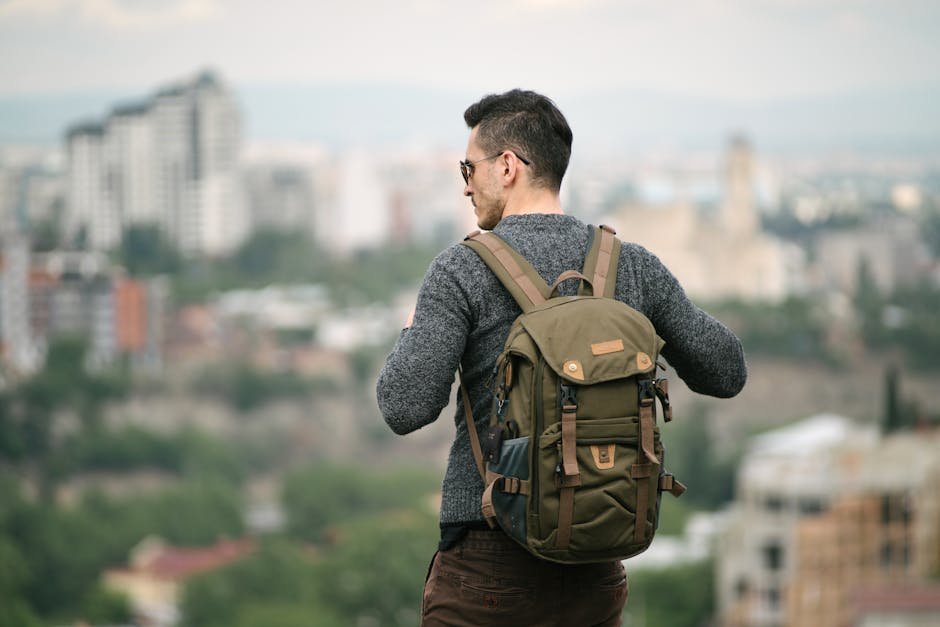
Top Adventure Travel Destinations for Solo Backpackers
Top Adventure Travel Destinations for Solo Backpackers
For solo backpackers seeking adventure, the world offers countless destinations that combine safety, affordability, and unforgettable experiences. Whether you’re drawn to mountain trails, tropical beaches, or ancient cities, certain locations stand out for their accessibility, infrastructure, and welcoming atmosphere for independent travelers. From the Andes to the Himalayas, these top adventure travel destinations for solo backpackers provide reliable transport, budget-friendly hostels, and opportunities to meet fellow explorers—all while delivering thrilling outdoor activities and cultural immersion.
Why Solo Backpacking Appeals to Adventurers
Solo backpacking offers unmatched freedom and personal growth. Without the constraints of group travel, you can change plans on a whim, linger in a village that captivates you, or push forward when the trail calls. The journey becomes deeply personal—a test of resilience, resourcefulness, and self-reliance.
Adventure travel amplifies these benefits. It’s not just about seeing new places; it’s about engaging with them through physical challenges and authentic interactions. Hiking remote trails, navigating local transit, or volunteering with community projects builds confidence and creates stories that last a lifetime.
Choosing the right destination is key. Ideal spots offer a balance of safety, affordability, and adventure-ready infrastructure—like well-marked trails, English-speaking locals, and reliable internet for planning. Below are ten destinations that consistently rank high among solo backpackers for adventure and accessibility.
Nepal: The Himalayan Gateway
Nepal remains the gold standard for solo backpackers seeking high-altitude adventure. The country’s trekking culture is deeply ingrained, with routes like the Annapurna Circuit and Everest Base Camp attracting thousands of independent travelers each year.
Tea houses line the trails, offering simple meals and beds—no need to carry a tent. Most routes are well-marked, and local guides or porters can be hired easily if needed. The Nepali people are known for their warmth and hospitality, making solo travelers feel welcome even in remote villages.
Best Time to Visit
The ideal windows are March to May and September to November. These periods offer stable weather, clear skies, and minimal rainfall. Monsoon season (June–August) brings landslides and leeches, while winter months can bring snow and sub-zero temperatures at higher elevations.
Essential Tips
Obtain a TIMS (Trekkers’ Information Management System) card and necessary permits before starting any trek. Always carry a basic first-aid kit and water purification tablets. While most trails are safe, inform someone of your route and expected return date.
Thailand: Beaches, Jungles, and Culture
Thailand strikes a rare balance between adventure and comfort. From island-hopping in the Andaman Sea to jungle trekking in Chiang Mai, it offers diverse experiences without sacrificing convenience.
Solo backpackers thrive here thanks to an extensive network of buses, trains, and budget airlines. Hostels are abundant, often featuring social events that make meeting others effortless. The local cuisine is affordable and delicious—pad thai for under $2 is not uncommon.
Top Adventure Activities
Kayaking through limestone caves in Krabi, rock climbing on Railay Beach, or visiting hill tribes near Pai. For something more relaxed, volunteer at an elephant sanctuary or take a Thai cooking class in Bangkok.
Safety and Etiquette
Thailand is generally safe, but petty theft can occur in tourist areas. Keep valuables secure and avoid flashing expensive gear. Dress modestly when visiting temples—shoulders and knees should be covered.
Peru: Ancient Ruins and Andean Trails
Peru delivers a powerful mix of history and adventure. The Inca Trail to Machu Picchu is a bucket-list trek, but it’s not the only option. The Salkantay Trek offers a less crowded, equally stunning alternative.
Cusco serves as the main hub for backpackers, with countless agencies offering guided tours, gear rentals, and hostel recommendations. Spanish is the primary language, but English is widely spoken in tourist zones.
Acclimatization Is Crucial
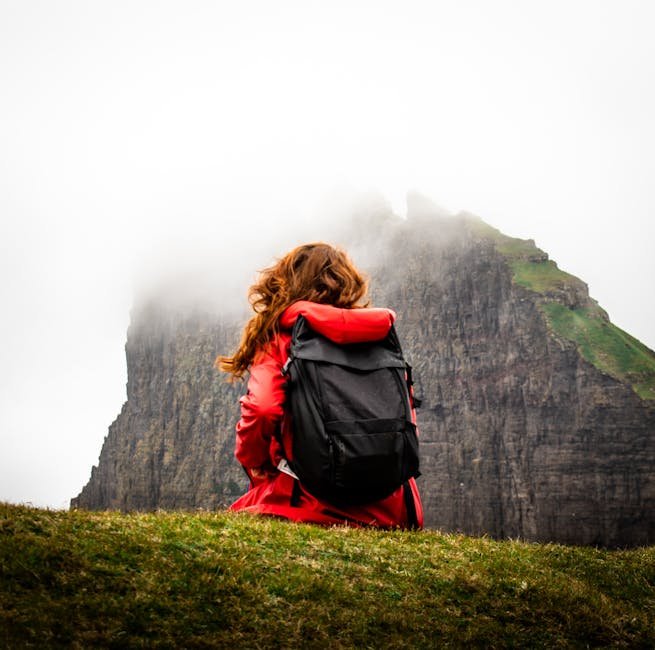
Cusco sits at 3,400 meters (11,150 feet). Spend at least two days there before starting any high-altitude trek. Drink coca tea, stay hydrated, and avoid alcohol. Altitude sickness can be serious—descend immediately if symptoms worsen.
Budget Considerations
The Inca Trail requires booking months in advance and costs around $600–$800 for a guided trek. Independent hiking is not permitted on this route. However, alternative trails like the Lares Trek or Choquequirao offer similar scenery at lower prices and with fewer restrictions.
New Zealand: Wilderness and Adventure Sports
New Zealand is a paradise for outdoor enthusiasts. With its dramatic landscapes—fiords, volcanoes, glaciers, and beaches—it’s no surprise it’s a favorite among solo adventurers.
The country is safe, English-speaking, and well-equipped for backpackers. The Department of Conservation (DOC) maintains huts and campsites along popular trails like the Routeburn Track and Milford Track. Hitchhiking is common and generally safe, though not recommended in remote areas.
Adventure Activities
Bungee jumping in Queenstown, black-water rafting in Waitomo, or skiing in the Southern Alps. Many activities are operated by certified companies with strong safety records.
Transport Tips
Renting a car or campervan gives maximum flexibility. InterCity buses are affordable and connect major towns. Book accommodations in advance during peak season (December–February).
Costa Rica: Rainforests and Wildlife
Costa Rica is a leader in eco-tourism and a top choice for nature-loving backpackers. Its well-developed trail system, national parks, and wildlife reserves make it easy to explore safely.
From surfing in Tamarindo to zip-lining over Monteverde’s cloud forests, adventure is never far away. The country is politically stable and has a strong focus on sustainability, which appeals to conscious travelers.
Getting Around
Public buses are cheap and connect most towns, though schedules can be irregular. Shared shuttles are faster and more reliable for popular routes like San José to La Fortuna.
Wildlife Encounters
Visit Corcovado National Park for a chance to see tapirs, jaguars, and scarlet macaws. Always go with a certified guide—wildlife is best observed from a distance, and some areas require permits.
Vietnam: Scenic Landscapes and Street Food
Vietnam offers incredible value and variety. Backpackers can travel from north to south for under $30 a day, enjoying world-class food, stunning scenery, and rich history.
The Ha Giang Loop in the north delivers jaw-dropping mountain views and ethnic minority villages. In the center, Hoi An charms with its lantern-lit streets, while the south offers Mekong Delta boat tours and beach time in Mui Ne.
Transport Options
The Reunification Express train runs the length of the country. Overnight sleeper buses are common and affordable. Motorbike rentals are popular but require caution—traffic can be chaotic, and accidents are frequent.
Food Safety
Street food is a highlight, but choose busy stalls with high turnover. Avoid raw vegetables and unpeeled fruits. Drink only bottled or boiled water.
Bolivia: High-Altitude Adventures
Bolivia is South America’s best-kept secret for budget adventurers. It’s less touristy than Peru or Ecuador, yet offers equally impressive landscapes—like the Salar de Uyuni, the world’s largest salt flat.
The altitude can be challenging. La Paz sits at 3,650 meters (11,975 feet), so allow time to adjust. Many backpackers start in lower-altitude cities like Santa Cruz before heading west.
Must-Do Experiences
Tour the Salar de Uyuni with a group—solo travel is not advised due to the remote location. Visit the Amazon basin in Rurrenabaque for jungle treks and piranha fishing.
Currency and Costs
The Boliviano (BOB) is the local currency. ATMs are available in cities, but carry cash for rural areas. A daily budget of $25–$35 covers food, lodging, and local transport.
Georgia: Caucasus Culture and Trails
Georgia has emerged as a top destination for solo backpackers seeking authenticity and affordability. Nestled between Europe and Asia, it offers mountain scenery, ancient wine culture, and warm hospitality.
The Trans-Caucasian Trail is being developed across the country, offering multi-day hiking opportunities. Popular routes include the Svaneti region and the hike to Gergeti Trinity Church near Kazbegi.
Visa and Entry
Most nationalities can enter visa-free for up to one year. Border crossings are straightforward, but carry printed copies of your accommodation and return ticket.
Language and Communication
Georgian is the official language, and English is not widely spoken outside Tbilisi. Learn a few basic phrases or use translation apps. SIM cards are cheap and widely available.
Iceland: Volcanic Landscapes and Northern Lights
Iceland is ideal for solo travelers who love dramatic nature. Geysers, waterfalls, glaciers, and black sand beaches create a otherworldly backdrop for adventure.
The Ring Road circles the island and is well-maintained. Hitchhiking is common in summer, but rental cars offer more freedom. Campervans are popular and can be parked at designated sites.
Weather Preparedness
Conditions change rapidly. Always check the weather forecast and road conditions (via road.is). Pack waterproof layers, even in summer.
Northern Lights Viewing
Best seen from September to March, away from city lights. Join a guided tour or use apps like My Aurora Forecast to track activity.
Morocco: Desert Treks and Medina Life
Morocco blends adventure with cultural immersion. The Atlas Mountains offer trekking routes to Berber villages, while the Sahara Desert invites multi-day camel treks under star-filled skies.
Marrakech is the main gateway, with bustling souks, affordable riads, and a strong backpacker scene. Trains and buses connect major cities, though rural areas may require shared taxis.
Desert Safety
Always travel with a reputable guide in the desert. Inform someone of your plans and carry extra water. Nights can be extremely cold, even in summer.
Cultural Sensitivity
Morocco is a Muslim-majority country. Dress modestly, especially in rural areas. Avoid public displays of affection and respect prayer times.
How to Choose the Right Destination
Not every destination suits every traveler. Consider your fitness level, budget, and comfort with uncertainty. If you’re new to solo travel, start with countries that are English-friendly and have strong backpacker infrastructure, like Thailand or New Zealand.
Research visa requirements, health precautions, and local customs. Check government travel advisories and register your trip if recommended. Travel insurance is non-negotiable—ensure it covers adventure activities and medical evacuation.
Pack light. A 40–50L backpack is sufficient for most trips. Bring versatile clothing, a reliable water bottle, and a power bank. Leave room for souvenirs—you’ll want them.
Final Tips for Safe and Rewarding Solo Adventures
Stay connected when possible. Share your itinerary with a trusted contact and check in regularly. Use apps like WhatsApp or Google Maps offline mode to stay oriented.
Trust your instincts. If a situation feels off, leave. Most locals are helpful, but scams exist in tourist hotspots. Avoid sharing too much personal information with strangers.
Embrace the unexpected. Delays, missed buses, and language barriers are part of the journey. How you handle them often defines the experience more than the destination itself.
FAQ
Is it safe for solo female backpackers to travel to these destinations?
Many of these destinations are safe for solo female travelers, but precautions are essential. Stick to well-traveled areas, avoid walking alone at night, and use reputable transport. Countries like New Zealand, Thailand, and Georgia are particularly welcoming to women traveling alone.
How much should I budget per day as a solo backpacker?
Budgets vary widely. In Vietnam or Bolivia, $25–$35 per day is realistic. In Iceland or New Zealand, expect $70–$100. Include costs for food, lodging, transport, activities, and emergencies. Always carry extra cash for unexpected expenses.
Do I need to speak the local language?
Not necessarily. English is widely spoken in tourist areas of Thailand, New Zealand, and Iceland. In countries like Georgia or Morocco, learning basic phrases helps greatly. Translation apps and gestures go a long way in bridging communication gaps.