

How to Find Travel Deals Online Without Scams: A Practical Guide
How to Find Travel Deals Online Without Scams: A Practical Guide
Finding great travel deals online doesn’t have to mean risking your money or personal information. With the right tools and strategies, you can uncover real savings on flights, hotels, and vacation packages—without falling victim to scams. Start by sticking to reputable travel sites, comparing prices across multiple platforms, and reading recent customer reviews. Always verify website security (look for HTTPS and padlock icons), avoid deals that seem too good to be true, and never wire money or use unsecured payment methods. This guide walks you through proven, practical steps to find legitimate travel bargains safely and efficiently.
Why Scams Are Common in Online Travel Booking
The travel industry is a prime target for scammers because of its high transaction values and emotional appeal. Fraudulent sites often mimic real travel agencies or airlines, using fake logos and convincing layouts. These sites may offer steep discounts to lure in unsuspecting travelers, only to steal payment details or deliver nothing at all.
According to the U.S. Federal Trade Commission, travel-related fraud complaints rose significantly in recent years, with losses averaging hundreds of dollars per incident. Scammers exploit urgency—limited-time offers, “last seat” alerts—to pressure quick decisions. They also target popular destinations and peak seasons when demand is high and travelers are more likely to skip due diligence.
Understanding these tactics helps you stay alert. Legitimate deals exist, but they require a cautious, informed approach. The goal isn’t to avoid discounts, but to distinguish real savings from traps.
Stick to Trusted and Verified Travel Platforms
Your first line of defense is choosing where to search. Reputable travel booking sites have established reputations, secure payment systems, and transparent policies. Examples include Expedia, Booking.com, Kayak, Google Travel, and airline or hotel direct booking sites.
Check for Website Security
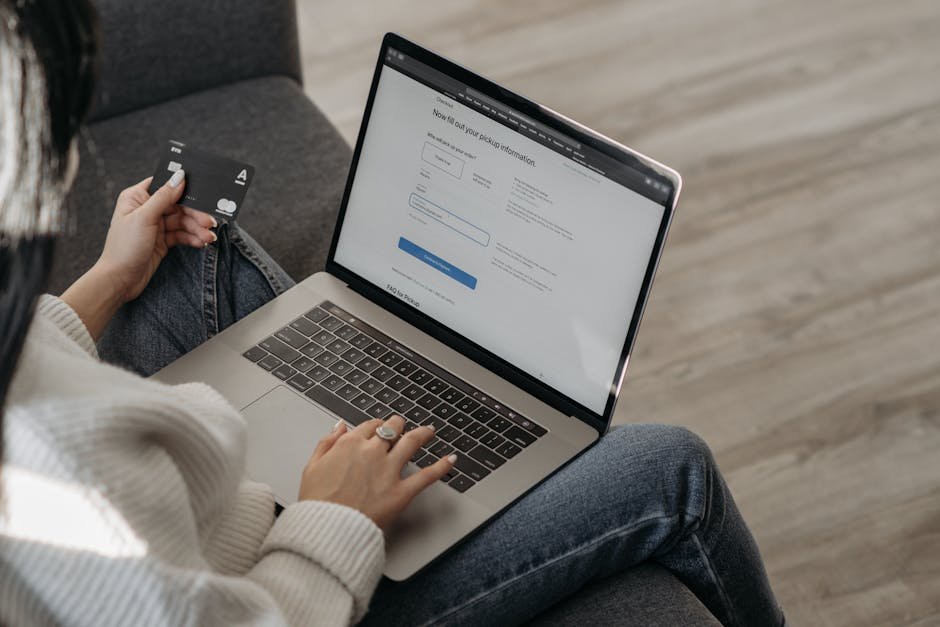
Always confirm a site uses HTTPS (not HTTP) in the URL and displays a padlock icon in the address bar. This indicates data encryption, protecting your credit card and personal information. Avoid entering payment details on sites that lack these basic security features.
Verify Business Credentials
Look for contact information—phone numbers, physical addresses, and customer service hours—on the booking site. Legitimate companies make it easy to reach them. Cross-check the business name with official registries or the Better Business Bureau if you’re unsure.
Read Recent Customer Reviews
Check third-party review platforms like Trustpilot, Google Reviews, or Reddit travel communities. Pay attention to recent feedback, especially complaints about hidden fees, booking failures, or poor customer support. A pattern of negative reviews is a red flag, even if the site looks professional.
Use Price Comparison Tools Wisely
Comparison engines help you spot the best prices without visiting dozens of sites. Tools like Skyscanner, Momondo, and Google Flights allow you to compare flight prices across airlines and dates. For hotels, Trivago and HotelsCombined aggregate rates from multiple booking platforms.
Set Price Alerts
Most comparison sites let you set alerts for specific routes or destinations. You’ll receive email or app notifications when prices drop. This helps you act quickly on real deals without constantly checking manually.
Be Wary of “Redirect” Sites
Some comparison tools redirect you to third-party booking sites after you click a deal. Always check the final booking page’s URL and company name. If it’s unfamiliar or lacks security features, cancel and book directly with the airline or hotel instead.
Compare Direct Booking vs. Third-Party
Sometimes booking directly with an airline or hotel is cheaper or offers better flexibility. Third-party sites may add service fees or restrict changes. Always check the provider’s official site before finalizing a third-party booking.
Avoid Common Travel Scam Tactics
Scammers use psychological tricks to create urgency and lower your guard. Recognizing these tactics helps you avoid costly mistakes.
Too-Good-to-Be-True Discounts
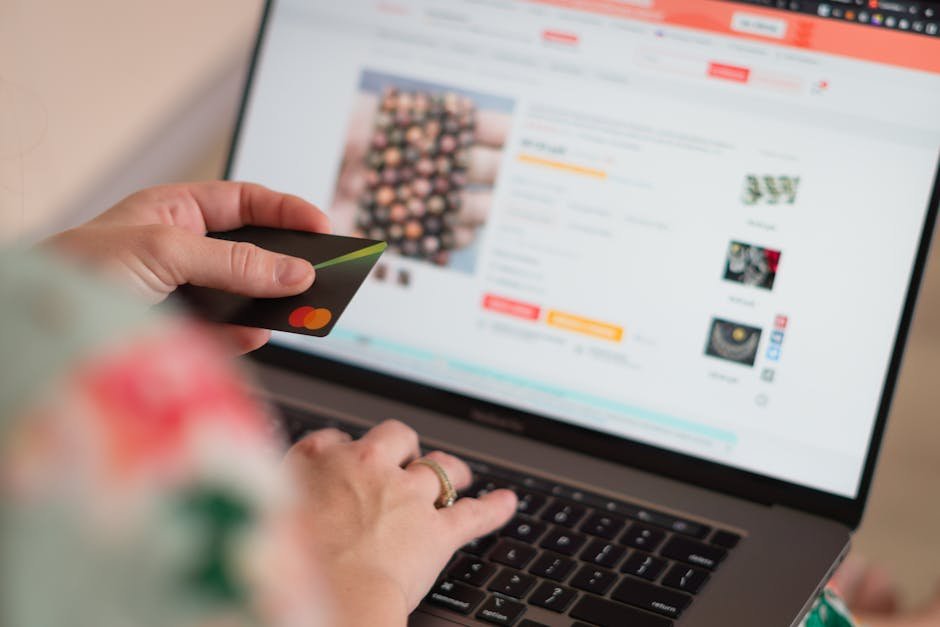
If a deal promises 70% off a luxury hotel or a round-trip flight for under $100, it’s likely fake. Real discounts exist, but extreme markdowns are rare and usually tied to error fares or last-minute cancellations—not scam sites.
Pressure to Act Immediately
Messages like “Only 2 seats left at this price!” or “Offer expires in 10 minutes!” are designed to rush you. Legitimate deals don’t require instant payment. Take time to verify the offer and compare alternatives.
Requests for Unusual Payment Methods
Never pay for travel bookings with wire transfers, gift cards, cryptocurrency, or cash apps like Venmo or Zelle. These methods are irreversible and favored by scammers. Use credit cards, which offer fraud protection and chargeback options.
Fake “Travel Agents” on Social Media
Be cautious of travel deals promoted through Instagram, Facebook, or TikTok DMs. Scammers pose as agents offering exclusive group trips or secret deals. Always verify their credentials and avoid sending money through social platforms.
Spot and Avoid Fake Travel Websites
Fake travel sites are designed to look real. They often use names similar to well-known brands or create entirely new ones with professional-looking designs.
Check the Domain Name
Look closely at the URL. Scammers may use subtle misspellings like “Expediaa.com” or “Bookingb.com.” Legitimate sites have clean, correct domain names. When in doubt, search for the company’s official website and navigate from there.
Look for Poor Grammar and Spelling
Many scam sites are created quickly and contain typos, awkward phrasing, or inconsistent formatting. Legitimate companies invest in professional copy and design.
Test the Customer Service
Send a quick email or use the live chat feature to ask a simple question. If there’s no response, slow replies, or vague answers, it’s a warning sign. Real travel sites have responsive support teams.
Search for the Site Online
Type the website name into Google and add “scam” or “review.” If others have reported fraud, you’ll often find warnings in forums or consumer protection sites.
Use Browser Extensions and Security Tools
Technology can help protect you while searching for deals. Several free tools add an extra layer of security.
Install Reputation Checkers
Browser extensions like Web of Trust (WOT) or McAfee WebAdvisor rate websites based on user feedback and security scans. They display color-coded ratings (green = safe, red = risky) directly in your search results.
Enable Safe Browsing Features
Google Chrome and Firefox include built-in phishing and malware protection. Keep these enabled to block known fraudulent sites automatically.
Use a Password Manager
Password managers like Bitwarden or 1Password generate and store strong, unique passwords. This prevents reuse across sites and reduces the risk of account breaches if one site is compromised.
Book During Sales and Off-Peak Times
Timing your search can lead to real savings without relying on shady deals. Airlines and hotels often run promotions during predictable periods.
Take Advantage of Seasonal Sales
Watch for major travel sale events like Black Friday, Cyber Monday, or airline-specific sales (e.g., JetBlue’s “Fare Sale Fridays”). These are legitimate opportunities to save, often with clear terms and conditions.
Travel During Off-Peak Seasons
Flights and hotels are cheaper when demand is low. For example, visiting Europe in late fall or early spring avoids summer crowds and prices. Use tools like Google Flights’ price graph to identify cheaper travel dates.
Consider Alternative Airports and Hotels
Flying into a nearby airport or staying in a less touristy neighborhood can cut costs significantly. Compare total travel time and transportation expenses to ensure it’s still convenient.
Read the Fine Print Before Booking
Even on legitimate sites, hidden fees or restrictive policies can turn a “deal” into a bad value. Always review the details before paying.
Check Cancellation and Change Policies
Non-refundable tickets or strict change fees can cost more in the long run. Look for flexible options, especially if your plans might change. Some credit cards offer travel protection that covers cancellations.
Understand Baggage and Resort Fees
Budget airlines often advertise low base fares but charge extra for checked bags, seat selection, and even carry-ons. Hotels may add daily resort fees not included in the initial price. Factor these into your total cost.
Confirm Inclusions in Package Deals
Vacation packages may advertise “all-inclusive” but exclude meals, transfers, or activities. Read the inclusions list carefully. Contact the provider if anything is unclear.
Use Credit Cards with Travel Protections
Paying with the right credit card adds security and benefits. Many cards offer fraud monitoring, purchase protection, and travel insurance.

Choose Cards with No Foreign Transaction Fees
If traveling internationally, use a card that doesn’t charge extra for foreign purchases. This can save 3% or more on every transaction.
Look for Travel Insurance Benefits
Some premium cards include trip cancellation, delay reimbursement, or lost luggage coverage. Check your card’s benefits guide to understand what’s included.
Monitor Your Statements
After booking, review your credit card statement for unauthorized charges. Report discrepancies immediately. Most issuers offer zero-liability policies for fraud.
Report Suspected Travel Scams
If you encounter a fraudulent site or lose money to a scam, reporting it helps protect others and may aid investigations.
File a Complaint with the FTC
In the U.S., report travel scams to the Federal Trade Commission at ReportFraud.ftc.gov. Provide details like the website URL, payment method, and what happened.
Notify Your Bank or Credit Card Company
If you paid with a card, contact your issuer to dispute the charge. Most offer chargeback options for fraudulent transactions.
Alert Travel Authorities
In some countries, national tourism boards or consumer protection agencies track travel fraud. Reporting helps them issue warnings and take action.
Final Tips for Safe and Smart Travel Deal Hunting
Finding real travel deals online is possible—and safer—when you stay informed and cautious. Start with trusted platforms, compare prices, and verify everything before paying. Avoid urgency traps, use secure payment methods, and protect your personal information.
Remember, the best deals aren’t always the cheapest. Value includes reliability, flexibility, and peace of mind. A slightly higher price from a reputable provider is often worth it to avoid stress, hidden fees, or outright fraud.
With these strategies, you can explore the world without compromising your safety or budget. Travel smart, stay alert, and enjoy the journey.
FAQ
Q: How can I tell if a travel deal is a scam?
A: Look for red flags like prices that seem too good to be true, pressure to act immediately, requests for unusual payment methods (like gift cards or wire transfers), and poor website security (no HTTPS or padlock icon). Always verify the site’s reputation through reviews and official sources.
Q: Are travel deal comparison sites safe to use?
A: Most major comparison sites like Kayak, Skyscanner, and Google Flights are safe and reliable. However, always check the final booking site’s URL and security before entering payment details. Avoid clicking on deals that redirect to unfamiliar or unsecured websites.
Q: What should I do if I accidentally book through a scam site?
A: Contact your credit card company immediately to dispute the charge. Report the scam to the FTC and avoid using the site again. If you shared personal information, monitor your accounts for signs of identity theft and consider placing a fraud alert with credit bureaus.
Related keywords: How to Find Travel Deals Online Without Scams Guide.
What’s Happening i am new to this, I stumbled upon this I’ve found It absolutely helpful and it has aided me out
loads. I hope to contribute & help other users like its
helped me. Good job.
Nice post. I was checking constantly this blog and I am impressed!
Very helpful info specially the last part 🙂 I care for such information much.
I was looking for this certain information for a long time.
Thank you and good luck.