

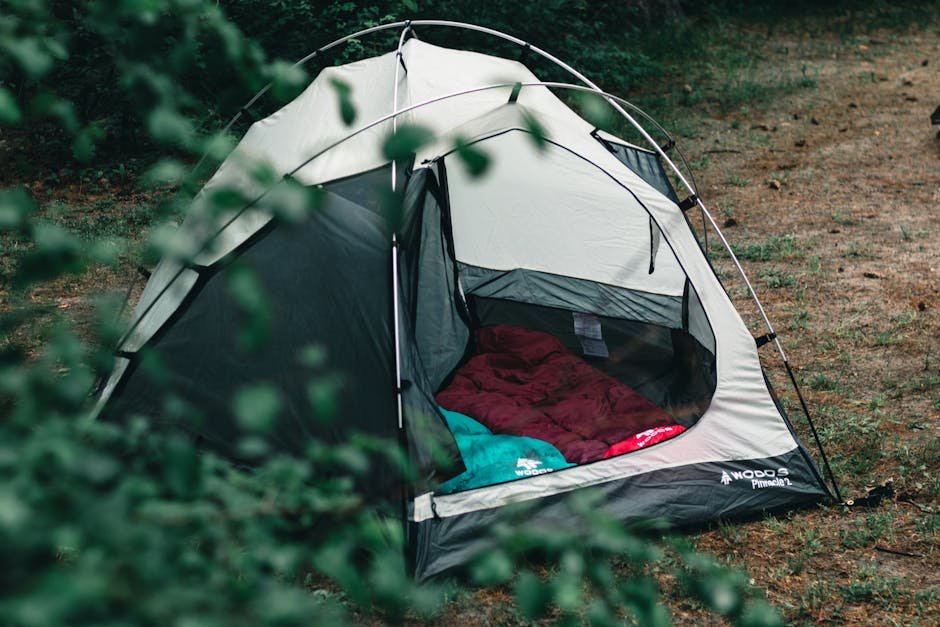
Top Outdoor Destinations for Camping Adventure Trips
Top Outdoor Destinations for Camping Adventure Trips
Looking for the best places to camp and explore the great outdoors? This guide highlights top outdoor destinations for camping adventure trips across diverse landscapes—from rugged mountains to serene lakesides. Whether you’re a beginner or an experienced camper, these locations offer unforgettable experiences with stunning scenery, well-maintained trails, and reliable access to essential amenities. Each destination is selected for safety, accessibility, and unique natural features that make it ideal for adventure seekers.
Why Choose These Camping Adventure Destinations
Not all campgrounds are created equal. The best outdoor destinations for camping adventure trips combine natural beauty with practical infrastructure. They offer clean restrooms, fire pits, potable water, and marked trails while preserving the wild feel that makes camping special.
These locations also prioritize safety and sustainability. Rangers patrol regularly, and many sites follow Leave No Trace principles to protect ecosystems. Choosing a reputable destination reduces risks and enhances your overall experience.
1. Yellowstone National Park, Wyoming
Yellowstone is a cornerstone of American wilderness and one of the most iconic outdoor destinations for camping adventure trips. Spanning nearly 3,500 square miles, it features geysers, hot springs, waterfalls, and abundant wildlife.
Camping here means waking up to elk grazing near your tent or hearing wolves howl at dusk. With 12 campgrounds and over 2,000 sites, options range from primitive backcountry spots to developed areas with showers.
Best Time to Visit
Late spring through early fall (May to September) offers the most accessible conditions. Summer brings warm days and long daylight hours, ideal for hiking and sightseeing. Winter camping is possible but requires advanced preparation due to heavy snowfall and limited services.
Top Campgrounds
Mammoth Campground is open year-round and close to historic Fort Yellowstone. Madison Campground sits near the park’s west entrance and offers easy access to the Grand Prismatic Spring. For solitude, try Slough Creek—a backcountry favorite with bison sightings common.
Adventure Activities
Hike the Uncle Tom’s Trail for dramatic canyon views or take a guided wildlife tour. Boating is allowed on Yellowstone Lake with a permit. Always store food properly—bears are active in this region.
2. Yosemite National Park, California
Yosemite’s granite cliffs, waterfalls, and ancient sequoias make it a dream destination for outdoor enthusiasts. The park hosts over five million visitors annually, so planning ahead is essential.
With 13 campgrounds, Yosemite offers varied experiences. Some sites fill up months in advance, especially during peak season.
Best Time to Visit
Late spring (May–June) offers full waterfalls and mild weather. Fall (September–October) brings fewer crowds and golden foliage. Winter camping is limited but magical, with snow-dusted cliffs and quiet trails.
Top Campgrounds
North Pines and Upper Pines campgrounds provide central access to Yosemite Valley’s major sights. For a quieter stay, Hodgdon Meadow offers first-come, first-served sites just outside the valley. Backpackers can obtain permits for wilderness camping in remote areas like Tuolumne Meadows.
Adventure Activities
Rock climbing on El Capitan or Half Dome attracts experienced climbers. Day hikes like Mist Trail to Vernal Fall are popular and moderately challenging. Always check trail conditions—some routes close due to rockfall or snowmelt.
3. Great Smoky Mountains National Park, Tennessee & North Carolina
As the most visited national park in the U.S., the Smokies blend accessibility with deep wilderness. Mist-covered peaks, dense forests, and historic cabins define this Appalachian gem.
The park has 10 frontcountry campgrounds and extensive backcountry options. Reservations are recommended, especially on weekends.
Best Time to Visit
Fall (October) offers vibrant foliage and cool temperatures. Spring (March–May) brings wildflowers and flowing streams. Summer is busy but lush; winter provides solitude and snow-dusted ridges.
Top Campgrounds
Cataloochee Campground is tucked in a secluded valley with elk herds nearby. Cades Cove offers open meadows and historic structures. For high-elevation camping, try Cosby or Abrams Creek.
Adventure Activities
Hike the Appalachian Trail through the park or explore Cades Cove by bike. Fishing in streams like Little River is permitted with a valid license. Bear activity is high—use bear-proof containers for all food.
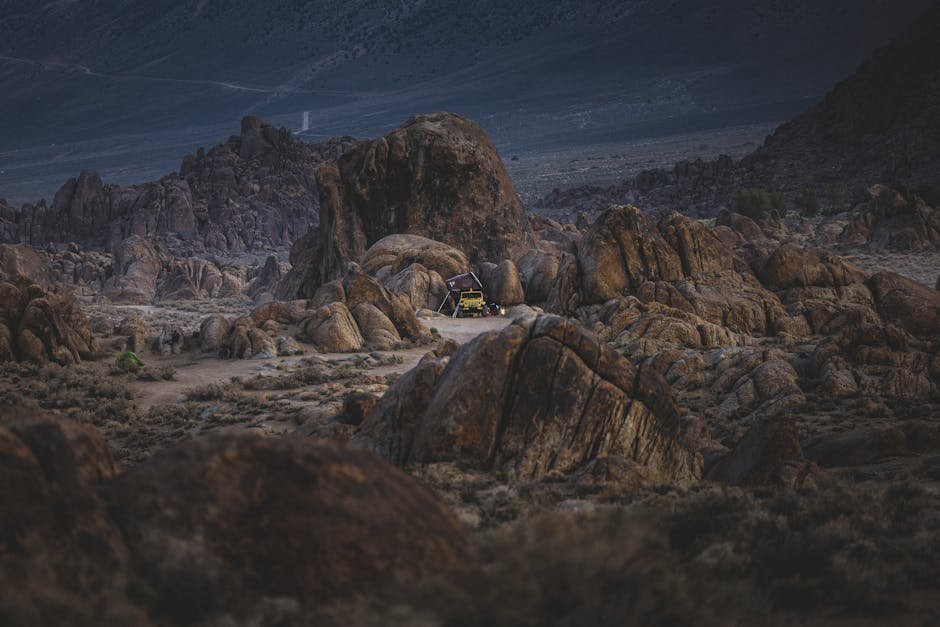
4. Glacier National Park, Montana
Known as the “Crown of the Continent,” Glacier delivers alpine lakes, glacial valleys, and dramatic peaks. Its remote feel and pristine landscapes make it a top choice for serious adventurers.
The park has 13 campgrounds, with many located along the famed Going-to-the-Sun Road.
Best Time to Visit
July to September offers the most reliable access. Many high-elevation roads and trails remain closed until late June due to snow. Winter camping is extremely limited and not recommended for beginners.
Top Campgrounds
Apgar Campground near West Glacier is family-friendly with showers and RV hookups. For solitude, try Many Glacier or Bowman Lake—both offer lakeside sites and access to rugged trails.
Adventure Activities
Hike the Highline Trail for sweeping views of the Garden Wall. Canoeing on Swiftcurrent Lake is peaceful and scenic. Always carry bear spray—grizzlies are common in this region.
5. Big Bend National Park, Texas
Big Bend offers a stark contrast to forested parks. Located along the Rio Grande, it features desert landscapes, canyons, and star-filled skies. It’s one of the least crowded national parks, ideal for solitude seekers.
The park has three developed campgrounds and numerous backcountry sites. Water is scarce—bring your own supply.
Best Time to Visit
Fall through spring (October–April) provides mild temperatures. Summer days exceed 100°F—camping is not advised. Winter nights can drop below freezing, so pack accordingly.
Top Campgrounds
Chisos Basin Campground sits in a mountain valley with stunning views. Rio Grande Village offers shade and proximity to the river. For primitive camping, try the Dodson Trail or backcountry zones with a permit.
Adventure Activities
Hike the South Rim Trail for panoramic desert vistas. Float the Rio Grande through Santa Elena Canyon. Stargazing is exceptional—Big Bend is an International Dark Sky Park.
6. Acadia National Park, Maine
Acadia blends coastal beauty with forested trails. Located on Mount Desert Island, it offers rocky shores, freshwater lakes, and Cadillac Mountain—the first place to see the sunrise in the U.S.
The park has five campgrounds, with Blackwoods and Seawall being the most popular.
Best Time to Visit
Late spring to early fall (May–October) is ideal. Summer brings warm weather and full services. Fall foliage peaks in October, drawing crowds. Winter camping is possible but limited.
Top Campgrounds
Blackwoods Campground is close to Bar Harbor and major trailheads. Seawall offers quieter sites near the ocean. Both have restrooms and fire rings—no showers, so plan accordingly.
Adventure Activities
Hike the Precipice Trail for steep climbs and ocean views. Kayak along the rugged coastline or bike the carriage roads. Tides change quickly—check local charts before coastal exploration.
7. Zion National Park, Utah
Zion’s towering red cliffs and narrow slot canyons define the American Southwest. It’s a magnet for hikers, climbers, and photographers.
The park has two main campgrounds: Watchman and South. Both are near the south entrance and fill quickly.
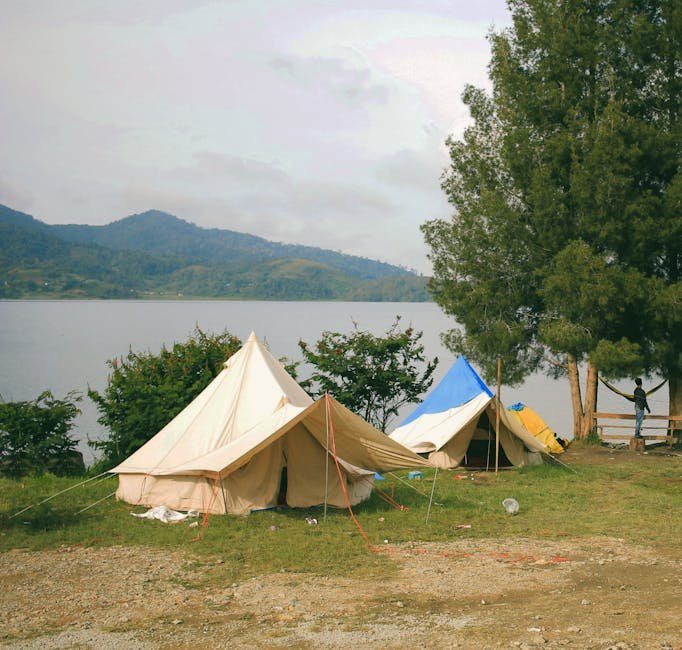
Best Time to Visit
Spring (March–May) and fall (September–November) offer mild weather and fewer crowds. Summer is hot and busy; winter brings snow to higher elevations.
Top Campgrounds
Watchman Campground has reservable sites and is close to the visitor center. South Campground is first-come, first-served and slightly more affordable. Both offer restrooms and drinking water.
Adventure Activities
The Narrows—a hike through the Virgin River—is iconic but requires proper footwear and caution. Angels Landing is strenuous and requires a permit. Always check flash flood warnings before entering canyons.
8. Olympic National Park, Washington
Olympic delivers three distinct ecosystems: rainforest, coastline, and alpine peaks—all within one park. This diversity makes it a standout among outdoor destinations for camping adventure trips.
The park has 16 campgrounds, ranging from beachfront to mountain sites.
Best Time to Visit
Summer (July–September) offers the best weather across all zones. Rainforest areas are wet year-round; coastal storms can occur in winter. High-elevation trails may remain snow-covered into July.
Top Campgrounds
Kalaloch Campground sits right on the Pacific shore—perfect for sunrise walks. Sol Duc offers hot springs and forest access. For alpine camping, try Deer Park with panoramic mountain views.
Adventure Activities
Hike the Hoh Rainforest for moss-draped trees and quiet trails. Explore tide pools at Ruby Beach. Climb Mount Storm King for sweeping views of Lake Crescent.
9. Shenandoah National Park, Virginia
Located just 75 miles from Washington, D.C., Shenandoah offers an accessible escape into the Blue Ridge Mountains. Skyline Drive runs the park’s length, with overlooks and trailheads every few miles.
The park has five campgrounds, all along Skyline Drive.
Best Time to Visit
Fall (October) brings brilliant foliage. Spring (April–May) offers wildflowers and flowing waterfalls. Summer is humid but lush; winter provides quiet and occasional snow.
Top Campgrounds
Big Meadows is centrally located with restrooms and a camp store. Lewis Mountain offers smaller, quieter sites. Loft Mountain is the largest and most remote.
Adventure Activities
Hike a section of the Appalachian Trail or explore Dark Hollow Falls. Wildlife includes deer, black bears, and songbirds. Stay on marked trails to protect fragile ecosystems.
10. Joshua Tree National Park, California
Joshua Tree blends desert solitude with surreal rock formations. Its unique flora—especially the namesake Joshua trees—and dark skies attract campers and stargazers alike.
The park has nine campgrounds, with Jumbo Rocks and Black Rock being the most popular.
Best Time to Visit
Fall through spring (October–April) offers mild temperatures. Summer days exceed 100°F—avoid camping during this time. Winter nights are cold; bring warm gear.
Top Campgrounds
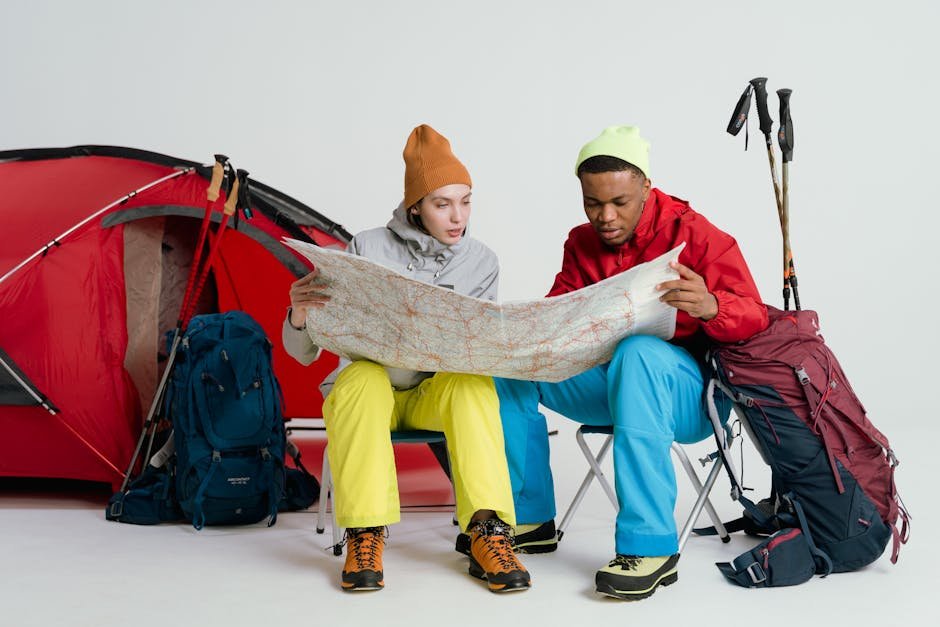
Jumbo Rocks has iconic boulder campsites and easy access to climbing areas. Black Rock offers yurt rentals and a visitor center. Both have restrooms and fire grates.
Adventure Activities
Rock climbing on Skull Rock or Hidden Valley is popular. Hike the Barker Dam Trail for desert wildlife and petroglyphs. Stargazing is exceptional—bring a star map or join a ranger-led program.
How to Choose the Right Destination for Your Trip
With so many options, picking the right outdoor destination for camping adventure trips depends on your experience level, group size, and interests.
Beginners may prefer parks with developed facilities and short trails. Experienced campers might seek remote backcountry sites with minimal services.
Consider Your Skill Level
If you’re new to camping, start with parks like Great Smoky Mountains or Shenandoah, which offer easy access and clear signage. For advanced hikers, Glacier or Big Bend provide rugged challenges.
Check Permit and Reservation Requirements
Many popular parks require advance reservations. Yosemite, Zion, and Acadia often book up months ahead. Use Recreation.gov to secure spots early.
Prepare for Local Conditions
Desert parks demand extra water and sun protection. Mountain areas require layers and altitude awareness. Always research wildlife, weather, and trail conditions before departure.
Essential Tips for a Safe and Enjoyable Camping Adventure
Even in well-maintained parks, preparation is key. A successful trip starts long before you arrive at the campsite.
Pack the Right Gear
Bring a quality tent, sleeping bag rated for expected temperatures, and a reliable stove. Don’t forget a first-aid kit, headlamp, and multi-tool. Test all equipment before leaving home.
Follow Leave No Trace Principles
Pack out all trash, minimize campfire impact, and respect wildlife. Use established sites to reduce erosion. These practices help preserve destinations for future visitors.
Stay Informed and Flexible
Weather can change rapidly in mountainous or coastal areas. Check forecasts daily and have backup plans. Rangers provide valuable updates—stop by a visitor center upon arrival.
Final Thoughts
The best outdoor destinations for camping adventure trips offer more than scenic views—they provide opportunities for connection, challenge, and discovery. Whether you’re drawn to deserts, forests, or coastlines, these parks deliver memorable experiences with proper planning.
Start by choosing a destination that matches your goals and skill level. Book early, prepare thoroughly, and embrace the unpredictability of nature. Every trip teaches something new.
FAQ
What is the best time of year to go camping in national parks?
The ideal time varies by location. Generally, late spring to early fall (May–September) offers the best weather and access. Desert parks are best in cooler months, while mountain parks may have snow into summer. Always check seasonal conditions for your specific destination.
Do I need a permit to camp in these parks?
Most national parks require reservations for developed campgrounds, especially during peak season. Backcountry camping usually requires a separate permit. Visit the official NPS website for each park to confirm requirements and apply early.
How can I stay safe while camping in bear country?
Store all food, trash, and scented items in bear-proof containers or lockers. Never keep food in your tent. Make noise while hiking to avoid surprising bears. Carry bear spray and know how to use it. Follow park guidelines for wildlife safety.