

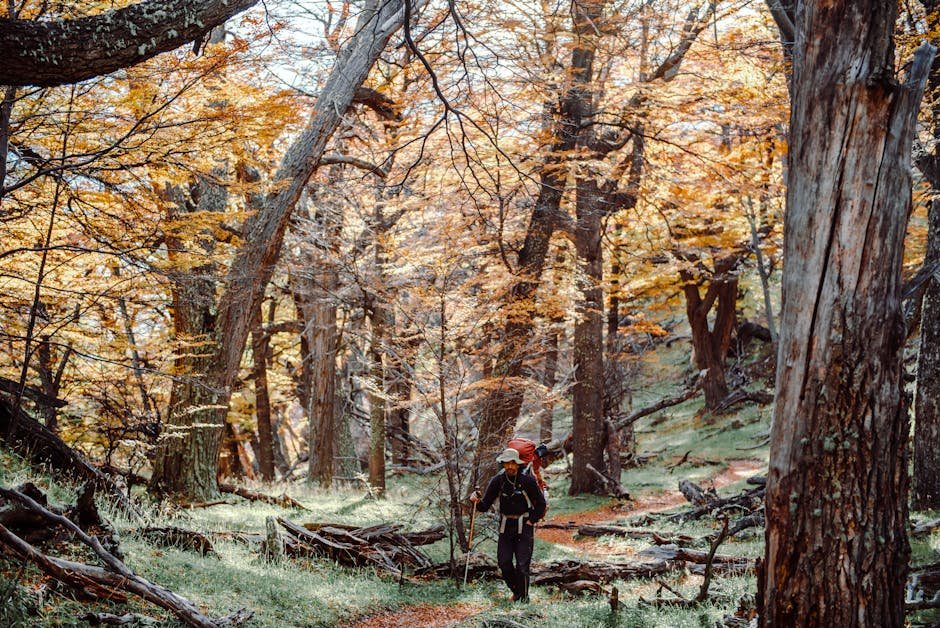
Top Destinations in Argentina for Nature Lovers
Top Destinations in Argentina for Nature Lovers
Argentina is a paradise for nature lovers, offering everything from glacial lakes and snow-capped peaks to subtropical jungles and vast deserts. Whether you’re drawn to dramatic landscapes, rare wildlife, or remote wilderness, the country’s diverse ecosystems provide unforgettable outdoor experiences. This guide highlights the most breathtaking natural destinations across Argentina, each chosen for its unique scenery, accessibility, and ecological significance. From Patagonia’s icy fjords to the northern rainforests, these spots deliver adventure, tranquility, and awe-inspiring beauty.
Patagonia: A Wilderness of Ice and Wind
Patagonia, stretching across southern Argentina, is one of the world’s last true wilderness areas. Its vast steppes, towering mountains, and pristine rivers make it a magnet for hikers, climbers, and photographers. The region’s isolation preserves its raw beauty, offering visitors a chance to experience nature in its most unspoiled form.
Los Glaciares National Park
Home to some of the largest glaciers outside the polar regions, Los Glaciares National Park is a UNESCO World Heritage Site and a must-visit for nature enthusiasts. The park spans over 700,000 hectares and features the famous Perito Moreno Glacier, which calves dramatically into Lake Argentino.
Visitors can walk along viewing platforms or take boat tours to witness ice chunks the size of buildings break off and crash into the water. The glacier is accessible year-round, but the best views come from late spring to early autumn when weather conditions are most stable.
Beyond Perito Moreno, the park offers trekking routes like the Fitz Roy trail, leading to views of granite spires and alpine lakes. The nearby town of El Chaltén serves as a base for hikers and provides basic lodging and supplies.
Torres del Paine (Adjacent Chilean Border)
While technically in Chile, Torres del Paine is easily accessible from Argentine Patagonia and often included in cross-border nature itineraries. The park’s iconic granite towers rise over 2,500 meters and dominate the skyline.
Hikers can complete the W Trek in five to seven days, passing glacial lakes, forests, and the base of the towers. Wildlife includes guanacos, foxes, and the elusive puma. Cross-border travel requires planning, so check visa and transportation options in advance.
The Lake District: Alpine Beauty in Northern Patagonia
The Argentine Lake District, centered around Bariloche, blends Andean scenery with European charm. This region is ideal for those who enjoy lakes, forests, and snow-capped peaks without venturing too far south.
Bariloche and Nahuel Huapi National Park
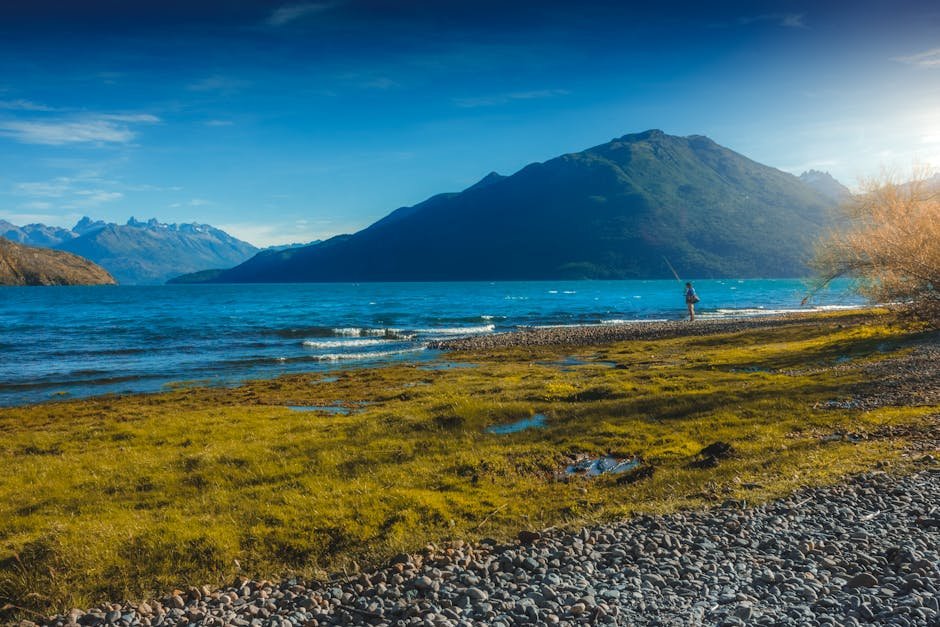
San Carlos de Bariloche is the gateway to Nahuel Huapi National Park, Argentina’s oldest national park. The area is known for its crystal-clear lakes, dense forests of lenga and coihue trees, and views of Mount Tronador.
Visitors can kayak on Lake Nahuel Huapi, hike to the base of Tronador’s glaciers, or take a chairlift for panoramic views. In winter, the city transforms into a ski destination, but summer offers the best conditions for outdoor exploration.
The park is also home to the Arrayanes Forest on Isla Victoria, where rare cinnamon-colored trees grow in dense clusters. A boat tour is required to reach the island, adding to the sense of adventure.
Villa La Angostura and the Seven Lakes Route
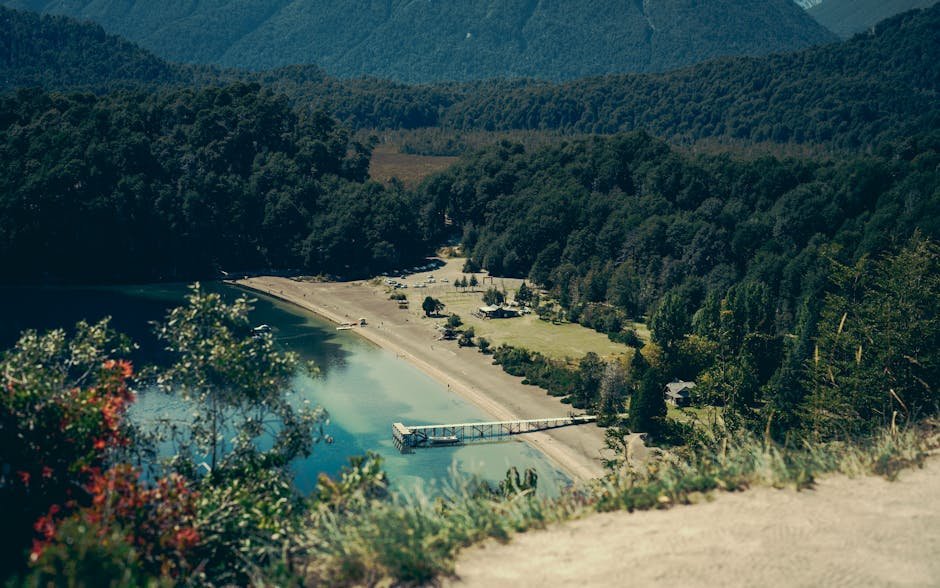
This small mountain village sits between several glacial lakes and is a quieter alternative to Bariloche. It’s the starting point for the Ruta de los Siete Lagos (Seven Lakes Route), a scenic drive connecting seven distinct lakes over 107 kilometers.
The route winds through forests and alongside lakes like Correntoso and Espejo, with frequent pull-offs for photos and short hikes. It’s best traveled over two days to fully appreciate the changing landscapes.
Wildlife sightings include condors, huemul deer, and native bird species. Accommodations range from rustic cabins to boutique lodges, many with lake views.
Iguazú Falls: Power and Majesty in the North
Iguazú Falls, located on the border with Brazil, is one of the world’s most spectacular waterfalls. With 275 individual drops spread over nearly 3 kilometers, it dwarfs Niagara Falls in volume and width.
The Devil’s Throat and Upper/Lower Circuits
The centerpiece of the falls is the Garganta del Diablo (Devil’s Throat), a U-shaped cascade where water plunges 80 meters into a churning abyss. A 1.1-kilometer walkway leads visitors to the edge, offering heart-pounding views and mist that soaks everything in sight.
The park offers two main circuits: the upper trail provides elevated views of the falls, while the lower trail runs beneath them, allowing close-up encounters with the spray and sound. Both take about two to three hours to complete.
Early morning visits reduce crowds and increase chances of spotting toucans, coatis, and butterflies. The park is open year-round, but the water flow is highest between November and March.
Wildlife and Conservation Efforts
The surrounding subtropical rainforest is part of Iguazú National Park, a UNESCO site protecting one of the last remnants of the Atlantic Forest. Over 400 bird species live here, including the colorful toucan and the endangered jaguarundi.
Visitors are encouraged to stay on marked trails to protect fragile ecosystems. Guided tours offer insights into conservation projects and local biodiversity.
The Andes: High-Altitude Adventures
Stretching along Argentina’s western edge, the Andes offer some of the highest peaks in the Americas. This mountain range is ideal for trekkers, climbers, and those seeking solitude in dramatic landscapes.
Mendoza and Aconcagua Provincial Park
Mendoza is the gateway to Aconcagua, the highest peak outside of Asia at 6,961 meters. While summiting requires technical skill and permits, the surrounding park offers accessible trails for all levels.
The Plaza de Mulas base camp is a popular destination for trekkers, reachable via a multi-day hike. The route passes through alpine meadows, glacial streams, and high-altitude deserts.
Even if you don’t climb, the views from the park’s lower trails are stunning. The region is also known for its wine production, offering a unique blend of adventure and culture.
Los Cardones National Park
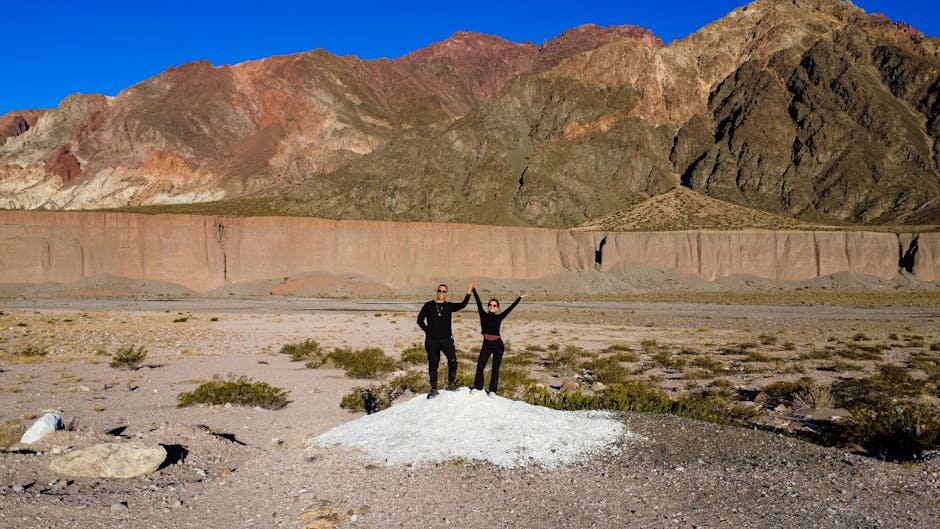
Located in Salta Province, this park protects a high-altitude desert landscape dotted with giant cacti that can reach 10 meters in height. The terrain resembles the American Southwest, with red rock formations and sweeping vistas.
Hiking trails wind through the park, offering views of the surrounding mountains and valleys. The best time to visit is during the cooler months from April to October.
Wildlife includes vizcachas (a rabbit-like rodent), foxes, and Andean condors. The park is remote, so self-sufficiency is essential—bring water, food, and navigation tools.
The Pampas and Wetlands: Grasslands and Birdlife
Argentina’s central plains and wetlands may lack dramatic peaks, but they support rich ecosystems and abundant wildlife. These areas are perfect for birdwatchers and those interested in grassland ecology.
Esteros del Iberá
Esteros del Iberá is South America’s second-largest wetland and a stronghold for species like the capybara, caiman, and marsh deer. Located in Corrientes Province, it’s a haven for eco-tourism.
Visitors can explore by boat, canoe, or on guided walks. Early morning and dusk are the best times for wildlife spotting. The area is also part of a rewilding project reintroducing jaguars and giant anteaters.
Stay in eco-lodges run by local communities, which support conservation and sustainable tourism. The region is less developed than Patagonia, offering a more authentic and quiet experience.
Campos del Tuyú National Park
This coastal park near Buenos Aires protects sand dunes, lagoons, and native grasslands. It’s one of the few places where the endangered pampas deer can still be found.
Birdwatching is excellent, with over 200 species recorded, including herons, ibises, and raptors. The park is accessible by car and makes a great weekend escape from the city.
Facilities are basic, so plan accordingly. Bring insect repellent and sun protection, especially in summer.
Northern Jungles: Misiones and the Yungas
Argentina’s northern regions are covered in subtropical forests and cloud forests, offering a stark contrast to the arid south. These areas are rich in biodiversity and cultural history.
Calilegua National Park
Located in Jujuy Province, Calilegua is part of the Yungas ecosystem, a transitional zone between the Andes and the Amazon. The park features dense forests, waterfalls, and steep trails.
Hiking routes range from easy walks to challenging climbs. The Sunchal trail leads to a viewpoint overlooking the Valle Grande, while the Lagunita trail ends at a small waterfall.
Birdwatchers will find over 400 species, including toucans, parrots, and hummingbirds. The park is remote, so supplies and transportation should be arranged in advance.
Selva de Monteverde Comparisons
While Costa Rica’s Monteverde is more famous, Argentina’s Yungas forests offer similar biodiversity with fewer tourists. Both regions feature cloud forests, epiphytes, and rich birdlife.
However, infrastructure in the Yungas is less developed, meaning a more rugged experience. Travelers should be prepared for limited services and variable trail conditions.
Practical Tips for Nature Travel in Argentina
Best Times to Visit
Argentina’s vast size means climate varies greatly by region. Patagonia is best visited from November to March (summer), when temperatures are mild and daylight is long.
Northern regions like Iguazú and Misiones are hot and humid year-round, with a rainy season from October to April. The Andes are accessible in summer, but high-altitude areas may be snowbound in winter.
Always check local weather and park conditions before traveling. Some trails close during heavy rain or snow.
Transportation and Access
Domestic flights connect major cities like Buenos Aires, Bariloche, and El Calafate. Buses are reliable and affordable for regional travel, though journeys can be long.
Renting a car offers flexibility, especially in Patagonia and the Lake District. Roads are generally well-maintained, but some park entrances require 4×4 vehicles.
For remote areas like Iberá or Calilegua, consider guided tours or local transport. Hitchhiking is not recommended.
Safety and Preparation
Most national parks are safe, but always inform someone of your plans. Carry a map, first-aid kit, and emergency contacts. Mobile coverage is limited in remote areas.
Weather can change rapidly, especially in the mountains. Dress in layers and bring rain gear even in summer. Sun protection is essential at high altitudes.
Respect wildlife by keeping a safe distance and not feeding animals. Stick to marked trails to avoid getting lost or damaging fragile habitats.
Conservation and Responsible Travel
Argentina’s natural areas face threats from climate change, invasive species, and tourism pressure. Visitors can help by following Leave No Trace principles.
Pack out all trash, use designated campsites, and avoid disturbing wildlife. Support local conservation projects by choosing eco-certified tour operators.
Many parks charge entrance fees that fund maintenance and protection. These fees are typically low—around $10–$20 USD—and well worth the investment.
Consider volunteering with organizations working on reforestation or wildlife monitoring. Even short-term contributions can make a difference.
Final Thoughts
Argentina’s natural diversity is staggering, offering something for every kind of nature lover. Whether you’re drawn to icy glaciers, thundering waterfalls, or quiet wetlands, the country delivers experiences that are both humbling and exhilarating.
Planning ahead ensures you make the most of your trip while protecting the environments you come to enjoy. With thoughtful preparation, Argentina’s wild places will leave you with memories that last a lifetime.
FAQ
What is the best time of year to visit Patagonia?
The ideal time to visit Patagonia is during the southern hemisphere summer, from November to March. During these months, temperatures are milder, trails are accessible, and daylight lasts well into the evening. Winter visits are possible but limited to specific activities like skiing near Bariloche.
Do I need a guide to explore Argentina’s national parks?
While many parks allow independent exploration, hiring a local guide enhances safety and understanding, especially in remote areas like Los Glaciares or Calilegua. Guides provide insights into wildlife, geology, and conservation efforts, and can help navigate unmarked trails.
Is it safe to travel alone in Argentina’s natural areas?
Yes, but caution is advised. Stick to well-marked trails, inform others of your plans, and avoid traveling at night. Solo travelers should prioritize parks with good infrastructure, such as Iguazú or Nahuel Huapi, and consider joining group tours in more remote regions.