

Best Places to Visit in Oman for Scenic Travel
Best Places to Visit in Oman for Scenic Travel
Oman is a hidden gem in the Arabian Peninsula, offering dramatic landscapes, ancient history, and untouched natural beauty. From turquoise coastlines to rugged mountains and vast deserts, the country blends adventure with serenity. If you’re planning a scenic trip, Oman delivers some of the most visually stunning destinations in the Middle East. This guide highlights the best places to visit in Oman for scenic travel, helping you craft an unforgettable journey through deserts, wadis, and mountain villages.
Why Oman Stands Out for Scenic Travel
Oman’s geography is remarkably diverse for its size. In just a few hours, you can travel from coastal cliffs to desert dunes and high-altitude plateaus. Unlike its more commercialized neighbors, Oman has preserved its natural charm with careful tourism development. The government limits large resorts in sensitive areas, helping maintain the authenticity of its landscapes.
Travelers often compare Oman to a blend of Morocco’s deserts and New Zealand’s raw terrain—without the crowds. Whether you’re into hiking, photography, or simply soaking in views, Oman offers quiet, expansive scenery that feels both ancient and refreshingly new.
Top Scenic Destinations in Northern Oman
Muscat: Coastal Elegance and Historic Charm
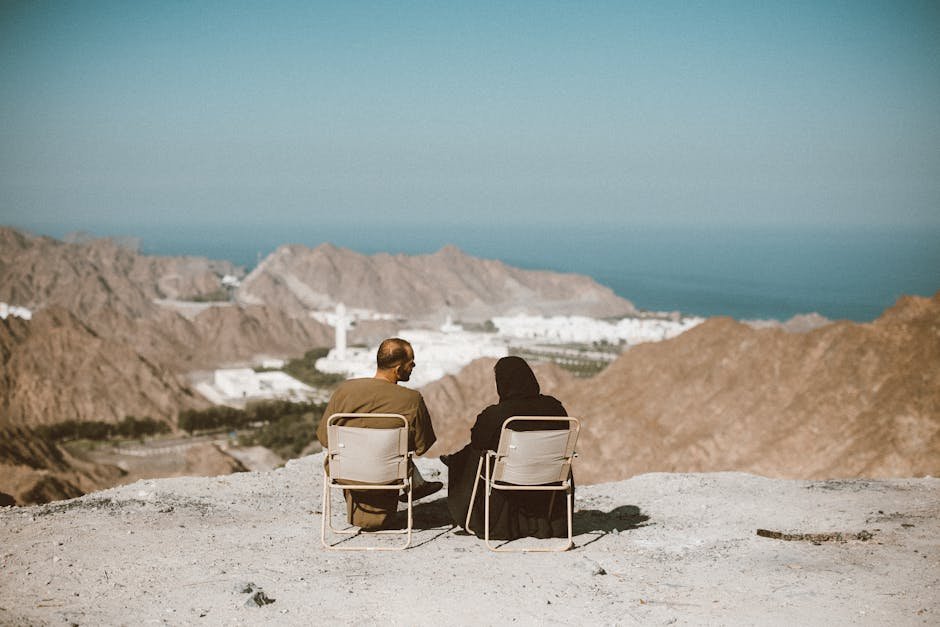
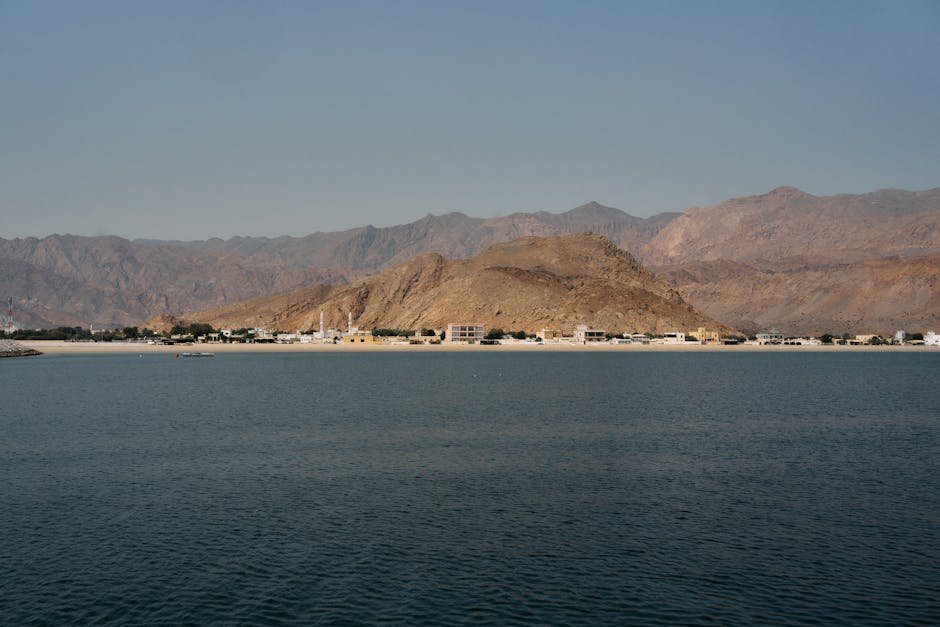
Muscat, the capital, is Oman’s gateway and a scenic highlight in itself. The city hugs the Gulf of Oman, with whitewashed buildings set against turquoise waters and rocky headlands. Key spots include the Sultan Qaboos Grand Mosque, Mutrah Corniche, and the Al Jalali and Al Mirani forts.
Sunset at Qurum Beach is a must. The long stretch of sand, palm-lined promenade, and views of the Gulf make it ideal for evening strolls. For a quieter experience, visit Al Mouj Marina, where modern architecture meets calm waters and yacht-lined docks.
Wadi Shab: A Hiking and Swimming Paradise
Located about 200 kilometers southeast of Muscat, Wadi Shab is one of Oman’s most famous natural attractions. This lush canyon features emerald pools, hidden waterfalls, and narrow gorges carved into limestone.
The hike to the main pools takes about 45 minutes and involves climbing over rocks and wading through shallow streams. Bring water shoes and a waterproof bag. At the end, you’ll reach a secluded waterfall you can swim behind—perfect for photos and cooling off.
Nizwa and the Jebel Akhdar Mountains
Nizwa, once the country’s capital, is a cultural hub surrounded by date palms and historic architecture. The 17th-century Nizwa Fort dominates the skyline, with its massive circular tower and museum showcasing Omani heritage.
Just an hour’s drive away lies Jebel Akhdar, part of the Al Hajar mountain range. Known as the “Green Mountain,” this highland area offers cool temperatures, terraced farms, and panoramic views from elevations over 2,000 meters. The Saiq Plateau is especially scenic, with villages clinging to cliffs and rose gardens blooming in spring.
Desert Adventures in Central and Southern Oman
Wahiba Sands: Dunes and Desert Life
The Wahiba Sands stretch across 180 kilometers of golden dunes, shaped by wind into towering formations. This desert is more accessible than the Empty Quarter and offers a genuine Bedouin experience.
Stay in a desert camp with traditional tents and enjoy sunset dune bashing, camel rides, and stargazing. Local guides share stories of desert survival and point out native wildlife like the Arabian oryx and desert fox. Nights here are pitch-black, making it one of the best spots in Oman for astronomy.
Empty Quarter (Rub’ al Khali): The Ultimate Desert Challenge
The Rub’ al Khali, or Empty Quarter, is the world’s largest continuous sand desert. Covering parts of Oman, Saudi Arabia, Yemen, and the UAE, it’s not for casual travelers. Access requires a 4×4 vehicle, experienced guide, and proper permits.
Those who venture in are rewarded with surreal landscapes—endless dunes, salt flats, and silence so deep it feels otherworldly. Most trips start from Salalah or the border near Marmoom. Pack extra fuel, water, and navigation tools. This is a multi-day expedition, not a day trip.
Coastal Gems and Island Escapes
Salalah and the Dhofar Region
Salalah, in southern Oman, offers a completely different climate. During the Khareef (monsoon) season from June to September, the region turns lush and green, with mist-covered mountains and waterfalls.
The Frankincense Land Museum and Al-Baleed Archaeological Park highlight the area’s historical role in the incense trade. Take a day trip to Wadi Darbat, where a seasonal lake feeds into cascading waterfalls. The coastal drive along the Arabian Sea is equally scenic, with cliffs and fishing villages.
Masirah Island: Off the Beaten Path
Masirah Island, accessible by ferry from Shanna, is a quiet retreat with long sandy beaches and strong winds ideal for kite surfing. The island has minimal development, making it perfect for travelers seeking solitude.
Sea turtles nest on its shores between May and October. Visit the Masirah Turtle Reserve to learn about conservation efforts. The island’s flat terrain and lack of traffic make cycling a pleasant way to explore.
Khasab and the Fjords of Musandam
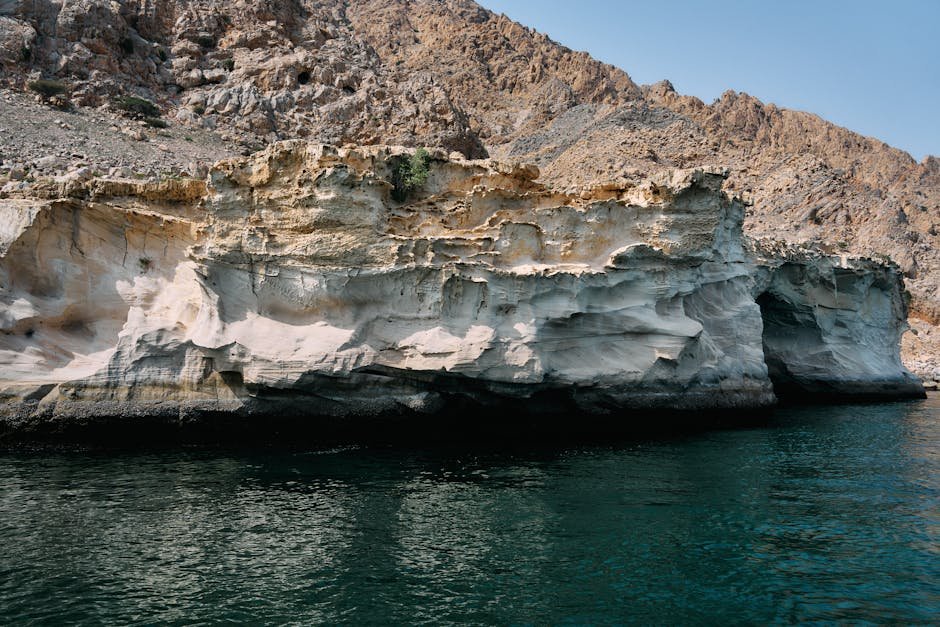
Khasab, in the northern Musandam Peninsula, is often called the “Norway of Arabia.” Dramatic fjords cut through limestone cliffs, creating a maze of inlets and islands. The best way to experience it is by traditional dhow boat.
Most tours include dolphin watching, snorkeling in clear waters, and visits to remote villages. The contrast between the deep blue sea and rugged mountains is breathtaking. Khasab is also the gateway to the Telegraph Island hike, a short but steep trail with panoramic views.
Mountain Retreats and High-Altitude Views
Jabal Shams: The Grand Canyon of Oman
Jabal Shams, meaning “Mountain of the Sun,” is the highest peak in Oman at 3,009 meters. It’s often compared to the Grand Canyon due to its deep gorge and layered rock formations.
The drive up is winding and steep, but the views from the edge of the canyon are worth it. Hike the Balcony Walk, a 2-kilometer trail that clings to the cliffside with sheer drops on one side. Bring layers—temperatures drop significantly at this altitude.
Al Hamra and the Old Villages
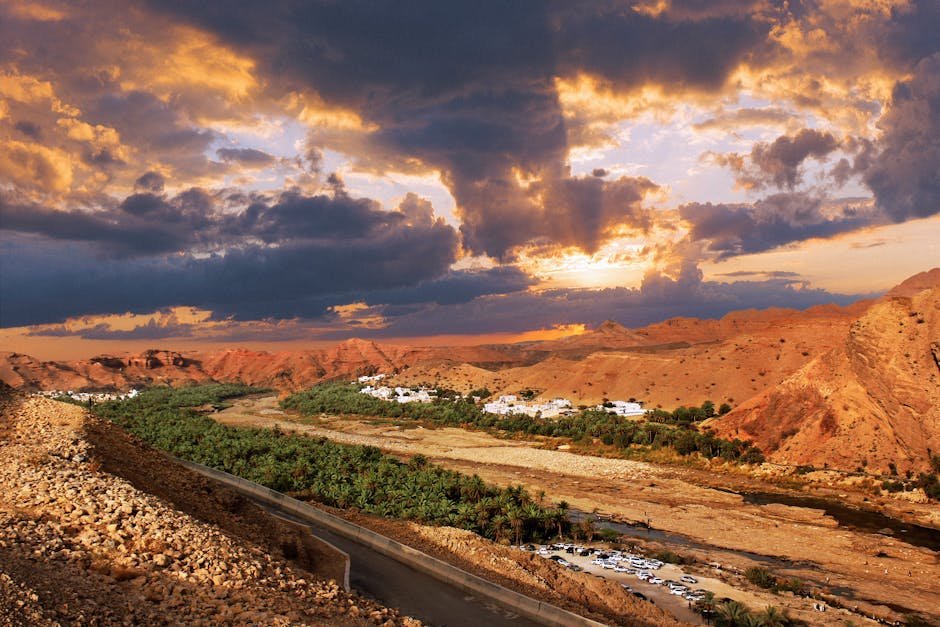
At the base of Jebel Shams lies Al Hamra, one of Oman’s oldest inhabited villages. Its mud-brick houses, some over 400 years old, are built into the mountain slope. The nearby Bait Al Safah museum offers a glimpse into traditional Omani life.
Walk through the village alleys and visit the ancient falaj irrigation system still in use today. The contrast between the dry landscape and the green patches fed by underground channels is a testament to Omani ingenuity.
Practical Tips for Scenic Travel in Oman
Best Time to Visit
October to April is ideal for most of Oman, with daytime temperatures between 20–30°C. Summer months can exceed 40°C, especially in desert areas. If you’re visiting Salalah, the Khareef season (June–September) offers cooler, greener conditions.
Transportation and Getting Around
Renting a car is the best way to explore Oman. Roads are well-maintained, and signage is clear. A 4×4 is essential for desert and mountain trips. Public transport is limited outside major cities, so plan accordingly.
Domestic flights connect Muscat and Salalah, saving time if you’re covering long distances. Ferries to Masirah and Musandam operate regularly but check schedules in advance.
What to Pack
Light, breathable clothing is recommended, but cover shoulders and knees when visiting religious sites. Sturdy hiking shoes, sunscreen, and a hat are essential. In the desert, bring warm layers for cold nights. A reusable water bottle helps reduce plastic waste.
Safety and Etiquette
Oman is one of the safest countries in the region. Crime is rare, and locals are welcoming. Respect local customs: avoid public displays of affection, dress modestly, and ask before photographing people.
When hiking or camping, always inform someone of your plans. Cell service can be spotty in remote areas. Carry a physical map or GPS device as backup.
Hidden Gems for Offbeat Scenic Experiences
Wadi Bani Khalid
Less crowded than Wadi Shab, Wadi Bani Khalid offers similar beauty with easier access. The wadi features large natural pools surrounded by date palms and rocky cliffs. It’s family-friendly, with shallow areas for children.
The drive from Muscat takes about 2.5 hours. Arrive early to avoid midday heat and crowds. There are small cafes and rest areas near the entrance.
Sur and the Dhow Building Heritage
Sur, a coastal town east of Muscat, is known for its shipbuilding history. The Dhow Building Yard lets visitors watch craftsmen build traditional wooden boats using age-old techniques.
The town also offers scenic coastal walks and views of the Indian Ocean. Take a boat trip to the nearby islands or visit the Al Ayjah Lighthouse for sunset views.
Jebel Harim and the Musandam Highlands
Jebel Harim is the highest mountain in Musandam. The drive from Khasab offers sweeping views of fjords and terraced farms. The village of Haffa, perched on the mountainside, feels frozen in time.
Hiking trails here are less developed but rewarding. The terrain is rugged, so go with a guide if you’re not experienced. The isolation adds to the charm—cell service is nonexistent in many areas.
Photography Tips for Capturing Oman’s Beauty
Golden hour—shortly after sunrise and before sunset—offers the best light for landscapes. The soft glow enhances the colors of deserts, mountains, and coastlines.
Use a polarizing filter to reduce glare on water and enhance sky contrast. For night photography in the desert, a tripod and wide-angle lens are essential. Avoid using flash when photographing people or wildlife.
Respect privacy and environmental rules. Don’t fly drones near military zones or protected areas without permission. Always ask before photographing locals, especially women.
Eco-Tourism and Sustainable Travel in Oman
Oman is committed to preserving its natural heritage. Many tour operators follow eco-friendly practices, such as limiting group sizes and avoiding single-use plastics.
Stick to marked trails to prevent erosion. Don’t disturb wildlife or remove natural items like shells or rocks. Support local businesses—buy crafts from village markets and eat at family-run restaurants.
Consider visiting during shoulder seasons to reduce overcrowding at popular sites. Your travel choices can help protect Oman’s scenic beauty for future generations.
FAQ
What is the best time of year to visit Oman for scenic travel?
The ideal time is between October and April, when temperatures are mild and skies are clear. Summer is extremely hot, especially in desert regions, though Salalah is more pleasant during the Khareef monsoon season (June–September).
Do I need a 4×4 vehicle to explore Oman’s scenic spots?
A regular car works for cities and coastal areas, but a 4×4 is necessary for desert excursions, mountain roads, and wadi hikes. Rent one if you plan to visit Wahiba Sands, Jebel Shams, or the Empty Quarter.
Is Oman safe for solo travelers seeking scenic destinations?
Yes, Oman is considered very safe, even for solo travelers. Locals are friendly and helpful. However, always inform someone of your plans when venturing into remote areas, and carry emergency supplies.