

Top Trekking Destinations in Nepal for Beginners Guide
Top Trekking Destinations in Nepal for Beginners Guide
Nepal is a dream destination for trekkers, but not all trails require advanced skills or months of preparation. Exploring beginner trekking in Nepal reveals important insights. If you’re new to trekking or looking for a manageable adventure with stunning views, Nepal offers several beginner-friendly routes that balance challenge with accessibility. This guide highlights the top trekking destinations in Nepal for beginners, covering scenic trails, essential preparation tips, and practical advice to ensure a safe and enjoyable experience. From lush valleys to panoramic mountain vistas, these treks are perfect for first-timers seeking authentic Himalayan beauty without extreme difficulty.
Why Nepal Is Ideal for Beginner Trekkers
Nepal’s diverse geography makes it uniquely suited for trekkers of all levels. While the country is famous for high-altitude challenges like Everest Base Camp, many trails are designed with accessibility in mind. Well-maintained paths, teahouse accommodations, and established trekking seasons mean beginners can focus on the journey rather than logistical hurdles.
The country’s trekking infrastructure supports newcomers. Local guides, porters, and guesthouses are widely available, especially on popular routes. Most beginner treks stay below 3,500 meters, reducing the risk of altitude sickness. With proper planning, even those with limited outdoor experience can enjoy a rewarding trek in Nepal.
Key Features of Beginner-Friendly Treks
- Low to moderate elevation gain: Daily ascents rarely exceed 500 meters.
- Teahouse availability: Lodging and meals are provided along the route.
- Clear signage and trail markers: Routes are well-defined and rarely require navigation skills.
- Short duration: Most treks last between 5 to 10 days.
Top 5 Trekking Destinations in Nepal for Beginners
1. Langtang Valley Trek
The Langtang Valley Trek is one of the most accessible and scenic options for first-time trekkers. Located just north of Kathmandu, this 7–10 day trek offers a mix of alpine forests, glacial rivers, and traditional Tamang villages. The trail reaches a maximum elevation of 3,800 meters at Kyanjin Ri, which is manageable with proper acclimatization.
One of the biggest advantages of this trek is its proximity to the capital. It’s possible to reach the trailhead in under three hours by jeep. The route is less crowded than Annapurna or Everest regions, offering a more intimate experience. Trekkers can visit the Kyanjin Monastery and enjoy panoramic views of Langtang Lirung and Gangchempo.
2. Ghorepani Poon Hill Trek
The Ghorepani Poon Hill Trek is a classic short trek in the Annapurna region, ideal for those with limited time. This 5–7 day journey peaks at Poon Hill (3,210 meters), famous for its sunrise views over the Dhaulagiri and Annapurna ranges. The trail passes through rhododendron forests, terraced farms, and Gurung villages.
What makes this trek beginner-friendly is its gradual ascent and well-established teahouses. Most days involve 4–6 hours of walking on clear paths. The final climb to Poon Hill starts before dawn but is short and rewarded with one of the most photographed views in Nepal.
3. Mardi Himal Trek
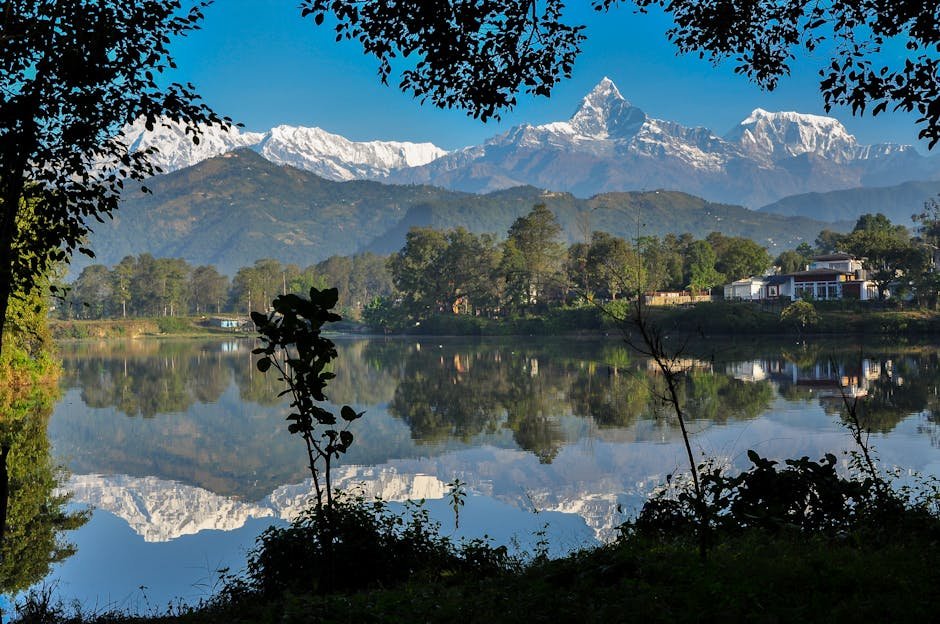
Though less known, the Mardi Himal Trek has gained popularity among beginners seeking solitude and dramatic mountain scenery. This 6–8 day trek offers close-up views of Mardi Himal and Machapuchare (Fishtail Mountain), with trails through dense forests and high alpine meadows.
The route is shorter and less crowded than nearby Annapurna Base Camp. The highest point is Mardi Himal Base Camp at 4,500 meters, but the ascent is gradual. Teahouses are available, though fewer than on more popular routes. This trek is best attempted in spring or autumn for stable weather.
4. Upper Mustang Trek (Restricted Area – Permit Required)
The Upper Mustang Trek offers a unique cultural experience in a desert-like landscape. Though technically a restricted area requiring a special permit, the trek is suitable for beginners due to its low elevation (maximum 3,800 meters at Lo Manthang) and flat terrain.
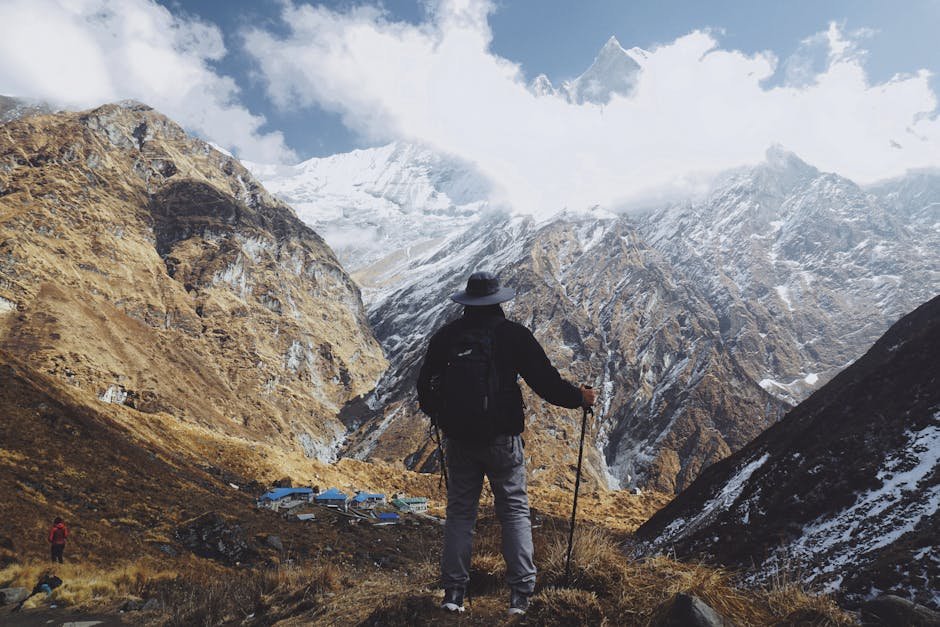
This 10–14 day journey takes you through ancient Tibetan Buddhist villages, cave systems, and walled cities. The climate is dry, and the trails are well-defined. Because of permit costs and logistics, it’s more expensive than other options, but the cultural immersion is unmatched.
5. Shivapuri Nagarjun National Park Trek
For those who want a short, accessible trek close to Kathmandu, Shivapuri Nagarjun National Park is ideal. Just a 30-minute drive from the city, this park offers day hikes and multi-day treks through dense forests, waterfalls, and hilltop viewpoints.
The Nagarkot to Chisapani route is a popular 3–4 day trek that ends with sunrise views from Nagarkot. Elevation rarely exceeds 2,500 meters, making it safe for beginners. This trek is perfect for testing your fitness before committing to longer journeys.
Essential Preparation Tips for Beginner Trekkers
Physical Fitness and Training
Even easy treks require a basic level of fitness. Start training 6–8 weeks before your trip. Focus on cardiovascular endurance with activities like brisk walking, cycling, or stair climbing. Include strength training for legs and core to handle uneven terrain.
Simulate trekking conditions by walking with a loaded backpack on hilly routes. Aim for at least 5–6 hours of continuous walking with breaks. This builds stamina and helps prevent injuries.
Packing Essentials
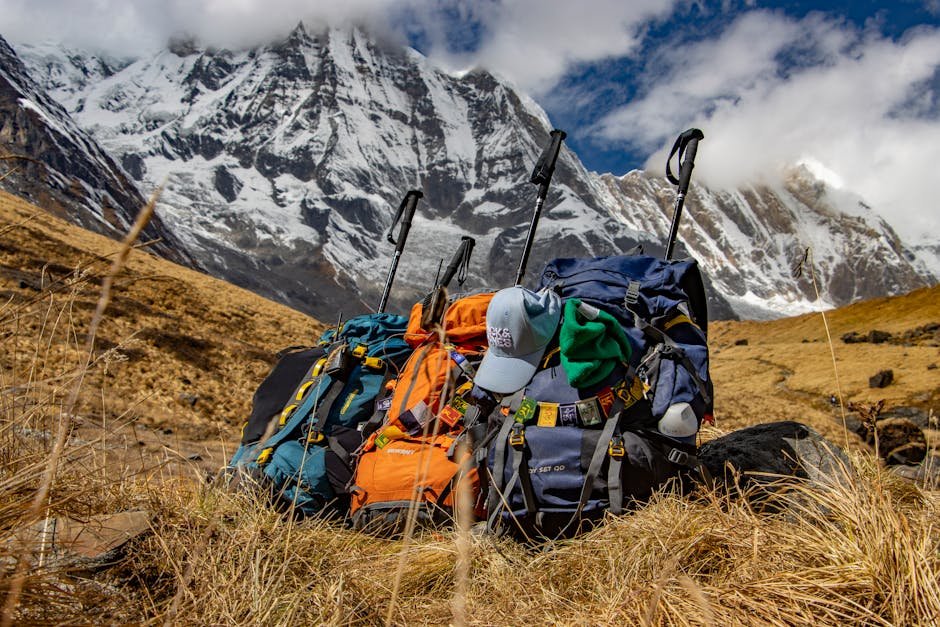
Packing light is crucial. A 40–50 liter backpack is sufficient for most beginner treks. Key items include:
- Sturdy, broken-in hiking boots
- Layered clothing (thermal base, fleece, waterproof jacket)
- Sleeping bag (rated for –5°C to 0°C)
- Headlamp with extra batteries
- Water purification tablets or filter
- Sunscreen, sunglasses, and a wide-brimmed hat
- First-aid kit and personal medications
Avoid overpacking. Teahouses provide blankets and meals, so you don’t need cooking gear. Renting equipment in Kathmandu or Pokhara can save space and weight.
Choosing the Right Season
Nepal has two main trekking seasons: spring (March to May) and autumn (September to November). These periods offer stable weather, clear skies, and moderate temperatures. Monsoon season (June to August) brings heavy rain and leeches, while winter (December to February) can be extremely cold, especially at higher elevations.
Spring is ideal for rhododendron blooms, while autumn offers the clearest mountain views. Avoid peak holidays like Dashain and Tihar, when trails and accommodations may be crowded.
Safety and Health Considerations
Altitude Sickness Prevention
Altitude sickness is a real risk, even on beginner treks. Symptoms include headache, nausea, dizziness, and fatigue. To minimize risk, ascend gradually—no more than 300–500 meters per day above 2,500 meters. Take rest days every 3–4 days to acclimatize.
Stay hydrated and avoid alcohol. Exploring beginner trekking in Nepal reveals important insights. If symptoms worsen, descend immediately. Consider carrying acetazolamide (Diamox) as a preventive measure, but only under medical advice. Most beginner treks stay below the critical 3,500-meter threshold, reducing risk significantly.
Hiring a Guide or Porter
While not mandatory on popular routes, hiring a local guide enhances safety and enriches the experience. Guides know the trails, handle permits, and can assist in emergencies. Porters carry heavy loads, allowing you to trek comfortably with just a daypack.
Reputable agencies in Kathmandu or Pokhara offer licensed guides and porters. Expect to pay $20–30 per day for a guide and $15–25 for a porter. Always confirm rates and responsibilities in advance.
Travel Insurance
Comprehensive travel insurance is non-negotiable. Ensure your policy covers high-altitude trekking (up to 4,000 meters), emergency evacuation, and medical expenses. Many standard policies exclude adventure activities, so read the fine print.
Carry insurance details and emergency contact numbers with you. Inform your insurer of your trekking plans before departure.
What to Expect on the Trail
Daily Routine
Most trekking days follow a similar pattern. Wake up early, pack your gear, and have breakfast at the teahouse. Depart by 8–9 AM and walk for 3–4 hours before a lunch break. The afternoon trek is shorter, arriving at the next teahouse by 3–4 PM.
Evenings are for resting, charging devices, and socializing with fellow trekkers. Dinner is typically served by 7 PM. Lights out early ensures enough sleep for the next day’s hike.
Teahouse Experience
Teahouses are basic lodges offering dormitory-style rooms, shared bathrooms, and simple meals. Most serve dal bhat (lentil soup with rice), noodles, and tea. Rooms are unheated, so a good sleeping bag is essential.
Wi-Fi and charging stations are available but often unreliable and costly. Bring a power bank for essential devices. Respect local customs—dress modestly and remove shoes when entering homes or temples.
Permits and Regulations
All trekkers need at least two permits: the TIMS (Trekkers’ Information Management System) card and a national park entry permit. Costs vary by region:
- TIMS Card: $20 for most regions
- Langtang National Park: $30
- Annapurna Conservation Area: $30
- Upper Mustang: $500 for 10 days (includes TIMS and restricted area permit)
Permits must be obtained in Kathmandu or Pokhara through authorized agencies. Carry photocopies of your passport and permits at all times. Rangers may check documents at trail checkpoints.
Budgeting for Your Trek
Trekking in Nepal is affordable compared to other Himalayan destinations. A 7-day trek might cost $400–$700 per person, including permits, food, lodging, and guide/porter fees. Budget extra for flights, gear, and souvenirs.
Daily expenses average $25–$40 when self-guided. Hiring a guide increases costs by $20–$30 per day. Upper Mustang and restricted areas are significantly more expensive due to permit fees.
Carry Nepali rupees in cash. ATMs are scarce on the trail, and card payments are rarely accepted. Exchange money in cities before starting your trek.
Environmental Responsibility
Trekking in Nepal comes with a responsibility to protect its fragile ecosystems. Follow the principles of Leave No Trace: pack out all trash, avoid single-use plastics, and use designated toilets.
Many teahouses now offer filtered water refills to reduce plastic waste. Support eco-friendly lodges and avoid buying bottled water. Respect wildlife and cultural sites—do not disturb animals or remove artifacts.
Final Thoughts
Nepal offers some of the world’s most beautiful and accessible trekking experiences for beginners. With proper preparation, realistic expectations, and respect for local culture and environment, your first trek can be both safe and unforgettable.
Start with a well-known route like Ghorepani Poon Hill or Langtang Valley to build confidence. As you gain experience, you can explore more challenging trails. The key is to go at your own pace, listen to your body, and enjoy the journey.
FAQ
Do I need prior trekking experience to hike in Nepal?
No, many beginner-friendly treks in Nepal require no prior experience. Trails like Ghorepani Poon Hill and Shivapuri are designed for newcomers with clear paths, teahouses, and moderate elevation gains.
What is the best time of year for a beginner trek in Nepal?
The best times are spring (March to May) and autumn (September to November). These seasons offer stable weather, clear skies, and comfortable temperatures for trekking.
Can I trek alone as a beginner in Nepal?
While solo trekking is allowed on popular routes, it’s safer and more enjoyable to go with a guide or group, especially for first-timers. A guide ensures navigation, handles permits, and assists in emergencies.