


Best Hiking Trails for Beginners Near Cities Guide
Best Hiking Trails for Beginners Near Cities Guide
If you’re new to hiking and live in or near a city, finding a trail that’s accessible, safe, and beginner-friendly doesn’t have to be difficult. Many urban areas offer well-marked, low-elevation hikes with scenic views, rest stops, and nearby facilities. This guide highlights some of the best hiking trails for beginners near major cities across the U.S., focusing on ease of access, trail conditions, and overall experience. Whether you’re looking for a morning workout or a weekend escape, these trails provide a great introduction to outdoor adventure without requiring long drives or advanced gear.
Why Choose Beginner-Friendly Trails Near Cities?
City-adjacent trails offer convenience and practicality for new hikers. You can reach them quickly by car or public transit, often within 30 to 60 minutes. Many are maintained by local parks departments, meaning clear signage, regular upkeep, and safety measures are in place. These trails typically feature gentle inclines, wide paths, and minimal elevation gain—ideal for building confidence and stamina.
Additionally, urban trails often include amenities like parking lots, restrooms, water fountains, and nearby cafes. This makes them ideal for solo hikers, families, or groups looking for a low-stress outing. You’ll also find opportunities to observe local wildlife, native plants, and seasonal scenery without venturing into remote wilderness.
What to Look for in a Beginner Hiking Trail
Not all trails labeled “easy” are created equal. When evaluating a trail, consider distance, elevation change, surface type, and accessibility. A true beginner trail should be under 5 miles round-trip, with less than 500 feet of elevation gain. Look for packed dirt, gravel, or paved paths—avoid rocky or root-heavy terrain until you’re more experienced.
Check if the trail is well-marked and frequently used. Popular routes tend to be safer and easier to navigate. Also, verify whether dogs are allowed, if there’s cell service, and if the trailhead has parking. Apps like AllTrails or Gaia GPS can help you preview trail maps and read recent user reviews.
Essential Gear for First-Time Hikers
You don’t need expensive equipment to start hiking. Wear comfortable, moisture-wicking clothing and sturdy sneakers or trail shoes with good grip. A small daypack with water, snacks, a phone, and a basic first-aid kit is sufficient for short hikes.
Avoid cotton clothing, which retains moisture and can lead to chafing or hypothermia in cooler weather. Bring at least 16–20 ounces of water per person, even on short walks. Sun protection—hat, sunglasses, sunscreen—is also important, especially on exposed trails.
Top Beginner Hiking Trails Near Major U.S. Cities
Below are some of the most accessible and enjoyable beginner-friendly hikes near major metropolitan areas. Each offers a mix of natural beauty, ease of access, and supportive infrastructure for new hikers.
Griffith Park – Los Angeles, CA
Just minutes from downtown LA, Griffith Park offers multiple beginner-friendly routes, including the popular Fern Dell to Observatory Trail. This 2.5-mile loop features shaded paths, gentle slopes, and views of the Hollywood Sign and downtown skyline.
The trail is paved in sections and well-maintained, with restrooms and water fountains near the trailhead. Parking is available but can fill up on weekends, so arrive early. The observatory itself is a great bonus stop for photos and learning about astronomy.

Minnehaha Falls Trail – Minneapolis, MN
Located in South Minneapolis, this 1.5-mile out-and-back trail leads to the stunning 53-foot Minnehaha Falls. The path is flat, paved, and wheelchair accessible in parts, making it ideal for all skill levels.
Along the way, you’ll pass through wooded areas, open meadows, and the historic Long Meadow. The trail connects to the larger Grand Rounds Scenic Byway, offering options to extend your walk. Facilities include restrooms, picnic areas, and a visitor center with exhibits on local history.
Rock Creek Park – Washington, D.C.
One of the largest urban parks in the U.S., Rock Creek Park features over 30 miles of trails. The Western Ridge Trail (3.5 miles round-trip) is perfect for beginners, with minimal elevation and a mix of paved and dirt paths.
The trail winds through dense forest, crosses small streams, and offers quiet solitude just minutes from the city. Benches and mile markers make navigation easy. The park also has bike rentals, a nature center, and seasonal ranger-led walks.
Lady Bird Lake Hike-and-Bike Trail – Austin, TX
This 10-mile loop around Lady Bird Lake is mostly flat and paved, making it one of the most accessible urban trails in the country. While the full loop is long, you can easily walk shorter segments—such as the 2-mile stretch from Zilker Park to the downtown skyline.
The trail offers views of the lake, downtown Austin, and the Congress Avenue Bridge, home to a colony of bats (visible at dusk in warmer months). Multiple access points, water fountains, and food trucks along the route make it convenient for spontaneous outings.
Greenbelt Trail – Portland, OR
The Wildwood Trail within Forest Park is a 30-mile network, but beginners can start with the 2.5-mile segment from the Lower Macleay Park entrance to the Stone House. This section is well-marked, lightly trafficked, and features old-growth trees and creek crossings.
The trail is dirt with some roots and rocks, so wear grippy shoes. Parking is available at Macleay Park, and public transit (bus line 15) stops nearby. The Stone House is a historic rest stop and a great turnaround point.
Mount Tamalpais State Park – San Francisco, CA
Just north of the Golden Gate Bridge, Mount Tam offers the Matt Davis-Steep Ravine-Dipsea Loop, a 4.5-mile trail that’s challenging but manageable for fit beginners. The route includes redwood groves, ocean views, and a waterfall.

While slightly more strenuous than other entries, the trail is well-maintained and rarely crowded on weekdays. Start early to avoid afternoon fog. Note: Some sections have stairs and narrow paths—best for those comfortable with uneven terrain.
Biltmore Estate Trails – Asheville, NC
The Biltmore Estate offers several free-entry nature trails open to the public, including the River Bend Trail (2 miles round-trip). This flat, gravel path follows the French Broad River and passes through meadows and woodlands.
No admission fee is required for the trails, though parking is limited. The estate’s visitor center provides maps and information. Combine your hike with a stroll through the gardens or a visit to the winery for a full day out.
Eagle Creek Trail – Portland, OR (Alternate Option)
Though slightly more advanced, the first 2 miles of the Eagle Creek Trail are suitable for beginners willing to tackle a few short climbs. Known for its dramatic cliffs, waterfalls, and tunnels, this trail offers unforgettable scenery.
Start at the trailhead near the Bonneville Dam. The path is well-maintained but can be busy on weekends. Bring layers—weather changes quickly in the Columbia River Gorge. Check trail conditions before heading out, as rockfalls occasionally close sections.
Safety Tips for New Hikers
Safety should always come first, even on easy trails. Let someone know your plans, including your route and expected return time. Carry your phone, but don’t rely solely on it—service can be spotty in wooded or hilly areas.
Stay on marked paths to avoid getting lost or damaging sensitive ecosystems. Be aware of weather forecasts; avoid hiking during thunderstorms or extreme heat. If you’re hiking alone, choose popular trails with regular foot traffic.
What to Do If You Get Lost
If you lose the trail, stop and stay calm. Use your phone to check your location on a downloaded map (Google Maps allows offline use). If you can’t retrace your steps, stay put and make yourself visible—wear bright clothing or use a whistle.
Most urban trails are well-traveled, so help is usually nearby. Avoid wandering into dense brush or off established paths. If you’re injured or night falls, call emergency services and provide your last known location.
How to Prepare for Your First Hike
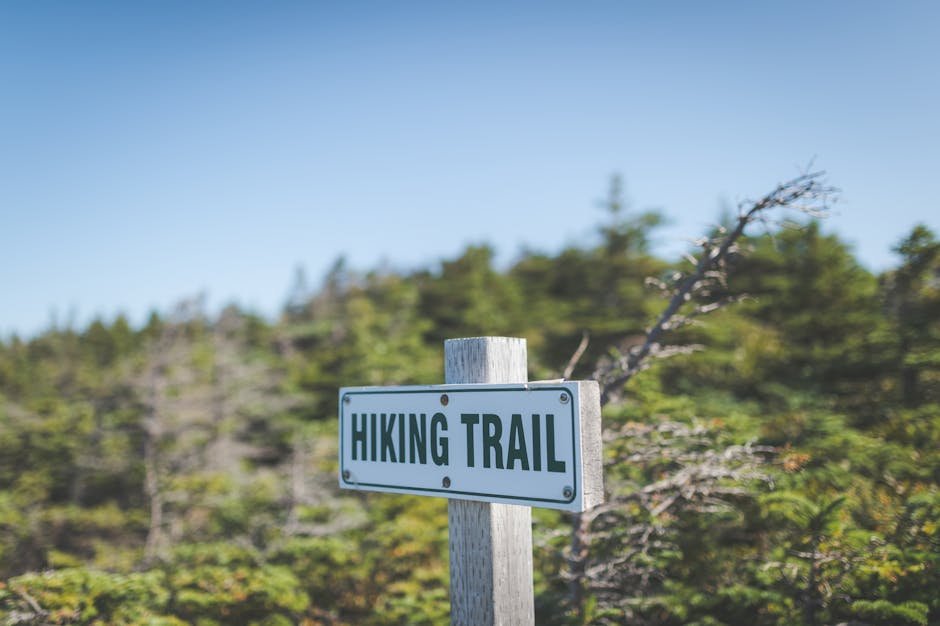
Preparation makes the difference between a pleasant outing and a frustrating one. Start by choosing a trail that matches your fitness level and time availability. Check the trail’s official website or park page for current conditions, closures, and parking info.
Pack light but smart: water, snacks, sun protection, a map, and a fully charged phone. Wear layers—weather can change quickly, even in cities. If you’re hiking with kids or pets, bring extra water and plan for frequent breaks.
Best Time of Day to Hike
Early morning is ideal—cooler temperatures, fewer crowds, and better light for photos. Avoid midday in summer, when trails can become hot and exposed. In spring and fall, mid-morning offers pleasant conditions and active wildlife.
Weekdays are generally less busy than weekends. If you’re near a popular trail, consider going in the late afternoon for a quieter experience and golden-hour scenery.
Making Hiking a Regular Habit
Once you’ve completed a few easy hikes, you’ll likely want to explore more. Gradually increase distance and difficulty as your fitness improves. Join local hiking groups or meetups to connect with others and discover new trails.
Keep a journal of your hikes—note the trail, weather, distance, and how you felt. This helps track progress and identify preferences. Over time, you may find yourself ready for longer treks, mountain summits, or multi-day backpacking trips.
Environmental Responsibility on the Trail
As a hiker, it’s your responsibility to protect natural spaces. Follow the Leave No Trace principles: pack out all trash, stay on trails, and respect wildlife. Don’t pick plants or disturb animals—observe from a distance.
Avoid using single-use plastics. Bring reusable water bottles and containers. If you see litter left by others, consider picking it up (safely) to help keep trails clean for everyone.
FAQ
Q: Do I need special hiking boots for beginner trails?
A: Not necessarily. Sturdy sneakers with good tread are fine for most easy, well-maintained trails. Save hiking boots for rougher terrain or longer hikes where ankle support is needed.
Q: Can I bring my dog on these trails?
A: Many city-adjacent trails allow dogs, but rules vary. Check local regulations—some require leashes, others prohibit dogs altogether. Always clean up after your pet and ensure they’re well-behaved around people and wildlife.
Q: What if I get tired halfway through the hike?
A: It’s okay to turn back. Most beginner trails are out-and-backs or loops, so you can retrace your steps. Listen to your body, take breaks, and don’t push yourself beyond comfort. Hiking is about enjoyment, not endurance.