


Best Places to Visit in Italy
Top Destinations for First-Time Visitors in Italy
Italy is a dream destination for first-time travelers, offering a perfect blend of ancient history, world-class art, stunning landscapes, and unforgettable cuisine. For newcomers, choosing where to go can feel overwhelming. This guide highlights the best places to visit in Italy for first time visitors—cities and regions that deliver iconic experiences without requiring extensive travel planning. From the canals of Venice to the ruins of Rome, these destinations provide a well-rounded introduction to Italy’s rich culture and timeless charm.
Rome: The Eternal City
Rome is the ideal starting point for any first-time trip to Italy. As the country’s capital, it’s well-connected by air, rail, and road, making it easy to reach and explore. The city is a living museum, where ancient ruins stand alongside Renaissance palaces and modern cafes.
Must-See Attractions
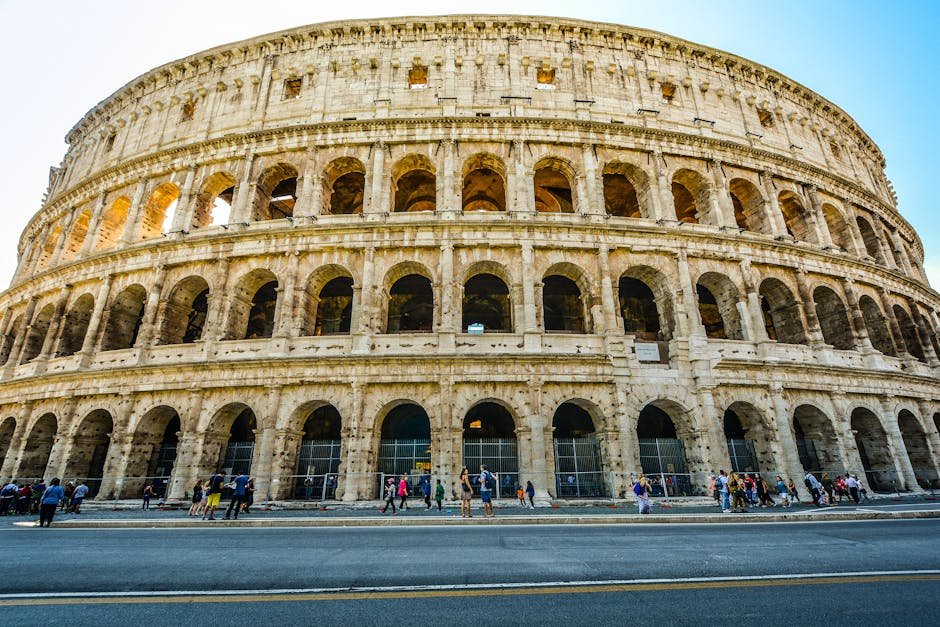
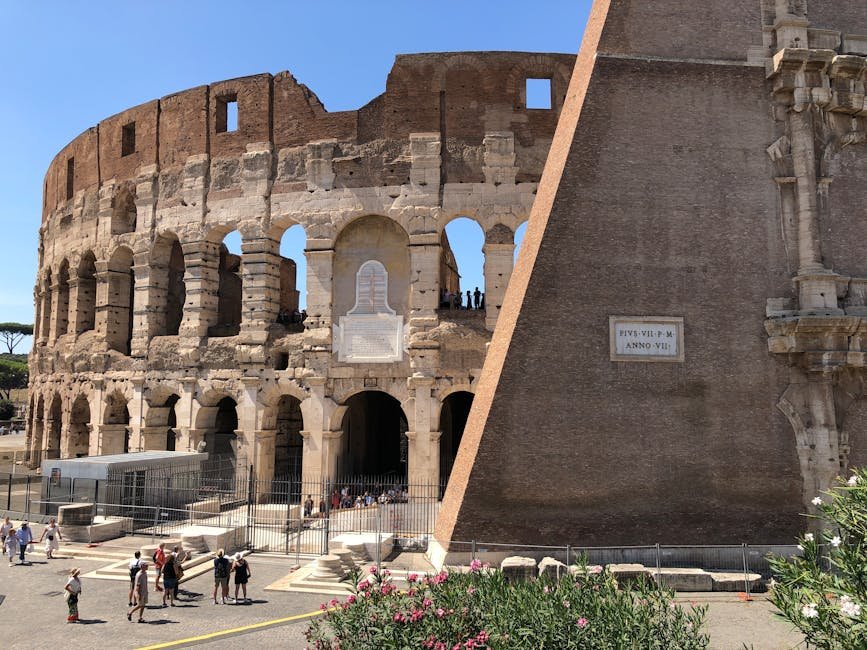
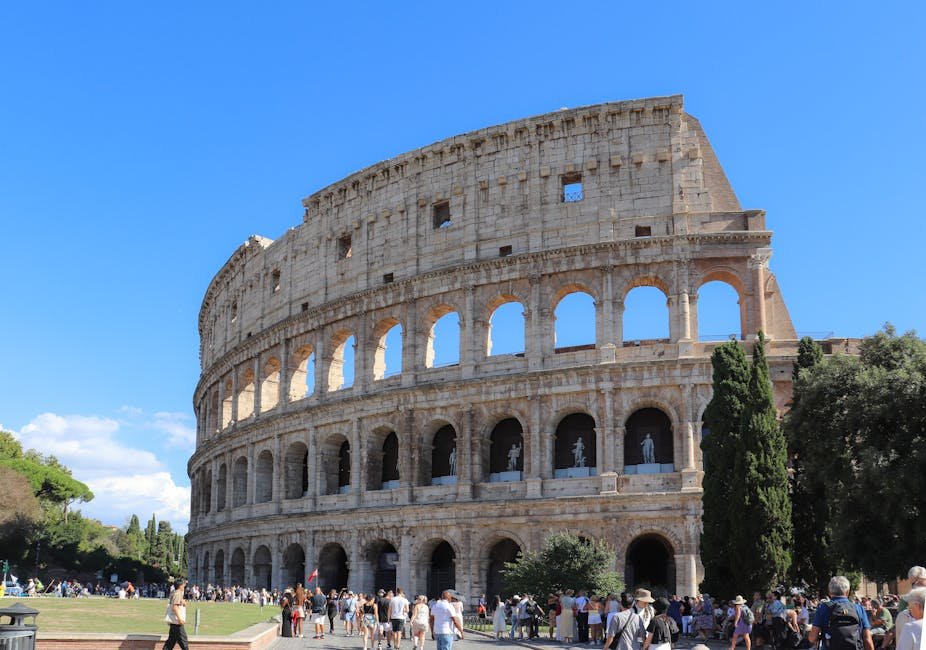
The Colosseum remains Rome’s most iconic landmark. Built over 2,000 years ago, this amphitheater once hosted gladiatorial battles and public spectacles. Booking a guided tour helps you skip long lines and learn about its fascinating history.
The Roman Forum, located just steps from the Colosseum, was the heart of ancient Rome. Walk among the ruins of temples, government buildings, and marketplaces to get a sense of daily life in the Roman Empire.
The Pantheon, with its massive dome and oculus, is one of the best-preserved ancient buildings in the world. It’s free to enter and open most days, making it an easy stop on any itinerary.
Vatican City: A City Within a City
Though technically an independent state, Vatican City is surrounded by Rome and easily accessible on foot. It’s home to St. Peter’s Basilica, the largest church in the world, and the Vatican Museums, which house masterpieces like Michelangelo’s Sistine Chapel ceiling.
Reserve tickets in advance to avoid multi-hour waits, especially during peak seasons. Early morning visits offer quieter access and better lighting for photography.
Neighborhoods to Explore
Trastevere is Rome’s most charming district, with narrow cobblestone streets, ivy-covered buildings, and lively trattorias. It’s perfect for an evening stroll and authentic Roman dining.
The Centro Storico (historic center) includes landmarks like the Trevi Fountain and Piazza Navona. These areas are pedestrian-friendly and ideal for first-time visitors who want to see major sights on foot.
Florence: The Cradle of the Renaissance
Florence, the capital of Italy’s Tuscany region, is a compact city packed with art, architecture, and culture. It’s easily reachable by train from Rome in under 1.5 hours, making it a logical next stop on your itinerary.
Art and Architecture Highlights
The Uffizi Gallery houses one of the world’s finest collections of Renaissance art, including works by Botticelli, Michelangelo, and Leonardo da Vinci. Due to high demand, booking timed-entry tickets online is essential.
The Accademia Gallery is home to Michelangelo’s David, arguably the most famous sculpture in history. The museum is smaller than the Uffizi, but the impact of seeing David in person is unforgettable.
The Florence Cathedral, known as the Duomo, dominates the city’s skyline. Climb the 463 steps to the top of the dome for panoramic views of Florence and the surrounding hills.
Beyond the Museums
Ponte Vecchio, the city’s oldest bridge, is lined with jewelry shops and offers picturesque views of the Arno River. It’s especially beautiful at sunset.
The Boboli Gardens, located behind the Pitti Palace, offer a peaceful escape from the city’s crowds. These formal Italian gardens feature fountains, sculptures, and shaded walking paths.
Day Trips from Florence
Consider a half-day trip to Pisa to see the Leaning Tower. The city is just an hour away by train and makes for a quick, memorable stop.
For wine lovers, a tour of the Chianti region provides tastings at local vineyards and scenic views of rolling hills and cypress trees.
Venice: The Floating City
Venice is unlike any other city in the world. Built on 118 small islands connected by canals and bridges, it offers a unique atmosphere of romance and mystery. First-time visitors are often struck by its beauty and tranquility.
Iconic Experiences
St. Mark’s Square (Piazza San Marco) is Venice’s main public space and home to the Basilica di San Marco and the Campanile di San Marco. Climb the bell tower for sweeping views of the city and the lagoon.
A gondola ride is a classic Venetian experience, though prices can exceed €80 for a 30-minute ride. For a more affordable alternative, try a traghetto—a public gondola that shuts locals across the Grand Canal for just a few euros.
Getting Around
Venice has no cars. Travel is by foot or waterbus (vaporetto). Purchase a multi-day vaporetto pass for unlimited rides and easier navigation.
Avoid the crowds in central areas like San Marco by exploring quieter neighborhoods such as Cannaregio or Dorsoduro. These districts offer authentic local life, charming cafes, and fewer tourists.
What to Eat
Try cicchetti—small plates similar to Spanish tapas—at local bacari (wine bars). Popular options include marinated seafood, crostini with cheese and meat, and fried vegetables.
For dessert, sample a fritola—a traditional Venetian pastry filled with raisins, pine nuts, and candied fruit.
Amalfi Coast: Coastal Beauty and Charm
The Amalfi Coast, stretching along the southern edge of Italy’s Sorrentine Peninsula, is famous for its dramatic cliffs, pastel-colored villages, and turquoise waters. It’s a bit more remote than Rome or Florence but worth the effort for its scenery.
Top Towns to Visit
Positano is the most photographed town on the coast. Its steep streets are lined with boutiques, cafes, and hotels perched above the sea. It’s ideal for a romantic getaway or a relaxing beach day.
Amalfi, the region’s namesake town, has a historic cathedral and a quieter atmosphere than Positano. It’s a good base for exploring nearby attractions.
Ravello sits high above the coast and offers stunning views and a more tranquil setting. It’s known for its music festivals and beautifully landscaped gardens.
Getting There and Around
The nearest major airport is Naples. From there, take a train to Sorrento, then a bus or ferry along the coast. Driving is not recommended due to narrow, winding roads and limited parking.
Ferries connect the main towns and are often faster and more scenic than buses. Check schedules in advance, as service can be limited in off-season months.
Best Time to Visit
Late spring (May–June) and early fall (September–October) offer pleasant weather, fewer crowds, and lower prices. Summer brings heat and large tourist groups, especially in July and August.
Milan: Fashion and Modern Italy
Milan is often overlooked by first-time visitors in favor of more historic cities, but it offers a different side of Italy—one focused on design, fashion, and innovation. It’s also a major transportation hub, making it a convenient entry or exit point.
Key Sights
The Duomo di Milano is one of the world’s largest Gothic cathedrals. Climb to the rooftop for close-up views of the spires and cityscape. Purchase skip-the-line tickets to save time.
The Galleria Vittorio Emanuele II, adjacent to the Duomo, is a luxurious shopping arcade with high-end boutiques and historic cafes. It’s a great place to people-watch and enjoy a coffee.
The Last Supper, painted by Leonardo da Vinci, is housed in the Convent of Santa Maria delle Grazie. Reservations are required and often sell out months in advance.
Day Trips from Milan
Lake Como, about an hour north of Milan, is a serene retreat with elegant villas and mountain views. Towns like Bellagio and Varenna are easily accessible by train and boat.
Verona, made famous by Shakespeare’s Romeo and Juliet, is a charming city with a Roman arena, medieval streets, and a romantic atmosphere. It’s a two-hour train ride from Milan.
Naples and Pompeii: History and Flavor
Naples is a vibrant, chaotic city with a rich culinary tradition and access to ancient ruins. While it may not have the polished charm of Florence or Venice, it offers authenticity and energy that many travelers appreciate.
Naples Highlights
The Naples National Archaeological Museum holds artifacts from Pompeii and Herculaneum, including mosaics, frescoes, and household items preserved by the eruption of Mount Vesuvius.
Try authentic Neapolitan pizza at a historic pizzeria like L’Antica Pizzeria da Michele or Sorbillo. Look for the VPN (Verace Pizza Napoletana) certification to ensure quality.
Pompeii: A Glimpse into Ancient Life
Pompeii, located just 30 minutes from Naples by train, is one of the most important archaeological sites in the world. The city was buried under volcanic ash in 79 AD and remarkably preserved.
Wear comfortable shoes and bring water, as the site is large and exposed. A guided tour helps bring the ruins to life with stories of daily life, commerce, and tragedy.
Consider combining Pompeii with a visit to Mount Vesuvius. Hiking to the crater offers panoramic views and a sense of the volcano’s power.
Sicily: Island Culture and Diversity
Sicily, Italy’s largest island, offers a distinct cultural experience with Greek temples, Arab-influenced architecture, and a unique cuisine. It’s best visited with a rental car or guided tour due to its size.
Top Destinations
Palermo, the island’s capital, is known for its bustling markets, Norman palaces, and street food. Try arancini (fried rice balls) and panelle (chickpea fritters) at local vendors.
Catania, located at the foot of Mount Etna, combines Baroque architecture with a lively port atmosphere. The fish market near the cathedral is a must-see.
Taormina is a hilltop town with stunning views of the sea and Mount Etna. The ancient Greek theater hosts concerts and offers one of the most scenic backdrops in Italy.
Travel Tips
Flights from mainland Italy take about 1.5 hours. Ferries are also available from Naples and Palermo. Book accommodations in advance during summer.
Learn a few basic Italian phrases. While many locals speak English in tourist areas, effort is appreciated and can enhance your experience.
Planning Your First Trip to Italy
With so many incredible destinations, planning your first trip to Italy can feel daunting. Focus on 3–4 locations to avoid spending too much time traveling between cities.
Suggested Itineraries
For a 7-day trip: Start in Rome (3 days), take a train to Florence (2 days), then end in Venice (2 days). This route covers history, art, and romance with minimal backtracking.
For a 10-day trip: Add the Amalfi Coast or a day trip to Pompeii. Alternatively, include Milan and Lake Como for a mix of urban and natural beauty.
Transportation Tips
Trains are the most efficient way to travel between major cities. Trenitalia and Italo offer high-speed options with advance booking discounts. Validate regional train tickets before boarding to avoid fines.
Renting a car is useful in rural areas like Tuscany or Sicily but unnecessary—and often stressful—in cities like Rome or Venice, where traffic and parking are challenging.
Accommodation Advice
Book centrally located hotels or apartments to minimize travel time. In historic centers, expect narrow streets and limited elevator access. Check reviews for noise levels, especially in nightlife districts.
Consider staying in agriturismi (farm stays) in the countryside for a peaceful retreat and home-cooked meals.
Packing Essentials
Comfortable walking shoes are a must. Many Italian cities have cobblestone streets and involve a lot of walking.
Bring a reusable water bottle. Italy has excellent public fountains with drinkable water, especially in cities like Rome and Florence.
Pack modest clothing for visiting churches. Shoulders and knees should be covered to enter most religious sites.
Final Thoughts
Italy’s best places to visit for first time visitors offer a mix of history, culture, food, and natural beauty. Whether you’re marveling at ancient ruins, sipping espresso in a piazza, or sailing along a sun-drenched coast, your first trip will leave a lasting impression. Prioritize quality over quantity—choose a few key destinations, immerse yourself in the local rhythm, and allow room for spontaneous discoveries. With thoughtful planning and an open mind, your Italian adventure will be both enriching and unforgettable.
FAQ
What is the best time of year to visit Italy for first-time travelers?
The ideal times are late spring (April–June) and early fall (September–October). During these months, the weather is pleasant, crowds are smaller than in summer, and prices are more reasonable. Avoid August if possible, as many locals go on vacation and some businesses close.
Do I need to speak Italian to travel in Italy?
While not required, knowing basic phrases like “grazie” (thank you), “per favore” (please), and “dov’è il bagno?” (where is the bathroom?) goes a long way. In tourist areas, many people speak English, but effort is appreciated and can lead to warmer interactions.
Is Italy safe for solo travelers?
Yes, Italy is generally safe for solo travelers, including women. As in any destination, stay aware of your surroundings, avoid poorly lit areas at night, and keep valuables secure. Petty theft, such as pickpocketing, can occur in crowded tourist spots—keep bags zipped and phones out of sight.