

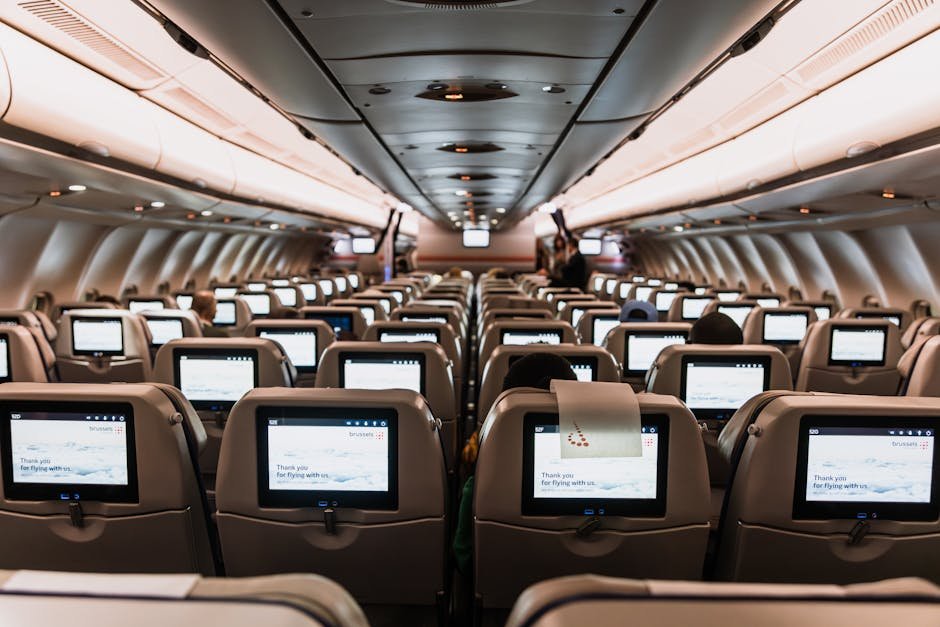
Travel Tips for Long Flights
How to Stay Comfortable on Long Flights
Long flights can be exhausting, but with the right preparation, you can arrive at your destination feeling refreshed. This guide covers practical strategies to improve comfort, reduce fatigue, and maintain well-being during extended air travel. From smart packing choices to in-flight routines, these tips are designed to help you stay relaxed from takeoff to landing.
Plan Ahead for a Smoother Journey
Preparation is key to minimizing stress during long-haul flights. Start by booking a seat that suits your needs—whether it’s a window for leaning, an aisle for easy movement, or extra legroom for stretching. Use airline seat maps to avoid middle seats or proximity to lavatories and galley areas, which can be noisy and high-traffic.
Check in online as early as possible to secure your preferred seat and avoid last-minute surprises. Download your boarding pass to your phone and review gate information the day before departure. Arriving at the airport with time to spare reduces anxiety and gives you space to move comfortably before boarding.
Pack Smart for Comfort
Your carry-on should prioritize comfort and accessibility. Include a neck pillow, noise-canceling headphones, an eye mask, and a light blanket or scarf. These items help create a personal cocoon, especially on overnight flights.
Pack a change of clothes in your carry-on, including socks and a comfortable top. Swelling in the feet and legs is common during long flights, so wearing loose, breathable clothing and changing into fresh clothes mid-flight can make a big difference. Roll clothes instead of folding to save space and reduce wrinkles.
Dress for Airplane Comfort
What you wear matters more than you think. Opt for soft, stretchy fabrics like cotton or moisture-wicking blends. Avoid tight jeans or restrictive waistbands that can hinder circulation.
Layer your clothing to adapt to changing cabin temperatures. Airplanes often fluctuate between warm and cold, so a light sweater or cardigan you can easily remove is ideal. Wear slip-on shoes to make security checks and in-flight movement easier. Compression socks are also highly recommended to promote blood flow and reduce the risk of deep vein thrombosis (DVT).
Footwear That Works
Choose shoes that are easy to take off and put back on. Many travelers wear bulky boots or sneakers to the airport and switch to soft slippers or socks once seated. Bring a pair of clean, non-slip socks in your carry-on to wear during the flight.
Avoid going barefoot, even if it feels tempting. Cabin floors can be dirty, and cabin pressure changes may cause feet to swell, making it harder to fit back into tight shoes.
Stay Hydrated and Eat Wisely
Airplane cabins have low humidity, which can lead to dehydration. Drink water regularly throughout the flight—aim for at least 8 ounces every hour. Bring an empty reusable water bottle and fill it after passing through security.
Avoid excessive caffeine and alcohol, both of which can dehydrate you and disrupt sleep. Instead, opt for herbal teas or electrolyte-enhanced drinks. If the airline offers water, don’t hesitate to ask for refills.
Smart Snacking

Pack healthy snacks like nuts, dried fruit, granola bars, or whole-grain crackers. Airline meals can be heavy and salty, which may worsen bloating. Eating small, balanced meals helps maintain energy without causing discomfort.
Avoid gas-producing foods like beans, carbonated drinks, or cruciferous vegetables before and during the flight. These can lead to bloating and discomfort due to cabin pressure changes.
Move and Stretch Regularly
Sitting for hours increases the risk of blood clots and stiffness. Stand up and walk the aisle every hour if possible. Even simple stretches at your seat can help—ankle circles, shoulder rolls, and neck tilts improve circulation.
Try seated exercises like lifting your knees gently or flexing your feet. If you’re in an exit row or have extra legroom, do seated forward bends to stretch your back. These small movements reduce muscle tension and keep your body alert.
In-Flight Stretching Routine
Here’s a quick routine you can do every 60–90 minutes:
- Ankle circles: Rotate each ankle 10 times in each direction.
- Knee lifts: Gently lift one knee toward your chest, hold for 5 seconds, then switch.
- Shoulder rolls: Roll shoulders backward and forward 10 times each.
- Spinal twist: While seated, gently twist your torso to one side, hold for 10 seconds, then switch.
These exercises take less than two minutes and can significantly improve comfort.
Optimize Your Sleep Environment
If you’re on a red-eye or overnight flight, creating a sleep-friendly setup is essential. Use a U-shaped neck pillow to support your head and prevent it from slumping forward. An eye mask blocks cabin lights, while noise-canceling headphones or earplugs minimize engine noise and chatter.
Adjust the air vent above your seat to direct airflow away from your face—this helps regulate temperature and prevents dry eyes. If the cabin is bright, ask a flight attendant to dim the lights in your section or use the window shade to block sunlight.
Sleep Aids and Timing
Avoid relying on sleeping pills unless prescribed by a doctor. They can leave you groggy and increase the risk of DVT due to prolonged immobility. Instead, try natural methods like listening to calming music or using a meditation app.
Time your sleep to match your destination’s time zone. If you’re flying east, try to stay awake until local bedtime. If flying west, sleep during the flight to adjust gradually. This helps reduce jet lag upon arrival.
Entertainment and Mental Engagement

Bring a mix of entertainment to stay engaged without overstimulating yourself. Download movies, TV shows, podcasts, or audiobooks to your device before the flight. Choose content that’s enjoyable but not too intense—action movies or stressful dramas can increase anxiety.
Reading is a great way to pass time, but avoid small print in low light, which can strain your eyes. E-readers with adjustable brightness are ideal. Bring a physical book or magazine as a backup in case your device runs out of battery.
Digital Detox Option
Consider unplugging for part of the flight. Use the time to journal, sketch, or simply reflect. Disconnecting from screens can improve mental clarity and help you feel more present. If you’re traveling for work, use this time to organize notes or plan your itinerary.
Manage Jet Lag Proactively
Jet lag occurs when your internal clock is out of sync with your destination’s time. To minimize its effects, start adjusting your sleep schedule a few days before departure. Shift your bedtime and wake time by an hour each day to gradually align with your destination.
Once on the flight, set your watch to the local time at your destination. Eat meals and sleep according to that schedule, even if it feels odd. Exposure to natural light upon arrival also helps reset your circadian rhythm.
Light Exposure Tips
Light is the strongest cue for your body clock. If you arrive in the morning, spend time outside in daylight. If it’s evening, avoid bright screens and dim indoor lights to signal bedtime. Some travelers use light therapy glasses or apps to simulate sunrise or sunset, aiding adjustment.
Personal Hygiene and Freshness
Staying fresh during a long flight boosts morale. Pack travel-sized toiletries: toothbrush and toothpaste, facial wipes, deodorant, and lip balm. Use a hydrating facial mist to combat dry cabin air.
Change your clothes midway if possible, especially socks and undergarments. A quick refresh in the lavatory with a damp cloth can make you feel more alert. Avoid strong perfumes or colognes, as they may bother nearby passengers.
Lavatory Etiquette
Use the restroom during quieter times, such as after meals or when the seatbelt sign is off. Wipe down surfaces before use and wash your hands thoroughly. Keep your carry-on close and avoid placing personal items on the floor.
Stay Connected and Informed
Download your airline’s app to receive real-time updates on delays, gate changes, or baggage information. Enable notifications so you don’t miss important announcements. Some apps also allow you to order food or request assistance from your seat.

If you’re traveling internationally, check visa requirements, customs forms, and local health guidelines. Have digital and printed copies of your passport, boarding pass, and travel insurance. Store them in a secure, easily accessible place.
Special Considerations for Families and Seniors
Families with young children should bring snacks, toys, and extra clothes. Request bassinets in advance for infants and choose seats near the front for easier access to lavatories. Let kids move around when safe to prevent restlessness.
Older travelers may benefit from aisle seats for easier mobility and access to restrooms. Bring medications in your carry-on and keep them labeled. Inform the flight crew of any medical conditions in case of emergencies.
Pregnancy and Medical Needs
Pregnant travelers should consult their doctor before flying, especially in the third trimester. Wear compression stockings and move frequently to reduce swelling. Stay hydrated and avoid crossing legs for long periods.
Passengers with medical conditions should carry a doctor’s note for medications or devices like CPAP machines. Notify the airline in advance if you require special assistance, such as wheelchair service or oxygen.
Final Tips for a Calm Experience
Keep your mindset positive. Delays and discomforts happen, but how you respond makes a difference. Practice deep breathing if you feel anxious—inhale for four counts, hold for four, exhale for four. This simple technique can calm your nervous system.
Be kind to flight attendants and fellow passengers. A polite request or small gesture can improve the atmosphere for everyone. Remember, most people are just trying to get to their destination comfortably, just like you.
FAQ
How can I prevent swollen feet on a long flight?
Wear compression socks, avoid tight shoes, and move your ankles and legs regularly. Elevate your feet when possible and stay hydrated to support circulation.
What should I eat before a long flight?
Choose light, balanced meals with lean protein, whole grains, and vegetables. Avoid salty, fatty, or gas-producing foods that can cause bloating or discomfort during the flight.
Is it safe to sleep on a plane?
Yes, sleeping on a plane is safe for most people. Use a neck pillow and eye mask for support. Avoid sleeping pills unless prescribed, and try to align your sleep with your destination’s time zone to reduce jet lag.
Related keywords: Travel Tips for Long Flights Stay Comfortable and Relaxed.