

Best Cities to Visit in Europe for Food Lovers
Best Cities to Visit in Europe for Food Lovers
Europe is a dream destination for food lovers, offering a rich tapestry of culinary traditions, regional specialties, and world-class dining experiences. Exploring European cities for food lovers reveals important insights. From bustling markets to Michelin-starred restaurants, the continent’s cities serve up unforgettable flavors rooted in centuries of culture and craft. Whether you’re craving handmade pasta in Rome, fresh seafood in Lisbon, or smoky sausages in Prague, Europe delivers. This guide highlights the best cities to visit in Europe for food lovers, spotlighting standout dishes, must-try eateries, and local food scenes that go beyond the typical tourist fare.
Why Europe Stands Out for Food Travel
Europe’s culinary landscape is as diverse as its languages and landscapes. Each country—and often each region—boasts its own distinct ingredients, techniques, and food customs. Unlike many global destinations where food tourism centers on a few iconic dishes, Europe offers depth and variety at every turn.
The continent benefits from strong agricultural traditions, seasonal eating, and a deep respect for food provenance. Farmers’ markets thrive in nearly every city, and local chefs frequently collaborate with nearby producers. This farm-to-table mindset ensures fresh, high-quality ingredients form the foundation of every meal.
Additionally, Europe’s compact geography makes it easy to travel between cities, allowing food lovers to sample multiple cuisines in a single trip. A week-long journey could include tapas in Barcelona, cheese in Amsterdam, and pastries in Vienna—all without crossing oceans.
Top European Cities for Food Enthusiasts
1. Rome, Italy – The Heart of Italian Cuisine
Rome is a cornerstone of European gastronomy, offering an authentic taste of Italy beyond the tourist clichés. While pizza and gelato are everywhere, the real magic lies in neighborhood trattorias and family-run osterias serving cacio e pepe, carbonara, and saltimbocca.
The Testaccio district is a food lover’s haven, home to Mercato Testaccio—a bustling market where locals shop for fresh produce, cured meats, and artisanal cheeses. Don’t miss Trapizzino, a Roman street food staple: a triangular pocket of pizza dough filled with slow-cooked meats or stews.
For a refined experience, book a table at Roscioli, a celebrated restaurant and deli known for its exceptional wine list and house-made pastas. Reservations are essential, especially for dinner.
2. Barcelona, Spain – A Tapas Paradise
Barcelona’s food scene blends Catalan traditions with modern innovation. The city is synonymous with tapas—small plates designed for sharing—and no visit is complete without sampling patatas bravas, jamón ibérico, and pan con tomate.
La Boqueria, located just off Las Ramblas, is one of Europe’s most famous markets. While it draws crowds, early morning visits offer a more authentic experience. Look for stalls selling fresh seafood, Iberian ham, and seasonal fruits.
For a deeper dive, explore the Gràcia neighborhood, where cozy bodegas serve inventive small plates. Tickets, a Michelin-starred tapas bar by Albert Adrià, offers a playful, high-end take on Spanish classics—though booking months in advance is recommended.
3. Lisbon, Portugal – Seafood and Soul
Lisbon’s coastal location ensures some of the freshest seafood in Europe. Grilled sardines, bacalhau (salted cod), and cataplana (a seafood stew) are staples, often enjoyed in Alfama’s narrow alleyways or along the Tagus River.</p
Time your visit for the Santo António festival in June, when the city erupts in street parties and grilled sardine feasts. Even outside festival season, local tascas (small restaurants) serve generous portions at reasonable prices.
Don’t skip pastéis de nata—custard tarts with flaky pastry shells. The most famous come from Pastéis de Belém, but smaller bakeries like Manteigaria offer equally delicious versions with shorter lines.
4. Paris, France – The Global Capital of Gastronomy
Paris needs no introduction as a food destination, but its reputation is well-earned. From buttery croissants to rich coq au vin, the city embodies French culinary excellence.
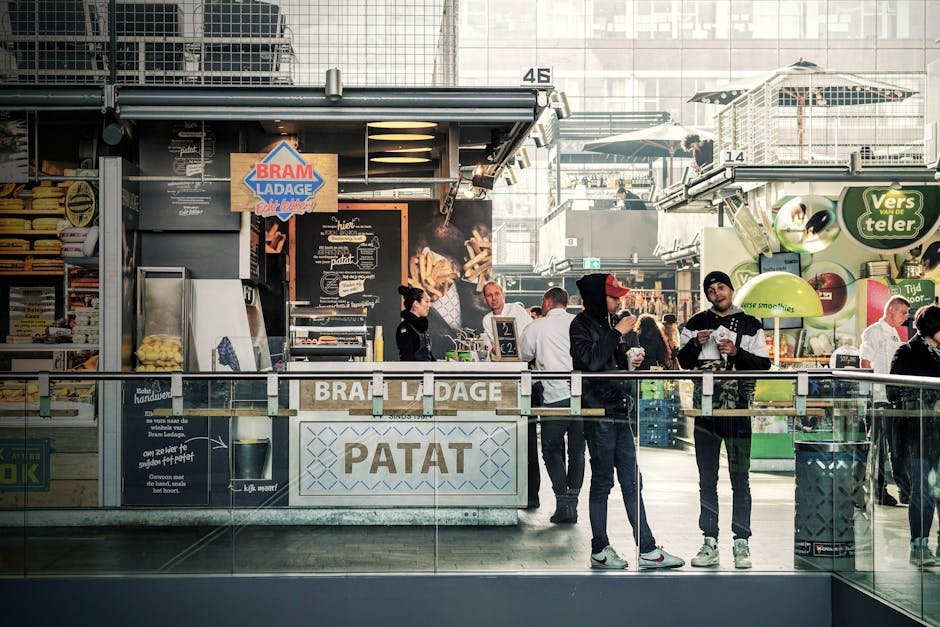
While fine dining at institutions like Le Comptoir du Relais is a must, Paris also excels in casual fare. Try a jambon-beurre (ham and butter sandwich) from a local boulangerie, or savor a bowl of onion soup at a traditional bistro.
Markets like Marché des Enfants Rouges and Marché d’Aligre offer a mix of fresh produce, prepared foods, and international flavors. For cheese lovers, a visit to a fromagerie is non-negotiable—sample aged Comté, creamy Brie, or pungent Époisses.
5. Istanbul, Turkey – Where East Meets West
Though geographically straddling Europe and Asia, Istanbul’s European side offers a vibrant food culture shaped by centuries of trade and migration. Street food reigns supreme here, with simit (sesame-crusted bread rings), döner kebab, and balık ekmek (fish sandwiches) sold from boats along the Bosphorus.
The Grand Bazaar and Spice Bazaar are sensory overloads, filled with dried fruits, Turkish delight, and aromatic spices. For a sit-down meal, try Karaköy Lokantası, which blends Ottoman recipes with contemporary presentation.
Breakfast is a highlight: menemen (scrambled eggs with tomatoes and peppers), olives, honey, and fresh bread are served in nearly every neighborhood café.
6. Berlin, Germany – A Modern Food Hub
Berlin’s food scene reflects its dynamic, multicultural identity. While currywurst and döner kebab are iconic street foods, the city has evolved into a hotspot for creative dining and sustainable eating.
Markthalle Neun hosts a popular street food market every Thursday, featuring vendors from around the world. Vegan and vegetarian options are abundant, thanks to Berlin’s progressive food culture.
For traditional German fare, visit a beer hall like Prater Garten, Berlin’s oldest beer garden, or try schnitzel and sauerbraten at a family-run restaurant in Charlottenburg.
7. Amsterdam, Netherlands – Beyond Stroopwafels
Amsterdam’s food reputation often centers on stroopwafels and cheese, but the city offers much more. Indonesian rijsttafel, a legacy of Dutch colonial history, is a must-try—dishes like rendang, satay, and nasi goreng are served in generous portions.
The Albert Cuyp Market in the De Pijp neighborhood is the best place to sample Dutch street food, including kibbeling (fried fish bites) and poffertjes (mini pancakes).
For a fine dining experience, De Kas serves seasonal dishes in a greenhouse setting, using ingredients grown on-site. Reservations are highly competitive.
8. Prague, Czech Republic – Hearty and Honest
Prague’s cuisine is comforting and unpretentious, centered on slow-cooked meats, dumplings, and rich sauces. Goulash, svíčková (marinated beef with cream sauce), and trdelník (a sweet pastry) are local favorites.
Traditional pubs, or hospody, are the heart of Prague’s food culture. Try U Modré Kachničky for duck dishes or Lokál for modern takes on Czech classics in a lively setting.
Beer is almost a food group here—Czechs consume more per capita than any other nation. Exploring European cities for food lovers reveals important insights. Pair your meal with a pint of Pilsner Urquell or a local craft brew.
9. Athens, Greece – Mediterranean Magic
Athens brings the Mediterranean diet to life with olive oil, fresh vegetables, grilled meats, and seafood. Meze—small共享 plates—are perfect for sampling a variety of flavors.
Monastiraki and Psiri neighborhoods are packed with tavernas serving spanakopita, tzatziki, and grilled octopus. For a rooftop view, head to 360 Cocktail Bar, where the food menu complements the skyline.
Don’t leave without trying loukoumades—Greek doughnuts drizzled with honey and sprinkled with cinnamon. Street vendors near the Acropolis sell them fresh and warm.
10. Vienna, Austria – Elegance on a Plate
Vienna’s food culture blends imperial elegance with homely comfort. The city is famous for Wiener schnitzel, Sachertorte, and Apfelstrudel, often enjoyed in grand coffeehouses like Café Central or Demel.
Naschmarkt offers a mix of local produce, international foods, and prepared dishes. Visit on a Saturday for the farmers’ market section, where regional cheeses, sausages, and breads are sold.
For a modern twist, try Konstantin Filippou, a Michelin-starred restaurant that reimagines Austrian cuisine with precision and artistry.
How to Make the Most of Your Food-Focused Trip
Plan Around Local Food Events
Many European cities host food festivals that align with seasonal harvests or cultural celebrations. For example, Turin’s Slow Food Festival in September showcases sustainable agriculture, while San Sebastian’s Tamborrada in January features Basque cuisine.
Check city tourism websites or local event calendars before your trip. Attending a festival can deepen your understanding of regional food traditions and offer access to rare dishes.
Take a Cooking Class
Hands-on experiences add lasting value to your trip. Cities like Florence, Barcelona, and Lisbon offer cooking classes where you’ll learn to make pasta, paella, or pastéis de nata from local chefs.
Classes often include market tours, giving insight into ingredient selection and seasonal availability. Many provide recipe books so you can recreate dishes at home.
Eat Where the Locals Eat
Avoid restaurants with menus in multiple languages or those located directly on major tourist squares. Instead, seek out places filled with locals, especially during lunch hours.
Ask your hotel concierge or use apps like TheFork or Yelp (filtered for local reviews) to find authentic spots. A packed lunch counter or a quiet corner bistro often serves the best food.
Respect Local Dining Customs
Dining etiquette varies across Europe. In Italy, cappuccino is typically consumed only in the morning. In Spain, dinner rarely starts before 8:30 PM. In France, bread is placed directly on the table, not on a plate.
Observing these norms shows respect and enhances your experience. When in doubt, watch how locals behave and follow their lead.
Practical Tips for Food Travelers
Budget Wisely
Fine dining can be expensive, but many cities offer affordable alternatives. Lunch menus (menú del día in Spain, formule in France) often include multiple courses at a fraction of dinner prices.
Street food and market snacks provide delicious, budget-friendly options. A €3 croissant in Paris or a €2 kebab in Berlin can be more satisfying than a costly restaurant meal.
Stay Hydrated and Balanced
With so many rich dishes, it’s easy to overindulge. Drink plenty of water, especially if consuming alcohol or salty foods like cheese and cured meats.
Balance heavy meals with lighter options—opt for grilled fish, salads, or vegetable-based dishes when available. Many cities also have excellent fresh juice bars and smoothie shops.
Be Mindful of Dietary Restrictions
Most European cities are accommodating to dietary needs, but communication is key. Learn a few key phrases in the local language, such as “I am vegetarian” or “Does this contain gluten?”
Vegan and gluten-free options are increasingly common, especially in larger cities. Apps like HappyCow can help locate suitable restaurants.
Final Thoughts
Europe’s cities offer more than just sightseeing—they’re gateways to some of the world’s most celebrated cuisines. Whether you’re wandering through a Roman market, sharing tapas in Barcelona, or sipping coffee in a Viennese café, food becomes a lens through which to experience culture, history, and community.
The best cities to visit in Europe for food lovers are those that invite exploration, reward curiosity, and celebrate the joy of eating well. With thoughtful planning and an open mind, your culinary journey can be as rich and varied as the continent itself.
FAQ
What is the best time of year to visit Europe for food lovers?
Spring (April–June) and fall (September–October) are ideal. Weather is pleasant, crowds are smaller, and seasonal ingredients like asparagus, truffles, and fresh seafood are at their peak.
Are food tours worth it in European cities?
Yes, especially for first-time visitors. Guided food tours provide access to hidden gems, cultural context, and tastings you might not find on your own. Look for small-group tours led by local guides.
How can I avoid tourist traps when dining out?
Avoid restaurants with photos of food on the window or staff standing outside inviting passersby. Instead, choose places with local clientele, limited menus, and no English translations prominently displayed.