


Top Mountain Hiking Destinations for Beginners Guide
Top Mountain Hiking Destinations for Beginners Guide
Mountain hiking offers breathtaking views, fresh air, and a sense of accomplishment—even for those just starting out. Exploring mountain hiking for beginners reveals important insights. If you’re new to hiking, choosing the right trail is key to building confidence and enjoying the experience. This guide highlights the top mountain hiking destinations perfect for beginners, with well-marked paths, manageable elevation gains, and stunning scenery. Whether you’re looking for a gentle forest walk or a scenic summit with minimal effort, these trails deliver adventure without overwhelming first-timers.
Why Beginners Should Start with Mountain Hikes
Mountain trails often provide clear routes, established infrastructure, and predictable weather patterns compared to remote wilderness areas. They’re ideal for learning basic navigation, pacing, and gear use. Many beginner-friendly mountain hikes include rest stops, signage, and nearby facilities—making them safer and more accessible than backcountry routes.
Starting on mountains also builds endurance gradually. Unlike flatland trails, mountain hikes naturally incorporate elevation changes that improve cardiovascular fitness and leg strength over time. The payoff? Panoramic vistas that make every step worth it.
Benefits of Mountain Hiking for Newcomers
- Improved fitness: Gradual inclines build stamina and muscle tone.
- Mental clarity: Nature immersion reduces stress and boosts mood.
- Skill development: Learn map reading, pacing, and weather awareness in real time.
- Accessible adventure: Many trails are near towns, with parking, restrooms, and emergency access.
Essential Tips for Beginner Mountain Hikers
Before hitting the trail, preparation is crucial. Start with proper footwear—sturdy hiking shoes with ankle support prevent slips and blisters. Wear moisture-wicking layers and bring a light rain jacket, even on sunny days. Weather in the mountains can shift quickly.
Pack essentials: water (at least 2 liters), snacks like nuts or energy bars, a basic first-aid kit, a map or GPS device, and a fully charged phone. Always check trail conditions and weather forecasts before departing. Let someone know your planned route and return time.
What to Avoid as a Beginner
- Overestimating ability: Choose trails rated “easy” or “moderate” by local guides.
- Ignoring altitude: Even modest elevations can cause fatigue or headaches. Acclimate slowly.
- Skipping breaks: Rest every 30–45 minutes to hydrate and assess how you feel.
- Wearing cotton: It retains moisture and increases risk of hypothermia if temperatures drop.
Top 7 Mountain Hiking Destinations for Beginners
1. Mount Tamalpais, California
Just north of San Francisco, Mount Tamalpais offers gentle trails with sweeping views of the Bay Area. The Matt Davis-Steep Ravine-Dipsea Loop is a favorite among new hikers—just 7 miles round-trip with moderate elevation gain.
Trails are well-maintained and shaded by redwoods, providing relief on warm days. Park at the Pantoll Ranger Station for easy access. Wildlife sightings—like deer and banana slugs—add charm without danger.
2. Mount Greylock, Massachusetts
As Massachusetts’ highest peak, Mount Greylock might sound intimidating—but its network of beginner trails makes it accessible. The Hopper Trail starts at a high elevation, so hikers descend rather than climb, reducing strain.
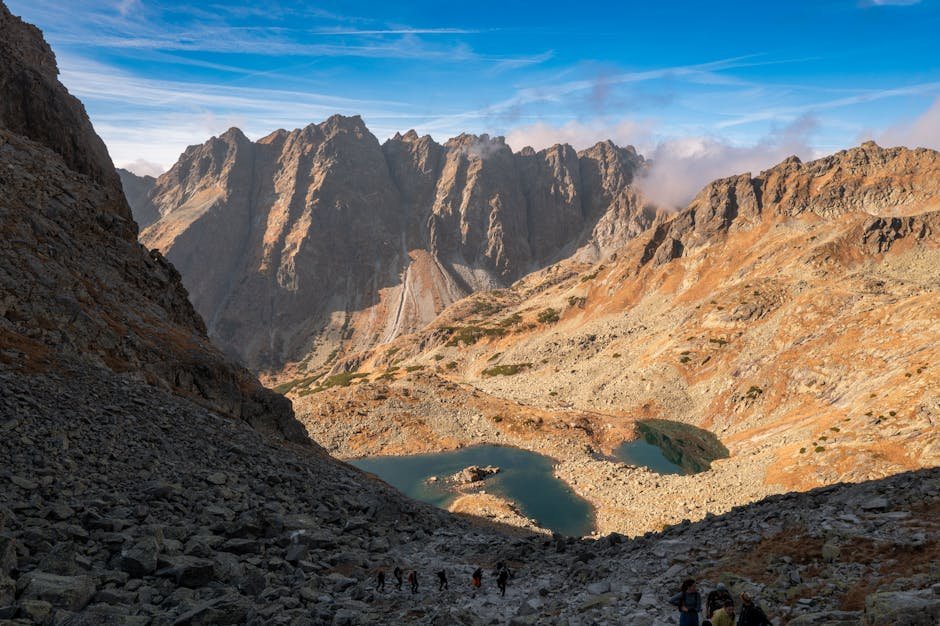
At the summit, the 93-foot Basilicas Tower offers 360-degree views. Facilities include a visitor center and restrooms. Best visited in late spring through early fall when roads and trails are clear.
3. Pikes Peak, Colorado (via Barr Trail – Lower Section)
While the full Barr Trail to the summit is challenging, beginners can enjoy the lower 2–3 miles. This section gains about 1,000 feet and ends at the Cog Railway depot, where you can take a train back down.
The trail is rocky but wide, with clear signage. Avoid attempting the full 13-mile ascent without training. Altitude sickness is a real risk above 10,000 feet—start slow and listen to your body.
4. Mount Washington, New Hampshire (Tuckerman Ravine Trail – Out and Back)
Don’t let the mountain’s notorious weather fool you—the lower section of the Tuckerman Ravine Trail is perfect for novices. Hike 1.5 miles to the glacial bowl for dramatic views of the ravine and surrounding peaks.
Stay below the tree line to avoid sudden storms. The trailhead is easily reached from Pinkham Notch Visitor Center, which offers maps, restrooms, and ranger advice.
5. Mount Rainier National Park, Washington (Nisqually Vista Trail)
This 1.2-mile loop near Paradise is flat, paved in sections, and wheelchair-accessible in parts. It circles alpine meadows with views of Mount Rainier’s glaciers and wildflower blooms in July and August.
Ideal for families and first-time hikers, the trail connects to longer routes if you want to extend your adventure. Arrive early—parking fills quickly during peak season.
6. Blue Ridge Parkway, Virginia & North Carolina (Various Short Trails)
The Blue Ridge Parkway spans 469 miles and offers dozens of short, scenic hikes. Try the Crabtree Falls Trail in Virginia—a 2.5-mile loop with a 1,000-foot descent into a waterfall gorge.
Trails are well-marked and maintained by the National Park Service. Exploring mountain hiking for beginners reveals important insights. Elevation changes are gradual, and many trailheads have picnic areas and restrooms. Fall foliage makes October a prime time to visit.
7. Mount Bachelor, Oregon (Summit Trail – Lower Approach)
While the full summit hike is strenuous, the first 1.5 miles from the base area offer gentle slopes through pine forests with views of Central Oregon. It’s a great way to acclimate and enjoy mountain air without overexertion.
The trail is accessible year-round, though snow may require microspikes in winter. Combine your hike with a visit to the nearby Cascade Lakes Scenic Byway for a full day outdoors.
How to Choose the Right Beginner Mountain Trail
Not all “easy” trails are created equal. Consider distance, elevation gain, terrain, and your fitness level. A 3-mile hike with 1,500 feet of climbing may feel harder than a 5-mile flat trail.
Use resources like AllTrails, Hiking Project, or local park websites to filter by difficulty, read recent reviews, and view photos. Look for keywords like “well-maintained,” “shaded,” “family-friendly,” or “low elevation gain.”
Trail Selection Checklist
- Distance under 5 miles round-trip
- Elevation gain less than 1,000 feet
- Clear signage and marked path
- Accessible trailhead with parking
- Available restrooms or facilities
- Positive recent hiker reviews
Safety First: Mountain Hiking Precautions
Even on easy trails, mountain environments pose unique risks. Hypothermia can occur in temperatures above freezing if you’re wet and windy. Always carry a lightweight emergency blanket and know the signs of altitude sickness: headache, nausea, dizziness.
Stay on marked trails to avoid getting lost. Cell service is often spotty—download offline maps or carry a paper backup. If you feel unwell, turn back. It’s better to hike another day than risk injury.
When to Turn Back
- You’re consistently hiking slower than planned
- Weather deteriorates (fog, rain, lightning)
- You feel dizzy, short of breath, or nauseous
- The trail becomes unclear or overly rocky
Gear Essentials for First-Time Mountain Hikers
You don’t need expensive gear to start, but a few key items make a big difference. Invest in a comfortable backpack (20–30 liters), moisture-wicking clothing, and reliable hiking shoes. Avoid sneakers—they lack grip and support on uneven terrain.
Bring a reusable water bottle or hydration bladder. For longer hikes, consider trekking poles to reduce knee strain on descents. A headlamp is useful if you start late or get delayed.
Beginner Packing List
- Water (2+ liters)
- Snacks (high-energy, non-perishable)
- Map and compass or GPS
- First-aid kit
- Sunscreen and sunglasses
- Rain jacket
- Whistle and emergency blanket
- Fully charged phone (in airplane mode to save battery)
Seasonal Considerations for Mountain Hiking

Timing affects trail conditions and safety. Spring brings wildflowers but also muddy trails and lingering snow at higher elevations. Summer offers the most reliable weather, though afternoon thunderstorms are common in many ranges.
Fall provides crisp air and fewer crowds, but daylight shortens quickly. Winter hiking requires traction devices, warm layers, and avalanche awareness—best avoided by true beginners.
Best Times to Hike by Region
- Pacific Northwest: July–September (dry trails, wildflowers)
- Rocky Mountains: June–September (snowmelt complete)
- Northeast: May–October (peak foliage in October)
- Southeast: March–May and September–November (mild temperatures)
Building Confidence: From Beginner to Regular Hiker
After completing a few easy mountain hikes, you’ll likely want to tackle longer or steeper routes. Increase distance by no more than 10% per week. Add elevation gradually—aim for 500–1,000 extra feet of gain every few hikes.
Join a local hiking group or club. Experienced hikers can offer tips, share trail knowledge, and provide motivation. Many parks host guided beginner hikes—check with ranger stations or outdoor retailers.
Next Steps After Your First Hike
- Reflect on what went well and what to improve
- Upgrade gear based on experience (e.g., better boots, lighter pack)
- Try a slightly longer trail with similar difficulty
- Learn basic navigation skills (reading contour lines, using a compass)
Frequently Asked Questions
How long does it take to hike a beginner mountain trail?
Most beginner mountain hikes take 2 to 4 hours round-trip, depending on distance, elevation, and your pace. A 3-mile trail with 800 feet of gain typically takes about 2.5 hours with breaks.
Do I need a permit to hike these mountains?
Some parks require permits, especially for parking or overnight stays. Check the official park website before you go. For example, Mount Rainier and Mount Tamalpais charge entrance fees, while many Blue Ridge Parkway trails are free.
Can I hike mountains alone as a beginner?
It’s safer to hike with a partner, especially in remote areas. If you go alone, tell someone your plans, carry emergency gear, and stick to well-traveled trails. Avoid hiking late in the day when light fades quickly.