

Top Adventure Travel Spots for Extreme Activities
Top Adventure Travel Spots for Extreme Activities
For thrill-seekers and adrenaline junkies, the world offers a handful of destinations that go beyond ordinary vacations. If you’re searching for top adventure travel spots for extreme activities, look no further than these seven locations—each renowned for heart-pounding experiences, rugged terrain, and unforgettable challenges. From sky-high jumps to deep-sea dives, these places combine natural wonder with high-octane action.
This guide highlights where to go, what to do, and how to prepare. Whether you’re into base jumping, white-water rafting, or high-altitude mountaineering, these destinations deliver. We’ve included practical tips, safety considerations, and insider insights to help you plan your next extreme adventure responsibly.
1. Queenstown, New Zealand – The Adventure Capital of the World
Queenstown earns its title as the adventure capital for good reason. Nestled on the shores of Lake Wakatipu and surrounded by the Southern Alps, it’s a magnet for extreme sports enthusiasts. The town offers everything from bungee jumping to heli-skiing, all within a compact, scenic setting.
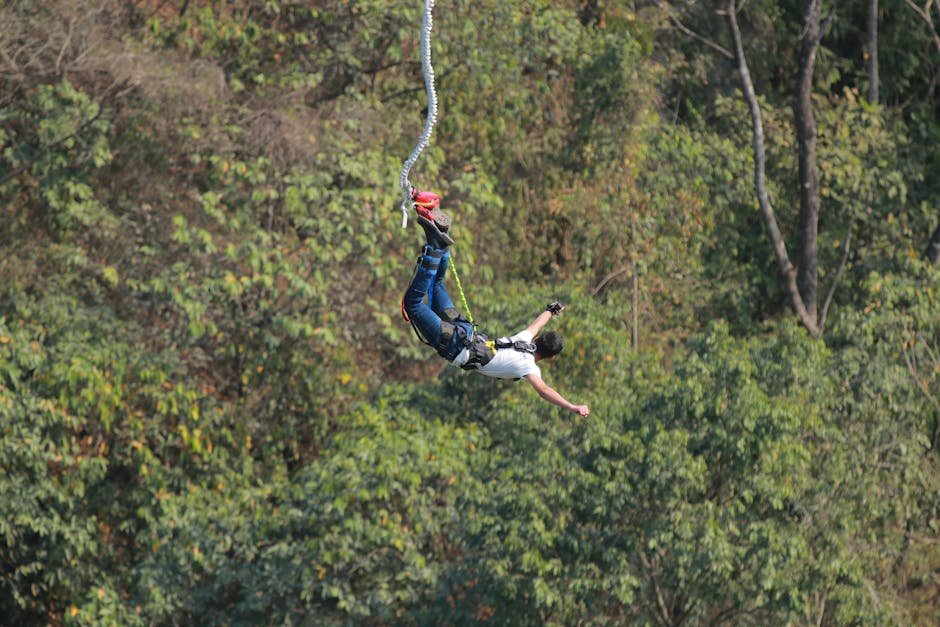
One of the most iconic experiences is the Kawarau Bridge Bungee Jump—the world’s first commercial bungee site. Opened in 1988, it draws thousands each year. For those seeking more vertical thrills, the Nevis Highwire Bungy offers a 134-meter leap over a canyon.
Top Extreme Activities in Queenstown
White-water rafting on the Shotover River is another must-try. The rapids are Class V, requiring technical skill and nerve. Guided tours include safety briefings and gear, but prior experience is recommended.
Skydiving over the Remarkables mountain range gives you a bird’s-eye view of glaciers, lakes, and alpine terrain. Tandem jumps are available for beginners, with instructors handling the technical aspects.
For winter, heli-skiing in the Southern Alps provides access to untouched powder in remote valleys. This is not for the faint of heart—avalanche training and proper gear are essential.
Safety and Preparation Tips
Always book with certified operators. Look for companies affiliated with the New Zealand Qualifications Authority or international safety bodies.
Check weather conditions before heading out. Sudden storms in the mountains can delay or cancel activities. Pack layers, even in summer, as temperatures drop quickly at higher elevations.
2. Interlaken, Switzerland – Alpine Thrills in the Heart of Europe
Interlaken sits between two lakes in the Swiss Alps, offering a dramatic backdrop for extreme sports. It’s a gateway to Jungfrau, Eiger, and Mönch—three of the most famous peaks in the region.
The town is especially known for paragliding and canyoning. Tandem paragliding flights launch from mountain ridges, giving you a serene yet exhilarating glide over valleys and lakes.
Paragliding and Canyoning Highlights
For canyoning, the Saxeten Canyon offers a mix of rappelling, sliding, and jumping through icy waterfalls. It’s physically demanding and requires a good fitness level.
BASE jumping is also popular here, though it’s illegal without permits. Some organized events allow legal jumps from specific cliffs, but independent attempts carry heavy fines and risks.
Rock climbing on the Eiger North Face is legendary—but only for elite climbers. Most visitors opt for guided climbs on easier routes in the surrounding area.
What to Know Before You Go
Swiss operators are highly regulated, which means safety standards are top-tier. Still, always verify credentials and read reviews.
Altitude can affect performance. Acclimatize for a day or two before attempting high-intensity activities. Stay hydrated and avoid alcohol the night before.
3. Moab, Utah, USA – Desert Landscapes and Rugged Challenges
Moab is a desert oasis for extreme outdoor enthusiasts. Located near Arches and Canyonlands National Parks, it’s a hotspot for mountain biking, rock climbing, and off-roading.
The Slickrock Bike Trail is world-famous. Its sandstone surface offers unique traction, but the terrain is technical and unforgiving. Riders should have intermediate to advanced skills.
Mountain Biking and Rock Climbing
For climbers, Indian Creek is a crack-climbing mecca. The parallel-sided cracks require precise technique and strong fingers. Multi-pitch routes can take all day.
Off-roading on the Hell’s Revenge trail delivers steep climbs, narrow ledges, and panoramic views. Jeep tours are available, but self-driving requires a capable 4×4 and experience.
White-water rafting on the Colorado River through Cataract Canyon is another extreme option. The rapids reach Class IV during spring runoff, making it a serious adventure.
Survival Tips for the Desert
Heat is a major factor. Summer temperatures exceed 100°F (38°C). Plan activities for early morning or late afternoon.
Carry at least one gallon of water per person per day. Dehydration can set in quickly, even in cooler months.
Tell someone your itinerary. Cell service is spotty, and rescue can take hours in remote areas.
4. Chamonix, France – The Birthplace of Extreme Mountaineering
Chamonix has been a mountaineering hub since the 18th century. Nestled at the foot of Mont Blanc, Europe’s highest peak, it attracts climbers, skiers, and paragliders from around the globe.
The Vallée Blanche off-piste ski descent is legendary. It’s a 20-kilometer glacier run with crevasses and seracs. Only experienced skiers with a guide should attempt it.
Mountaineering and Skiing Adventures
For climbers, the Cosmiques Arete route on Mont Blanc du Tacul is a classic alpine climb. It involves exposed ridges, ice axes, and crampons. A guide is strongly recommended.
Paragliding from the Aiguille du Midi cable car offers stunning views of the Alps. Flights can last up to an hour, depending on wind conditions.
Ice climbing in the frozen waterfalls of the nearby valleys is another winter draw. Guided courses teach beginners the basics of ice axes and crampons.
Safety in the High Alps
Avalanche risk is real. Check the daily bulletin and avoid slopes with high danger ratings.
Weather changes fast. Turn back if clouds roll in or winds pick up. Hypothermia can occur even in mild conditions with wet clothing.
Hire a certified mountain guide. They know the terrain, weather patterns, and rescue protocols.
5. Costa Rica – Jungle, Volcanoes, and Ocean Thrills
Costa Rica blends tropical beauty with extreme adventure. From zip-lining over rainforests to surfing massive waves, it’s a playground for active travelers.
The Arenal Volcano area is a hotspot for canyoning and waterfall rappelling. Guides lead you down cascades using ropes and harnesses. Some drops exceed 30 meters.
Zip-lining and Surfing
Monteverde’s cloud forest offers some of the longest zip lines in the world. The 1.5-kilometer “Superman” line lets you fly horizontally over the canopy.
On the Pacific coast, Pavones is known for one of the longest left-hand surf breaks on earth. Waves can roll in for over a minute, but the remote location means limited facilities.
White-water rafting on the Reventazón River reaches Class IV rapids. It’s a full-day trip with lunch included, suitable for intermediate rafters.
Jungle Survival Basics
Mosquitoes carry diseases like dengue and Zika. Use EPA-approved repellent and wear long sleeves at dawn and dusk.
Stay on marked trails. Wildlife includes venomous snakes and spiders. Guides help identify dangerous species.
Drink bottled or filtered water. Tap water is not safe in most rural areas.
6. Nepal – High-Altitude Challenges in the Himalayas
Nepal is synonymous with extreme adventure. Home to eight of the world’s ten highest peaks, it’s the ultimate destination for mountaineers and trekkers.
Mount Everest Base Camp trek is a bucket-list journey. It takes about two weeks and reaches 5,364 meters. Altitude sickness is a real risk—ascend slowly and monitor symptoms.
Trekking and Mountaineering
For climbers, Island Peak (6,189m) is a popular introduction to Himalayan mountaineering. It requires ice climbing skills and acclimatization.
Paragliding in Pokhara offers views of the Annapurna range. Flights launch from Sarangkot hill at sunrise for the best conditions.
White-water rafting on the Trishuli River is accessible from Kathmandu. Rapids range from Class II to IV, depending on the season.
Health and Safety in the Himalayas
Acclimatization is critical. Spend extra days at intermediate altitudes (3,000–4,000m) before going higher.
Hire a local guide or porter. They know the trails, weather, and cultural norms. It also supports the local economy.
Travel insurance must cover high-altitude trekking and emergency evacuation. Many standard policies exclude activities above 4,000m.
7. Australia – From Great Barrier Reef to Outback Extremes
Australia offers diverse extreme activities across its vast landscape. From underwater adventures to desert challenges, it’s a continent built for thrill-seekers.
Great Barrier Reef diving is world-class. Sites like Cod Hole and Flynn Reef host sharks, rays, and giant clams. Advanced certification is recommended for deep dives.
Reef Diving and Skydiving
Skydiving over Mission Beach gives you views of rainforest, coral sea, and coastline. Tandem jumps are available for first-timers.
In the Outback, 4WD expeditions through the Simpson Desert test navigation and endurance. Self-sufficient travel is a must—fuel, water, and spare parts are essential.
White-water rafting on the Franklin River in Tasmania is a multi-day wilderness trip. It’s remote, rugged, and requires prior experience.
Outback Survival Tips
Carry a satellite phone or emergency beacon. Mobile coverage is nonexistent in remote areas.
Check road conditions before driving. Floods can wash out tracks overnight.
Respect wildlife. Snakes, spiders, and crocodiles are common. Know basic first aid.
How to Choose the Right Destination for Your Skill Level
Not all extreme activities are created equal. Your experience, fitness, and risk tolerance should guide your choice.
Beginners should start with guided tours and lower-risk options. Tandem skydives, beginner rafting trips, and introductory climbs are great entry points.
Intermediate adventurers can tackle multi-day treks, technical bike trails, or advanced diving. Training courses are often available on-site.
Experts seeking the ultimate challenge should research permits, weather windows, and local regulations. Many high-altitude climbs and remote expeditions require advance planning.
Always assess your physical condition. Some activities demand strength, endurance, or flexibility. Consult a doctor if you have health concerns.
Essential Gear and Preparation Checklist
Proper gear can mean the difference between success and disaster. Rent or buy equipment from reputable suppliers.
For climbing and mountaineering: helmet, harness, ice axe, crampons, and appropriate boots.
For water sports: wetsuit, life jacket, helmet, and dry bag for electronics.
For desert and jungle trips: sun protection, insect repellent, water purification, and first-aid kit.
Pack light but smart. Bring a headlamp, multi-tool, and emergency blanket. Test all gear before departure.
Safety First: Risks and How to Manage Them
Extreme activities carry inherent risks. Avalanches, rockfalls, drowning, and altitude sickness are real threats.
Never underestimate weather. Storms can develop quickly in mountains and deserts. Have a backup plan.
Stay within your limits. Peer pressure can lead to poor decisions. It’s okay to turn back.
Inform someone of your plans. Leave a detailed itinerary with a trusted contact.
Carry emergency communication devices. PLBs (Personal Locator Beacons) are ideal for remote areas.
Environmental Responsibility in Adventure Travel
Thrill-seeking shouldn’t come at the planet’s expense. Practice Leave No Trace principles.
Pack out all trash. Even biodegradable items like fruit peels can harm wildlife.
Stay on designated trails. Vegetation in alpine and desert regions is fragile and slow to recover.
Respect local cultures. Learn basic phrases and customs. Support community-based tourism when possible.
Choose eco-certified operators. Look for certifications like Green Globe or EarthCheck.
FAQ
What is the safest extreme activity for beginners?
Tandem skydiving or guided white-water rafting are excellent starting points. Both include professional instruction and safety equipment, making them accessible even for first-timers.
Do I need travel insurance for extreme sports?
Yes. Standard travel insurance often excludes high-risk activities. Purchase a policy that specifically covers adventure sports, including emergency evacuation.
Can I do extreme activities if I’m not in peak physical shape?
Some activities, like zip-lining or beginner rafting, require minimal fitness. Others, such as high-altitude trekking or rock climbing, demand good health and training. Choose based on your abilities.