

Best Places to Visit in Brazil for First Time Trip
Best Places to Visit in Brazil for First Time Trip
If you’re planning your first trip to Brazil, you’re in for a vibrant mix of natural wonders, cultural richness, and urban energy. From the iconic beaches of Rio de Janeiro to the vast biodiversity of the Amazon, Brazil offers unforgettable experiences for every traveler. This guide highlights the best places to visit in Brazil for a first-time trip, helping you create a balanced itinerary that blends adventure, culture, and relaxation. Whether you’re drawn to world-famous landmarks or hidden gems off the beaten path, these destinations provide a strong foundation for an authentic Brazilian journey.
1. Rio de Janeiro: The Marvelous City
Rio de Janeiro is often the first stop for international visitors, and for good reason. Known for its stunning coastline, lively culture, and iconic landmarks, Rio delivers a quintessential Brazilian experience. The city’s dramatic geography—nestled between lush mountains and the Atlantic Ocean—creates a breathtaking backdrop for exploration.
Must-See Attractions in Rio
No visit to Rio is complete without seeing Christ the Redeemer. Perched atop Corcovado Mountain, this 98-foot statue offers panoramic views of the city and is one of the New Seven Wonders of the World. The hike or train ride to the summit is worth every step.
Copacabana and Ipanema beaches are legendary for good reason. These wide stretches of sand buzz with energy—locals play volleyball, practice capoeira, and sip coconut water under colorful umbrellas. Early mornings are ideal for a peaceful walk or a refreshing swim before the crowds arrive.
For a taste of local life, head to the Santa Teresa neighborhood. This bohemian district features cobblestone streets, colonial architecture, and art galleries. Don’t miss the famous Selarón Steps, a vibrant mosaic staircase created by Chilean artist Jorge Selarón.
Tips for First-Time Visitors
Rio is generally safe for tourists, but it’s wise to stay alert, especially in crowded areas like beaches and public transport. Avoid displaying valuables and use reputable taxi or ride-sharing services. The best time to visit is during the shoulder seasons—April to June or September to November—when the weather is pleasant and crowds are thinner.
2. São Paulo: Brazil’s Cultural and Culinary Hub
While Rio captures the spotlight, São Paulo offers a deeper dive into Brazil’s urban sophistication. As the country’s largest city, it’s a dynamic metropolis known for its world-class museums, diverse food scene, and thriving arts culture.
Top Experiences in São Paulo
Begin at Ibirapuera Park, often compared to Central Park in New York. This expansive green space features walking trails, modernist architecture, and cultural venues like the São Paulo Museum of Modern Art (MASP). It’s a favorite spot for locals to relax and exercise.
The city’s culinary landscape is unmatched. From high-end restaurants serving contemporary Brazilian cuisine to street food stalls offering pastel (fried pastries) and coxinha (chicken croquettes), food lovers will find endless options. Don’t leave without trying a traditional feijoada—a hearty black bean stew with pork—on a Wednesday or Saturday, when it’s most commonly served.
For art and history, visit the Pinacoteca do Estado, one of Brazil’s oldest art museums. Its collection highlights Brazilian artists from the 19th century to the present, offering insight into the country’s evolving identity.
Getting Around São Paulo
São Paulo’s traffic can be intense, so rely on the metro system for efficient travel. It’s clean, safe, and connects major neighborhoods. Ride-sharing apps like Uber are also widely used and often faster than taxis during peak hours.
3. The Amazon Rainforest: Nature’s Greatest Wonder
For travelers seeking adventure and natural beauty, the Amazon is a must-visit. Spanning across northern Brazil, this immense rainforest is home to unparalleled biodiversity and indigenous cultures. A journey here offers a humbling reminder of nature’s power and fragility.
How to Experience the Amazon
Manaus, the capital of Amazonas state, is the main gateway to the rainforest. From here, travelers can take river cruises or stay in eco-lodges deep in the jungle. These accommodations offer guided hikes, night canoe trips, and opportunities to spot pink river dolphins, sloths, and exotic birds.
One popular route is the “Meeting of the Waters,” where the dark Rio Negro and the sandy-colored Amazon River flow side by side without mixing for nearly six kilometers. This natural phenomenon is both beautiful and scientifically fascinating.
Visiting an indigenous community can be a profound experience. Many tours are led in partnership with local tribes and emphasize cultural exchange and sustainability. Always choose operators that respect community protocols and contribute to local economies.
Health and Safety Considerations
Travelers should consult a healthcare provider before visiting the Amazon. Vaccinations for yellow fever and malaria prophylaxis may be recommended. Wear long sleeves and use insect repellent to reduce the risk of mosquito-borne diseases. Stay hydrated and avoid drinking untreated water.
4. Salvador: Heart of Afro-Brazilian Culture
Salvador, in the state of Bahia, is a cultural treasure and the historic center of Afro-Brazilian heritage. Founded in 1549, it’s one of the oldest cities in the Americas and a UNESCO World Heritage site. Its colorful colonial architecture, rhythmic music, and spiritual traditions make it a standout destination.
Exploring Salvador’s Historic Center
The Pelourinho district is the cultural heart of Salvador. Wander its cobblestone streets lined with pastel-colored buildings, churches, and open-air cafes. The São Francisco Church, with its gold-leaf interior, is a stunning example of Baroque architecture.
Music is everywhere in Salvador. Street performers play samba, reggae, and especially axé—a high-energy genre born in Bahia. Visit a local bar or attend a live show to experience the city’s infectious rhythms firsthand.
Candomblé, an Afro-Brazilian religion with West African roots, plays a significant role in local life. While ceremonies are private, some cultural centers offer educational tours that explain the religion’s history and significance with respect and sensitivity.
Local Cuisine in Salvador
Bahian cuisine is rich and flavorful, blending African, Portuguese, and Indigenous influences. Acarajé—a deep-fried ball of black-eyed pea dough filled with shrimp, vatapá, and spicy sauce—is a must-try street food. It’s traditionally sold by baianas, women dressed in traditional white attire.
For a sit-down meal, try moqueca baiana, a coconut milk-based seafood stew slow-cooked in a clay pot. Pair it with farofa (toasted cassava flour) and a cold glass of sugarcane juice or a caipirinha.
5. Fernando de Noronha: A Pristine Island Paradise
For travelers seeking tranquility and natural beauty, Fernando de Noronha is a dream destination. This remote archipelago, located 354 kilometers off Brazil’s northeastern coast, is a protected marine park known for its crystal-clear waters, diverse wildlife, and strict conservation policies.
What Makes Noronha Special
The island’s limited visitor capacity—only 420 tourists per day—helps preserve its pristine environment. This means advance planning is essential. You’ll need to book accommodations and pay a daily conservation fee upon arrival.
Snorkeling and diving here are world-class. The waters around Noronha are home to sea turtles, dolphins, and over 400 species of fish. The Baía do Sancho, often ranked among the best beaches in the world, offers dramatic cliffs and turquoise lagoons perfect for swimming and underwater exploration.
Hiking trails like the one to Morro do Pico provide panoramic views of the islands and are ideal for sunrise or sunset walks. Always stay on marked paths to protect the fragile ecosystem.
Travel Tips for Noronha
Flights to Fernando de Noronha depart from Recife, Natal, or Fortaleza. Book early, especially during peak season (December to March). Pack light—there are no large shopping centers, and supplies are limited. Respect local rules: no drones, no feeding animals, and no single-use plastics.
6. Iguazu Falls: A Natural Wonder on the Border
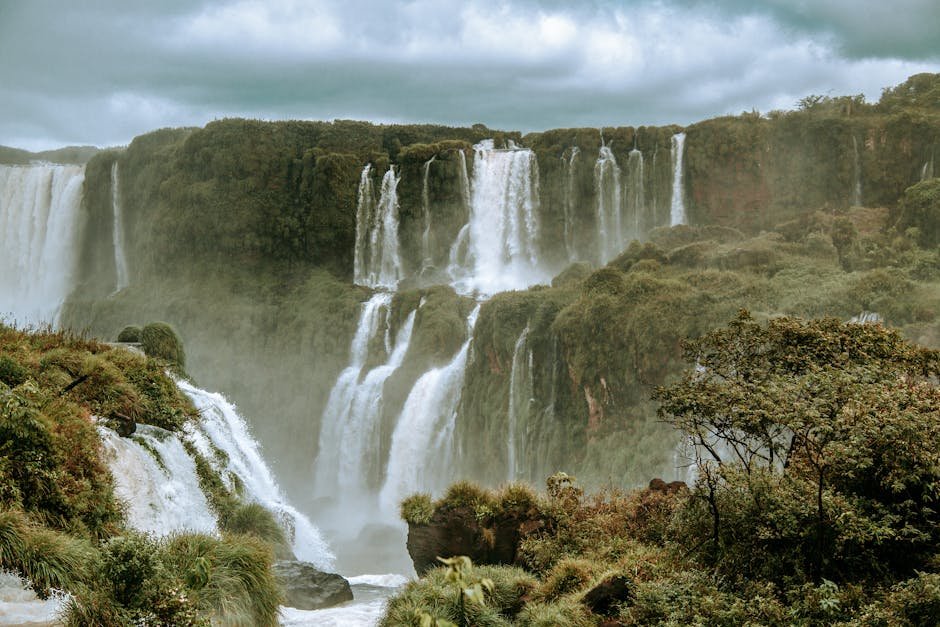
Straddling the border between Brazil and Argentina, Iguazu Falls is one of the most spectacular waterfalls in the world. With 275 individual drops spread across nearly three kilometers, it dwarfs Niagara Falls in both width and volume.
Visiting the Brazilian Side
The Brazilian side offers panoramic views of the entire falls system. A short train ride followed by a walkway leads to the Devil’s Throat—the largest and most powerful cascade. The mist from the falls creates rainbows on sunny days, adding to the magic.
The surrounding national park is rich in wildlife. Keep an eye out for coatis, toucans, and butterflies. Guided tours provide insight into the region’s ecology and geology.
Crossing to Argentina
Many travelers visit both sides for a complete experience. The Argentine side allows closer access to individual falls and includes a thrilling walkway that goes directly over the water. Check visa requirements and border crossing procedures in advance.
The best time to visit is during the rainy season (November to March), when water flow is at its peak. However, this also means more crowds and occasional trail closures due to high water levels.
7. Brasília: Modern Architecture and Urban Planning
Brasília, the capital of Brazil, is a city unlike any other. Designed and built in the 1950s by architect Oscar Niemeyer and urban planner Lúcio Costa, it’s a masterpiece of modernist architecture and a UNESCO World Heritage site.
Highlights of Brasília
The city’s layout resembles an airplane or butterfly, with distinct zones for government, commerce, and residential areas. The Three Powers Plaza—home to the Presidential Palace, National Congress, and Supreme Court—is a symbolic centerpiece.
Niemeyer’s designs are bold and futuristic. The Cathedral of Brasília, with its hyperboloid structure and stained-glass ceiling, is a striking example. Visitors often describe the experience of standing inside as spiritual and awe-inspiring.
While Brasília lacks the historic charm of other Brazilian cities, its clean lines, open spaces, and innovative design offer a unique perspective on urban planning. It’s worth a day trip or an overnight stay, especially if you’re interested in architecture or government.
8. Pantanal: The World’s Largest Wetland
Often overshadowed by the Amazon, the Pantanal is a hidden gem for nature lovers. This vast tropical wetland spans parts of Brazil, Bolivia, and Paraguay and is one of the best places in South America for wildlife observation.
Wildlife in the Pantanal
The region is home to jaguars, capybaras, giant otters, caimans, and over 650 bird species. Boat safaris, horseback rides, and guided walks allow close encounters with animals in their natural habitat. The dry season (May to September) is the best time for spotting wildlife, as animals gather around shrinking water sources.
Several eco-lodges offer comfortable accommodations with guided tours included. These lodges prioritize sustainability and often support local conservation efforts.

Getting There
The main access points are the towns of Campo Grande (Mato Grosso do Sul) and Cuiabá (Mato Grosso). Flights are available from major Brazilian cities. Once there, transportation is typically arranged through tour operators or lodges.
Planning Your First Trip to Brazil: Essential Tips
Brazil is a large and diverse country, so thoughtful planning ensures a smooth and enjoyable trip. Start by deciding on your travel style—relaxation, adventure, culture, or a mix—and choose destinations that align with your interests.
Best Time to Visit
Brazil’s climate varies by region. The south enjoys four distinct seasons, while the north remains tropical year-round. Generally, the best time to visit is during the southern hemisphere’s spring and fall (April–June and September–November), when temperatures are mild and rainfall is lower.
Avoid major holidays like Carnival (February or March) and New Year’s if you prefer fewer crowds, though these events are cultural experiences in themselves.
Transportation and Connectivity
Domestic flights are the most efficient way to travel between distant cities. Major airlines like LATAM, Gol, and Azul connect key destinations. For shorter distances, long-distance buses are affordable and comfortable, with reclining seats and onboard restrooms.
Mobile data is widely available, and SIM cards can be purchased at airports or electronics stores. Wi-Fi is common in hotels, cafes, and airports.
Language and Communication
Portuguese is the official language. While English is spoken in tourist areas, learning a few basic Portuguese phrases—like “obrigado” (thank you) and “onde fica o banheiro?” (where is the bathroom?)—goes a long way in showing respect and improving interactions.
Safety and Health
Brazil is generally safe for tourists, but petty crime like pickpocketing and bag snatching can occur in crowded areas. Stay in well-lit, busy areas at night and avoid carrying large amounts of cash. Use ATMs inside banks or malls.
Drink bottled or filtered water, especially outside major cities. Travel insurance is strongly recommended, covering medical emergencies, trip cancellations, and lost luggage.
FAQ
What is the best time of year to visit Brazil for a first-time trip?
The ideal time is during the shoulder seasons—April to June or September to November. During these months, the weather is pleasant across most regions, and tourist crowds are smaller compared to peak summer or holiday periods.
Do I need a visa to visit Brazil?
Citizens of the U.S., Canada, Australia, and most EU countries can enter Brazil for tourism without a visa for stays up to 90 days. However, visa policies can change, so check the latest requirements with the Brazilian consulate before traveling.
Is it safe to travel alone in Brazil as a first-time visitor?
Yes, many solo travelers visit Brazil safely each year. Stick to well-known tourist areas, use reputable transportation, and stay aware of your surroundings. Joining group tours for activities like Amazon excursions or city walks can also enhance safety and provide social opportunities.