

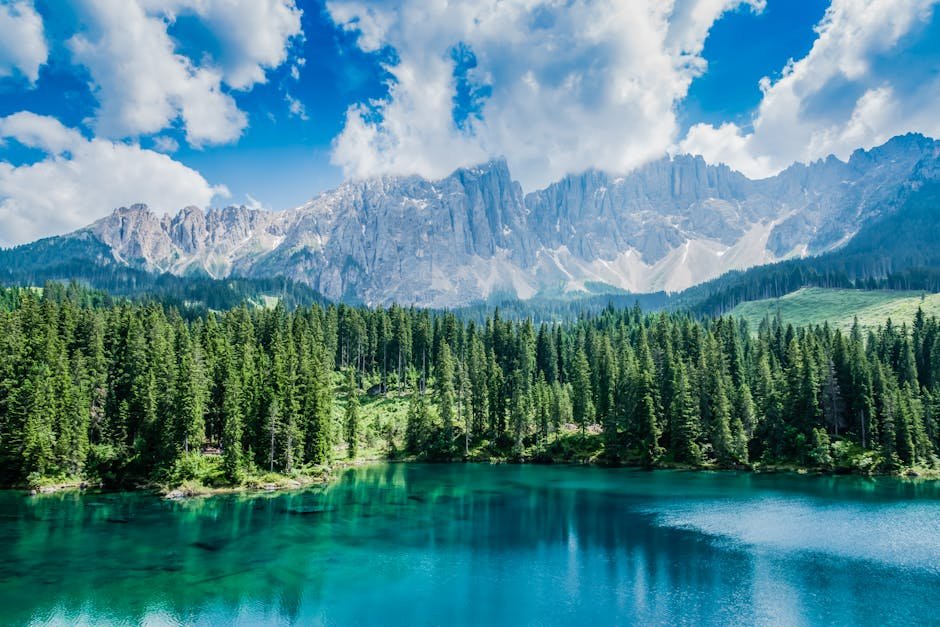
Best Adventure Trips in Europe for Nature Lovers
Best Adventure Trips in Europe for Nature Lovers
Europe offers some of the world’s most breathtaking natural landscapes, from snow-capped peaks and ancient forests to rugged coastlines and glacial lakes. For nature lovers seeking adventure, the continent is a playground of hiking trails, kayaking routes, cycling paths, and wildlife encounters. Whether you’re drawn to the dramatic fjords of Norway or the wildflower meadows of the Alps, there’s an outdoor adventure waiting for you. This guide highlights the best adventure trips in Europe for those who crave fresh air, physical challenge, and immersive natural experiences.
Why Europe Is a Top Destination for Nature-Based Adventures
Europe’s compact geography means diverse ecosystems are often just a few hours apart. You can hike through alpine meadows in the morning and paddle along a Mediterranean coastline by evening. The continent’s well-maintained trail networks, reliable public transport, and strong outdoor culture make it accessible for travelers of all skill levels.
Many regions prioritize conservation and sustainable tourism, preserving wild spaces while offering guided experiences. From national parks to UNESCO biosphere reserves, Europe balances adventure with environmental stewardship. This makes it an ideal destination for responsible travelers who want to explore without leaving a heavy footprint.
Top Adventure Destinations for Nature Enthusiasts
The Dolomites, Italy: Hiking and Via Ferrata
The Dolomites in northern Italy are a UNESCO World Heritage site known for their jagged limestone peaks and alpine meadows. This mountain range offers over 1,500 kilometers of marked hiking trails, ranging from gentle valley walks to challenging summit climbs.
One of the most unique features is the via ferrata—iron cable routes bolted into the rock that allow climbers to scale vertical faces with relative safety. These routes, originally built during World War I, now serve as thrilling adventures for hikers with basic gear and confidence on exposed terrain.
Best time to visit: June to September. Trails are snow-free, and mountain huts (rifugi) are fully operational. Book accommodations early, especially in popular areas like Cortina d’Ampezzo.
Plitvice Lakes National Park, Croatia: Waterfalls and Boardwalks
Plitvice Lakes is a series of 16 terraced lakes connected by waterfalls, set within a dense forest in central Croatia. The park is crisscrossed with elevated wooden boardwalks that let visitors walk just above the water, offering close-up views of turquoise pools and cascading falls.
While not a high-intensity adventure, the park rewards with serene beauty and excellent photography opportunities. Combine a morning hike with a boat ride across Kozjak Lake and a shuttle bus to cover the full circuit efficiently.
Tip: Arrive at opening time to avoid crowds. Photography is best in late spring when water levels are high and foliage is lush.
Torres del Paine, Chile (via European Travelers): A Note on Misconceptions
While Torres del Paine is in South America, many European travelers include it in their continental adventure plans due to frequent flight connections and shared outdoor cultures. However, for a true European experience, consider the Picos de Europa in northern Spain instead.
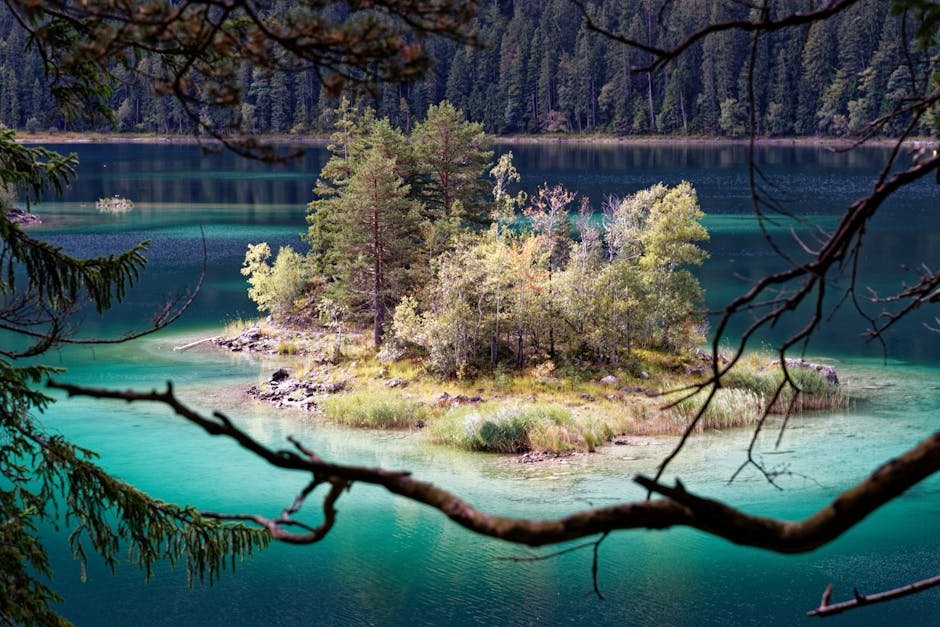
Picos de Europa offers dramatic limestone massifs, deep gorges, and rare wildlife like the Cantabrian brown bear. The Cares Trail (Ruta del Cares) is a highlight—a 12-kilometer path carved into the mountain side, running from Poncebos to Cain with stunning views of the Rio Cares.
The Scottish Highlands, UK: Wild Camping and Mountain Treks
The Scottish Highlands are legendary for their rugged beauty, with misty glens, lochs, and some of the UK’s highest peaks. The West Highland Way is a 154-kilometer long-distance trail from Milngavie to Fort William, passing through forests, moorlands, and alongside Loch Lomond.
Wild camping is legal under Scotland’s access laws, allowing hikers to pitch a tent in remote areas with minimal impact. Just follow the Scottish Outdoor Access Code: leave no trace, camp discreetly, and avoid sensitive habitats.
For a more challenging option, tackle the Cuillin Ridge on the Isle of Skye. This technical mountain traverse requires scrambling skills and proper gear, but rewards with panoramic views of the Inner Hebrides.
The Norwegian Fjords: Kayaking and Hiking in Fjord Norway
Norway’s fjords—deep, glacially carved inlets surrounded by steep cliffs—are among the most dramatic landscapes in Europe. The Nærøyfjord and Geirangerfjord are UNESCO-listed and best explored by kayak or on foot.
Kayaking allows quiet access to waterfalls and seal colonies, while the trails along the fjord edges, like the Besseggløpet hike, offer breathtaking viewpoints. The Besseggløpet is a 26-kilometer trek between two lakes with contrasting colors—one blue, one green—separated by a mountain ridge.
Best time to go: Late May to September. Weather is milder, and daylight lasts well into the evening. Rent gear in towns like Flåm or Gudvangen.
The Carpathian Mountains, Romania: Wildlife and Remote Trails
Romania’s Carpathian Mountains are one of Europe’s last true wilderness areas, home to brown bears, wolves, and lynx. The Retezat and Făgăraș ranges offer challenging hikes with fewer crowds than the Alps.
The Făgăraș Ridge, known as the “Transylvanian Alps,” includes Moldoveanu Peak, the country’s highest point. The trail is exposed in parts and requires good fitness, but the solitude and alpine lakes make it worthwhile.
Guided wildlife tours are available in areas like the Danube Delta, where you can spot pelicans, eagles, and wild horses by boat. These trips support local conservation efforts and provide expert insight into the region’s ecosystems.
The Azores, Portugal: Volcanic Landscapes and Whale Watching
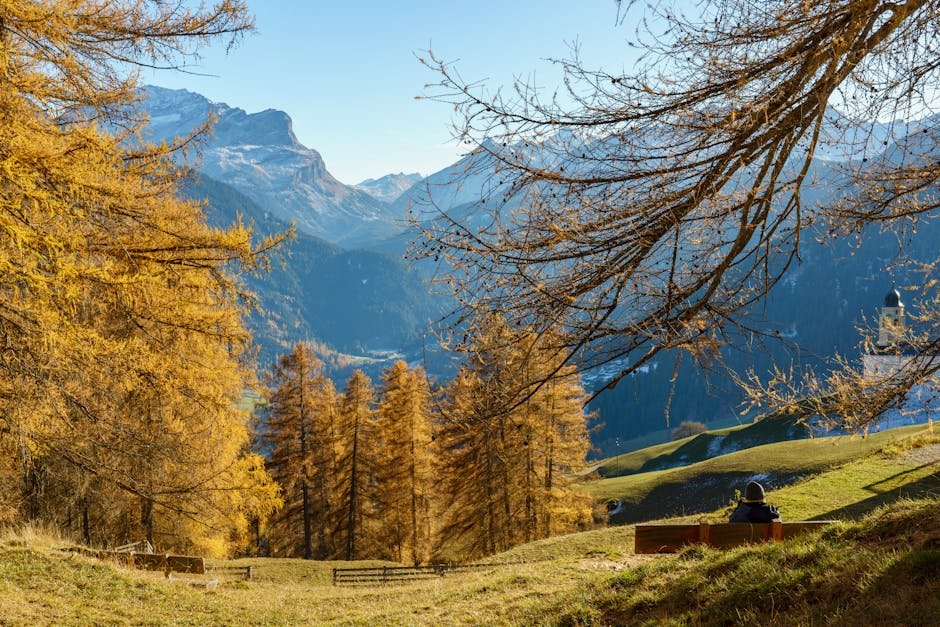
Though technically in the Atlantic, the Azores are a Portuguese archipelago that feels worlds away from mainland Europe. This volcanic island chain offers hiking through crater lakes, soaking in natural hot springs, and swimming in the ocean alongside dolphins.
The Sete Cidades hike on São Miguel Island circles a twin-lake crater with views shifting from green to blue depending on the weather. On Pico Island, climb Mount Pico—a 2,351-meter volcano and the highest point in Portugal.
Whale watching is a major draw, with over 20 species recorded, including sperm whales and blue whales. Tours depart from Horta and Ponta Delgada, typically from April to October.
How to Choose the Right Adventure Trip for You
Assess Your Fitness Level and Experience
Not all adventure trips are created equal. A multi-day trek in the Alps demands more endurance than a coastal bike ride in the Netherlands. Be honest about your physical condition and outdoor experience.
Beginners should look for guided tours with support vehicles or mountain huts. More experienced adventurers can opt for self-guided routes with detailed maps and GPS tracks.
Consider the Season and Weather
Weather can make or break an outdoor trip. Alpine regions are best visited in summer, while coastal areas like the Mediterranean are pleasant in spring and fall. Winter opens up opportunities for snowshoeing and cross-country skiing in places like the Pyrenees or the Tatra Mountains.
Check regional weather patterns and pack accordingly. Layered clothing, waterproof gear, and sturdy footwear are essential in most European climates.
Plan for Logistics and Permits
Some trails require permits, especially in popular national parks. For example, the Tour du Mont Blanc has limited hut availability, and reservations should be made months in advance.
Public transport in Europe is reliable, but remote trailheads may require a rental car or shuttle. Use apps like Rome2Rio to plan routes, and always confirm access conditions before departure.
Essential Gear for European Adventure Travel
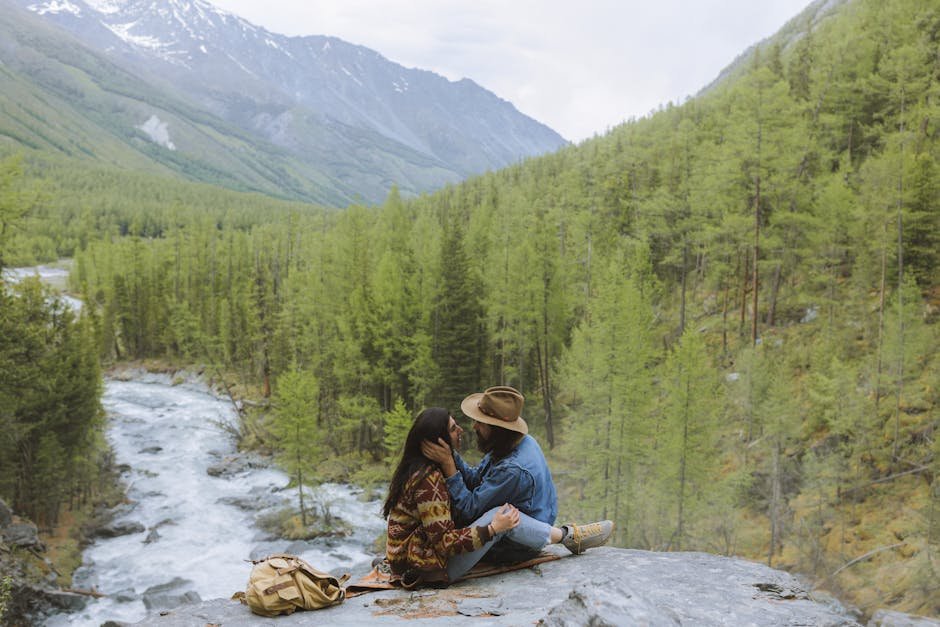
Packing smart is key to a successful trip. A lightweight backpack, moisture-wicking clothing, and a good pair of hiking boots are non-negotiable. For multi-day trips, invest in a quality sleeping bag and a compact tent if wild camping.
Navigation tools matter. Carry a physical map and compass, even if you rely on GPS. Phone batteries drain quickly in cold weather, and signal is unreliable in mountains.
Safety items like a first-aid kit, headlamp, and emergency whistle should always be in your pack. In bear country, consider carrying bear spray and storing food properly.
Sustainable Travel Tips for Nature Lovers
Respect for nature is central to responsible adventure travel. Follow the Leave No Trace principles: pack out all trash, stay on marked trails, and avoid disturbing wildlife.
Support local economies by hiring local guides, eating at family-run restaurants, and buying regional products. Many European parks offer volunteer programs for trail maintenance or conservation projects.
Offset your carbon footprint by choosing trains over flights when possible. Europe’s rail network connects most major cities and scenic regions efficiently.
Final Thoughts: Embrace the Wild Side of Europe
Europe’s natural beauty is as diverse as its cultures. From the icy fjords of the north to the sun-drenched islands of the south, adventure awaits in every corner. The best trips combine physical challenge with deep connection to the landscape.
Start with a destination that matches your interests and abilities. Whether it’s a week-long trek or a weekend kayaking trip, prioritize preparation, safety, and respect for the environment. With the right planning, your European nature adventure can be both thrilling and transformative.
FAQ
What is the best time of year for adventure trips in Europe?
The ideal time depends on the region. Summer (June to August) is best for mountain hiking in the Alps and Scandinavia. Spring and fall offer milder weather and fewer crowds in Mediterranean and coastal areas. Winter is perfect for snow-based activities in the Pyrenees, Carpathians, and Nordic countries.
Do I need special permits for hiking in European national parks?
Some parks require permits or charge entrance fees, especially in high-traffic areas like Plitvice Lakes or the Dolomites. Always check the official park website before visiting. In many cases, day passes are available at trailheads or online.
Is it safe to travel alone on adventure trips in Europe?
Yes, many solo travelers explore Europe’s trails safely. Stick to well-marked routes, inform someone of your plans, and carry emergency communication devices in remote areas. Guided group tours are also a great way to meet like-minded adventurers and gain local insight.