

Best Adventure Travel Experiences for Beginners Guide
Best Adventure Travel Experiences for Beginners Guide
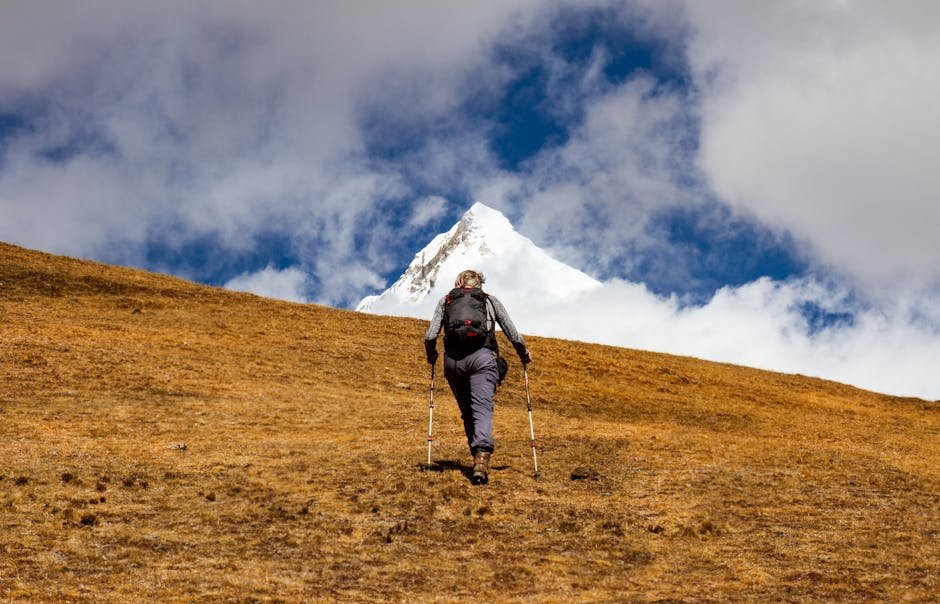
Adventure travel doesn’t have to mean scaling Everest or kayaking through whitewater rapids. For beginners, the best experiences balance excitement with safety, accessibility, and support. Whether you’re hiking a scenic trail, trying your first multi-day trek, or exploring a new culture on foot, there are countless ways to start your adventure journey without overwhelming risk or cost. This guide highlights beginner-friendly destinations and activities that build confidence, offer guided support, and deliver real adventure—without requiring years of experience.
What Makes an Adventure Experience Beginner-Friendly?
Not all adventure travel is created equal. For newcomers, the ideal trip includes clear guidance, manageable physical demands, and built-in safety measures. Look for trips led by certified guides, with group sizes that allow personal attention and itineraries that include rest days or gradual progression.
Beginner-friendly adventures also prioritize comfort and preparation. This means access to gear rentals, pre-trip briefings, and accommodations that aren’t overly rustic. The goal isn’t to test limits on day one—it’s to build skills and confidence over time.
Key Features to Look For
- Certified local guides: Knowledgeable leaders enhance safety and enrich the experience.
- Small group sizes: Easier logistics and more personalized support.
- Gradual difficulty: Starts easy and increases intensity over days.
- Gear included or rentable: No need to invest in expensive equipment upfront.
- Emergency protocols: Clear plans for weather, injury, or evacuation.
Top Beginner Adventure Destinations Around the World
Choosing the right location is half the battle. Some destinations are naturally more welcoming to first-time adventurers due to infrastructure, climate stability, and tour availability. Below are five standout options that offer a mix of scenery, culture, and manageable challenges.
1. Torres del Paine, Chile – W Trek
The W Trek in Patagonia is one of the most iconic beginner multi-day hikes. Spanning about 50 miles over 5–7 days, it follows well-marked trails through glacial valleys, turquoise lakes, and granite towers. Most hikers stay in refugios (mountain huts) with beds, meals, and basic amenities.
Guided tours are widely available and highly recommended for first-timers. They handle permits, transport, and pacing, letting you focus on the views. Weather can change quickly, so pack layers and waterproof gear—even in summer.
2. Annapurna Circuit, Nepal – Shortened Route
While the full Annapurna Circuit is demanding, a shortened version—such as the trek from Besisahar to Manang (about 7–10 days)—is perfect for beginners seeking high-altitude scenery without extreme exertion. You’ll pass through rhododendron forests, traditional villages, and panoramic mountain vistas.
Tea houses along the route provide food and lodging, eliminating the need for camping gear. Acclimatization days are built into most itineraries to reduce altitude sickness risk. Guides and porters are affordable and readily available.
3. Cinque Terre, Italy – Coastal Hiking
Italy’s Cinque Terre offers stunning coastal trails connecting five colorful fishing villages. The most popular route, Sentiero Azzurro (Blue Trail), is mostly flat with stone steps and seaside views. It’s easily broken into shorter segments, making it ideal for casual hikers.
Trains run frequently between villages, so you can hike one way and ride back. Pack water and sunscreen—shade is limited. Avoid peak summer crowds by visiting in spring or fall.
4. Moab, Utah, USA – Desert Exploration
Moab is a gateway to two national parks—Arches and Canyonlands—and offers beginner-friendly adventures like guided Jeep tours, easy slot canyon hikes, and flat-water kayaking on the Colorado River. Trails like Delicate Arch or Mesa Arch require minimal elevation gain and reward with iconic views.
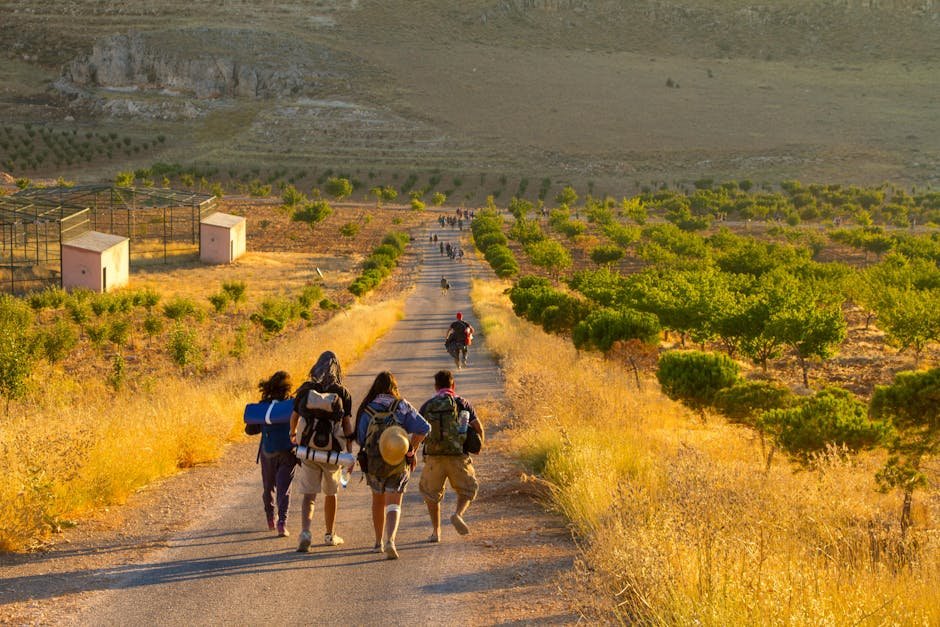
Guided tours teach desert safety, including water conservation and heat management. Rentals for bikes, kayaks, and hiking gear are plentiful. Summer temperatures exceed 100°F, so spring and fall are best.
5. Queen Charlotte Track, New Zealand – Coastal Trekking
This 44-mile trail on New Zealand’s South Island winds through lush forests, secluded beaches, and Maori cultural sites. It’s typically completed in 3–5 days, with water taxis allowing flexible start and end points. Well-maintained paths and frequent hut accommodations make it accessible.
The climate is mild, but rain is common—pack a reliable rain jacket. Guided walks include meals and transport from nearby towns like Picton.
Types of Beginner Adventure Activities
Adventure travel spans many disciplines. As a beginner, choosing the right activity type ensures you enjoy the experience without unnecessary stress. Below are five popular categories suited to first-timers.
Day Hiking and Nature Walks
Day hikes are the simplest entry point. Choose trails rated “easy” or “moderate” with clear signage and minimal elevation change. National parks often provide trail maps and difficulty ratings online.
Start local: explore regional parks or state forests before traveling abroad. Bring the 10 essentials—water, snacks, map, first aid kit, headlamp, sun protection, extra layers, fire starter, shelter, and repair kit—even for short hikes.
Guided Multi-Day Treks
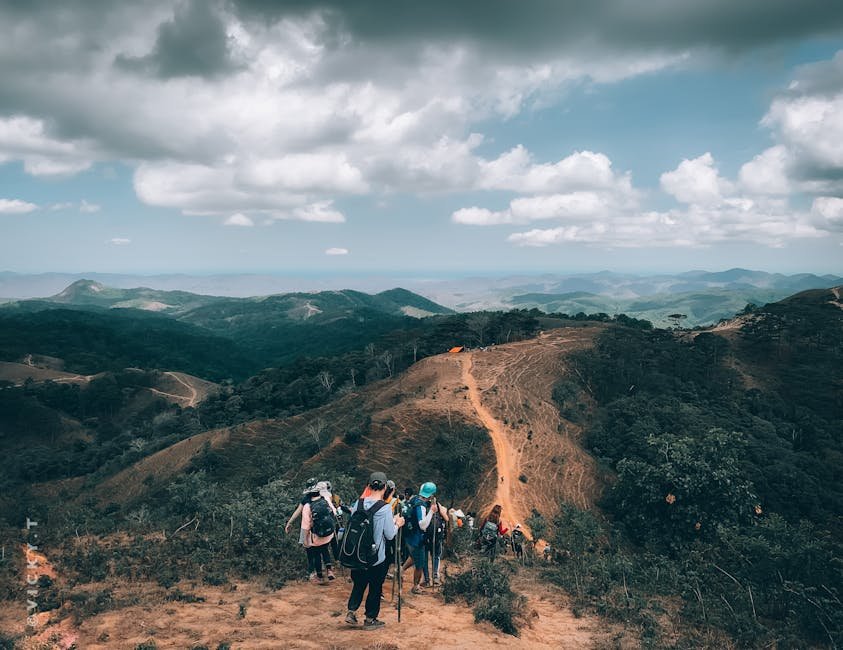
Multi-day treks offer deeper immersion without requiring advanced planning. Reputable operators handle logistics, meals, and safety, allowing you to focus on walking and enjoying the landscape.
Look for trips with a guide-to-traveler ratio of 1:6 or better. Ask about daily mileage, elevation gain, and rest stops. Most beginner treks cover 5–8 miles per day with moderate climbs.
Cultural Immersion Walks
Combine physical activity with cultural learning on village-to-village walks. Examples include the hill tribes of northern Thailand, the coffee farms of Colombia, or the ancient paths of Portugal’s Rota Vicentina.
These trips often include homestays, local meals, and interactions with communities. They’re less about endurance and more about connection—ideal for travelers seeking meaning alongside movement.
Water-Based Adventures
Kayaking, canoeing, and stand-up paddleboarding (SUP) are low-impact ways to explore lakes, rivers, and coastlines. Flat-water routes—like Minnesota’s Boundary Waters or Croatia’s Mljet Island—are perfect for beginners.
Always wear a life jacket and take a short safety course if you’re new to paddling. Guided tours provide instruction and equipment. Avoid strong currents or open ocean until you gain experience.
Cycling Tours
Bicycle tours range from leisurely rail trails to moderate road rides. Beginner-friendly options include the Danube Cycle Path (Austria/Germany) or the Loire Valley in France—both flat, scenic, and well-supported.
Rent bikes with gears and padded seats. Pack repair kits and know basic fixes like changing a tube. Electric-assist bikes make longer distances manageable for less-fit riders.
How to Prepare for Your First Adventure Trip
Preparation turns a good trip into a great one. Even easy adventures require planning, especially when traveling internationally or entering remote areas.
Physical Conditioning
Start training 6–8 weeks before departure. Focus on cardio (walking, cycling, swimming) and strength (legs, core). Aim for 3–4 sessions per week, gradually increasing duration.
Simulate trail conditions: walk with a loaded backpack on uneven terrain. If your trip involves altitude, consult a doctor about preventive measures.
Gear and Packing
Invest in quality footwear—broken-in hiking boots or trail shoes prevent blisters. Avoid cotton clothing; opt for moisture-wicking synthetics or merino wool.
Use a packing list tailored to your activity. For trekking, prioritize lightweight, layered clothing. For water trips, include dry bags and quick-dry fabrics.
Research and Booking
Read recent traveler reviews on platforms like TripAdvisor or Reddit. Check if permits are required and how far in advance they must be secured.
Book with licensed operators who provide clear terms, insurance options, and emergency contacts. Avoid last-minute deals that lack transparency.
Health and Safety
Visit a travel clinic 4–6 weeks before departure for vaccines and medications (e.g., altitude sickness pills, antimalarials). Carry a basic first aid kit and know how to use it.
Share your itinerary with someone at home. Carry a satellite communicator (like a Garmin inReach) in remote areas with no cell service.
Common Mistakes Beginners Make (and How to Avoid Them)
Even with good intentions, new adventurers often stumble on avoidable errors. Learning from others’ missteps saves time, money, and stress.
Overestimating Fitness Level
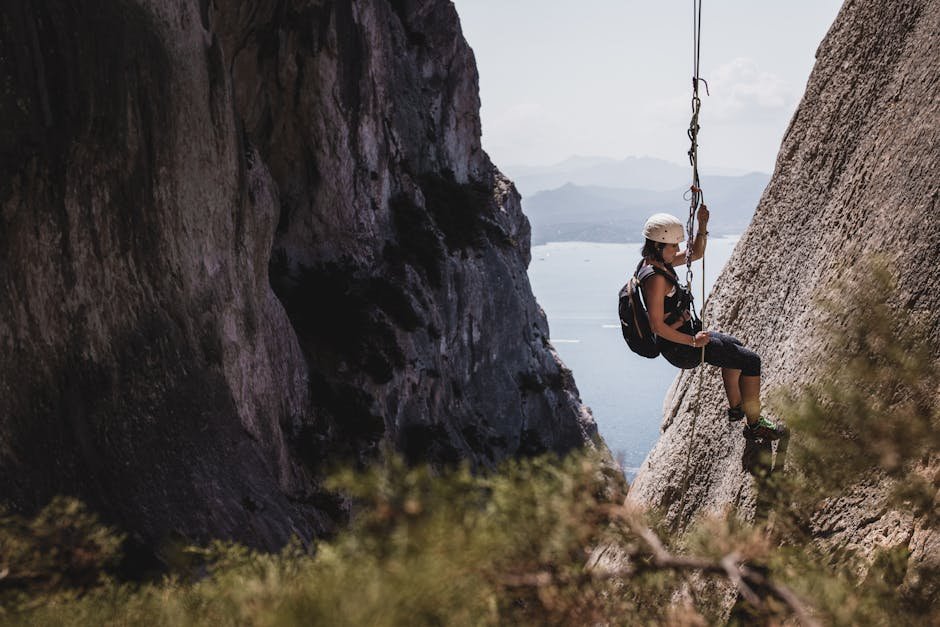
It’s easy to assume a “moderate” trail will be manageable. Reality often differs. Check elevation profiles and recent trail reports. When in doubt, choose an easier option.
Skipping the Guide
Self-guided trips save money but increase risk. Guides know weather patterns, shortcuts, and emergency procedures. For first-timers, their value far outweighs the cost.
Poor Weather Planning
Weather apps don’t always reflect mountain or desert conditions. Pack for all possibilities—rain, wind, heat, cold. Check forecasts daily and be ready to adjust plans.
Ignoring Local Customs
Respect dress codes, photography rules, and environmental guidelines. In many cultures, removing shoes, asking permission to photograph people, or staying on marked trails is essential.
Underestimating Costs
Adventure travel isn’t always cheap. Factor in gear, permits, transport, tips, and travel insurance. Budget 10–15% extra for unexpected expenses.
Final Tips for a Successful First Adventure
Start small, stay curious, and prioritize safety over speed. Your first trip isn’t about conquering peaks—it’s about discovering what you enjoy and building a foundation for future adventures.
Keep a journal to reflect on experiences and lessons learned. Take photos, but also pause to absorb the moment. Adventure travel is as much about mindset as it is about movement.
Finally, go with an open mind. Unexpected challenges—like a delayed flight or a rainy day—often become the best stories. Flexibility turns obstacles into memories.
FAQ
What’s the easiest way to start adventure travel as a complete beginner?
Begin with a guided day hike or a short cultural walking tour in a safe, well-developed destination. Choose trips with professional guides, included gear, and clear itineraries. This builds confidence and skills without high risk.
Do I need special equipment for my first adventure trip?
Not necessarily. Most guided tours provide or rent essential gear like backpacks, sleeping bags, or kayaks. Focus on proper footwear and weather-appropriate clothing. Rent or borrow before buying expensive items.
How do I know if a destination is safe for beginner adventurers?
Research government travel advisories, read recent traveler reviews, and choose operators with strong safety records. Look for destinations with good infrastructure, medical access, and stable weather during your travel window.