

Best Outdoor Activities for Winter Adventure Trips
Best Outdoor Activities for Winter Adventure Trips
Winter adventure trips offer some of the most exhilarating and visually stunning outdoor experiences on the planet. From snow-covered peaks to frozen lakes and quiet forest trails, cold-weather destinations provide unique opportunities for recreation and exploration. Whether you’re seeking adrenaline-pumping thrills or peaceful solitude in nature, there’s a winter activity suited to your style and fitness level.
The best outdoor activities for winter adventure trips balance safety, accessibility, and excitement. Popular options include snowshoeing, cross-country skiing, ice climbing, snowmobiling, and backcountry skiing. Each activity offers distinct benefits—some emphasize physical challenge, while others focus on scenic immersion or family-friendly fun. Choosing the right one depends on your experience, location, and goals for the trip.
Before heading out, always check weather conditions, avalanche risk, and trail status. Proper gear—including insulated clothing, traction devices, and navigation tools—is essential. Many winter adventures also require advance planning, such as securing permits or hiring certified guides. With the right preparation, winter adventures can be both safe and deeply rewarding.
Snowshoeing: A Quiet Path Through Winter Wilderness
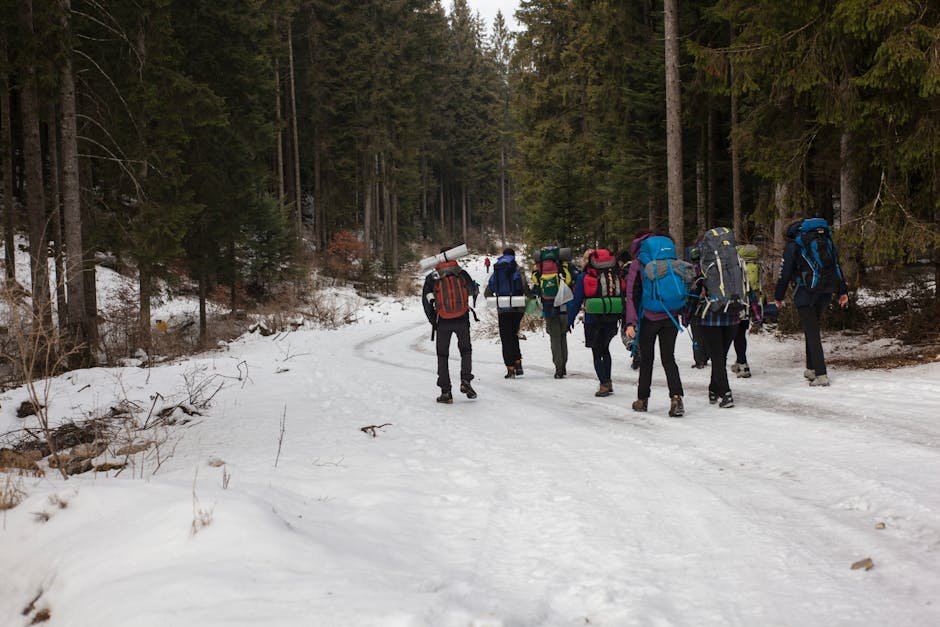
Snowshoeing is one of the most accessible winter activities, requiring minimal technical skill and offering maximum scenic reward. It’s ideal for beginners, families, and those looking to enjoy nature at a slower pace. Unlike skiing, snowshoeing doesn’t demand balance or coordination—just a willingness to walk through snow.
Modern snowshoes are lightweight and easy to attach to most winter boots. They distribute your weight across a larger surface area, preventing you from sinking into deep snow. This makes them perfect for exploring forests, meadows, and mountain trails that might otherwise be impassable in winter.
Popular destinations for snowshoeing include Yosemite National Park in California, Banff National Park in Alberta, and the White Mountains of New Hampshire. Many parks offer marked trails and guided tours, especially near visitor centers. For a more remote experience, consider backcountry routes—but always go with a partner and carry a map, compass, or GPS.
Essential Gear for Snowshoeing
Start with insulated, waterproof boots and moisture-wicking base layers. Wear gaiters to keep snow out of your boots and use trekking poles for stability on uneven terrain. A small backpack should carry water, snacks, a first-aid kit, and emergency shelter.
Choose snowshoes based on your weight and snow conditions. Larger models support heavier loads and work better in powder, while smaller ones are more maneuverable on packed trails. Rentals are widely available at outdoor retailers and ski resorts if you’re trying the activity for the first time.
Always check trail conditions before departure. Avoid areas with avalanche risk unless you’re trained and equipped for backcountry travel. Let someone know your route and expected return time.
Cross-Country Skiing: Glide Across Snowy Landscapes
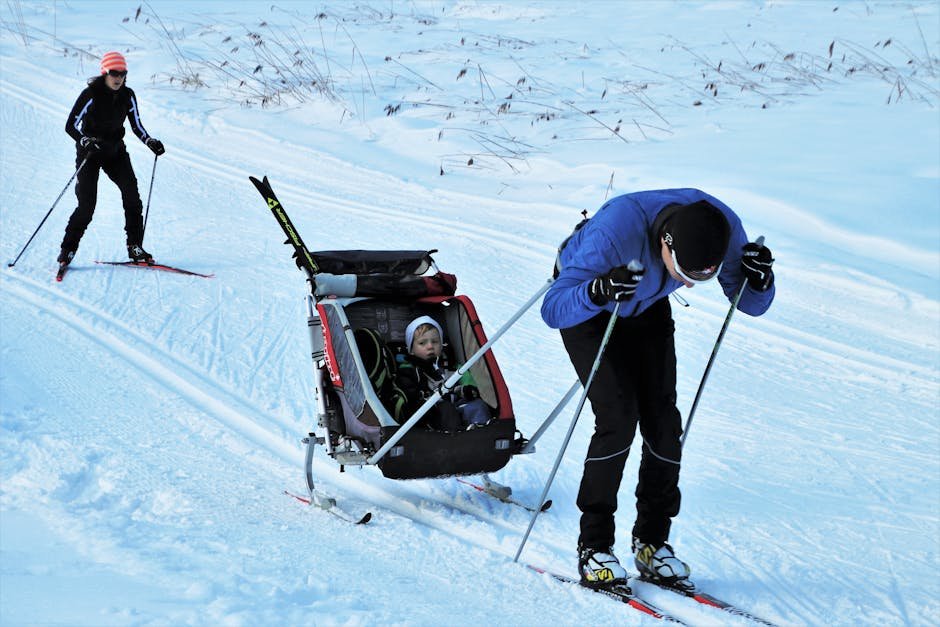
Cross-country skiing combines cardiovascular exercise with serene winter scenery. It’s less intense than downhill skiing but still offers a full-body workout. There are two main styles: classic (diagonal stride on groomed tracks) and skate skiing (side-to-side motion on smooth, wide trails).
Classic skiing is more beginner-friendly and widely available. Many Nordic centers maintain groomed loops suitable for all skill levels. Skate skiing requires more balance and technique but is faster and more dynamic. Both styles are excellent for building endurance and enjoying quiet forests or open fields.
Top destinations include the Trapp Family Lodge in Vermont, the Upper Peninsula of Michigan, and the Canadian Rockies. These areas offer extensive trail networks, rentals, and lessons. Some parks even allow skiing on frozen lakes—always verify ice thickness with local authorities before stepping out.
Getting Started with Cross-Country Skiing
Beginners should take a lesson to learn proper technique and equipment use. Rental packages typically include skis, boots, poles, and trail maps. Wear layers you can remove as you warm up, and choose moisture-wicking fabrics to stay dry.
Start on flat, groomed trails before attempting hills or backcountry routes. Maintain a steady rhythm and use your poles to propel yourself forward. If you fall, stay calm—most falls are harmless and part of the learning process.
Be mindful of trail etiquette. Stay to the right on two-track trails, yield to faster skiers, and avoid stepping on groomed tracks unless necessary. Many Nordic centers charge a trail fee, which supports maintenance and safety services.
Ice Climbing: Conquer Frozen Waterfalls and Cliffs
Ice climbing is one of the most challenging and visually dramatic winter sports. It involves ascending frozen waterfalls, glaciers, or rock faces covered in ice using specialized tools like ice axes and crampons. This activity demands strength, technique, and mental focus.
Unlike rock climbing, ice is dynamic—it can crack, melt, or shift during the day. Climbers must assess ice quality constantly and adapt their routes accordingly. Most beginners start on guided tours with certified instructors who provide gear and safety training.
Popular ice climbing destinations include Ouray, Colorado (known as the “Swiss Alps of America”), Hyalite Canyon near Bozeman, Montana, and the Canadian Rockies. These areas offer established routes, climbing festivals, and gear shops.
Safety First in Ice Climbing
Never attempt ice climbing without proper training and equipment. Essential gear includes a helmet, harness, ice tools, crampons, and a rope system. Helmets are critical—falling ice is a real hazard, even on moderate routes.
Always climb with a partner and use a belay system. Check weather forecasts and ice conditions before heading out. Avoid climbing during rapid thaw periods when ice becomes unstable. Many guided programs include avalanche safety briefings and rescue drills.
Ice climbing is physically demanding. Build core and upper-body strength in advance, and practice footwork on low-angle ice. Respect closures and private property—some areas require permits or have seasonal restrictions.
Snowmobiling: High-Speed Fun Across Snowy Trails
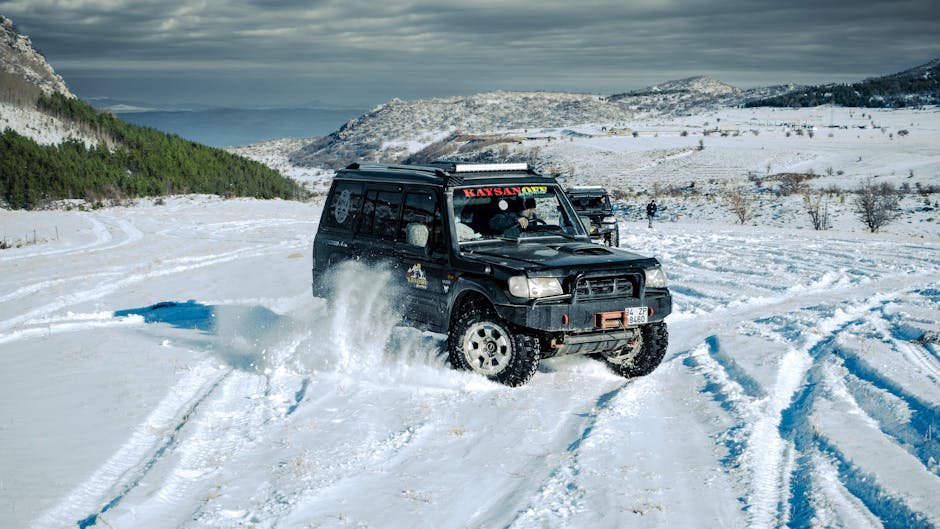
Snowmobiling offers fast-paced excitement across vast winter landscapes. It’s ideal for covering long distances, accessing remote areas, or simply enjoying the thrill of speed on snow. Modern snowmobiles are reliable and easy to operate, even for beginners.
Most snowmobile trails are groomed and marked, often following old logging roads, frozen rivers, or mountain passes. Popular routes include the Continental Divide Trail in Colorado, the North Shore of Lake Superior in Minnesota, and the Adirondack Mountains in New York.
Many resorts and outfitters offer guided tours, rentals, and safety courses. Group rides are common, allowing riders to share the experience and stay together on the trail. Some tours include stops at scenic overlooks, warming huts, or historic sites.
Snowmobiling Safety and Etiquette
Always wear a helmet, goggles, and insulated riding gear. Dress in layers and avoid cotton, which retains moisture. Carry a repair kit, extra fuel, and a communication device in case of breakdowns.
Follow trail rules: stay on marked paths, respect speed limits, and yield to other users. Never ride alone—travel in groups of at least two. Be aware of avalanche zones and avoid steep, ungroomed slopes unless you’re experienced.
Environmental responsibility matters. Stay on designated trails to protect wildlife habitats and reduce erosion. Many areas have noise restrictions and seasonal closures to protect sensitive species.
Backcountry Skiing: Off-Piste Thrills in Remote Terrain
Backcountry skiing, or off-piste skiing, takes you beyond resort boundaries into untouched powder and alpine terrain. It combines the thrill of downhill skiing with the adventure of wilderness travel. This activity requires advanced skiing skills, navigation knowledge, and avalanche safety training.
Skiers use specialized gear: alpine touring (AT) skis with bindings that allow free heel movement for uphill travel, and skins that grip snow on ascents. Once at the summit, the bindings lock for downhill skiing. This self-powered approach allows access to remote peaks and virgin snow.
Popular backcountry destinations include Jackson Hole’s Teton Pass, the Wasatch Range near Salt Lake City, and the Selkirk Mountains in British Columbia. These areas offer steep chutes, tree skiing, and expansive bowls—but also carry significant risk.
Preparing for a Safe Backcountry Ski Trip
Take an avalanche safety course and carry essential rescue gear: beacon, probe, and shovel. Check the avalanche forecast daily and avoid slopes steeper than 30 degrees during high-risk conditions. Travel one at a time on exposed terrain to minimize exposure.
Plan your route in advance using topographic maps and GPS. Let someone know your itinerary and expected return. Start early to maximize daylight and avoid afternoon warming, which increases avalanche danger.
Respect wildlife and private land. Some areas require permits or have access restrictions. Practice Leave No Trace principles—pack out all trash and avoid disturbing animals during winter months when food is scarce.
Winter Camping: Embrace the Silence of the Snow
Winter camping offers a rare chance to experience nature in its quietest season. Snow muffles sound, stars shine brighter, and the landscape transforms into a serene, white wonderland. It’s ideal for those seeking solitude, photography, or a deeper connection with the outdoors.
Camping in cold weather requires careful preparation. Use a four-season tent designed to withstand snow loads and wind. Insulate your sleeping area with a high-R-value sleeping pad and a winter-rated sleeping bag (rated for at least 10°F below expected lows).
Popular winter camping spots include Yellowstone National Park, the Boundary Waters Canoe Area in Minnesota, and the Sawtooth Mountains in Idaho. Many campgrounds remain open year-round, though services may be limited. Dispersed camping is allowed in some national forests with a permit.
Surviving and Enjoying Winter Camping
Stay dry at all costs. Moisture from sweat or melted snow is the biggest threat to warmth. Change into dry clothes before sleeping and keep your sleeping bag in a waterproof stuff sack.
Eat high-calorie foods and drink plenty of fluids—even if you don’t feel thirsty. Your body burns more energy to stay warm. Avoid alcohol, which increases heat loss.
Build a windbreak with snow blocks or use a tarp if conditions allow. Never cook inside your tent—carbon monoxide poisoning is a serious risk. Use a camp stove in a well-ventilated area outside.
Photography and Wildlife Viewing in Winter
Winter offers unique opportunities for photography and wildlife observation. Snow highlights animal tracks, frost creates intricate patterns, and low-angle sunlight enhances landscapes. Many animals are more visible in winter as they move through open areas in search of food.
Common winter wildlife includes deer, elk, foxes, owls, and migratory birds. National parks like Yellowstone and Grand Teton are prime spots for spotting bison, wolves, and moose in snowy settings. Bring binoculars and a telephoto lens to observe from a distance.
For photography, shoot during the golden hours—sunrise and sunset—when light is soft and warm. Use a tripod to stabilize your camera in low light. Protect your gear from moisture and extreme cold, which can drain batteries quickly.
Ethical Wildlife Viewing
Always maintain a safe distance from animals. Use zoom lenses instead of approaching. Never feed wildlife—it disrupts natural behaviors and can be dangerous.
Stay on designated trails to minimize disturbance. In national parks, follow park rules and ranger guidance. Quiet observation is key—loud noises can stress animals during harsh winter months.
Record your sightings respectfully. Share photos and experiences to inspire conservation, but avoid geotagging sensitive locations that could lead to overcrowding or poaching.
Family-Friendly Winter Adventures
Not all winter adventures require extreme skill or endurance. Many activities are perfect for families with children or mixed-age groups. Sledding, tubing, and winter hiking are fun, low-cost options that bring joy without complexity.
Sledding hills are found in parks, resorts, and even suburban neighborhoods. Look for designated areas with soft landings and no obstacles. Use sleds with steering controls and always wear a helmet.
Tubing parks offer groomed lanes and lift service, making it easy to ride repeatedly. Popular spots include Snow tubing parks in Pennsylvania, Michigan, and Colorado. These are great for younger kids who may not ski or snowboard.
Planning a Safe Family Winter Outing
Dress children in layers and ensure they wear waterproof mittens, hats, and boots. Avoid cotton—choose wool or synthetic fabrics that wick moisture. Take frequent breaks in warm shelters to prevent overexertion.
Supervise children at all times. Teach them to stay within boundaries and avoid steep or icy areas. Bring hot drinks and snacks to maintain energy and warmth.
Check age and height restrictions at tubing or sledding parks. Some activities require adult supervision or have minimum age requirements. Always follow posted safety rules.
Essential Winter Adventure Gear Checklist
Regardless of the activity, certain gear is essential for safety and comfort. Start with a base layer of moisture-wicking fabric, add an insulating mid-layer (like fleece or down), and finish with a waterproof outer shell.
Wear insulated, waterproof boots with good traction. Consider adding microspikes or crampons for icy trails. A warm hat, gloves, and neck gaiter protect extremities from frostbite.
Carry a daypack with water, high-energy snacks, a first-aid kit, headlamp, map, and emergency shelter. For longer trips, include a repair kit, fire starter, and communication device.
Layering for Success
Layering allows you to adjust to changing conditions. Remove a layer when active to prevent sweating; add one when resting to retain heat. Avoid overdressing—excess sweat can lead to chilling later.
Choose gear that fits well and allows freedom of movement. Test clothing and equipment before your trip. Break in new boots to prevent blisters.
Store spare clothes in waterproof bags. Keep electronics in insulated cases to protect batteries from cold. Always have a backup plan in case of weather changes or equipment failure.
Choosing the Right Winter Adventure Destination
Your choice of location depends on climate, accessibility, and available activities. Mountain regions like Colorado, Utah, and the Canadian Rockies offer high-elevation terrain ideal for skiing and snowmobiling. Northern states like Minnesota, Michigan, and Maine provide extensive trail networks and cold, reliable snow.
Coastal areas such as New England or the Pacific Northwest offer milder winters with opportunities for snowshoeing and winter hiking. National parks provide scenic backdrops and maintained trails, though services may be limited in winter.
Consider travel time, lodging options, and local regulations. Some areas require reservations for camping or parking. Research outfitters, guides, and rental shops in advance to ensure availability.
What to Look for in a Winter Destination
Reliable snow cover is essential. Check historical snowfall data and recent conditions. Avoid areas prone to ice storms or rapid thaws unless you’re prepared for variable conditions.
Look for destinations with emergency services and cell coverage. Remote areas may lack rescue capabilities, increasing risk. Choose locations with ranger stations or visitor centers for support.
Evaluate crowd levels. Popular resorts offer convenience but can be busy. For solitude, seek lesser-known trails or off-season weekdays. Balance convenience with the experience you want.
Staying Safe in Cold Weather
Hypothermia and frostbite are serious risks in winter. Hypothermia occurs when body temperature drops below 95°F, leading to confusion, shivering, and loss of coordination. Frostbite damages skin and tissue, usually affecting fingers, toes, ears, and nose.
Recognize early signs: numbness, pale skin, slurred speech, or excessive shivering. Act immediately by moving to shelter, removing wet clothing, and warming the person gradually. Seek medical help if symptoms worsen.
Prevention is key. Stay dry, eat regularly, and avoid alcohol. Limit time outdoors during extreme cold or wind chill. Use the buddy system—never venture alone in remote areas.
Emergency Preparedness
Carry a winter survival kit: fire starter, emergency blanket, whistle, and extra food. Know how to build a snow shelter if stranded. Practice using your gear before your trip.
Inform others of your plans. Leave a detailed itinerary with a trusted contact. Check in regularly if possible. Use a satellite communicator in areas without cell service.
Trust your instincts. If conditions feel unsafe, turn back. No adventure is worth risking your life. Winter rewards preparation and respect for nature’s power.
Environmental Responsibility in Winter
Winter ecosystems are fragile. Snow protects plants and insulates animals from extreme cold. Human impact—such as trail erosion, noise, and waste—can disrupt these delicate balances.
Practice Leave No Trace principles: pack out all trash, stay on trails, and minimize campfire use. Use established campsites to reduce vegetation damage. Avoid disturbing wildlife, especially during feeding or denning periods.
Support conservation efforts by visiting parks that fund trail maintenance and wildlife protection. Consider volunteering for winter trail cleanup or citizen science projects.
Respecting Winter Wildlife
Animals conserve energy in winter. Approaching them forces them to flee, burning precious calories. Observe from a distance and use binoculars or telephoto lenses.
Avoid areas with active dens or feeding sites. In national parks, follow wildlife viewing guidelines. Never leave food or trash that could attract animals.
Educate others about ethical practices. Share photos and stories that promote conservation, not disturbance. Winter is a time of survival—help protect it.
FAQ
What is the safest winter activity for beginners?
Snowshoeing is widely considered the safest and most accessible winter activity for beginners. It requires no special skills, uses simple gear, and allows you to explore scenic trails at your own pace. Many parks offer guided tours and marked routes ideal for first-timers.
Do I need special equipment for winter camping?
Yes. Winter camping requires a four-season tent, a sleeping bag rated for sub-freezing temperatures, and a high-insulation sleeping pad. You’ll also need cold-weather clothing, a reliable stove, and emergency gear. Proper preparation is essential for safety and comfort.
Can I go backcountry skiing without a guide?
Only if you have advanced skiing skills, avalanche training, and proper rescue equipment. Backcountry terrain carries significant risks, including avalanches and getting lost. Beginners should always go with a certified guide until they gain experience and knowledge.