

Travel Tips for Currency Exchange Best Rates Guide
Travel Tips for Currency Exchange Best Rates Guide
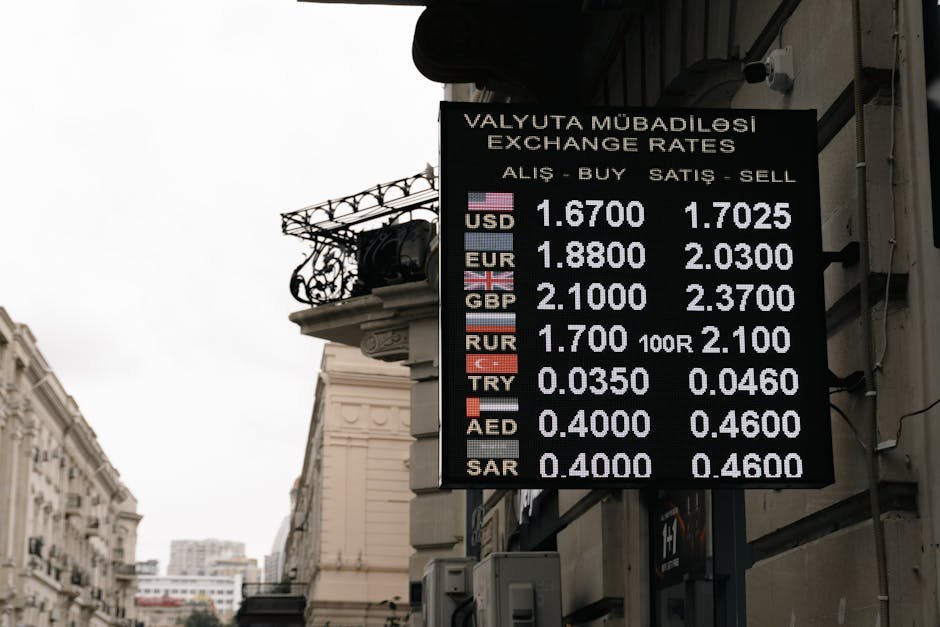
Getting the best currency exchange rates can save you hundreds on your next trip. Avoid airport kiosks and hotel desks—they typically offer rates 5–10% worse than the mid-market rate. Instead, use local banks, reputable exchange offices, or prepaid travel cards linked to real-time rates. For example, exchanging $1,000 USD at an airport might net you only €850, while a local exchange in Paris could give you €920. Planning ahead and comparing options ensures you keep more money in your pocket.
Understand the Mid-Market Rate
The mid-market rate is the real exchange rate between two currencies, based on global financial markets. It’s the rate you see on Google or financial news sites. Banks and exchange services add a markup—often hidden—to this rate, which becomes their profit.
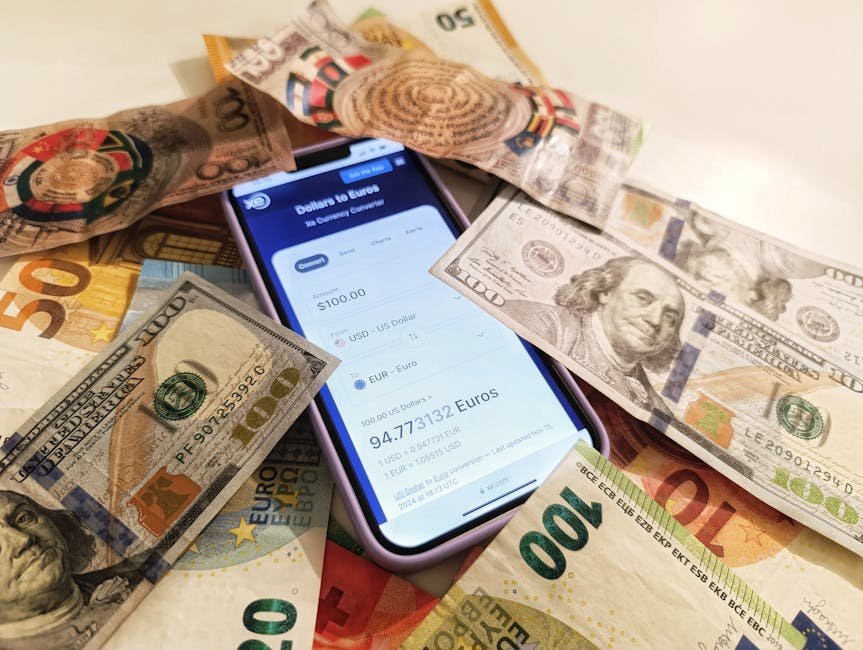
Knowing the mid-market rate helps you spot fair deals. If a service offers a rate significantly lower, they’re likely charging high fees. Use free tools like XE.com or OANDA to check live rates before exchanging money.
Why the Mid-Market Rate Matters
Most travelers lose money not through obvious fees, but through poor exchange rates. A 3% markup on $2,000 is $60 lost—money that could cover a nice dinner or museum tickets. Always compare the offered rate to the mid-market rate to assess true value.
For instance, if the mid-market rate is 1 USD = 0.92 EUR, but a kiosk offers 1 USD = 0.85 EUR, that’s an 8% loss. Even small differences add up over multiple transactions.
Avoid Airport and Hotel Exchanges
Airport currency exchanges are convenient but costly. They cater to last-minute travelers and charge premium rates. A 2023 study by a UK consumer group found airport exchanges averaged 10% worse than high-street options.
Hotels often offer exchange services too, but with similar markups. Staff may claim “no fees,” but the rate itself is inflated. Always ask for the total amount you’ll receive in local currency, not just the rate.
Better Alternatives Near Airports
If you must exchange at the airport, look for banks or independent exchange counters with transparent pricing. Some major hubs, like London Heathrow or Singapore Changi, have competitive options beyond the main kiosks.
Better yet, withdraw local cash from an ATM after arrival. Many ATMs offer near mid-market rates, especially if your bank has international partnerships. Just check for foreign transaction fees first.
Use ATMs Wisely
ATMs are one of the most cost-effective ways to get local currency. They typically use interbank rates—close to the mid-market rate—and charge lower fees than exchange counters.
Choose ATMs inside banks or secure locations to avoid skimming devices. Avoid standalone machines in tourist areas, which may charge high withdrawal fees or offer poor rates.
Minimize ATM Fees
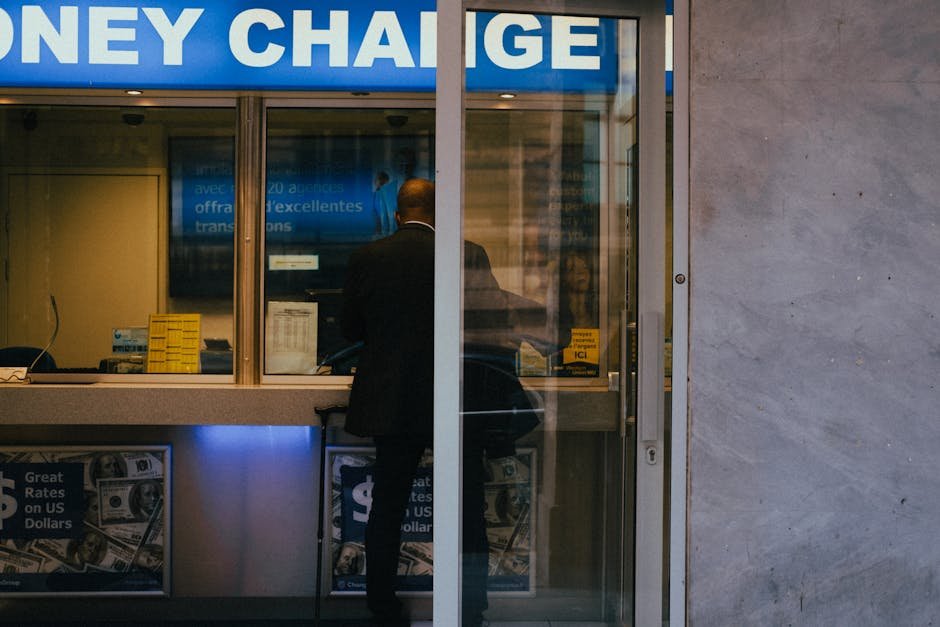
Your home bank may charge a foreign transaction fee (usually 1–3%) and a withdrawal fee. Some banks reimburse international ATM fees—check your account benefits.
Withdraw larger amounts less frequently to reduce per-transaction fees. For example, taking out $300 once is cheaper than six $50 withdrawals. Just carry only what you need for safety.
Consider Prepaid Travel Cards
Prepaid travel cards let you load multiple currencies and lock in exchange rates ahead of time. They’re safer than carrying cash and often offer better rates than banks.
Popular options include Revolut, Wise (formerly TransferWise), and Travelex. These cards use real-time rates and charge low or no fees for spending abroad.
How to Use Travel Cards Effectively
Load your card a few days before departure to secure favorable rates. Monitor exchange trends—if the euro is strengthening, wait to load euros. Most apps allow instant currency conversion and spending alerts.
Avoid dynamic currency conversion (DCC). When paying with a card abroad, merchants may offer to charge you in your home currency. This sounds convenient but uses inflated rates. Always choose to pay in the local currency.
Exchange Money Before You Travel
Some currencies are hard to obtain abroad. For destinations like Vietnam or Egypt, it’s wise to bring USD or EUR and exchange locally. But don’t convert your entire budget at home.
Exchange only enough for the first few days—covering transport, food, and tips. This reduces risk if your wallet is lost or stolen.
Where to Exchange at Home
Local banks often offer better rates than standalone exchange shops. Credit unions and post offices may also provide competitive deals, especially for common currencies like euros or Canadian dollars.
Compare rates online before visiting. Some services, like Travelex or ICE, allow you to order cash online and pick it up at an airport location—often with better rates than walk-in counters.
Watch for Hidden Fees and Commissions
Many exchange services advertise “no commission” but make money through poor rates. Always ask: “What is the total amount I will receive after all fees?”
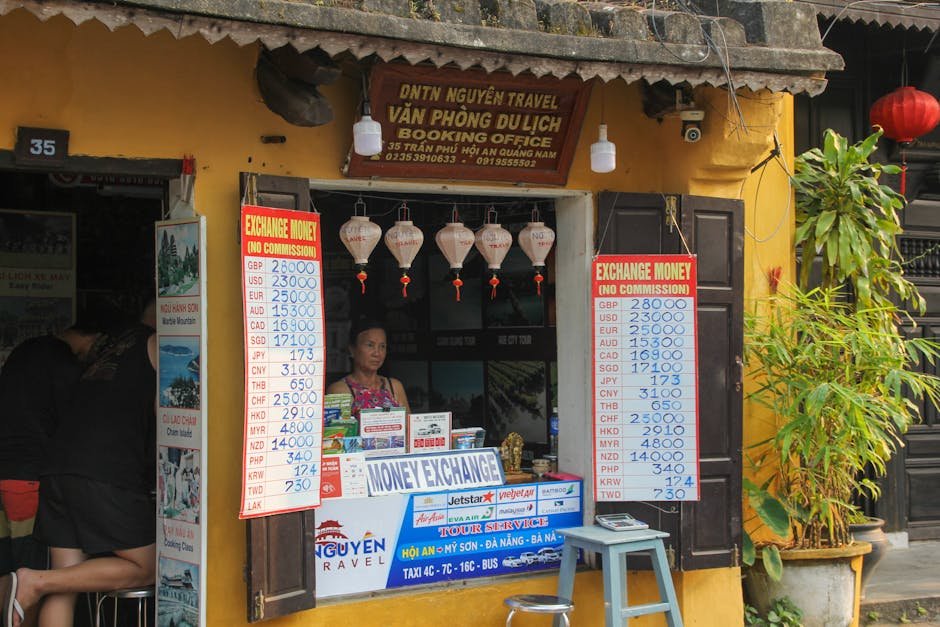
Some banks charge a flat fee per transaction, while others use percentage-based markups. A $10 flat fee might be fair for a $500 exchange, but unreasonable for $50.
Red Flags to Avoid
Be cautious of street vendors offering “great rates” without a storefront. These are often scams. Only use licensed exchange offices with clear signage and posted rates.
Avoid exchanging large amounts in hotel lobbies or taxis. These informal deals rarely offer fair value and increase theft risk.
Time Your Exchange Strategically
Currency values fluctuate daily based on economic news, politics, and market trends. If you’re traveling in a few weeks, monitor the exchange rate and exchange when it’s favorable.
For long-term trips, consider splitting your exchange. Convert half now and half later to average out rate changes. This reduces the risk of locking in a bad rate.
Use Rate Alerts
Set up free alerts on apps like XE or Wise to notify you when your target rate is reached. For example, if you want to exchange USD to JPY at 150, the app will alert you when it hits that level.
This strategy works best for flexible travelers. If your dates are fixed, prioritize reliability over chasing the absolute best rate.
Pay with Cards When Possible
Credit and debit cards are widely accepted in most tourist areas. They often offer better exchange rates than cash exchanges and provide fraud protection.
Use cards for larger purchases like hotels, tours, and dining. Save cash for small vendors, street food, or places that don’t accept cards.
Choose the Right Card
Look for cards with no foreign transaction fees. Many travel rewards cards, such as those from Chase or Capital One, waive these fees and offer bonus points on travel spending.
Avoid using standard debit cards abroad—they often charge high fees and offer poor exchange rates. Check your card’s terms before traveling.
Keep Receipts and Track Spending
Save all exchange receipts and note the rate used. This helps you compare costs and identify the best services for future trips.
Use a budgeting app to track daily spending in both local and home currency. This prevents overspending and helps you stay within your travel budget.
Reconcile at the End of Your Trip
At the end of your trip, review all exchanges and card statements. Calculate your average exchange rate to see how much you paid in fees.
If you have leftover foreign cash, exchange it back at a reputable service. Some banks allow you to deposit foreign currency, though rates may not be favorable.
Final Tips for Smart Currency Exchange
Always carry a mix of payment methods: some cash, a debit card, and a credit card. This ensures you’re prepared for any situation, from market stalls to emergency expenses.
Inform your bank of your travel dates to avoid card blocks. Fraud departments may freeze your card if they detect foreign transactions.
Emergency Backup Plan
Keep a small amount of USD or EUR in a separate wallet or hidden pouch. This serves as a backup if you lose your main funds or can’t access ATMs.
In countries with strict currency controls, like Argentina or Turkey, USD is often accepted in tourist areas. But always confirm prices in local currency to avoid confusion.
FAQ
Q: Should I exchange money before I travel or after I arrive?
A: It’s best to exchange a small amount before travel for immediate needs, then use ATMs or local banks after arrival for better rates.
Q: Are prepaid travel cards worth it?A: Yes, if you travel frequently. They offer competitive rates, low fees, and security. Just avoid loading too much money at once.
Q: How can I avoid dynamic currency conversion fees?
A: Always choose to pay in the local currency when prompted at checkout. Say “No” to conversion to your home currency.