


Best Outdoor Adventure Ideas for Couples Travel Guide
Best Outdoor Adventure Ideas for Couples Travel Guide
Looking for memorable ways to bond with your partner while exploring the great outdoors? The best outdoor adventure ideas for couples blend excitement, connection, and natural beauty—perfect for creating lasting memories. Whether you’re seasoned adventurers or prefer gentle exploration, there’s an outdoor experience that fits your pace and passion. From mountain trails to coastal kayaking, shared adventures deepen relationships through teamwork, discovery, and quality time away from screens.
This guide covers a range of outdoor activities suited for two, with practical tips, destination examples, and safety considerations. You’ll find options for every season, budget, and fitness level—so you can plan your next getaway with confidence.
Why Outdoor Adventures Strengthen Couple Bonds
Shared experiences in nature foster emotional intimacy and mutual trust. Facing challenges together—like navigating a trail or setting up camp—builds teamwork and communication. Unlike routine date nights, outdoor adventures offer novelty and unpredictability, which stimulate dopamine and strengthen attachment.
Research shows couples who engage in novel, exciting activities report higher relationship satisfaction. Nature also reduces stress, making it easier to connect on a deeper level. Whether you’re hiking at sunrise or stargazing by a lake, these moments create stories you’ll retell for years.
Top Outdoor Adventure Ideas for Couples
1. Backpacking Trips in National Parks
Backpacking offers an immersive escape into wilderness, perfect for couples seeking solitude and challenge. Trails like the John Muir Trail in California or the Wonderland Trail in Washington provide stunning scenery and well-marked routes.
Start with a weekend trip if you’re new to backpacking. Pack light, bring a reliable tent, and plan your route in advance. Always check park regulations and weather conditions. A well-prepared trip builds confidence and sets the stage for longer expeditions.
2. Kayaking or Canoeing on Scenic Waterways
Paddling together is both peaceful and invigorating. Glide through calm lakes, winding rivers, or coastal inlets while enjoying birdwatching and shoreline views. The Boundary Waters in Minnesota and Lake Tahoe in California are ideal for beginners and experts alike.
Rent a tandem kayak or canoe to stay close and coordinate strokes. Bring waterproof bags for essentials and pack a picnic for mid-paddle breaks. Always wear life jackets and check water conditions before heading out.
3. Rock Climbing and Bouldering
For couples who enjoy physical challenges, rock climbing builds trust and focus. Indoor gyms offer a safe introduction, while outdoor crags like Joshua Tree or Red River Gorge provide thrilling real-rock experiences.
Take a beginner course together to learn safety techniques and belaying. Climbing requires clear communication—perfect for strengthening your partnership. Start with easy routes and celebrate each other’s progress.
4. Cycling Tours on Rail Trails or Mountain Paths
Cycling combines fitness, exploration, and scenic beauty. Rail trails like the Katy Trail in Missouri or the Great Allegheny Passage offer flat, car-free routes ideal for relaxed rides. For more adventure, try mountain biking in places like Moab, Utah.
Choose bikes suited to your terrain and fitness level. Bring repair kits, helmets, and plenty of water. Plan stops at small towns or viewpoints to stretch and enjoy local food.
5. Camping Under the Stars
A classic outdoor adventure, camping allows couples to disconnect and reconnect. Whether in a national forest, state park, or private campground, sleeping under the stars fosters intimacy and simplicity.
Invest in a quality tent, sleeping bags, and a portable stove. Practice setting up gear at home first. Bring board games, books, or a Bluetooth speaker for cozy evenings. Always follow Leave No Trace principles.
6. Hiking to Hidden Waterfalls or Mountain Peaks
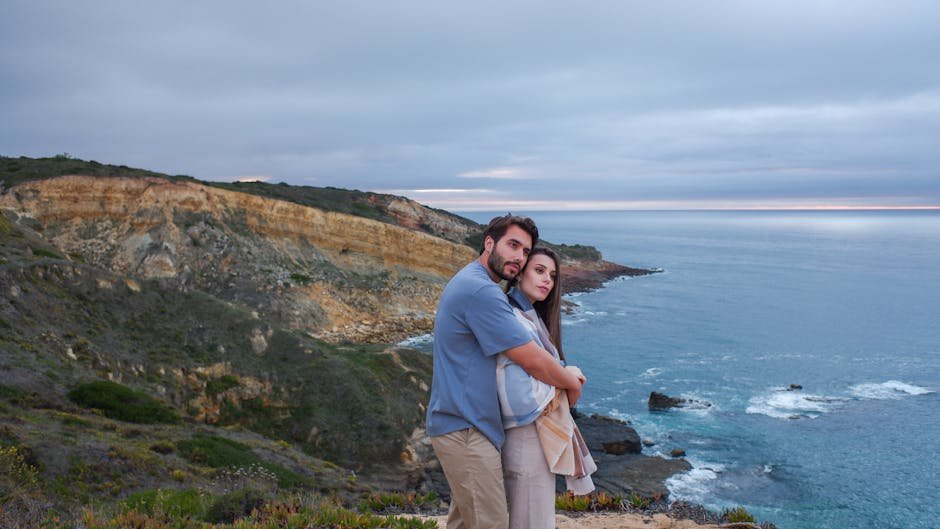
Day hikes to scenic destinations offer reward without overnight commitment. Trails like Multnomah Falls in Oregon or Angels Landing in Utah (with proper permits) deliver breathtaking views and photo opportunities.
Check trail difficulty and elevation gain before you go. Wear sturdy footwear and carry the ten essentials: map, water, snacks, first aid kit, headlamp, and extra layers. Start early to avoid afternoon storms.
7. Snowshoeing or Cross-Country Skiing in Winter
Winter landscapes offer serene beauty and quiet trails. Snowshoeing is accessible for most fitness levels, while cross-country skiing provides a full-body workout. Try areas like Banff in Canada or the Adirondacks in New York.
Rent gear if you’re new. Dress in moisture-wicking layers and protect extremities from cold. Choose groomed trails for skiing or packed snow for snowshoeing. Hot cocoa at a mountain lodge makes a perfect post-adventure treat.
8. Wildlife Safaris and Nature Walks
Observing animals in their habitat is thrilling and educational. Join guided tours in places like Yellowstone, Costa Rica’s rainforests, or the Galápagos Islands. Spotting bears, whales, or exotic birds together creates shared wonder.
Use binoculars and maintain a safe distance. Early mornings and dusk offer the best wildlife activity. Support eco-friendly tour operators who prioritize animal welfare and conservation.
9. Stand-Up Paddleboarding (SUP) on Calm Lakes
SUP is a relaxing way to enjoy water and improve balance. Lakes like Flathead in Montana or Lake George in New York offer calm, clear waters ideal for beginners. Many rental shops offer tandem boards for couples.
Start on your knees if you’re unsure, then stand when confident. Wear a leash and life jacket. Paddle at sunrise for mirror-like water and fewer crowds. Bring a dry bag for your phone and snacks.
10. Multi-Sport Adventure Vacations
Combine several activities into one trip for variety. For example, spend mornings hiking, afternoons kayaking, and evenings camping. Destinations like Moab, Utah, or Asheville, North Carolina, offer diverse terrain and adventure outfitters.
Book guided multi-sport tours if you prefer expert planning. These often include gear, meals, and transportation. They’re ideal for couples who want adventure without the logistics.
Planning Your Couple’s Outdoor Adventure
Assess Your Fitness and Skill Levels
Be honest about your physical abilities and experience. Choose activities that match your current fitness to avoid injury or frustration. It’s better to start small and build up than to overestimate your limits.
Discuss expectations beforehand. One partner may crave adrenaline, while the other prefers relaxation. Compromise by alternating activity types or choosing balanced itineraries.
Choose the Right Destination
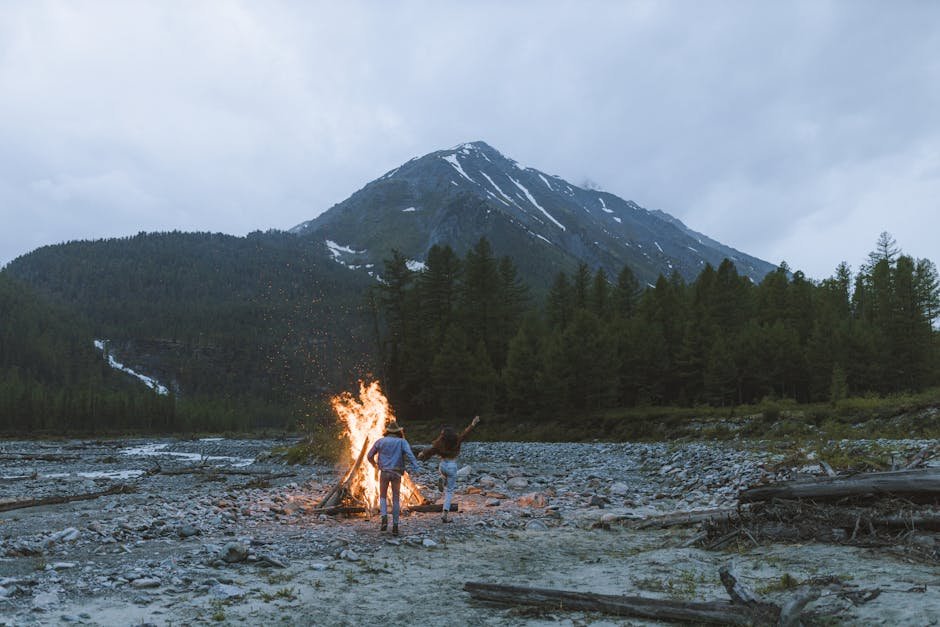
Consider travel time, climate, and accessibility. National parks are popular but can be crowded. Lesser-known state parks or regional forests often offer similar beauty with fewer people.
Use apps like AllTrails or Recreation.gov to find trails, check conditions, and reserve campsites. Read recent reviews to avoid surprises like washed-out bridges or bear activity.
Pack Smart and Light
Overpacking can weigh you down and drain energy. Make a checklist based on your activity and duration. Essentials include navigation tools, weather-appropriate clothing, food, water, and first aid.
Share the load fairly. Use backpacks with hip belts to distribute weight. Test your gear at home to ensure everything fits and functions.
Prioritize Safety
Tell someone your plans, including route and return time. Carry a fully charged phone and a portable charger. In remote areas, consider a satellite communicator like a Garmin inReach.
Learn basic first aid and how to handle emergencies like hypothermia or sprains. Know when to turn back—weather can change quickly in the mountains or on water.
Respect Nature and Local Rules
Follow Leave No Trace principles: pack out all trash, stay on trails, and avoid disturbing wildlife. Observe fire bans and camp only in designated areas.
Support local economies by buying permits, renting gear from local shops, and dining at nearby restaurants. Responsible travel ensures these places remain beautiful for future adventures.
Budget-Friendly Outdoor Adventure Tips
Adventure doesn’t have to be expensive. Many national parks offer free entry days, and camping is far cheaper than hotels. Borrow or rent gear instead of buying new.
Plan trips during shoulder seasons (spring and fall) for lower prices and fewer crowds. Pack your own meals to save on dining. Use free trail maps and apps instead of guidebooks.
Consider volunteering with organizations like the American Hiking Society for trail maintenance. In exchange, you often receive free camping and a deeper connection to the land.
Romantic Touches to Enhance Your Adventure
Add intimacy to your outdoor experience with small gestures. Pack a thermos of coffee for a sunrise toast, bring a lightweight blanket for stargazing, or write love notes to leave in your tent.
Capture memories with a waterproof camera or journal. Take turns planning surprise elements—like a hidden picnic spot or a favorite snack. These personal touches make the adventure uniquely yours.
Avoid over-scheduling. Leave room for spontaneity—wander off-trail, skip a planned stop, or extend your hike if the weather is perfect. Some of the best moments happen unplanned.
Seasonal Adventure Ideas
Spring: Wildflower Hikes and River Rafting
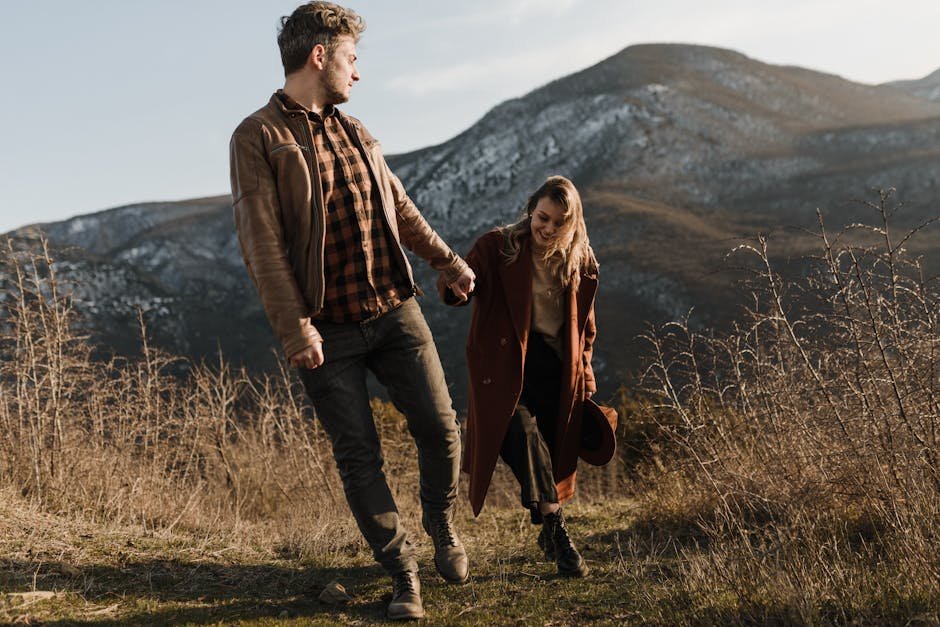
Spring brings blooming meadows and melting snow feeding rivers. Hike in places like Great Smoky Mountains National Park to see trillium and lady slippers. As water levels rise, try gentle rafting on rivers like the Colorado through Glenwood Springs.
Watch for mud on trails and unpredictable weather. Layer clothing and waterproof your gear. Spring is ideal for photography and bird migration viewing.
Summer: Alpine Climbs and Beach Camping
Long days and warm weather open high-elevation trails and coastal escapes. Attempt a summit like Mount Washington in New Hampshire or camp on the Oregon coast near Cannon Beach.
Start hikes early to beat the heat and crowds. Bring sun protection and plenty of water. Summer is also perfect for swimming, snorkeling, or paddleboarding in clear lakes.
Fall: Foliage Walks and Harvest Festivals
Autumn colors transform forests into vibrant canvases. Hike in Vermont, the Blue Ridge Mountains, or the Canadian Rockies. Combine your trip with local apple picking or wine tasting.
Weather is cooler but stable. Pack warm layers for mornings and evenings. Fall festivals often feature live music, food, and craft vendors—great for a post-hike celebration.
Winter: Ice Climbing and Northern Lights Viewing
For daring couples, ice climbing in places like Ouray, Colorado, offers a unique challenge. Alternatively, head to Fairbanks, Alaska, or Tromsø, Norway, to chase the aurora borealis.
Dress in thermal layers and use hand and foot warmers. Book guided tours for safety. Winter solitude and star-filled skies create a magical atmosphere.
Final Thoughts
The best outdoor adventure ideas for couples focus on shared experience, not perfection. It’s not about conquering peaks or logging miles—it’s about being present, supporting each other, and enjoying the journey.
Start with what excites you both. Whether it’s a quiet lakeside paddle or a multi-day trek, the right adventure strengthens your bond and renews your sense of wonder. With thoughtful planning and mutual respect, your next outdoor escape can be both thrilling and deeply meaningful.
FAQ
What’s the easiest outdoor adventure for beginner couples?
A day hike on a well-marked trail or a calm kayak trip on a lake are great starting points. Choose routes with minimal elevation gain and easy access to help build confidence.
How do we stay safe during remote outdoor adventures?
Always share your itinerary with someone, carry a first aid kit, and bring communication devices. Check weather forecasts and know your limits—turn back if conditions change.
Can outdoor adventures work for couples with different fitness levels?
Yes. Choose activities with adjustable intensity, like cycling on flat trails or shared paddleboarding. Take breaks often and focus on enjoyment over performance.