

Top Travel Destinations in Kenya for Wildlife Tours
Top Travel Destinations in Kenya for Wildlife Tours
Kenya is one of Africa’s premier destinations for wildlife tours, offering unmatched opportunities to see the Big Five and experience the raw beauty of the savanna. From the vast plains of the Maasai Mara to the shimmering lakes of the Great Rift Valley, the country delivers diverse ecosystems teeming with animals. Whether you’re a first-time safari-goer or a seasoned traveler, Kenya’s national parks and reserves provide unforgettable encounters with nature. This guide highlights the top travel destinations in Kenya for wildlife tours, helping you choose the best locations based on wildlife density, accessibility, and unique experiences.
Why Kenya Is a Top Choice for Wildlife Enthusiasts
Kenya’s reputation as a wildlife destination stems from its well-preserved ecosystems, government-backed conservation efforts, and community-based tourism initiatives. The country spans a range of habitats—from arid deserts to lush highlands—each supporting distinct animal populations. Its location along major migratory routes makes it ideal for witnessing seasonal animal movements, especially the Great Migration.
Unlike many other African nations, Kenya offers a blend of luxury lodges, eco-friendly camps, and budget-friendly options. This accessibility allows travelers of all budgets to enjoy high-quality safari experiences. Additionally, many parks are easily reachable from Nairobi, Kenya’s capital, making multi-park itineraries practical and efficient.
Conservation Success Stories
Kenya has made significant strides in protecting endangered species. Rhino sanctuaries in Ol Pejeta Conservancy and anti-poaching units in Tsavo have helped stabilize populations of black rhinos and elephants. Community conservancies, such as those near the Maasai Mara, empower local tribes to benefit from tourism while safeguarding wildlife.
These efforts ensure that wildlife remains abundant and visible. Travelers often report sightings of lions, leopards, and elephants within hours of entering a park. This consistency enhances Kenya’s appeal over less predictable destinations.
Maasai Mara National Reserve
The Maasai Mara is Kenya’s most famous wildlife destination and a must-visit for any safari enthusiast. Located in southwestern Kenya, it borders Tanzania’s Serengeti and forms part of a larger ecosystem that supports one of the world’s greatest concentrations of wild animals.
Every year, between July and October, the Mara hosts the Great Migration, when over 1.5 million wildebeest, zebras, and gazelles cross the Mara River. This spectacle draws photographers and nature lovers from around the globe. Even outside migration season, the reserve maintains high wildlife density, with frequent sightings of lions, cheetahs, and elephants.
Best Time to Visit
The dry season from July to October offers the best wildlife viewing. Animals gather around water sources, making them easier to spot. The landscape is also less dense, improving visibility from safari vehicles.
For those seeking fewer crowds and lower prices, the shoulder months of June and November can be ideal. While wildlife is still abundant, accommodations are more affordable, and the parks are less congested.
Where to Stay
Accommodations in the Maasai Mara range from luxury tented camps like Governors’ Camp to mid-range lodges such as Ashnil Mara. Many camps are located within the reserve or on adjacent conservancies, offering exclusive access and night game drives.
Staying in a conservancy—like Olare Motorogi or Naboisho—provides a more intimate experience. These areas limit vehicle numbers, reducing disturbance to animals and enhancing the sense of wilderness.
Amboseli National Park
Amboseli is renowned for its iconic views of Mount Kilimanjaro and large herds of elephants. Located near the Tanzania border, the park sits on a vast, open plain that allows for sweeping vistas and excellent game viewing.
The park’s swamps and seasonal lakes attract a variety of wildlife, especially during the dry season when water becomes scarce elsewhere. Elephants are a highlight, with some herds numbering over 100 individuals. Amboseli is also home to lions, cheetahs, giraffes, and over 400 bird species.
Elephant Research and Conservation
Amboseli is home to the longest-running elephant research project in the world, led by the Amboseli Elephant Research Project. This long-term study has provided invaluable insights into elephant behavior, social structures, and migration patterns.
Visitors may encounter researchers in the field, and some lodges offer educational talks about elephant conservation. This adds a meaningful layer to the safari experience, connecting travelers to ongoing efforts to protect these intelligent animals.
Photography Opportunities
The flat terrain and clear skies make Amboseli a favorite among photographers. Early morning light casts dramatic shadows across the plains, with Kilimanjaro often visible in the background. Elephants crossing the dusty tracks or bathing in the swamps create iconic images.
Guided photography safaris are available, offering expert tips on composition and camera settings. These tours often include visits to less-visited areas of the park for unique perspectives.
Tsavo National Park
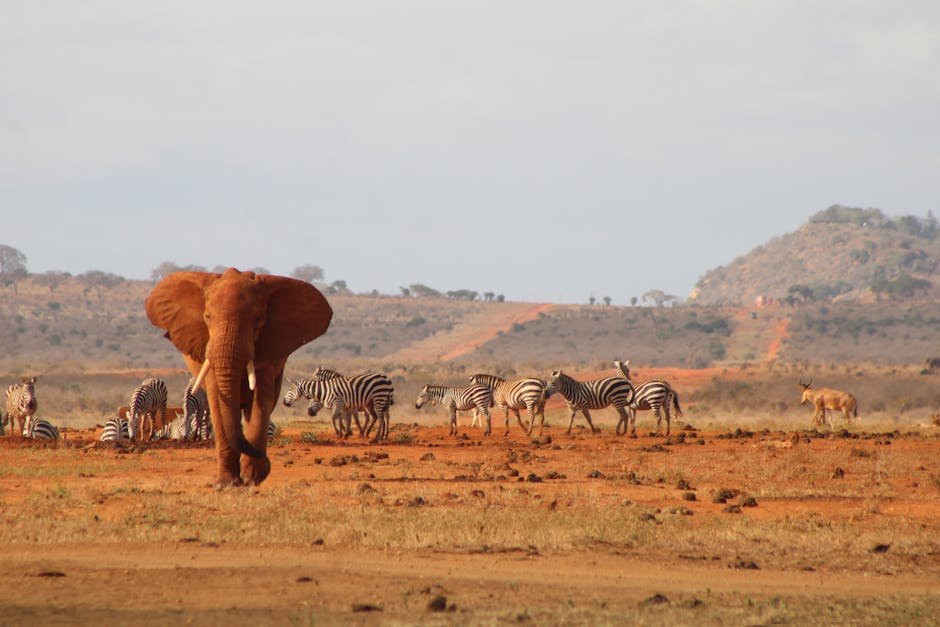
Tsavo is Kenya’s largest national park, divided into Tsavo East and Tsavo West. It covers over 20,000 square kilometers and offers a more rugged, less crowded alternative to the Maasai Mara. The park is known for its red elephants, which coat themselves in iron-rich dust, giving them a distinctive appearance.
Tsavo East features vast open plains, the Yatta Plateau—the world’s longest lava flow—and the Galana River. It’s ideal for spotting elephants, buffaloes, and the rare gerenuk antelope. Tsavo West, by contrast, is more mountainous and includes Mzima Springs, a crystal-clear water source that attracts hippos and crocodiles.
Mzima Springs: A Hidden Gem
Mzima Springs is one of Tsavo West’s standout attractions. Fed by underground rivers from the Chyulu Hills, the springs create a lush oasis in the arid landscape. Visitors can view hippos and fish from an underwater observation tank—a rare experience on African safaris.
The area is also rich in birdlife, with kingfishers, herons, and fish eagles frequently spotted along the shoreline. A walking trail circles the springs, offering shaded paths and picnic spots.
Accessibility and Infrastructure
Tsavo is accessible by road and air. Several airstrips serve the park, with flights from Nairobi taking under an hour. Road travel is possible via the Nairobi-Mombasa highway, though some sections require a 4×4 vehicle, especially during the rainy season.
Accommodations range from basic campsites to luxury lodges like Finch Hattons and Severin Safari Camp. Many lodges offer guided walks and night drives, providing a different perspective on the park’s wildlife.
Lake Nakuru National Park
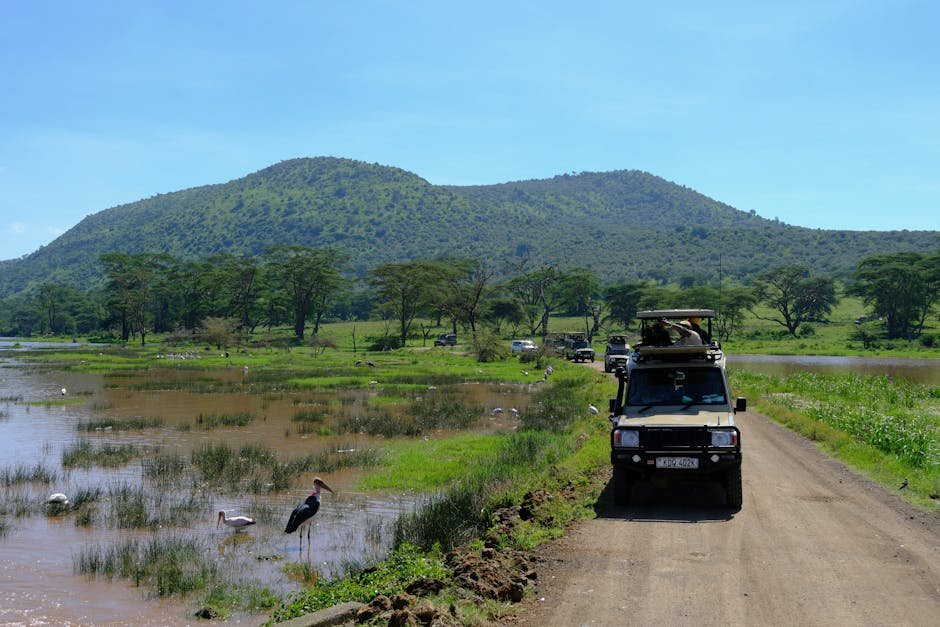
Lake Nakuru, located in the heart of the Great Rift Valley, is famous for its flamingo populations and alkaline lake. While the number of flamingos can vary with water levels, the park remains a birdwatcher’s paradise, with over 450 species recorded.
Beyond birds, Lake Nakuru is a sanctuary for both black and white rhinos. It was one of the first parks in Kenya to establish a rhino sanctuary, and today it plays a critical role in rhino conservation. Lions, leopards, and buffaloes are also commonly seen.
Rhino Protection Efforts
The park’s fenced sanctuary prevents rhinos from straying into areas with higher poaching risks. Rangers conduct regular patrols, and each rhino is monitored closely. Visitors may see rangers on duty, a reminder of the ongoing battle against wildlife crime.
Educational signage and guided tours explain the challenges facing rhinos and the measures being taken to ensure their survival. This transparency helps travelers understand the importance of responsible tourism.
Scenic Drives and Viewpoints
The park’s compact size makes it easy to explore in a single day. The main circuit takes visitors past Baboon Cliff, a popular viewpoint offering panoramic views of the lake and surrounding hills. The terrain is varied, with acacia woodlands, rocky outcrops, and open grasslands.
Early morning visits are recommended for the best lighting and animal activity. The cooler temperatures encourage animals to move around, increasing the chances of sightings.
Samburu National Reserve
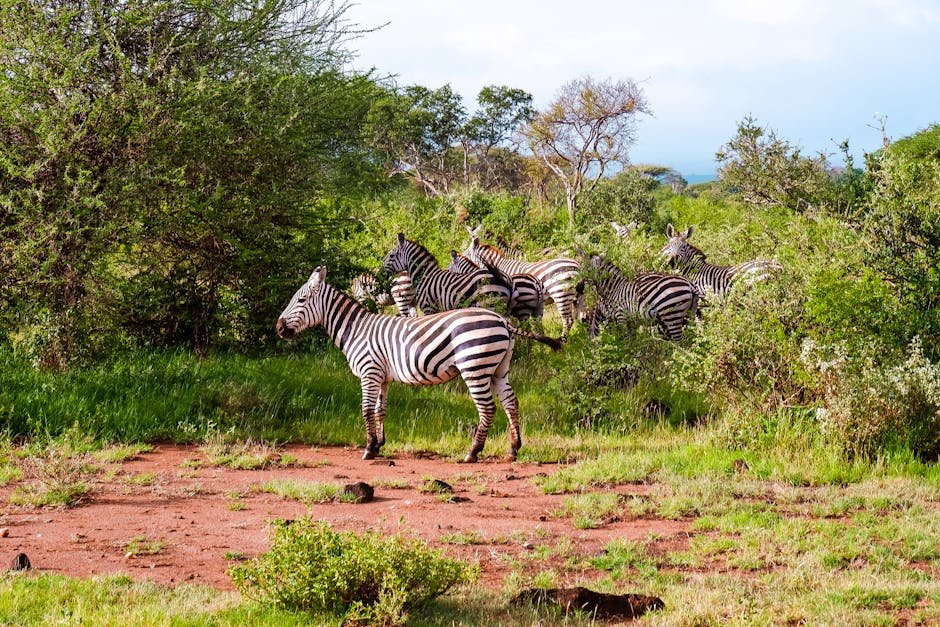
Samburu, located in northern Kenya, offers a starkly different landscape from the country’s southern parks. The arid terrain, dominated by the Ewaso Ng’iro River, supports species adapted to dry conditions, including the Grevy’s zebra, Somali ostrich, and reticulated giraffe.
The reserve is less visited than the Maasai Mara, offering a more remote and authentic safari experience. The cultural aspect is also strong, with opportunities to visit Samburu villages and learn about their traditions.
Unique Wildlife Species
Samburu is one of the few places in Kenya where you can see the endangered Grevy’s zebra. Larger and more striking than the common plains zebra, Grevy’s zebras have narrow stripes and large ears. The reserve also hosts Beisa oryx and gerenuk, both well-adapted to desert life.
Lions in Samburu are known for their distinctive behavior, including climbing trees—a trait shared with lions in neighboring Buffalo Springs. This adaptation helps them escape the heat and avoid insects.
Cultural Experiences
Many lodges in Samburu offer cultural visits to local Samburu communities. These interactions are respectful and educational, often including traditional dances, storytelling, and craft demonstrations. Some tours support community projects, such as schools or water wells.
Travelers are reminded to follow ethical guidelines: avoid giving gifts directly to children and always ask permission before taking photos. These practices ensure that cultural tourism benefits the community without disrupting their way of life.
Laikipia Plateau
The Laikipia Plateau is not a single park but a network of private conservancies and ranches in central Kenya. This region blends wildlife conservation with sustainable land use, offering a model for coexistence between people and animals.
Laikipia is home to healthy populations of elephants, rhinos, and wild dogs. It also supports endangered species like the mountain bongo, a rare antelope found only in Kenya. The area’s diversity of habitats—from montane forests to open grasslands—makes it a haven for wildlife.
Private Conservancies and Luxury Lodges
Unlike national parks, Laikipia’s conservancies allow for off-road driving, night safaris, and walking tours. These activities provide closer encounters with wildlife and a deeper connection to the landscape. Lodges such as Segera and Ol Malo offer high-end experiences with a strong conservation focus.
Many conservancies are community-owned or partnered with local tribes. Revenue from tourism funds schools, healthcare, and anti-poaching units. This model has helped reduce human-wildlife conflict and increased local support for conservation.
Research and Innovation
Laikipia is a hub for wildlife research and innovation. Scientists study predator-prey dynamics, elephant migration, and climate change impacts. Some lodges host researchers and offer guests the chance to participate in citizen science projects.
This forward-thinking approach makes Laikipia appealing to travelers interested in conservation beyond sightseeing. It’s a destination where tourism directly contributes to environmental protection.
Planning Your Kenya Wildlife Tour
Choosing the right destinations depends on your interests, budget, and travel style. For first-time visitors, a combination of Maasai Mara and Amboseli offers a classic safari experience. Those seeking adventure might prefer Samburu or Laikipia for their remote settings and unique species.
Consider the time of year. The dry season (June to October) is best for game viewing, while the wet season (November to May) brings lush landscapes and newborn animals. Birdwatchers may prefer the wet season when migratory species are present.
Getting There and Getting Around
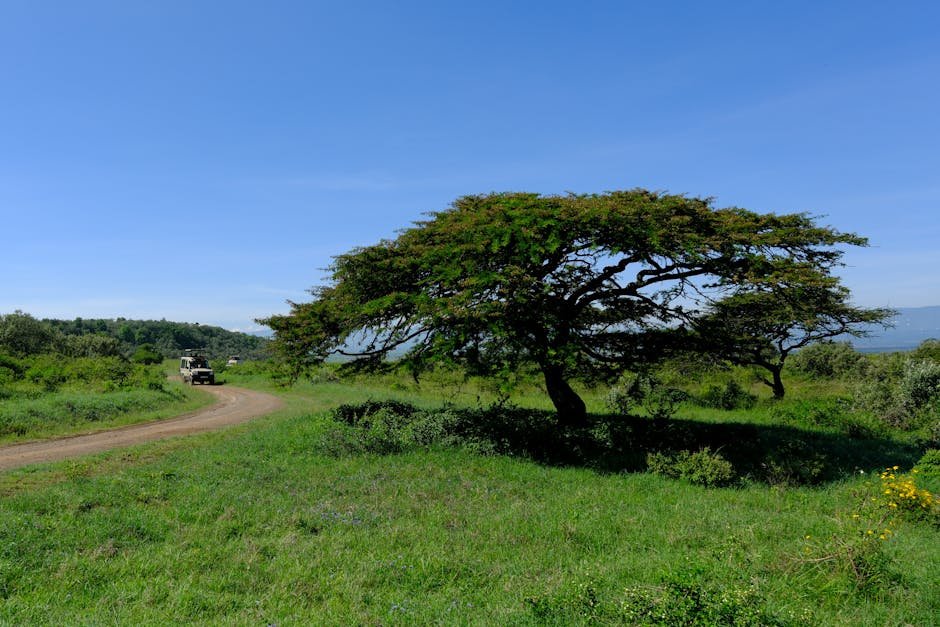
Most international travelers fly into Jomo Kenyatta International Airport in Nairobi. From there, domestic flights connect to regional airports near major parks. Charter flights are common for multi-park itineraries, saving time and offering scenic views.
Self-driving is possible but not recommended for first-time visitors. Road conditions can be challenging, and park rules require guided vehicles in many areas. Most travelers opt for tour operators or lodge transfers.
Choosing a Tour Operator
Reputable tour operators provide knowledgeable guides, reliable vehicles, and well-planned itineraries. Look for companies certified by the Kenya Association of Tour Operators (KATO) or those with positive reviews on platforms like TripAdvisor.
Ask about group size, vehicle type, and guide qualifications. Smaller groups and open-sided vehicles enhance the experience. Certified guides often have backgrounds in biology or conservation, adding depth to the safari.
Packing Essentials
Pack lightweight, neutral-colored clothing for comfort and camouflage. A wide-brimmed hat, sunscreen, and insect repellent are essential. Binoculars and a good camera with a zoom lens will enhance wildlife viewing.
Don’t forget a reusable water bottle and a power bank. Many lodges have limited electricity, and charging opportunities may be scarce during game drives.
Safety and Responsible Tourism
Kenya is generally safe for tourists, but it’s important to follow local advice and park regulations. Always stay inside the vehicle during game drives, except at designated campsites. Keep a safe distance from animals and never attempt to feed them.
Support conservation by choosing eco-friendly lodges and avoiding souvenirs made from wildlife products. Report any suspicious activity to park authorities. Responsible tourism ensures that Kenya’s wildlife thrives for future generations.
Final Thoughts
Kenya’s top travel destinations for wildlife tours offer something for every nature lover. From the dramatic migrations of the Maasai Mara to the quiet beauty of Laikipia, each location provides a unique window into Africa’s wild heart. With careful planning and a respect for nature, your safari can be both thrilling and meaningful.
FAQ
What is the best time of year to visit Kenya for a wildlife tour?
The dry season from July to October is ideal for wildlife viewing. Animals congregate around water sources, and the vegetation is less dense, making sightings easier. The Great Migration in the Maasai Mara peaks during this period.
Do I need a visa to visit Kenya for a safari?
Most visitors require a visa, which can be obtained online through the official eCitizen portal. Processing is typically quick, and the visa is valid for 90 days. Check your country’s specific requirements before traveling.
Can I see the Big Five in Kenya?
Yes, Kenya is one of the best places in Africa to see the Big Five: lion, leopard, elephant, buffalo, and rhino. Parks like Maasai Mara, Amboseli, and Lake Nakuru offer reliable sightings, especially during the dry season.