

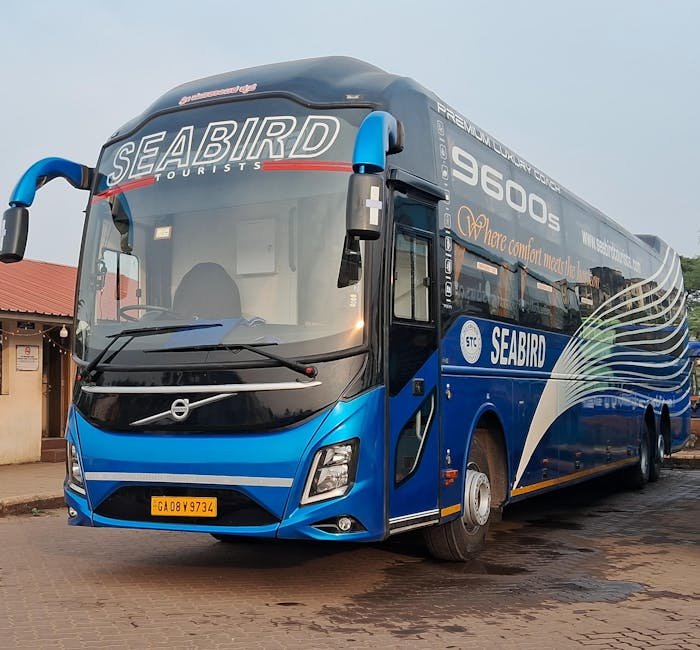
Travel Tips for Long Distance Bus Travel Comfort Guide
Travel Tips for Long Distance Bus Travel Comfort Guide
Long distance bus travel can be a budget-friendly and scenic way to get from one city to another—but without proper preparation, it can quickly turn uncomfortable. Whether you’re heading cross-country or just a few hundred miles, these practical travel tips will help you stay relaxed, alert, and comfortable throughout your journey. From choosing the right seat to packing essentials, this guide covers everything you need to make your next long bus ride a smooth experience.
Choose the Right Seat for Maximum Comfort
Your seat selection can make or break your trip. Opt for a window seat if you want to rest your head or enjoy the scenery. Aisle seats offer easier access to stretch your legs or use the restroom without disturbing others.
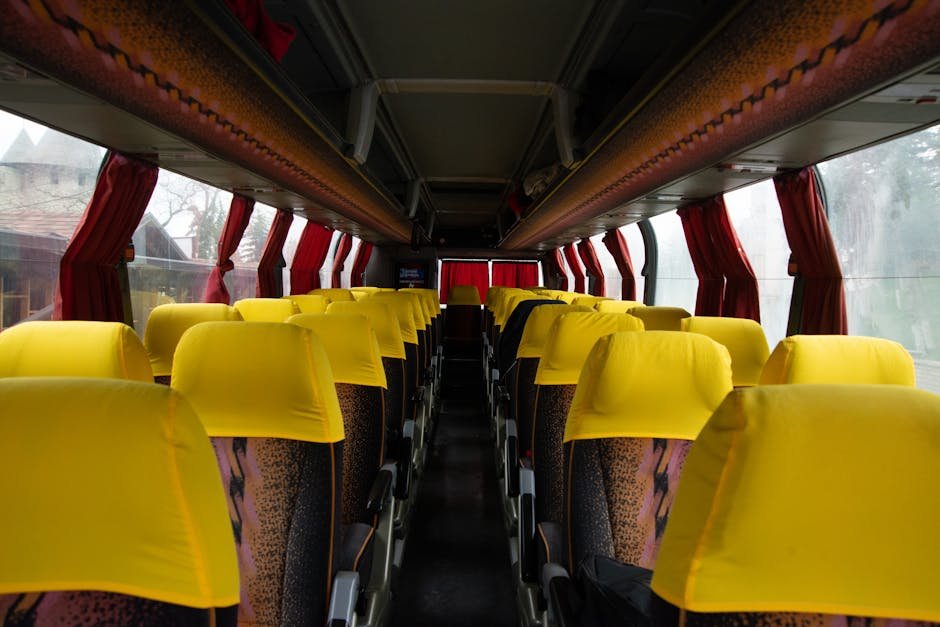
If available, book a seat in the upper deck of a double-decker bus—these tend to be quieter and offer better views. Avoid seats directly over the wheels, as they experience more vibration. Some premium bus services offer reclining seats with extra legroom; these are worth the small upgrade fee for trips over four hours.
Check Seat Features Before Booking
Look for buses with adjustable headrests, footrests, and seatback trays. Power outlets and USB ports are essential if you plan to work or charge devices. Wi-Fi availability varies by provider—confirm ahead of time, especially for rural routes where connectivity may drop.
Some carriers like Greyhound, FlixBus, and Megabus offer seat maps during booking. Use them to avoid seats near the restroom or galley, which can be noisy and smelly during peak times.
Dress Comfortably and in Layers
Wear loose, breathable clothing made from natural fabrics like cotton or linen. Avoid tight jeans or restrictive shoes—opt for slip-ons that are easy to remove during security checks or when stretching your feet.
Bus temperatures can fluctuate. Bring a lightweight sweater or travel blanket, even in summer. Air conditioning is often strong, and you may feel cold after several hours. A scarf or shawl doubles as a pillow or cover if needed.
Footwear Matters
Choose supportive, comfortable shoes with good arch support. Flip-flops aren’t ideal—they offer no protection and can slip off. Consider compression socks if you’re prone to swelling or have a long journey ahead. They improve circulation and reduce fatigue.
Keep a pair of soft socks in your carry-on to change into during the ride. This small swap can make a big difference in comfort, especially on overnight trips.
Pack Smart: What to Bring Onboard
Bring only what you need for the ride in a small backpack or tote. Checked luggage is secure, but you won’t have access to it until your destination. Keep essentials like medications, snacks, and electronics within reach.
Pack a reusable water bottle—many bus terminals have refill stations. Staying hydrated prevents headaches and fatigue, but avoid excessive caffeine or sugary drinks that can lead to energy crashes.
Essential Items to Include
- Travel pillow: A U-shaped neck pillow supports your head during naps. Inflatable versions save space.
- Eye mask and earplugs: These block light and noise, especially helpful on overnight rides.
- Portable charger: Keep your phone or tablet powered, especially if outlets are limited.
- Snacks: Bring non-perishable options like nuts, granola bars, or dried fruit. Avoid strong-smelling foods that might bother fellow passengers.
- Wet wipes and hand sanitizer: Restrooms on buses are often small and may not be fully stocked.
Stay Entertained Without Draining Your Battery
Download movies, podcasts, or e-books before your trip. Streaming uses data and drains batteries quickly. Offline playlists or audiobooks are great alternatives—just bring headphones to keep the peace.
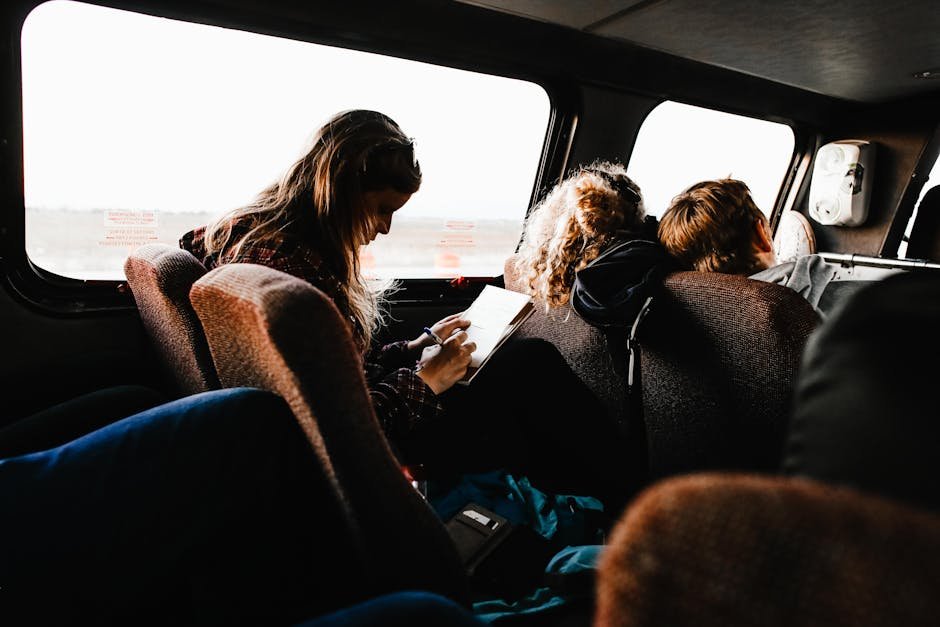
If you enjoy reading, a physical book or e-reader with an e-ink screen is easier on the eyes than a tablet. Consider bringing a small notebook and pen for journaling or sketching—it’s a calming way to pass the time.
Avoid Overstimulation
Long hours of screen time can cause eye strain and headaches. Take breaks every 30–45 minutes to look out the window or close your eyes. Simple stretches in your seat—like rolling your shoulders or rotating your ankles—can prevent stiffness.
If you’re traveling with kids, pack quiet activities like coloring books, puzzles, or travel games. Noise-canceling headphones can help them nap without distraction.
Manage Food and Hydration Wisely
Eating heavy meals before or during a long bus ride can lead to discomfort or drowsiness. Stick to light, balanced snacks and avoid greasy or spicy foods that might upset your stomach.
Many buses make scheduled rest stops every 2–3 hours. Use these breaks to grab a meal, stretch, or use clean facilities. Plan your snacks around these stops to avoid relying solely on onboard vending machines, which often have limited healthy options.
Stay Hydrated, But Not Too Much
Drink water regularly, but don’t overdo it right before boarding. Frequent bathroom breaks can be inconvenient, especially on crowded buses. Sip water steadily throughout the trip instead of gulping large amounts at once.
If you’re prone to motion sickness, avoid carbonated drinks and eat bland snacks like crackers. Ginger chews or peppermint tea can also help settle your stomach.
Prepare for Overnight Journeys
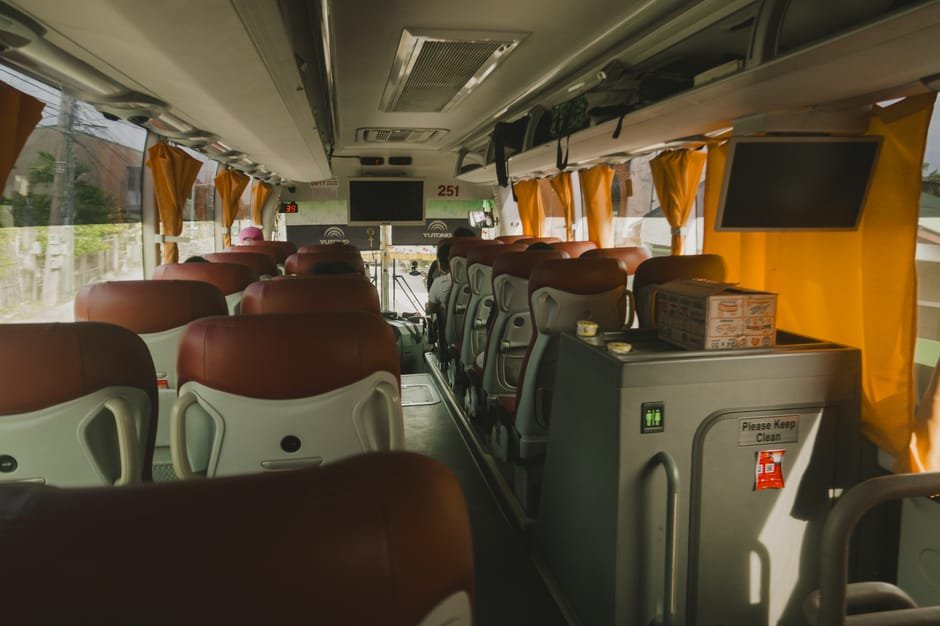
Overnight bus trips can save on accommodation costs, but they require extra preparation. Aim to board tired—take a nap before departure or adjust your sleep schedule a day in advance.
Wear comfortable sleepwear under your clothes, like soft pajama pants or a hoodie. A sleep mask and earplugs are essential for blocking out light and noise. Some travelers bring a small travel blanket or use a large scarf as a cover.
Stay Safe While You Sleep
Keep your valuables close. Use a money belt or small pouch under your clothes for passports, cash, and cards. Store your phone and wallet in an inside pocket or secure bag.
Choose a reputable bus company with good safety records. Share your itinerary with someone you trust and check in periodically. Most buses have security cameras and staff on board, but it’s still wise to stay aware of your surroundings.
Handle Motion Sickness Proactively
Motion sickness is common on winding roads or during turbulence. Sit near the front of the bus where movement is less pronounced. Focus on the horizon or a fixed point outside the window to reduce dizziness.
Over-the-counter medications like Dramamine can help, but they may cause drowsiness. Natural remedies like ginger capsules or acupressure wristbands are non-drowsy alternatives. Test any remedy before your trip to ensure it works for you.
What to Avoid
Don’t read or use screens if you’re prone to nausea. Avoid strong smells like perfume, food, or cleaning products. Open a window slightly for fresh air if possible, or use a small fan to circulate air around your seat.
Stay Connected and Informed
Download your bus company’s app or check their website for real-time updates. Delays happen—knowing your bus’s status helps you plan rest stops or adjust connecting travel.
Save emergency contact numbers and your bus’s route details in your phone. If you’re traveling internationally, ensure your phone is unlocked and consider a local SIM card for better service.
Use Travel Apps Wisely
Apps like Rome2Rio or Wanderu help compare bus schedules and prices. Google Maps can track your location and estimate arrival times. Offline maps are useful in areas with poor signal.
Set reminders for rest stops, meal times, or when to take medication. A simple alarm or calendar alert keeps you on track without constant checking.
Respect Fellow Passengers and Bus Staff
Long rides mean close quarters. Keep noise to a minimum—use headphones and speak softly. Avoid strong perfumes or colognes that might bother others.
Offer your seat to elderly passengers or those with young children if needed. Clean up after yourself—dispose of trash and wipe down your tray table before exiting.
Be Mindful of Shared Spaces
Restrooms are limited and often small. Keep your visits brief and leave the space tidy. If you’re traveling with a group, coordinate bathroom breaks to avoid long lines.
Store bags under the seat in front of you or in overhead compartments. Don’t block aisles or emergency exits. If someone asks you to move your bag, do so politely and promptly.
Plan for Arrival and Recovery
After a long ride, you may feel stiff or disoriented. Take a few minutes to stretch before exiting. Walk around the terminal or parking lot to get your circulation going.
If you’re catching a connecting flight or train, allow extra time. Buses can be delayed due to traffic or weather. Arriving early reduces stress and gives you time to refuel or use facilities.
Post-Travel Tips
Once you reach your destination, drink water and eat a balanced meal. A warm shower or short walk can help reset your body after hours of sitting. If you’re jet-lagged or crossing time zones, try to adjust your sleep schedule gradually.
Reflect on what worked and what didn’t. Keep a travel journal to note comfort tips for future trips. Over time, you’ll develop a personalized routine that makes long bus travel feel effortless.
FAQ
Q: How can I sleep comfortably on a long bus ride?
A: Use a travel pillow, wear comfortable clothes, and bring an eye mask and earplugs. Sit near the front for less motion, and avoid caffeine before boarding.
Q: What should I do if the bus is delayed or canceled?
A: Check the bus company’s app or website for updates. Contact customer service for rebooking options. Keep your ticket and receipt handy for refunds or compensation.
Q: Are there food options on long distance buses?
A: Most buses don’t serve meals, but they make scheduled rest stops where you can buy food. Bring your own snacks and water to stay fueled between stops.