


How to Travel Internationally Without Stress Guide
How to Travel Internationally Without Stress Guide
Traveling internationally doesn’t have to be overwhelming. With smart planning and a few proven strategies, you can enjoy a smooth, stress-free journey from departure to return. This guide walks you through essential steps—from passport checks to packing wisely—so you can focus on the excitement of your trip, not the anxiety of logistics.
Start with the Right Documents
Your international trip begins long before you reach the airport. The most common cause of travel delays is missing or incorrect documentation. Ensure your passport is valid for at least six months beyond your return date—many countries require this.
Check visa requirements for your destination. Some countries offer visa-free entry or visas on arrival, while others require applications weeks in advance. For example, travelers to Japan from the U.S. or EU typically don’t need a visa for short stays, but visitors to India must apply online through the e-Visa portal.
Carry Copies and Digital Backups
Always bring photocopies of your passport, visa, and travel insurance. Keep digital copies in a secure cloud storage service like Google Drive or iCloud. Email them to yourself so you can access them from any device.
If your passport is lost or stolen, having these backups speeds up replacement. Notify your embassy immediately and file a police report if required. Most embassies can issue emergency travel documents within 24–48 hours.
Book Flights and Accommodations Strategically
Timing matters when booking international flights. Mid-week departures—especially Tuesdays and Wednesdays—often cost less than weekend flights. Use fare comparison tools like Google Flights or Skyscanner to track prices over time.
Book accommodations in safe, central neighborhoods with good public transit access. Read recent reviews on platforms like Booking.com or Airbnb, paying attention to mentions of cleanliness, safety, and host responsiveness.
Consider Layovers and Jet Lag
Nonstop flights reduce stress, but if you must connect, allow at least 90 minutes for domestic-to-international transfers and two hours for international-to-international. Major hubs like Dubai, Frankfurt, and Singapore are efficient but can be confusing during peak times.
Combat jet lag by adjusting your sleep schedule a few days before departure. Once on the plane, set your watch to the destination time and stay hydrated. Avoid alcohol and caffeine, which disrupt sleep patterns.
Pack Smart and Light
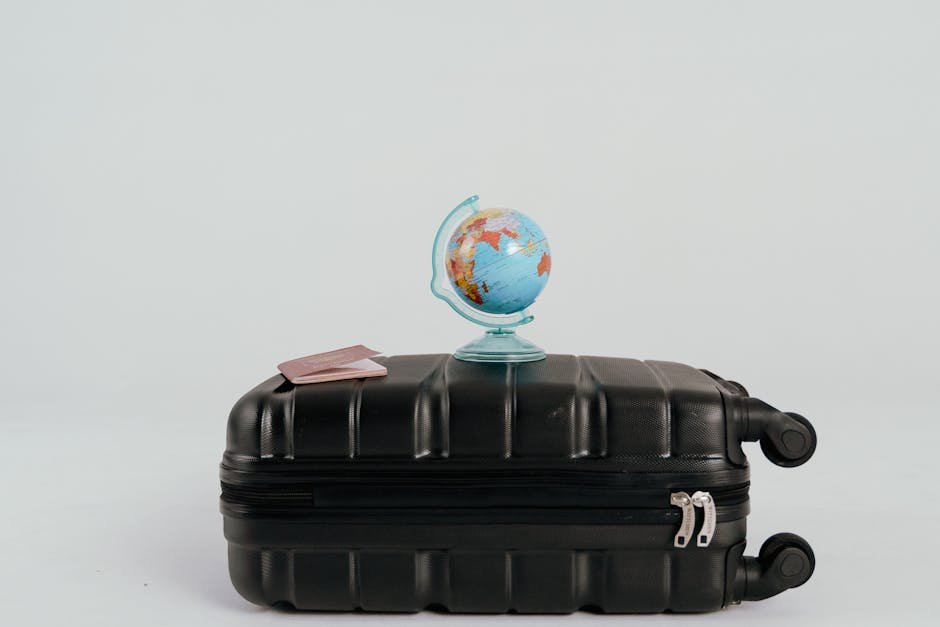
Overpacking leads to heavy bags, extra fees, and mobility issues. Stick to a carry-on whenever possible. Most international airlines allow one carry-on and one personal item, but weight and size limits vary.
Use packing cubes to organize clothes and compress items. Roll garments instead of folding to save space and reduce wrinkles. Pack versatile clothing in neutral colors that can be mixed and matched.
Know What’s Allowed—and What’s Not
Liquids in carry-ons must be in containers of 100ml or less and fit in a single, clear, quart-sized bag. This rule applies globally, though enforcement may vary. Toiletries like shampoo, toothpaste, and sunscreen should be travel-sized or purchased at your destination.
Avoid packing sharp objects, lighters, or batteries in checked luggage. Lithium batteries must go in carry-ons. Check your airline’s prohibited items list before packing. For example, some countries restrict importing certain medications or food items.
Manage Money and Payments Abroad
Notify your bank and credit card companies of your travel dates and destinations. This prevents your cards from being frozen due to suspicious activity. Ask about foreign transaction fees—many premium cards waive them.
Carry a mix of payment methods: one credit card, one debit card, and some local cash. ATMs often offer better exchange rates than currency exchange counters, but check for withdrawal fees.
Use a Travel-Friendly Bank Account
Consider opening a no-fee international bank account or using a digital service like Wise or Revolut. These platforms offer real exchange rates and low fees for spending and withdrawals abroad.
Withdraw larger amounts less frequently to minimize ATM fees. Keep receipts for currency exchanges in case you need to convert leftover money back home.
Stay Connected and Informed
Download offline maps and translation apps before you leave. Google Maps works offline once downloaded, and apps like Google Translate can function without Wi-Fi using downloaded language packs.
Purchase a local SIM card or an international data plan from your carrier. In Europe, eSIMs from providers like Airalo offer affordable data packages without swapping physical SIMs.
Register with Your Embassy
Sign up for your country’s travel registration program, such as the U.S. STEP program or the UK’s LOCATE service. This allows your embassy to contact you in case of emergencies like natural disasters or civil unrest.
Save local emergency numbers and the address of your nearest embassy or consulate in your phone. Keep a printed copy in your wallet as a backup.
Prepare for Health and Safety
Check if your destination requires specific vaccinations. The CDC and WHO websites list current health advisories. For example, yellow fever vaccination is required for entry into parts of South America and Africa.
Pack a basic travel health kit: pain relievers, antiseptic wipes, bandages, motion sickness tablets, and any prescription medications in original containers. Include a digital copy of your prescriptions.
Get Travel Insurance
Travel insurance is non-negotiable for international trips. It covers medical emergencies, trip cancellations, lost luggage, and evacuation. Compare plans on sites like Squaremouth or InsureMyTrip to find one that fits your needs.
Read the fine print. Some policies exclude high-risk activities like scuba diving or skiing. Ensure coverage includes COVID-19-related issues if applicable.
Navigate Airports and Customs Smoothly
Arrive at the airport at least three hours before an international flight. Security and immigration lines can be long, especially during holidays or peak seasons.
Use mobile boarding passes when available. Download your airline’s app to receive real-time updates on gate changes, delays, and boarding times.
Understand Customs Declarations
Every country has customs rules about what you can bring in. Declare food, plants, animal products, and large amounts of cash. Failing to declare items can result in fines or confiscation.
For example, Australia and New Zealand have strict biosecurity laws. Even a forgotten apple in your bag can lead to a hefty fine. When in doubt, declare it.

Stay Organized During Your Trip
Use a travel organizer or app to keep track of reservations, tickets, and itineraries. Google Trips (now integrated into Google Travel) automatically organizes flight and hotel confirmations from your Gmail.
Set daily reminders for important tasks: checking in for flights, confirming tours, or taking medication. A simple checklist on your phone prevents oversights.
Keep Important Items Accessible
Store your passport, boarding pass, and wallet in a secure, easy-to-reach place. A neck wallet or money belt works well for high-theft areas. Never leave valuables unattended in public.
Use a portable charger to keep your phone powered. Many airports have charging stations, but they’re not always reliable or free.
Return Home Without a Hitch
Before leaving your accommodation, do a final sweep for forgotten items. Check drawers, under beds, and the bathroom. Take photos of the room as proof of condition to avoid deposit disputes.
Allow extra time for airport check-in and security on departure day. Some countries require exit visas or proof of onward travel. Confirm requirements with your airline or embassy.
Reintegrate Smoothly
Adjust back to your time zone gradually. Exposure to natural light and staying active helps reset your internal clock. Drink plenty of water and avoid heavy meals on the first day home.
Review your travel expenses and file any insurance claims promptly. Keep receipts for delayed or lost luggage, as most claims must be submitted within a set timeframe.
FAQ
Do I need a visa for every international trip?
No. Many countries offer visa-free entry or visas on arrival for short stays, depending on your nationality. Always check the official government website of your destination before traveling.
Can I use my phone abroad without extra charges?
Yes, with the right plan. Purchase an international data package from your carrier, buy a local SIM card, or use an eSIM service. Avoid roaming unless you’ve confirmed low rates.
What should I do if I lose my passport overseas?
Contact your nearest embassy or consulate immediately. Bring a copy of your passport, proof of travel, and a police report if available. Most embassies can issue emergency travel documents within one to two days.