

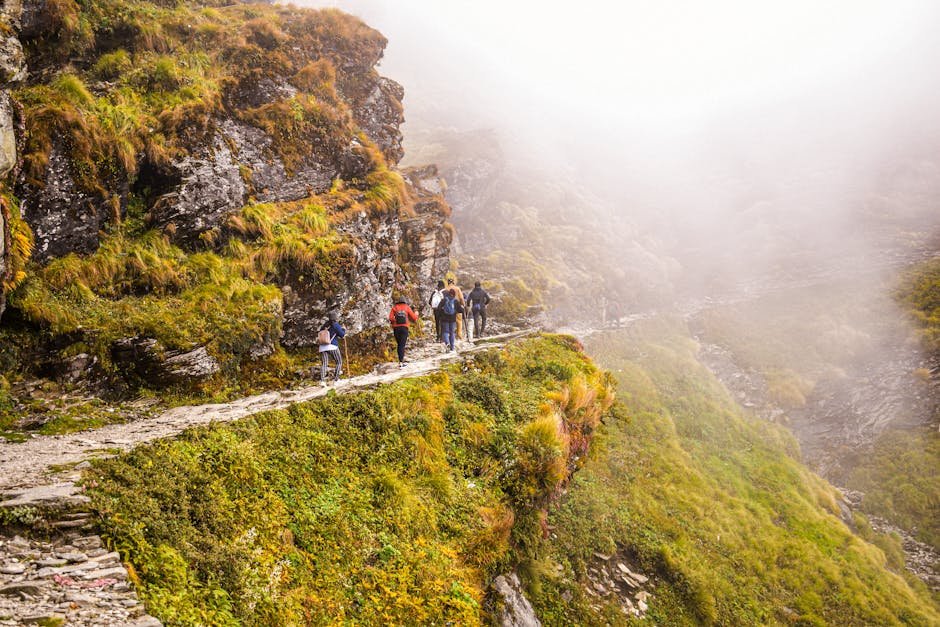
Top Trekking Destinations in India for Beginners Guide
Top Trekking Destinations in India for Beginners Guide
If you’re new to trekking and looking for safe, scenic, and well-marked trails in India, you’re in the right place. This guide highlights the best beginner-friendly trekking destinations that offer manageable difficulty, reliable infrastructure, and stunning natural beauty. From lush Himalayan foothills to misty Western Ghats, these treks require no prior experience and provide guided support, clear paths, and gradual ascents. Whether you’re seeking a weekend escape or your first multi-day hike, these routes are ideal for building confidence and enjoying India’s diverse landscapes.
Why Choose Beginner-Friendly Treks?
Trekking is one of the most rewarding ways to explore India’s natural wonders, but starting with the right trail makes all the difference. Beginner-friendly treks are designed with safety, accessibility, and enjoyment in mind. They typically feature well-maintained trails, moderate elevation gains, and access to basic facilities like water sources and emergency support.
These treks also often include local guides, group support, and clear signage, reducing the risk of getting lost or overexerting yourself. For first-timers, choosing a low-risk route helps build physical stamina and mental resilience. It also allows you to focus on the experience—breathing in fresh mountain air, spotting wildlife, and capturing unforgettable views—without unnecessary stress.
Essential Tips for First-Time Trekkers
Before heading out, preparation is key. Start training at least 4–6 weeks in advance with regular walks, stair climbing, and light cardio. This builds endurance and reduces fatigue on the trail. Always check the weather forecast and avoid trekking during monsoon or extreme cold unless the route is specifically designed for those conditions.
Pack light but smart: carry a 20–30L backpack with essentials like a rain jacket, first-aid kit, water (2–3 liters), snacks, and a headlamp. Wear broken-in hiking shoes with good grip—blisters can ruin a trek quickly. Most importantly, never trek alone. Join a guided group or go with experienced friends to ensure safety and support.
Best Beginner Trekking Destinations in India
1. Triund, Himachal Pradesh
Triund is arguably the most popular beginner trek in India, located near McLeod Ganj in Dharamshala. The 9-kilometer round-trip trail takes you through deodar forests, open meadows, and offers panoramic views of the Dhauladhar range. The ascent is gradual, taking about 4–5 hours, with several rest points along the way.
At the summit, trekkers are rewarded with a campsite under the stars and views of the Kangra Valley. The trail is well-marked and frequently used, making it safe for solo travelers and families. Best time to visit is from March to June and September to November. Avoid winter months unless you’re prepared for snow and cold temperatures.
2. Kumara Parvatha, Karnataka
Known as KP, this 16-kilometer trek in the Western Ghats near Pushpagiri Wildlife Sanctuary is a favorite among South Indian trekkers. Though slightly longer, the trail is well-defined and rarely steep, making it suitable for beginners with basic fitness. The route passes through shola forests, grasslands, and offers views of the Pushpagiri peak.
The summit provides a 360-degree view of the surrounding hills and valleys. The best time to trek is between October and February. Permits are required and can be obtained from the forest department. Carry all food and water, as there are no shops en route. Night trekking is not recommended due to wildlife activity.
3. Hampta Pass, Himachal Pradesh
While technically a moderate trek, Hampta Pass is often recommended for beginners due to its organized structure and scenic variety. Spanning 5 days and covering 35 kilometers, it starts from Jobri and crosses from the lush green Kullu Valley into the stark, desert-like landscape of Lahaul.
The trail includes river crossings, glacial moraines, and views of the Chandratal Lake. Most operators provide tents, meals, and guides, reducing the need for heavy packing. Acclimatization is built into the itinerary, helping prevent altitude sickness. Best time is June to September. This trek is ideal for those ready to try a multi-day adventure with support.
4. Brahmagiri, Karnataka
Located in the Western Ghats near the Kerala-Karnataka border, Brahmagiri offers a moderate 8-kilometer trek with a mix of forest trails and open ridges. The summit stands at 1,608 meters and provides views of the Nilgiri Hills and the mist-covered valleys below. The path is well-maintained and rarely crowded.
The trek is best attempted from November to February. It’s a great introduction to high-altitude trekking without extreme elevation. The trail passes through the Brahmagiri Wildlife Sanctuary, so wildlife sightings—like langurs and deer—are common. Permits are required and can be obtained at the forest check post.
5. Dayara Bugyal, Uttarakhand
Dayara Bugyal is one of the most beautiful high-altitude meadows in India, accessible via a 9-kilometer trek from Raithal village. The trail is gentle, with gradual inclines through oak and rhododendron forests. The meadow itself spans over 280 hectares and offers stunning views of the Garhwal Himalayas, including Bandarpunch and Black Peak.
The best time to visit is from April to June and September to November. In winter, the meadow is covered in snow, making it ideal for snow trekking. Accommodation is available in tents or local homestays. The trek is well-suited for beginners due to its low technical difficulty and scenic payoff.
6. Chembra Peak, Kerala
Chembra Peak, near Wayanad, is a 9-kilometer round-trip trek that ends at a heart-shaped lake on the summit. The trail begins at the Chembra Peak Base Camp and climbs steadily through tea estates and dense forests. The final stretch involves a short rock scramble, but ropes and guides are usually available.
The trek is open from October to May. Permits are mandatory and can be obtained at the forest office in Meppadi. The lake is considered sacred, so swimming is not allowed. The views from the top are breathtaking, especially during sunrise. This trek is popular among families and first-time trekkers due to its manageable length and unique summit feature.
7. Kheerganga, Himachal Pradesh
Kheerganga is a spiritual and scenic trek in the Parvati Valley, starting from Barshaini village. The 12-kilometer trail follows the Parvati River through pine forests and ends at a hot spring and ancient Shiva temple. The final ascent is steep but short, and the reward—a natural hot water spring—is perfect for relaxing sore muscles.
The best time to visit is from May to October. Winter treks are possible but require snow gear. Overnight stays are available in basic guesthouses or camps. The trail is well-used and safe, with tea shops along the way. It’s a great choice for those combining trekking with a cultural experience.
8. Tadiandamol, Karnataka
Tadiandamol, the highest peak in Kodagu (Coorg), is a 14-kilometer round-trip trek that’s perfect for beginners. The trail starts from the Nalakunad Palace and winds through coffee plantations, evergreen forests, and grasslands. The summit offers views of the Western Ghats and the surrounding valleys.
The trek is best from November to March. Monsoon months make the trail slippery and dangerous. The path is well-marked, and local guides are available at the base. The summit is flat and spacious, ideal for group photos and rest. This trek is especially popular among weekend travelers from Bangalore and Mysore.
9. Chandratal Lake, Himachal Pradesh
Chandratal, or the “Moon Lake,” is accessible via a 12-kilometer trek from Batal in the Spiti Valley. The trail is moderate, with high-altitude terrain and stunning views of the Chandra River and surrounding peaks. The lake sits at 4,300 meters and is known for its crystal-clear waters and reflections.
The best time to visit is July to September, when the lake is ice-free. Acclimatization is crucial—most trekkers spend a day in Manali before starting. The trek is often done as part of a larger Spiti circuit. Due to the altitude, beginners should be in good health and prepared for thin air.
10. Sandhan Valley, Maharashtra
Often called the “Valley of Shadows,” Sandhan Valley is a canyon trek near Pune that combines hiking with rappelling. The 8-kilometer trail involves walking through a narrow gorge, with sections requiring rope assistance. It’s a unique experience for beginners interested in adventure beyond traditional trekking.
The trek takes 2 days, with an overnight camp inside the valley. The best time is from October to March. Guides are mandatory, and all safety equipment is provided. The cool microclimate and dramatic rock formations make it a standout destination. It’s ideal for those seeking a mix of trekking and light technical adventure.
How to Choose the Right Trek for You
With so many options, selecting the right trek depends on your fitness level, time availability, and interests. Start by assessing your physical condition—can you walk 5–7 kilometers on uneven terrain without exhaustion? If yes, most beginner treks are within reach.
Consider the season and location. Himalayan treks are best in summer, while Western Ghats routes are ideal in winter. Also, think about duration: weekend treks like Triund or Chembra are great for short trips, while multi-day treks like Hampta Pass require more planning. Always read recent traveler reviews and choose reputable operators for guided treks.
Safety and Environmental Responsibility
Safety should always come first. Inform someone about your trek plan, including route and expected return time. Carry a basic first-aid kit and know how to use it. Stay hydrated and avoid alcohol during the trek. If you feel dizzy, nauseous, or short of breath, descend immediately—these could be signs of altitude sickness.
Respect nature by following the Leave No Trace principles. Pack out all trash, avoid disturbing wildlife, and stay on marked trails. Many trekking areas are in protected zones, so follow local rules and permit requirements. Supporting eco-friendly homestays and local guides also helps sustain these destinations for future trekkers.
Final Thoughts
India offers an incredible variety of trekking experiences, and beginners have more options than ever. From the snow-kissed meadows of Uttarakhand to the tropical peaks of Kerala, there’s a trail for every interest and fitness level. The key is to start small, prepare well, and choose routes that match your comfort zone.
These ten destinations provide the perfect balance of beauty, accessibility, and safety. With proper planning and respect for the environment, your first trek can be the start of a lifelong passion. Lace up your boots, pack your bag, and step into the wild—India’s mountains are waiting.
FAQ
Q: Do I need prior experience to start trekking in India?
No, many treks like Triund, Chembra, and Tadiandamol are designed for beginners. With basic fitness and proper preparation, first-timers can safely complete these trails.
Q: What is the best time of year for beginner treks in India?
It depends on the region. Himalayan treks are best from March to June and September to November. Western Ghats treks are ideal from October to March. Always check weather conditions before departure.
Q: Can I trek alone as a beginner?
It’s not recommended. Always trek with a group or a certified guide, especially on remote trails. This ensures safety, navigation support, and assistance in case of emergencies.