

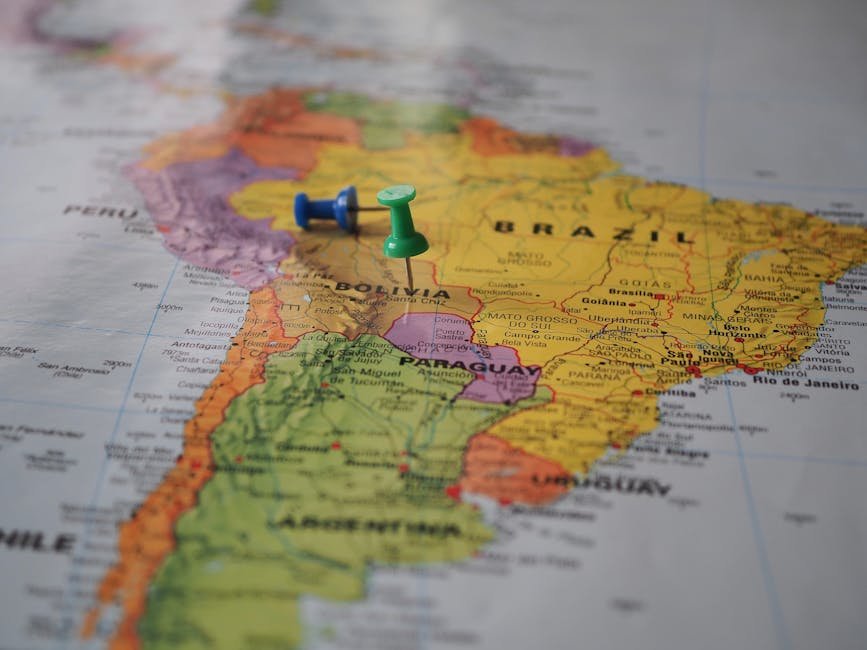
Best Countries to Visit in South America for Travel
Best Countries to Visit in South America for Travel
South America offers a rich tapestry of landscapes, cultures, and experiences that cater to every kind of traveler. From the towering Andes to the Amazon rainforest and vibrant coastal cities, the continent is a treasure trove of adventure and discovery. Whether you’re drawn to ancient ruins, pristine beaches, or bustling urban centers, South America delivers unforgettable journeys. This guide highlights the best countries to visit in South America for travel, offering practical insights to help you plan your ideal trip.
Why South America Should Be on Your Travel Radar
South America stands out for its diversity—geographically, culturally, and historically. The continent spans deserts, jungles, glaciers, and high-altitude plateaus, all within relatively compact borders. Travelers can experience multiple climates and ecosystems in a single trip.
Beyond nature, South America is home to some of the world’s most fascinating civilizations. The Inca Empire’s legacy lives on in Peru, while colonial architecture dots the streets of Colombia and Ecuador. Indigenous traditions, music, and cuisine remain deeply woven into daily life.
For budget-conscious travelers, many South American countries offer excellent value. Accommodation, food, and transportation are generally affordable compared to North America or Europe. English is not widely spoken, so learning basic Spanish or Portuguese can go a long way.
Top Countries to Visit in South America
1. Peru: Ancient Wonders and Andean Peaks
Peru is a standout destination for history lovers and adventure seekers. Machu Picchu remains one of the most iconic archaeological sites in the world. The ancient citadel, perched high in the Andes, draws visitors from across the globe.
Lima, the capital, offers a sophisticated culinary scene. The city is considered the gastronomic capital of South America, with restaurants serving ceviche, lomo saltado, and other Peruvian staples. Nearby, the Nazca Lines and Sacred Valley provide additional layers of cultural depth.
For outdoor enthusiasts, trekking the Inca Trail or exploring the Amazon basin near Iquitos offers thrilling experiences. Altitude sickness can be a concern in Cusco and other high-altitude areas. Arrive a day early to acclimate and stay hydrated.
2. Colombia: Vibrant Cities and Caribbean Charm
Colombia has transformed into one of South America’s most welcoming destinations. Once known for conflict, the country now boasts safe, lively cities and stunning natural beauty.
Bogotá, the capital, blends colonial architecture with modern energy. Visit the Gold Museum, ride the cable car up Monserrate, and explore La Candelaria’s colorful streets. Medellín, once infamous, is now celebrated for innovation and urban renewal.
The Caribbean coast offers sun-soaked escapes. Cartagena’s walled old town is a UNESCO World Heritage site, with pastel buildings and cobblestone alleys. For a quieter experience, head to Tayrona National Park, where jungle meets pristine beaches.
Coffee lovers should visit the Coffee Triangle (Eje Cafetero). Towns like Salento and Manizales offer scenic hacienda stays and tours of working coffee farms. The region’s lush green hills are perfect for hiking and birdwatching.
3. Chile: From Atacama to Patagonia
Chile stretches along the western edge of South America, offering dramatic contrasts. The Atacama Desert in the north is one of the driest places on Earth. Stargazing here is unparalleled, with observatories welcoming visitors.
Santiago, the capital, sits beneath the Andes and offers a mix of culture, wine, and nightlife. Take a day trip to the Casablanca Valley for wine tasting or hike in the nearby mountains. The city’s public transportation is efficient and easy to navigate.
In the south, Patagonia beckons with glaciers, fjords, and national parks. Torres del Paine National Park is a hiker’s paradise, with trails leading to granite towers and turquoise lakes. Weather can change rapidly—pack layers and waterproof gear.
Easter Island (Rapa Nui), a remote Chilean territory in the Pacific, is home to mysterious moai statues. Flights from Santiago take about five hours. Respect local customs and environmental rules when visiting sacred sites.
4. Argentina: Tango, Wine, and the End of the World
Argentina blends European elegance with South American passion. Buenos Aires, the capital, is known for tango, steak, and historic neighborhoods like San Telmo and Palermo. The city’s café culture and late-night dining are legendary.
The wine region of Mendoza lies at the foothills of the Andes. Malbec is the star here, and vineyard tours often include tastings and gourmet meals. The region also offers rafting, horseback riding, and mountain climbing.
For nature lovers, Patagonia offers vast open spaces. El Calafate is the gateway to Perito Moreno Glacier, a massive ice formation that calves into Lake Argentino. Ushuaia, the world’s southernmost city, is the starting point for Antarctic expeditions.
Salta and Jujuy in the northwest feature colorful landscapes and indigenous culture. The Train to the Clouds is a scenic railway journey through high-altitude terrain. Altitude sickness can occur—drink coca tea and avoid alcohol upon arrival.
5. Ecuador: Compact Diversity in the Heart of the Andes
Ecuador packs a lot into a small country. Quito, the capital, sits at 2,850 meters and boasts one of the best-preserved colonial centers in the Americas. The equator runs through the city, marked by the Mitad del Mundo monument.
The Galápagos Islands are a bucket-list destination for wildlife enthusiasts. Giant tortoises, marine iguanas, and blue-footed boobies inhabit this volcanic archipelago. Tours are regulated to protect the ecosystem—choose certified operators.
The Amazon rainforest lies to the east. Lodges near Tena or Puyo offer guided jungle walks, canoe trips, and cultural exchanges with indigenous communities. Malaria prophylaxis may be recommended—consult a travel clinic before departure.
For adventure, climb Cotopaxi, one of the world’s highest active volcanoes. Guided tours are available, but climbers should be in good physical condition and acclimatized to altitude.
6. Bolivia: High-Altitude Culture and Salt Flats
Bolivia is one of South America’s most culturally rich and least-visited countries. La Paz, the administrative capital, is the world’s highest capital city. The city’s markets, like Mercado de las Brujas, offer unique souvenirs and local remedies.
The Salar de Uyuni, the world’s largest salt flat, is a surreal landscape. During the rainy season, a thin layer of water creates a mirror effect, reflecting the sky. Tours typically last three days and include visits to colored lagoons and geysers.
Potosí, a UNESCO site, was once the world’s largest silver mine. Tours of the mines are available, though conditions can be challenging and not suitable for all travelers. Always go with a reputable guide.
Lake Titicaca, shared with Peru, is the highest navigable lake in the world. The Uros people live on floating islands made of reeds. Homestays offer a glimpse into traditional Andean life.
7. Brazil: Beaches, Carnival, and the Amazon
Brazil is South America’s largest country and offers incredible variety. Rio de Janeiro is famous for its beaches, Christ the Redeemer statue, and Carnival. Copacabana and Ipanema are ideal for sunbathing and people-watching.
São Paulo is a global metropolis with world-class museums, restaurants, and nightlife. The city hosts major art and music festivals throughout the year. Public transportation is extensive but can be crowded during peak hours.
The Amazon rainforest covers much of northern Brazil. Manaus is the main gateway, with river cruises and jungle lodges available. Wildlife spotting is best during the dry season, from June to November.
For natural wonders, visit Iguazu Falls on the border with Argentina. The falls span nearly 3 kilometers and are accessible from both countries. The Brazilian side offers panoramic views, while the Argentine side allows closer access.
8. Uruguay: Peaceful Beaches and Historic Towns
Uruguay is often overlooked but offers a relaxed pace and European charm. Montevideo, the capital, has a laid-back vibe with beaches, plazas, and a strong café culture. The Old Town features colonial architecture and art galleries.
Punta del Este is a glamorous beach resort popular with South American elites. It’s ideal for luxury stays, fine dining, and nightlife. For a quieter experience, visit Cabo Polonio, a car-free village with sand dunes and sea lions.
The country is known for its beef and wine. Take a tour of a traditional estancia (ranch) to experience gaucho culture and enjoy an asado (barbecue). Tannat is the national grape variety.
Uruguay is safe and politically stable, making it a great choice for solo travelers and families. The country uses the Uruguayan peso, and credit cards are widely accepted in cities.
9. Venezuela: Natural Beauty with Travel Considerations
Venezuela is home to some of South America’s most dramatic landscapes. Angel Falls, the world’s highest waterfall, is located in Canaima National Park. The tepuis—tabletop mountains—are otherworldly and inspired Arthur Conan Doyle’s “The Lost World.”
However, travel to Venezuela comes with significant risks. Economic instability, crime, and limited access to medical care are serious concerns. The U.S. State Department and other governments advise against non-essential travel.
If you do visit, go with a reputable tour operator and avoid traveling at night. Carry cash in U.S. dollars, as ATMs may not work reliably. Always check current travel advisories before planning.
10. Paraguay: Off-the-Beaten-Path Adventure
Paraguay is one of South America’s least-visited countries, offering authentic experiences for adventurous travelers. Asunción, the capital, has a mix of colonial and modern architecture. The riverside area is great for walking and dining.
The Chaco region in the west is remote and sparsely populated. It’s home to indigenous communities and unique wildlife, including jaguars and tapirs. Travel here requires planning and a 4×4 vehicle.
For history, visit the Jesuit Missions of La Santísima Trinidad de Paraná and Jesús de Tavarangue. These UNESCO sites showcase 17th-century religious architecture. Entry fees are low, and guided tours are available.
Paraguay is affordable and safe for travelers who take basic precautions. Spanish and Guarani are both official languages. English is not widely spoken, so a phrasebook or translation app is helpful.
How to Choose the Right Country for Your Trip
With so many options, selecting the best country depends on your interests, budget, and travel style. Start by identifying what you want to experience—history, nature, food, or relaxation.
Consider the time of year. The dry season in the Andes runs from May to September, ideal for trekking. The Amazon is more accessible during the dry months, though wildlife is still visible year-round.
Budget also plays a role. Countries like Bolivia and Paraguay are very affordable, while Chile and Uruguay are more expensive. Brazil and Argentina fall in the middle range.
Safety is another factor. Most South American countries are safe for tourists, but petty crime like pickpocketing occurs in cities. Stay aware of your surroundings and avoid displaying valuables.
Essential Travel Tips for South America
Visa and Entry Requirements
Check visa requirements based on your nationality. Many countries offer visa-free entry for short stays. U.S., Canadian, and EU citizens can typically enter most South American countries without a visa for tourism.
Some countries require proof of onward travel or vaccination records. Yellow fever vaccine is recommended for travel to the Amazon and parts of Brazil, Bolivia, and Peru. Carry your vaccination certificate.
Health and Safety
Drink bottled or filtered water to avoid stomach issues. Avoid ice in drinks outside major hotels and restaurants. Street food is generally safe in tourist areas, but choose busy stalls with high turnover.
Pack a basic travel health kit with rehydration salts, pain relievers, and any prescription medications. Travel insurance with medical coverage is strongly recommended.
Be cautious with transportation. Use registered taxis or ride-sharing apps in cities. Avoid overnight buses on poorly maintained roads. In remote areas, travel with a guide.
Money and Communication
Local currencies vary. U.S. dollars are accepted in some tourist areas, but local currency is preferred. Exchange money at banks or authorized exchange houses for better rates.
ATMs are widely available in cities but may charge high fees. Notify your bank before traveling to avoid card blocks. Credit cards are accepted in hotels and restaurants, but cash is king in rural areas.
Download offline maps and translation apps. Google Translate works well for Spanish and Portuguese. Learn basic phrases like “gracias” (thank you) and “onde fica…?” (where is…?).
Packing Essentials
Pack layers for varying climates. Even in tropical areas, evenings can be cool. A lightweight rain jacket is useful year-round. Comfortable walking shoes are a must for city tours and hikes.
Don’t forget sunscreen, insect repellent, and a reusable water bottle. A power adapter may be needed—most countries use Type A, B, C, or L outlets. Voltage is typically 220V.
When to Visit South America
South America spans the equator, so seasons are opposite to those in the Northern Hemisphere. Summer runs from December to February, winter from June to August.
The best time to visit depends on your destination. The Andes and Patagonia are best from November to March. The Amazon is accessible year-round, but the dry season (June to November) offers better wildlife viewing.
Carnival in Brazil and Uruguay occurs in February or March. Book accommodations well in advance—prices rise significantly during this period. Machu Picchu and other popular sites also require early reservations.
Avoid major holidays like Semana Santa (Holy Week) if you prefer fewer crowds. Flights and hotels may be fully booked, and some services close.
Final Thoughts
South America is a continent of endless possibilities. Whether you’re exploring ancient ruins, sipping wine in the Andes, or dancing in a Rio samba club, the experiences are deeply rewarding. The best countries to visit in South America for travel offer a mix of adventure, culture, and natural beauty.
Plan ahead, stay flexible, and embrace the unexpected. With thoughtful preparation, your South American journey can be one of the most memorable of your life.
FAQ
What is the safest country to visit in South America?
Uruguay and Chile are consistently ranked among the safest countries in South America. Both have low crime rates, stable governments, and good infrastructure. Always practice common-sense safety measures, such as avoiding unlit areas at night.
Do I need a visa to travel to South America?
It depends on your nationality and destination. U.S., Canadian, and EU citizens can enter most South American countries without a visa for short stays. Check the specific requirements for each country before you travel.
Is South America expensive for tourists?
Generally, no. Countries like Bolivia, Paraguay, and Ecuador are very affordable. Chile and Uruguay are more expensive, similar to parts of Europe. Budget travelers can get by on $30–50 per day, while mid-range travelers may spend $70–120.