

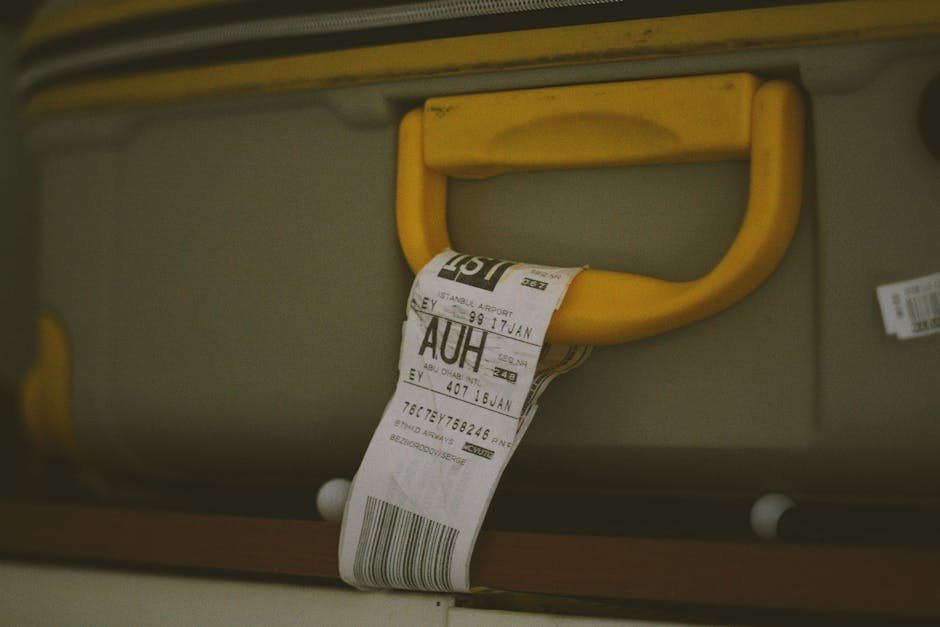
How to Handle Lost Luggage During Travel: Easy Guide
How to Handle Lost Luggage During Travel: Easy Guide
Discovering your luggage is missing after a flight can be stressful, but knowing exactly what to do can save time, money, and frustration. The moment you realize your bag isn’t on the carousel, head straight to the airline’s baggage service office before leaving the airport. Provide your baggage claim ticket, flight details, and a clear description of your bag. Most airlines track lost luggage using barcode systems and can locate your items within hours or days. Acting quickly increases your chances of recovery and ensures you’re eligible for compensation if delays occur.
Immediate Steps to Take at the Airport
As soon as you notice your luggage is missing, stop and assess the situation. Don’t leave the baggage claim area until you’ve reported the issue. Airlines require passengers to file a report on-site to initiate the tracking process.
Locate the Baggage Service Office
Every major airport has a designated baggage service office, usually near the arrival gates or baggage claim. Look for signs labeled “Baggage Services,” “Lost & Found,” or the airline’s name. If you’re unsure, ask airport staff or check the airport’s information desk.
For example, at Chicago O’Hare, United Airlines’ baggage service is located in Terminal 1, while Delta operates from Terminal 2. Knowing this in advance can save precious minutes.
File a Property Irregularity Report (PIR)
You’ll need to complete a Property Irregularity Report (PIR), also called a lost luggage form. This document includes your contact information, flight number, baggage tag number, and a detailed description of your suitcase.
Be specific: instead of “black suitcase,” say “black hard-shell Samsonite with a red ribbon tied to the handle.” Include brand, size, color, and any unique identifiers like stickers or damage.
The airline will give you a copy of the PIR with a reference number. Keep this safe—it’s essential for follow-ups and claims.
Provide Accurate Contact Information
Make sure your phone number and email are correct. Airlines will contact you once your bag is found. If you’re staying at a hotel, provide that address so they can deliver the luggage directly.
Some airlines offer delivery within 24–48 hours of locating the bag. Confirm this option when filing your report.
What Happens After You Report Lost Luggage
Once your report is filed, the airline begins tracking your bag using its barcode and flight data. Most lost luggage is found within 24 to 72 hours, often because it was misrouted or loaded onto the wrong flight.
How Airlines Track Your Bag
Each checked bag is scanned at multiple points: check-in, transfer, and loading. If your bag was scanned at the origin but not at the destination, the system flags it as missing. Airlines use global databases like WorldTracer to search across carriers and airports.
For instance, if your bag was sent to Paris instead of Rome, WorldTracer can identify it and reroute it to you.
Stay in Touch with the Airline
Check in with the airline daily using your PIR number. Most carriers have online portals or phone lines for updates. Avoid calling repeatedly—once every 24 hours is sufficient unless advised otherwise.
Set a reminder to follow up. Some airlines may close your case if they don’t hear from you within a week, even if your bag is still missing.
Compensation and Reimbursement for Essentials
If your luggage is delayed, you may be entitled to reimbursement for essential items like toiletries, clothing, and medications. Policies vary by airline and ticket class, but most offer daily allowances for necessary purchases.
Keep All Receipts

Save every receipt for items you buy due to delayed luggage. Airlines typically require proof of purchase and may limit reimbursement to reasonable expenses.
For example, a $20 toothbrush and $30 shirt are likely covered, but a $300 designer jacket may not be. Stick to basics unless your policy states otherwise.
Understand Your Airline’s Policy
Review your airline’s contract of carriage or baggage policy online. Most major carriers, like American, Delta, and United, allow up to $50–$100 per day for essentials during delays, with a maximum cap (often $3,000–$3,500 for international flights).
Note: Basic economy tickets may have lower limits or exclusions. Always check before spending.
When Your Luggage Is Never Found
If your bag isn’t located within 21 days, the airline will declare it lost and begin the claims process. This doesn’t mean you’ll get your items back—but you may receive financial compensation.
File a Formal Claim
Contact the airline to submit a formal claim for lost baggage. You’ll need your PIR number, receipts for high-value items, and a list of contents with estimated values.
Be honest and accurate. Overestimating value can delay or reduce your payout.
Know the Compensation Limits
Under the Montreal Convention, airlines are liable for up to approximately $1,700 USD per passenger for lost luggage on international flights. Domestic flights in the U.S. are governed by individual airline policies, typically capped at $3,500.
Important: These limits apply to the total value of all bags, not per item. If your suitcase contained $4,000 worth of electronics, you may only recover up to the policy limit.
How to Prevent Lost Luggage in the Future
While you can’t control every delay, smart packing and preparation reduce the risk of losing your bags—or make recovery easier if it happens.
Use a Luggage Tag with Current Info
Attach a durable luggage tag with your name, phone number, and email. Use an inside tag as a backup in case the external one falls off.
Avoid listing your home address for privacy reasons. Instead, include a temporary contact number or hotel address if traveling.
Take Photos of Your Bag and Contents
Snap a photo of your suitcase before checking it. Take another of the interior, highlighting valuable items like cameras, jewelry, or electronics.
These images help prove ownership and value if you need to file a claim. Store them in your phone or cloud storage.
Use a Luggage Tracker
Devices like Apple AirTag, Tile, or Samsung SmartTag fit inside your bag and connect to your smartphone via Bluetooth. They allow real-time tracking if your luggage is misplaced.
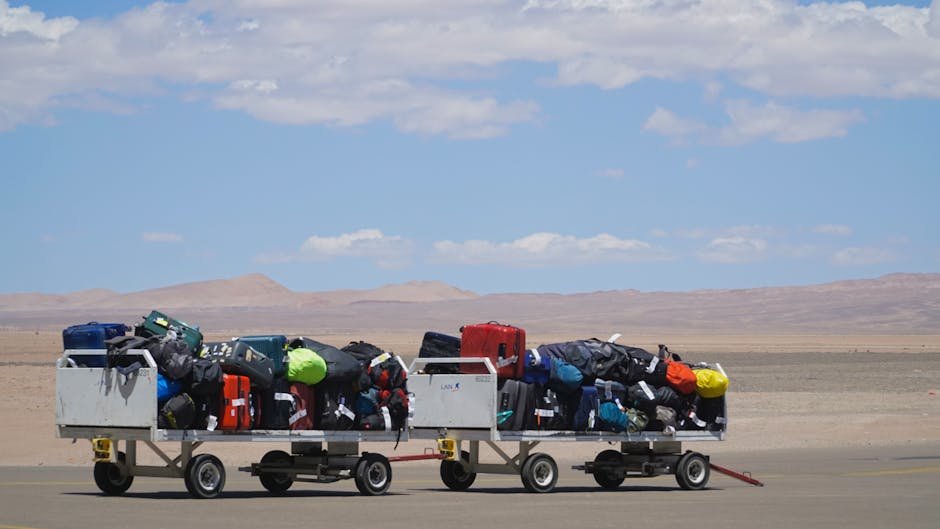
For example, if your bag is left at a transfer airport, you’ll see its last known location on a map. Some trackers work globally using crowd-sourced networks.
Pack Essentials in Your Carry-On
Always keep medications, travel documents, chargers, a change of clothes, and valuables in your carry-on. If your checked bag is delayed, you’ll have what you need for at least 24 hours.
This simple habit can turn a stressful delay into a minor inconvenience.
What to Do If Your Bag Is Damaged
Sometimes luggage arrives—but in poor condition. Report damage immediately, ideally before leaving the airport.
Inspect Your Bag at the Airport
Check for broken zippers, torn fabric, or wheel damage while still at the baggage claim area. If you notice issues, notify the airline staff right away.
They’ll document the damage and may offer repair, replacement, or compensation. Waiting too long can void your claim.
File a Damage Report
Similar to a lost luggage report, a damage report requires photos, a description, and your PIR number. Some airlines cover repairs up to a certain amount.
For instance, Southwest Airlines offers up to $3,500 for damaged baggage, while JetBlue covers up to $1,500.
Dealing with International Travel and Lost Luggage
International flights add complexity due to customs, language barriers, and varying airline policies. Preparation is key.
Know Your Rights Under International Law
The Montreal Convention applies to most international flights, setting liability standards for lost, delayed, or damaged luggage. It ensures consistent treatment across participating countries.
This means even if you’re flying with a foreign carrier, you’re protected under the same rules—up to about $1,700 for lost bags.
Use a Translation App
If you’re in a country where you don’t speak the language, use a translation app to communicate with airline staff. Google Translate or iTranslate can help explain your situation clearly.
Download the app and key phrases in advance, especially if traveling to remote areas with limited English support.
Common Mistakes to Avoid
Even experienced travelers make errors that complicate luggage recovery. Avoid these pitfalls.
Leaving the Airport Without Reporting

Never assume your bag will show up later. File a report before exiting the airport. Once you leave, the airline may not process your claim as quickly.
Not Keeping Your Baggage Tag
The tag stub you receive at check-in contains your bag’s unique ID. Lose it, and tracking becomes harder. Keep it with your boarding pass or in a secure travel wallet.
Overpacking Valuables
While it’s tempting to pack everything, high-value items are safer in your carry-on. Laptops, cameras, jewelry, and prescription glasses should never go in checked luggage.
If you must check valuables, consider purchasing additional baggage insurance.
When to Consider Travel Insurance
Standard airline policies have limits. Travel insurance can fill the gaps, especially for expensive trips or high-value items.
What Travel Insurance Covers
Comprehensive travel insurance often includes coverage for delayed, lost, or damaged luggage. Policies may reimburse you for essentials and provide higher payout limits than airlines.
For example, some plans offer up to $2,000 for lost bags and $500 for delayed luggage, with no deductible.
How to Choose the Right Plan
Compare plans based on coverage limits, exclusions, and claim process. Look for policies that cover “personal belongings” and specify baggage protection.
Read the fine print: some exclude electronics or require a police report for theft.
Final Tips for a Smoother Experience
Handling lost luggage doesn’t have to ruin your trip. Stay calm, act quickly, and follow the steps above.
Remember: most bags are found within a few days. Use the time to enjoy your destination—pack light, stay flexible, and keep your documents handy.
With the right preparation and response, you’ll minimize stress and maximize your chances of a happy ending.
FAQ
How long does it usually take to find lost luggage?
Most lost bags are located within 24 to 72 hours. Airlines use global tracking systems to identify misrouted items and deliver them to your location.
Can I get money for buying clothes if my bag is delayed?
Yes, most airlines reimburse reasonable expenses for essentials like toiletries and clothing. Keep receipts and check your airline’s daily allowance policy.
What if my luggage is never found?
If your bag isn’t located within 21 days, the airline will declare it lost and process a claim. You may receive compensation up to the policy limit, typically $1,700–$3,500 depending on the flight.
Related keywords: How to Handle Lost Luggage During Travel Easy Guide.