

Best Hiking Destinations for Mountain Views
Top Scenic Hiking Trails Around the World
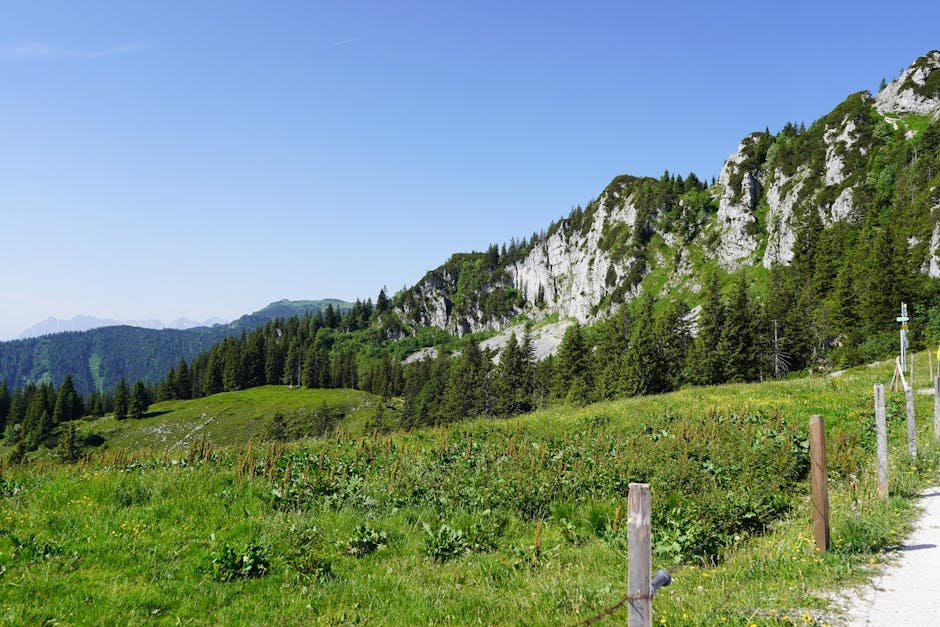
For hikers seeking breathtaking mountain vistas, certain trails stand out for their dramatic peaks, sweeping valleys, and panoramic outlooks. Whether you’re a beginner or an experienced trekker, these top hiking destinations offer unforgettable scenery across diverse landscapes. From the snow-capped Alps to the rugged Rockies, each location delivers unique terrain, rich ecosystems, and photo-worthy summits. This guide highlights the best mountain hikes around the world, offering practical insights to help you choose the right adventure based on difficulty, season, and accessibility.
Why Mountain Hiking Offers Unmatched Scenic Rewards
Mountain hiking combines physical challenge with visual reward. As you ascend, the landscape unfolds in layers—forests give way to alpine meadows, then rocky ridges, and finally open summits with 360-degree views. The higher you climb, the more expansive the scenery becomes, often revealing distant ranges, glacial lakes, and weather patterns moving across the horizon.
Unlike flatland trails, mountain paths offer dynamic elevation changes that create natural drama. Sunrises and sunsets are especially striking from high elevations, with light filtering through cloud layers and casting long shadows across the terrain. These visual experiences are a major draw for outdoor enthusiasts.
What Makes a Hike Truly Scenic
Scenic mountain hikes share common features: unobstructed views, varied topography, and minimal light pollution. Trails that follow ridgelines or pass glacial cirques often provide the most dramatic outlooks. Look for routes with multiple vantage points, such as switchbacks that spiral upward, offering changing perspectives with each turn.
Water features like alpine lakes or cascading streams add depth to the scenery. Trails near national parks or protected areas tend to preserve natural beauty and limit development that could obstruct views. Always check trail reports for seasonal conditions—snowmelt or wildfire smoke can affect visibility.
Top Hiking Destinations for Scenic Mountain Views
The Dolomites, Italy
The Dolomites in northern Italy are a UNESCO World Heritage site known for their jagged limestone formations and golden-hued peaks. The region offers hundreds of miles of well-marked trails, many accessible via cable car or mountain huts.
One of the most scenic routes is the Tre Cime di Lavaredo loop. This 6.5-mile trail circles three iconic peaks, offering close-up views of vertical rock faces and alpine meadows. The hike is moderately challenging, with some steep sections and exposed areas, but the payoff includes views of the Sexten Valley and distant glaciers.
Best visited from June to September, the Dolomites also offer rifugi (mountain huts) for overnight stays. These provide meals, shelter, and early morning access to sunrise viewpoints. Always carry layers—weather changes quickly at high elevations.
Torres del Paine, Chile
Located in Chilean Patagonia, Torres del Paine National Park is a magnet for hikers seeking raw, untamed beauty. The park’s centerpiece is the W Trek, a 50-mile route that takes 4–5 days to complete.
The trek connects five major viewpoints, including the base of the granite towers, Glacier Grey, and the French Valley. Each segment offers distinct scenery—from turquoise lakes to ice fields and wind-sculpted forests. The towers themselves rise nearly 3,000 feet, creating a dramatic backdrop for photos.
Patagonia’s weather is unpredictable. Strong winds and sudden rain are common, even in summer. Hikers should book refugios (shelters) in advance and carry waterproof gear. The W Trek is rated moderate to challenging, with some steep climbs and river crossings.
Mount Fuji, Japan
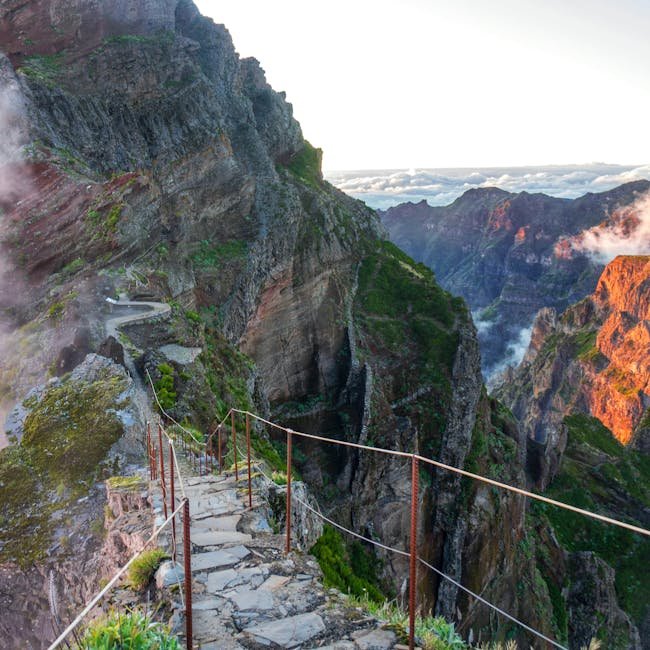
Mount Fuji is Japan’s highest peak and a sacred symbol of natural beauty. The official climbing season runs from early July to mid-September, when the snow melts and trails are safest.
Four main trails lead to the summit, with the Yoshida Trail being the most popular. The 6.5-mile route gains over 4,000 feet in elevation and takes 5–7 hours to ascend. Hikers often start in the evening to reach the summit for sunrise, a tradition known as “Goraiko.”
While the climb is non-technical, altitude can be a challenge. Rest stations along the way sell food and oxygen, but supplies are limited. Crowds are heavy during peak season, so early starts are recommended. The view from the top spans the surrounding lakes and distant mountains on clear days.
The Canadian Rockies, Canada
Canada’s Rocky Mountains stretch across Alberta and British Columbia, offering some of North America’s most photographed landscapes. Banff and Jasper National Parks are home to iconic hikes with mountain vistas at every turn.
The Skyline Trail in Jasper is a 27-mile multi-day trek that traverses alpine ridges above the treeline. Hikers pass meadows filled with wildflowers, glacial lakes, and frequent wildlife sightings. The trail is well-maintained but exposed—weather can shift rapidly, so check forecasts before departing.
For a shorter option, the Sentinel Pass hike in Banff leads to a viewpoint overlooking the Valley of the Ten Peaks. The 7-mile round trip takes 3–4 hours and ends with a stunning panorama of snow-capped summits reflected in Moraine Lake. This trail is popular, so arrive early to secure parking.
The Himalayas, Nepal
The Himalayas offer the ultimate mountain hiking experience, with trails leading into the shadow of Everest and other eight-thousanders. The Annapurna Circuit is one of the world’s great treks, spanning 128 miles over 15–20 days.
The route circles the Annapurna massif, passing through subtropical forests, high deserts, and Tibetan-style villages. The Thorong La Pass, at 17,769 feet, is the highest point and offers sweeping views of the Himalayan spine. Acclimatization is critical—most hikers spend extra days in Manang to adjust to altitude.
Guided treks are recommended due to remote terrain and limited infrastructure. Permits are required, and the best seasons are spring (March–May) and autumn (September–November). The scenery includes prayer flags, glacial streams, and snow-covered peaks that seem to touch the sky.
Mount Rainier, USA
Mount Rainier in Washington State dominates the Pacific Northwest skyline. While summiting requires technical skill, several scenic hikes offer views without the climb.
The Skyline Trail in Mount Rainier National Park is a 5.5-mile loop that circles the Paradise area. It passes wildflower meadows, glacial moraines, and viewpoints of the mountain’s massive glaciers. In July and August, the trail is carpeted with lupine, paintbrush, and avalanche lilies.
The hike is rated moderate, with some steep sections and uneven terrain. Snow can linger into June, so check trail conditions. The Reflection Lakes area, just off the loop, offers mirror-like views of Rainier on calm mornings—ideal for photography.
The Scottish Highlands, Scotland
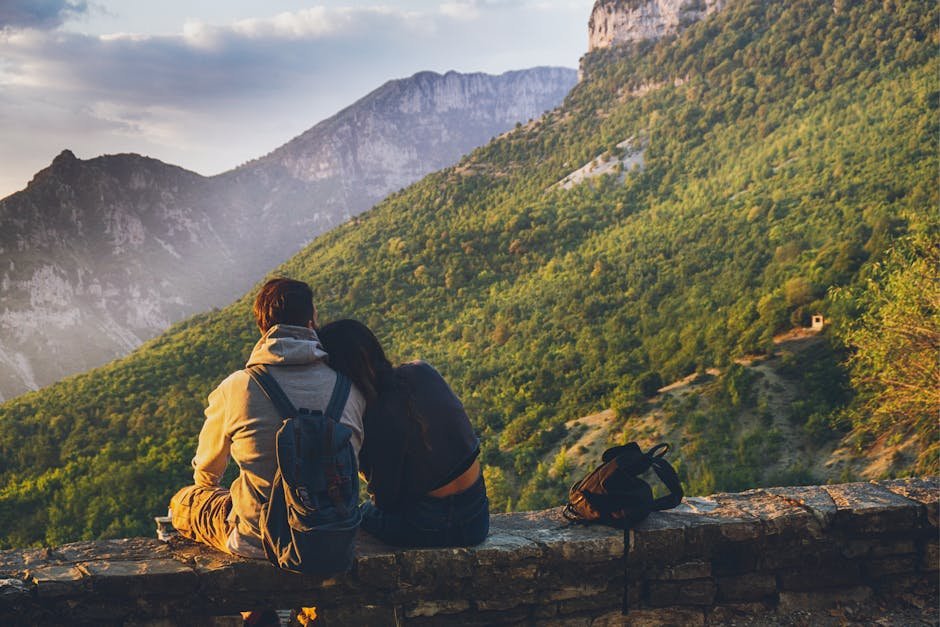
The Scottish Highlands offer rugged, moody landscapes with fewer crowds than Alpine destinations. The region is known for its rolling moors, deep glens, and ancient peaks.
The Quiraing on the Isle of Skye is a short but dramatic hike. This 3.5-mile loop crosses landslides, rock formations, and grassy plateaus with views of the Atlantic Ocean. The trail is exposed and can be slippery in rain, but the otherworldly scenery makes it a favorite among photographers.
For a longer challenge, the West Highland Way spans 96 miles from Milngavie to Fort William. The final section crosses Rannoch Moor and climbs to the shores of Loch Lomond, with distant views of Ben Nevis. The trail is well-marked and passes through small villages with accommodations.
How to Choose the Right Mountain Hike for You
Assess Your Fitness Level
Mountain hiking demands stamina and strength. Trails with significant elevation gain—over 2,000 feet—require cardiovascular fitness and leg strength. Beginners should start with shorter, well-maintained routes and gradually build up to longer treks.
Use online trail guides to check elevation profiles and average completion times. Apps like AllTrails or Gaia GPS provide user reviews and photos that help set realistic expectations. If you’re new to hiking, consider a guided tour for your first mountain adventure.
Consider Season and Weather
Mountain weather is unpredictable and can change in minutes. Summer months offer the most stable conditions, but high-altitude trails may still have snow or ice. Spring and fall bring fewer crowds but increased risk of storms.
Always check local forecasts and trail reports before heading out. In alpine regions, afternoon thunderstorms are common. Start hikes early to avoid lightning risk. In winter, many mountain trails are inaccessible or require snow gear and avalanche training.
Plan for Logistics and Safety
Remote mountain hikes often lack cell service and emergency support. Carry a map, compass, and GPS device. Let someone know your itinerary and expected return time.
Pack the ten essentials: navigation tools, sun protection, insulation, illumination, first-aid supplies, fire starter, repair kit, nutrition, hydration, and emergency shelter. Wear sturdy hiking boots with ankle support and break them in before long hikes.
Respect local regulations. Some trails require permits, especially in national parks or protected areas. Follow Leave No Trace principles—pack out all trash, stay on marked paths, and avoid disturbing wildlife.
Tips for Capturing the Best Mountain Views
Timing Matters
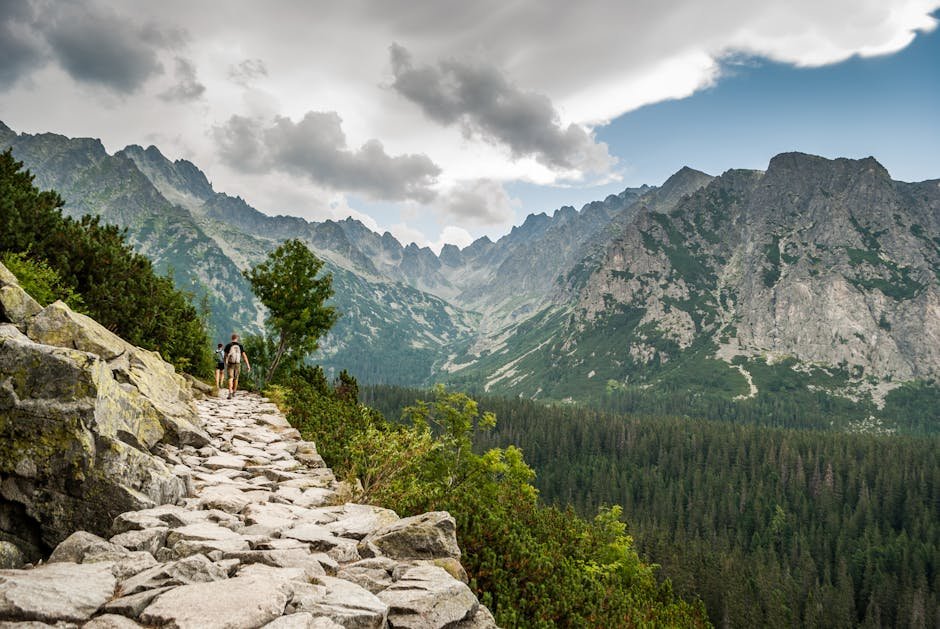
Golden hour—just after sunrise and before sunset—offers soft, warm light that enhances mountain textures. Midday sun can create harsh shadows and washed-out skies. Overcast days provide even lighting, ideal for capturing details in rock and vegetation.
For sunrise shots, arrive at the viewpoint 30–45 minutes early. Use a tripod to stabilize your camera in low light. In winter, frozen lakes and snow-covered peaks reflect light beautifully at dawn.
Use the Right Gear
A wide-angle lens captures expansive vistas, while a telephoto lens isolates distant peaks. Polarizing filters reduce glare and enhance sky contrast. Carry extra batteries—cold temperatures drain power quickly.
Smartphones can take excellent photos with proper technique. Use grid lines to align horizons and tap to set exposure. Avoid digital zoom, which reduces image quality. For panoramic shots, pan slowly and overlap each frame by 30%.
Respect the Environment
While capturing scenic views, avoid trampling vegetation or disturbing wildlife. Stay on designated trails and use existing viewpoints. Drones are banned in many national parks due to noise and safety concerns.
Share your photos responsibly. Tag locations accurately to help others find the trail, but avoid geotagging sensitive or fragile areas. Inspire others to explore—and protect—these natural wonders.
Frequently Asked Questions
What is the best time of year for mountain hiking?
The ideal season varies by region, but generally, late spring to early fall offers the most stable weather and accessible trails. In alpine areas, snowmelt in June opens high-elevation routes, while desert mountains are best hiked in cooler months. Always check local conditions before planning your trip.
Do I need special gear for mountain hiking?
Yes. Sturdy hiking boots, layered clothing, a backpack with rain cover, and navigation tools are essential. For high-altitude or multi-day hikes, add a sleeping bag, tent, and water filtration system. Trekking poles can reduce strain on knees during descents.
Are mountain hikes safe for beginners?
Many scenic mountain trails are suitable for beginners, especially those with moderate elevation gain and good trail maintenance. Start with shorter, well-marked routes and avoid exposed or technical terrain. Hiking with a group or guide increases safety and confidence.