


How to Avoid Common Travel Mistakes
Travel Mistakes to Avoid for First-Time Travelers
First-time travelers often make avoidable errors that can turn an exciting trip into a stressful experience. From overpacking to poor planning, these mistakes are common—but entirely preventable. This guide walks you through the most frequent travel blunders beginners make and offers practical, actionable advice to help you travel smarter. Whether you’re heading abroad or exploring a new city, avoiding these pitfalls will save you time, money, and frustration.
1. Not Researching Your Destination
Jumping into a trip without understanding local customs, weather, or transportation options is a recipe for confusion. Many first-timers assume all destinations operate like their hometown, leading to awkward or costly situations.
Check Local Customs and Etiquette
What’s acceptable at home might be offensive elsewhere. In Japan, for example, eating while walking is frowned upon. In parts of the Middle East, showing the soles of your feet is considered rude. A quick online search or guidebook can prevent embarrassing missteps.
Understand the Weather and Seasons
Traveling to Southeast Asia during monsoon season without rain gear? That’s a common oversight. Always check the typical weather for your travel dates. Pack accordingly and consider how conditions might affect your itinerary.
Learn Basic Transportation Options
Don’t assume ride-sharing apps or taxis will be available everywhere. In smaller European towns, public transit may be limited. Download offline maps and learn how to use local buses or trains before you arrive.
2. Overpacking or Underpacking
Both extremes can ruin your trip. Overpacking leads to heavy luggage and extra fees. Underpacking leaves you unprepared for weather changes or dress codes.
Follow the 5-4-3-2-1 Packing Rule
Try this simple system: 5 tops, 4 bottoms, 3 pairs of shoes, 2 jackets, and 1 hat. Mix and match pieces to create multiple outfits. Stick to neutral colors for versatility.
Roll, Don’t Fold
Rolling clothes saves space and reduces wrinkles. Use packing cubes to organize items by category. This also makes it easier to find what you need without unpacking everything.
Leave Room for Souvenirs
If you plan to shop, pack lighter on the way out. Bring an empty foldable duffel bag that can expand on your return. This avoids overweight baggage fees and keeps your main suitcase manageable.
3. Ignoring Travel Documents and Visa Requirements
Nothing derails a trip faster than being denied boarding due to missing paperwork. Many countries require visas, proof of onward travel, or specific passport validity.
Check Passport Validity Early
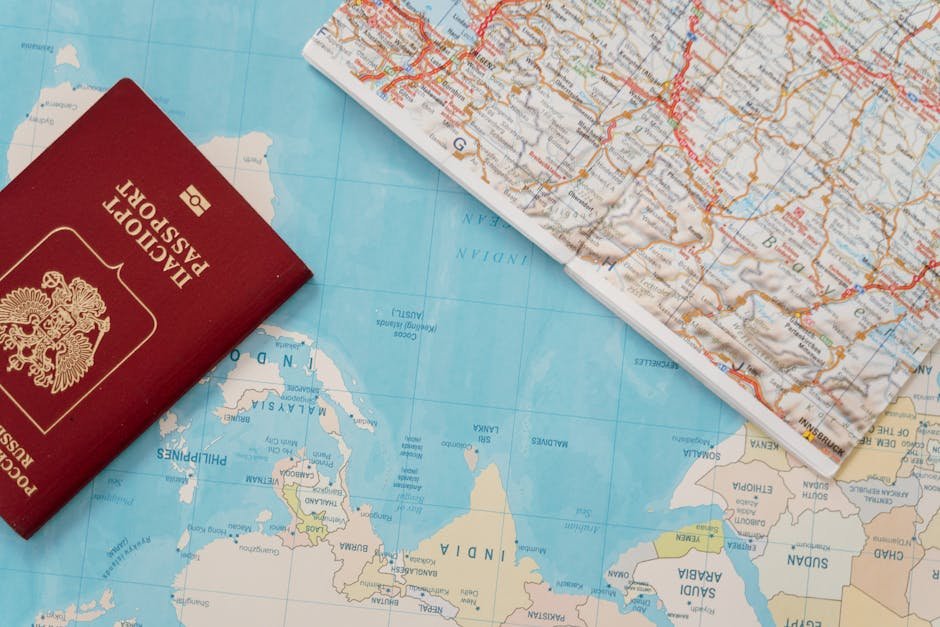
Most countries require your passport to be valid for at least six months beyond your travel dates. Check this at least two months before departure. Renewals can take weeks or even months.
Research Visa Rules
Some destinations offer visa-free entry for short stays. Others require applications in advance. For example, India and Turkey offer e-visas online, but processing can take several days. Never assume you’ll get a visa on arrival.
Carry Copies and Digital Backups
Keep physical copies of your passport, visa, and travel insurance in a separate bag. Store digital versions in a secure cloud service. Email them to yourself for easy access.
4. Booking Flights and Accommodations Too Late
Last-minute bookings often mean higher prices and limited options. Flights and hotels in popular destinations fill up quickly, especially during peak seasons.
Use Price Alerts and Flexible Dates
Set up fare alerts on Google Flights or Skyscanner. Flying midweek or during off-peak hours can save hundreds. If your schedule allows, be flexible with dates to find the best deals.
Read Recent Reviews
Don’t rely solely on star ratings. Read recent guest reviews to spot red flags like noise, cleanliness issues, or poor location. Look for patterns in feedback, not just one-off complaints.
Confirm Cancellation Policies
Life happens. Choose accommodations with free cancellation when possible. This gives you flexibility if plans change. Always read the fine print before booking.
5. Not Budgeting Properly
Many travelers underestimate daily costs, leading to overspending or running out of money mid-trip. Currency exchange rates, tipping customs, and hidden fees can add up fast.
Break Down Your Daily Spend
Estimate costs for food, transport, attractions, and souvenirs. Add a 15–20% buffer for unexpected expenses. Use budgeting apps like Trail Wallet or Splitwise to track spending in real time.
Avoid Dynamic Currency Conversion
When paying with a card abroad, you may be asked to pay in your home currency. Always choose the local currency instead. This avoids inflated exchange rates and hidden fees.
Carry Multiple Payment Methods
Don’t rely on one credit card. Carry a backup card and some local cash. Notify your bank of your travel dates to prevent card blocks due to suspicious activity.
6. Skipping Travel Insurance
It’s easy to think “nothing will happen to me,” but medical emergencies, flight cancellations, or lost luggage can strike anyone. Travel insurance is a small price for peace of mind.
Choose Coverage That Fits Your Trip
For short domestic trips, basic coverage may suffice. For international travel, especially to countries with high medical costs, opt for comprehensive plans that include medical, evacuation, and trip interruption.
Read the Policy Details
Not all plans cover adventure activities like scuba diving or skiing. Check what’s included and excluded. Some credit cards offer limited travel protection—know the limits.
Purchase Early
Buy insurance soon after booking your trip. This often covers pre-existing conditions and gives you protection from the start. Waiting until the last minute may limit your options.
7. Overloading Your Itinerary
Trying to see everything in a short time leads to burnout. You’ll spend more time traveling between sites than actually enjoying them. Quality over quantity is key.
Prioritize Must-See Attractions
Make a list of your top three to five experiences. Build your schedule around those. Leave room for spontaneous discoveries or lazy afternoons.
Allow Travel Time Between Activities
Don’t underestimate how long it takes to get from a museum to a restaurant across town. Factor in traffic, ticket lines, and bathroom breaks. A relaxed pace makes travel more enjoyable.
Schedule Downtime
Rest days aren’t lazy—they’re essential. Use them to recharge, explore a neighborhood on foot, or enjoy a local café. You’ll return home feeling refreshed, not exhausted.
8. Forgetting to Notify Banks and Services
Using your card abroad without warning can trigger fraud alerts and freeze your account. This leaves you stranded without access to funds.
Alert Your Bank and Credit Card Companies
Call or use online banking to inform them of your travel dates and destinations. Provide a contact number in case they need to verify transactions.
Check International Fees
Some cards charge foreign transaction fees of 3% or more. Consider getting a no-fee travel card like those from Capital One or Charles Schwab. They save money on every purchase.
Set Up Mobile Alerts
Enable real-time transaction alerts on your phone. This helps you spot unauthorized charges immediately and respond quickly.
9. Not Staying Safe and Aware
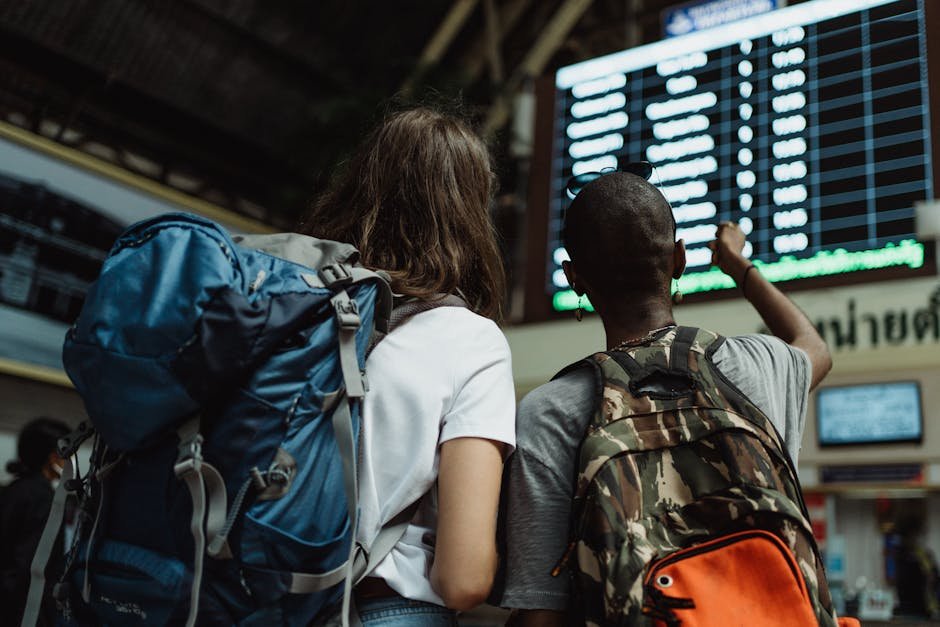
Tourists are easy targets for scams, pickpocketing, or unsafe areas. Staying alert and informed reduces your risk significantly.
Be Wary of Common Scams
Research scams common in your destination. In Rome, “friendship bracelet” vendors may demand payment. In Bangkok, tuk-tuk drivers might take you to overpriced shops. Stay polite but firm.
Keep Valuables Secure
Use a money belt or hidden pouch for passports and cash. Avoid flashing expensive jewelry or electronics in crowded areas. Lock your hotel safe when available.
Know Emergency Numbers
Save local emergency numbers in your phone. In most of Europe, dial 112. In the U.S., it’s 911. Also note your country’s embassy contact for your destination.
10. Failing to Stay Connected
Being offline doesn’t mean you should be disconnected. Staying in touch helps with safety, navigation, and sharing experiences.
Get a Local SIM or eSIM
Purchase a local SIM card at the airport or use an eSIM app like Airalo or Holafly. This gives you data without roaming fees. Compare plans to find the best value.
Download Offline Maps
Google Maps and Maps.me allow offline navigation. Download your destination’s map before losing signal. This is especially useful in rural areas or underground transit.
Use Messaging Apps
WhatsApp, Telegram, and Signal work over Wi-Fi and use less data than calls. They’re great for staying in touch with family or coordinating with travel companions.
Final Tips for First-Time Travelers
Travel is about experiences, not perfection. Even seasoned travelers make mistakes—what matters is learning from them. Start with a short trip to build confidence. Keep a travel journal to reflect on what worked and what didn’t. Most importantly, stay open-minded and embrace the unexpected. The best stories often come from unplanned moments.
FAQ
What should I do if I lose my passport while traveling?
Report it to local police and contact your country’s embassy or consulate immediately. They can issue an emergency travel document. Carry a photocopy and digital backup to speed up the process.
How far in advance should I book flights and hotels?
For international trips, book flights 1–3 months ahead for better prices. Hotels can be booked 1–2 months in advance, especially in high-demand areas. Use price alerts to monitor changes.
Is travel insurance really necessary for short trips?
Yes, even short trips can be disrupted by illness, weather, or flight issues. Basic plans are affordable and cover cancellations, delays, and minor medical needs. It’s a small cost for significant protection.
Related keywords: How to Avoid Common Travel Mistakes First Time Guide.