

Best Places to Visit in Turkey for First Time Trip
Best Places to Visit in Turkey for First Time Trip
Turkey is a captivating blend of ancient history, stunning landscapes, and vibrant culture, making it an ideal destination for first-time travelers. Exploring Turkey first time trip reveals important insights. From the fairy chimneys of Cappadocia to the turquoise shores of the Aegean coast, the country offers a rich tapestry of experiences. Whether you’re drawn to historic ruins, bustling bazaars, or serene beaches, Turkey delivers something unforgettable for every traveler. This guide highlights the best places to visit in Turkey for a first-time trip, helping you plan a well-rounded and memorable journey.
Istanbul: Where East Meets West
Istanbul is Turkey’s most iconic city and a must-visit for any first-time traveler. Straddling two continents, it offers a unique fusion of European and Asian influences. The city’s skyline is dominated by domes and minarets, with landmarks like the Hagia Sophia and the Blue Mosque drawing visitors from around the world.
Top Attractions in Istanbul
The Hagia Sophia, once a church and later a mosque, now serves as a museum showcasing centuries of religious and architectural history. Just a short walk away, the Blue Mosque impresses with its six minarets and intricate blue tilework. Both are located in Sultanahmet, the historic heart of the city.
The Grand Bazaar is one of the world’s oldest covered markets, with over 4,000 shops selling everything from spices to handwoven carpets. It’s a sensory overload in the best way—colorful, noisy, and full of character. Nearby, the Spice Bazaar offers fragrant teas, Turkish delight, and saffron.
Don’t miss a cruise along the Bosphorus Strait. These boat tours offer panoramic views of Istanbul’s skyline, including the Dolmabahçe Palace and the Bosphorus Bridge. Sunset rides are especially magical, with golden light reflecting off the water.
Getting Around Istanbul
Istanbul’s public transportation system is extensive, including trams, ferries, and a metro. The Istanbulkart is a rechargeable card that works across all modes of transport. Taxis are widely available but can be expensive during rush hour. Walking is often the best way to explore historic neighborhoods like Sultanahmet and Beyoğlu.
Cappadocia: A Land of Fairy Chimneys
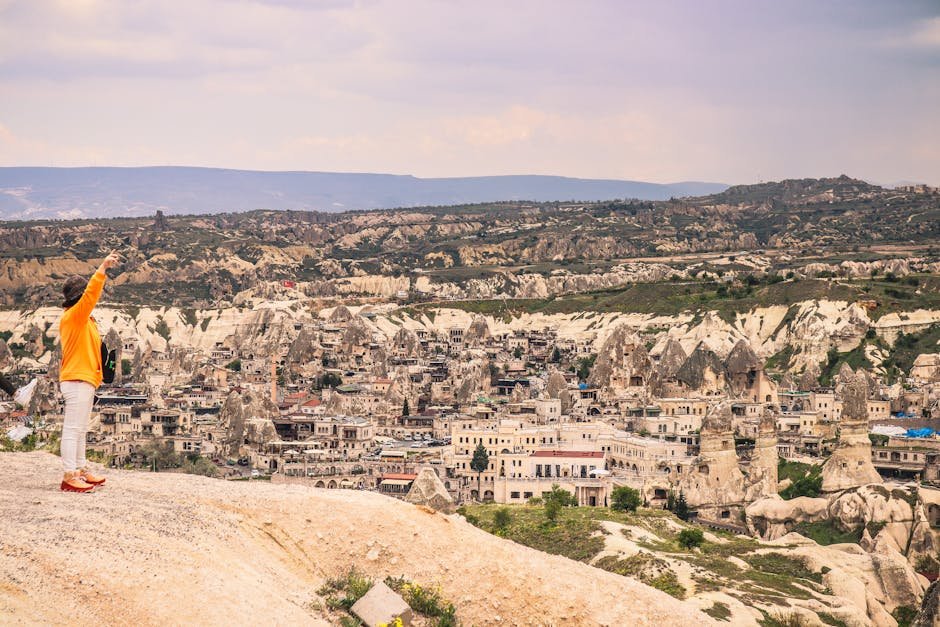
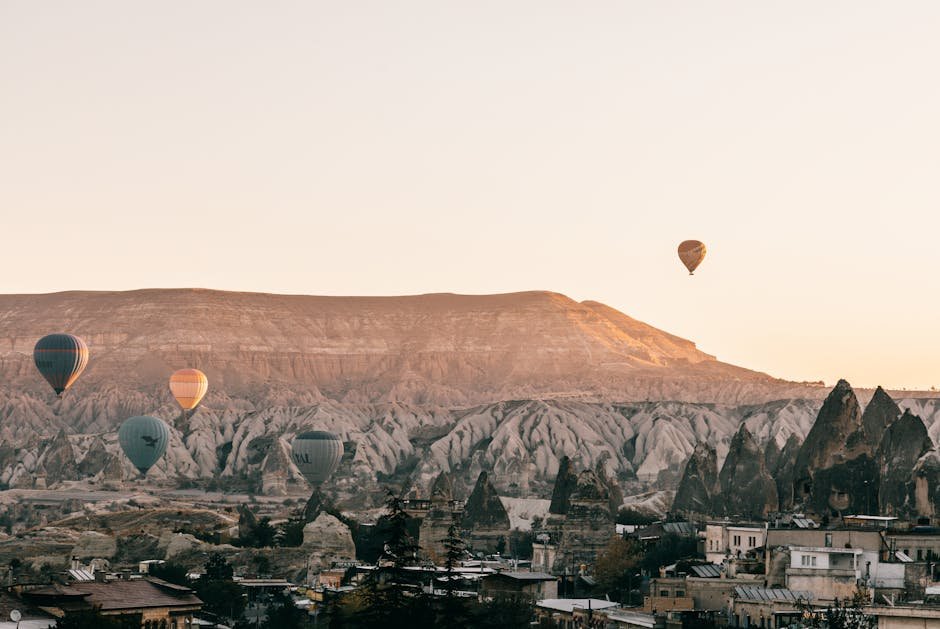
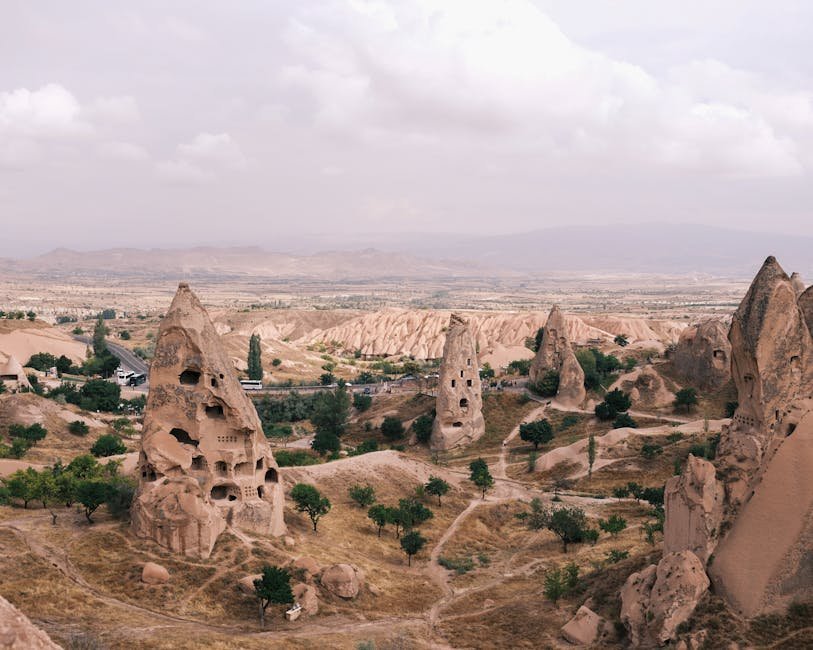
Cappadocia, located in central Turkey, is famous for its surreal landscape of rock formations, cave dwellings, and hot air balloons drifting at sunrise. This region feels like stepping into another world, with ancient underground cities and rock-cut churches.
Experiencing the Magic of Cappadocia
A hot air balloon ride at dawn is the highlight of any visit. Dozens of colorful balloons lift off over the valleys, offering breathtaking views of the fairy chimneys and eroded rock formations. Book in advance, especially during peak seasons in spring and autumn.
The Göreme Open-Air Museum is a UNESCO World Heritage site filled with rock-hewn churches decorated with Byzantine frescoes. The Dark Church (Karanlık Kilise) is particularly well-preserved, with vivid biblical scenes still visible.
For a different perspective, explore the underground cities of Derinkuyu or Kaymaklı. These multi-level complexes were carved by early Christians to escape persecution. They include ventilation shafts, wells, and chapels, some extending eight stories deep.
Where to Stay in Cappadocia
Cave hotels are a unique feature of Cappadocia. These accommodations are carved into the soft volcanic rock, offering a cool retreat in summer and warmth in winter. Many include terraces with panoramic views of the valleys. Popular towns for staying are Göreme, Ürgüp, and Uçhisar.
Ephesus: Walk Through Ancient History
Ephesus is one of the best-preserved ancient cities in the Mediterranean and a top destination for history lovers. Located near the modern town of Selçuk, it was once a major Roman port and home to the Temple of Artemis, one of the Seven Wonders of the Ancient World.
Must-See Ruins in Ephesus
The Library of Celsus is the most photographed structure in Ephesus. This two-story façade was built in the 2nd century AD to honor a Roman senator and once held over 12,000 scrolls. The surrounding ruins include the Great Theater, capable of seating 25,000 people, and the Terrace Houses, which offer a glimpse into wealthy Roman life.
The House of the Virgin Mary, located on a hilltop nearby, is believed by many to be where Mary spent her final years. It’s a peaceful site with a small chapel and a spring said to have healing properties. Pilgrims often tie ribbons to the trees as a symbol of prayer.
Visiting Tips for Ephesus
Wear comfortable walking shoes and bring sunscreen—there’s little shade in the main archaeological zone. Visit early in the morning or late afternoon to avoid crowds and the midday heat. Hiring a local guide enhances the experience, as they can explain the significance of each ruin.
Pamukkale: Natural Thermal Pools
Pamukkale, meaning “cotton castle” in Turkish, is a natural wonder formed by mineral-rich thermal waters. Over thousands of years, the water has deposited calcium carbonate, creating terraces of white travertine that cascade down a hillside.
Swimming in the Travertine Pools
Visitors can walk barefoot on the travertine terraces, though shoes are recommended to protect the delicate formations. The pools are filled with warm, mineral-rich water believed to have healing properties. The contrast between the bright white stone and the turquoise water is striking.
Nearby, the ancient city of Hierapolis sits atop the cliffs. It includes a well-preserved Roman theater and a necropolis with over 1,200 tombs. The Antique Pool, also known as Cleopatra’s Pool, allows swimming among submerged Roman columns—a surreal experience.
Best Time to Visit Pamukkale
Spring and autumn offer the most pleasant weather, with mild temperatures and fewer crowds. Summer can be extremely hot, while winter may bring rain that affects access to the pools. Overnight stays in nearby Denizli or Pamukkale town allow for early access to the site.
Antalya: Gateway to the Turkish Riviera
Antalya is a coastal city on the Mediterranean and the gateway to Turkey’s famed Turquoise Coast. It combines modern resorts with a charming old town, making it a favorite for both relaxation and exploration.
Exploring Antalya’s Old Town
Kaleiçi, the historic center of Antalya, is a maze of narrow streets, Ottoman-era houses, and hidden courtyards. The Hadrian’s Gate, built in honor of the Roman emperor’s visit, marks the entrance to the old city. Inside, you’ll find boutique shops, art galleries, and rooftop restaurants with sea views.
The Antalya Museum is one of Turkey’s best, with extensive collections of Roman sculptures, mosaics, and artifacts from nearby ancient sites. It’s a great way to learn about the region’s history before heading to nearby ruins.
Day Trips from Antalya
The Düden Waterfalls, just outside the city, are a popular stop. The upper falls flow into a park, while the lower falls plunge into the Mediterranean. For ancient ruins, visit Perge, Aspendos, or Side. Aspendos is home to one of the best-preserved Roman theaters in the world, still used for performances today.
Bodrum: Coastal Charm and Nightlife
Bodrum, on the Aegean coast, is known for its whitewashed buildings, yacht-filled harbor, and lively nightlife. Exploring Turkey first time trip reveals important insights. It’s a favorite among Turkish and international travelers seeking a mix of relaxation and entertainment.
Bodrum Castle and the Underwater Museum
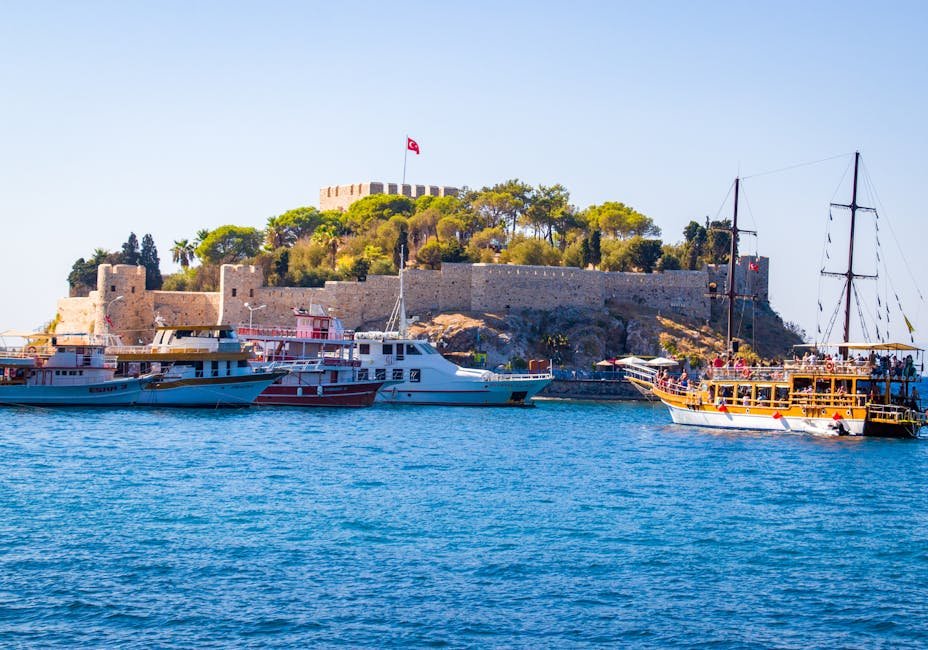
Bodrum Castle, built by the Knights of St. John in the 15th century, dominates the harbor. Today, it houses the Museum of Underwater Archaeology, which displays artifacts recovered from ancient shipwrecks. The museum is unique in its focus on maritime history.
The castle’s grounds offer panoramic views of the marina and the Aegean Sea. Sunset drinks at a rooftop bar nearby are a must. Bodrum’s nightlife is centered around the marina, with clubs, beach bars, and live music venues.
Island Hopping from Bodrum
Day trips by boat to nearby islands like Kos (Greece) or the Bodrum Peninsula’s secluded coves are popular. Guided tours often include swimming stops, lunch, and snorkeling. The clear waters make it ideal for spotting marine life.
Fethiye and Ölüdeniz: Paradise on the Mediterranean
Fethiye is a laid-back coastal town with a scenic harbor and access to some of Turkey’s most beautiful beaches. Just a short drive away, Ölüdeniz is famous for its lagoon, often called the “Blue Lagoon,” with calm, shallow waters perfect for swimming.
Paragliding Over Ölüdeniz
Ölüdeniz is one of the world’s top destinations for paragliding. Tandem flights launch from Babadağ Mountain and glide over the lagoon and coastline before landing on Belcekız Beach. The views are spectacular, and the experience is safe with certified instructors.
The Butterfly Valley, accessible only by boat or a challenging hike, is a secluded paradise with waterfalls and a pristine beach. It’s named after the rare butterfly species found in the area. Boats from Ölüdeniz make regular trips during the day.
Hiking the Lycian Way
The Lycian Way is a 540-kilometer trail that winds through ancient ruins, pine forests, and coastal cliffs. The section from Fethiye to Ölüdeniz is particularly scenic and manageable for day hikes. Well-marked paths and guesthouses along the route make it accessible for independent travelers.
Konya: Spiritual Heart of Turkey
Konya, in central Anatolia, is a city of deep spiritual significance. It’s the home of the Mevlana Museum, the resting place of the Sufi mystic Rumi. The city attracts pilgrims and those interested in philosophy and spirituality.
The Mevlana Museum and Whirling Dervishes
The Mevlana Museum is housed in a former lodge of the Mevlevi order, known for its whirling dervishes. The green-tiled building contains Rumi’s tomb and exhibits on Sufi philosophy. The museum is peaceful and reflective, offering insight into Rumi’s teachings of love and tolerance.
The Sema ceremony, where dervishes perform their whirling ritual, is held in special venues. While not performed daily, some cultural centers offer demonstrations for tourists. It’s a moving experience that captures the essence of Sufi tradition.
Konya’s Local Cuisine
Konya is known for its hearty Anatolian dishes. Try etli ekmek, a thin flatbread topped with minced meat, similar to pizza. Local sweets like gözleme (stuffed pastry) and şekerpare (sweet semolina dessert) are also worth sampling. Many restaurants are near the museum and city center.
Ankara: The Capital City
Ankara, Turkey’s capital, is often overlooked by tourists but offers a glimpse into the country’s modern identity. It’s a political and administrative hub with museums, parks, and a growing cultural scene.
Anıtkabir: The Mausoleum of Atatürk
Anıtkabir is the monumental tomb of Mustafa Kemal Atatürk, the founder of modern Turkey. The complex includes a museum, ceremonial plaza, and impressive architecture. It’s a place of national pride and a must-see for understanding Turkey’s transformation in the 20th century.
The Museum of Anatolian Civilizations, located in a restored Ottoman building, displays artifacts from Hittite, Phrygian, and Roman periods. The collection includes gold jewelry, pottery, and the famous Çatalhöyük murals, some of the world’s oldest paintings.
Green Spaces and Modern Districts
Gençlik Parkı and Kuğulu Park are popular spots for locals to relax. The city’s modern districts, like Çankaya, feature cafes, art galleries, and shopping centers. Ankara may not have the tourist buzz of Istanbul, but it offers a more authentic urban experience.
Tips for First-Time Travelers in Turkey
Best Time to Visit
The ideal time to visit Turkey is during spring (April to June) and autumn (September to November). The weather is mild, and tourist sites are less crowded. Summer is hot, especially in central and southern regions, while winter can be cold and rainy, though Cappadocia and Istanbul remain accessible.
Visa and Entry Requirements
Most travelers need a visa to enter Turkey. The e-Visa system allows online applications, usually processed within minutes. Check the official Turkish government website for the latest requirements based on your nationality.
Currency and Payments
The Turkish Lira (TRY) is the official currency. Credit cards are widely accepted in cities and tourist areas, but cash is preferred in rural regions and small shops. ATMs are common, and currency exchange offices offer competitive rates.
Language and Communication
Turkish is the official language, but English is commonly spoken in tourist areas. Learning a few basic phrases like “Merhaba” (hello) and “Teşekkür ederim” (thank you) is appreciated. Free Wi-Fi is available in most hotels and cafes.
Safety and Etiquette
Turkey is generally safe for tourists, but it’s wise to stay informed about local conditions. Dress modestly when visiting religious sites, and remove shoes when entering mosques. Tipping is customary—10% in restaurants and a few lira for hotel staff and guides.
FAQs
What are the must-visit places in Turkey for first-time travelers?
First-time visitors should prioritize Istanbul, Cappadocia, Ephesus, Pamukkale, and Antalya. These destinations offer a mix of history, culture, and natural beauty, providing a well-rounded introduction to Turkey.
How many days are needed to explore Turkey properly?
A 10 to 14-day trip allows time to visit 3–5 major destinations. For example, spend 3 days in Istanbul, 2 in Cappadocia, 2 in Ephesus, and 3 along the coast in Antalya or Fethiye. Add extra days for travel between cities.
Is Turkey safe for solo travelers?
Yes, Turkey is generally safe for solo travelers, including women. Stick to well-traveled areas, avoid isolated spots at night, and keep copies of important documents. Local people are often helpful and welcoming to visitors.