

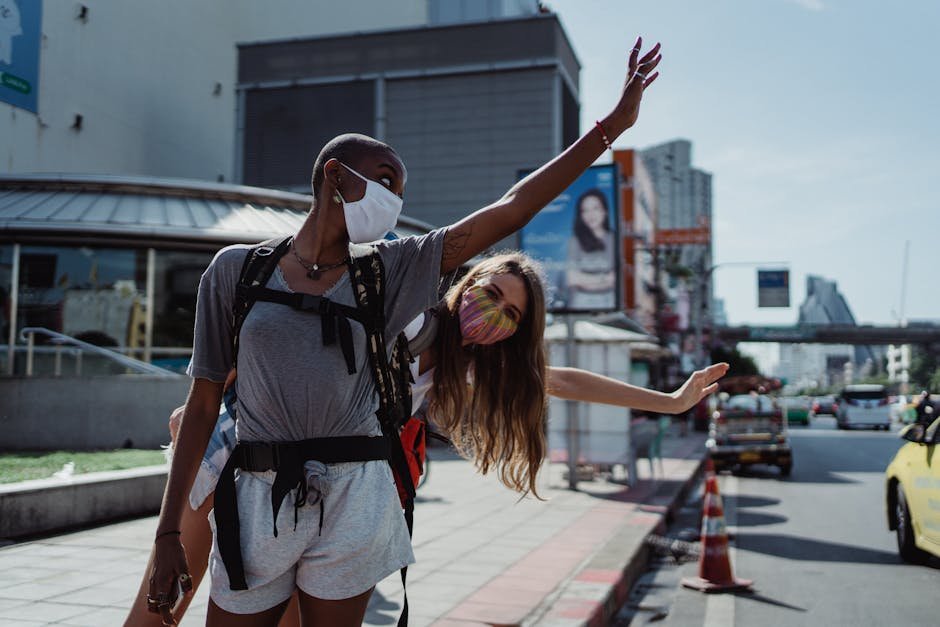
Travel Safety Tips Every Tourist Should Know Before Trip
Travel Safety Tips Every Tourist Should Know Before Trip
Traveling opens doors to new cultures, breathtaking landscapes, and unforgettable experiences. Exploring travel safety tips tourist reveals important insights. Yet, a safe journey starts long before you board the plane. Understanding essential travel safety tips can mean the difference between a smooth adventure and a stressful ordeal. From securing your documents to staying aware of your surroundings, being prepared is your best defense. This guide covers practical, actionable steps every tourist should follow before and during their trip.
Plan Ahead: Research Your Destination
Before packing your bags, spend time researching your destination. Look beyond tourist attractions and focus on local laws, common scams, and areas to avoid. Government travel advisories—such as those from the U.S. Department of State or the UK Foreign Office—offer up-to-date safety alerts and entry requirements.
Check the local emergency numbers and know how to contact your country’s embassy. For example, in Japan, dial 110 for police and 119 for medical emergencies. In contrast, most European countries use 112 for all emergencies. Knowing these details in advance can save critical time during a crisis.
Understand Local Customs and Laws
What’s acceptable in one country might be illegal in another. In Dubai, for instance, public displays of affection can lead to fines or deportation. In Thailand, touching someone’s head or pointing your feet at people is considered deeply disrespectful.
Familiarize yourself with dress codes, especially when visiting religious sites. In places like Vatican City or temples in India, shoulders and knees should be covered. Carrying a lightweight scarf or shawl can help you adapt quickly.
Secure Your Documents and Finances
Keep multiple copies of important documents: passport, visa, travel insurance, and itinerary. Store digital copies in a secure cloud service and leave physical copies with a trusted contact at home.
Never carry all your cards and cash in one place. Use a money belt or hidden pouch for emergency funds. Consider using a prepaid travel card that can be locked remotely if lost or stolen.
Choose Secure Payment Methods
Credit cards with no foreign transaction fees offer better fraud protection than debit cards. Notify your bank of your travel dates to avoid sudden account freezes. In countries like Mexico or parts of Southeast Asia, use ATMs located inside banks rather than standalone machines to reduce skimming risks.
Carry small amounts of local currency for markets or taxis where card payments aren’t accepted. Avoid flashing large sums of money in public.
Stay Connected and Share Your Itinerary
Share your daily plans with a friend or family member. Include hotel names, transportation details, and excursion bookings. Use apps like Google Maps to drop pins of your accommodations and key locations.
Consider purchasing a local SIM card or an international data plan. In remote areas like the Andes or rural Cambodia, having a working phone can be vital. Download offline maps and translation apps in case you lose connectivity.
Use Reliable Transportation
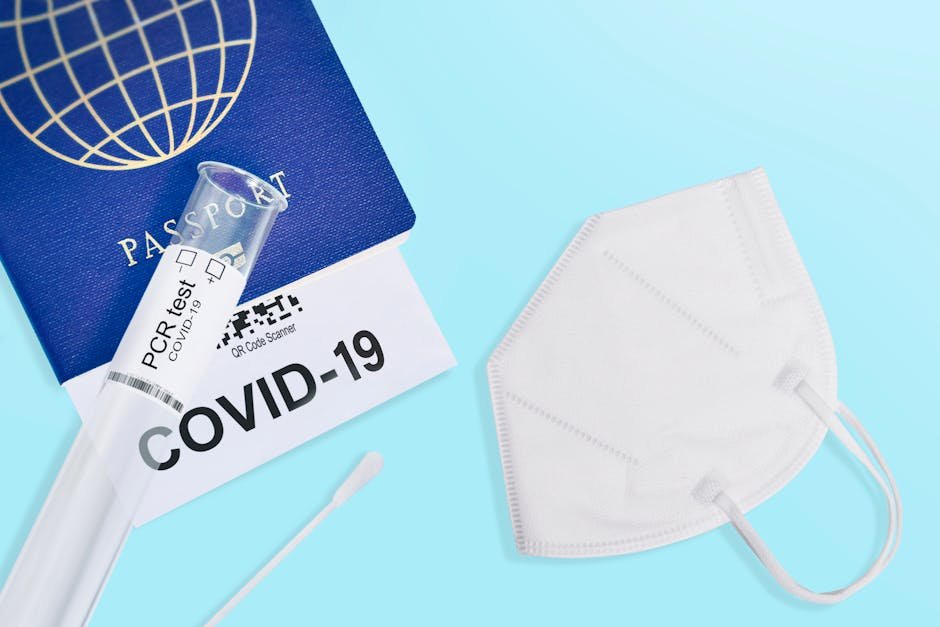
Stick to licensed taxis or ride-sharing services like Uber or Bolt where available. In cities like Bangkok or Mexico City, avoid unmarked cabs that may overcharge or pose safety risks. Always confirm the driver’s identity and destination before getting in.
When using public transit, keep your bag in front of you and stay alert during rush hours. Pickpocketing is common in crowded metros like Paris or Mumbai. If renting a car, verify insurance coverage and avoid driving at night in unfamiliar areas.
Protect Your Health While Traveling
Visit a travel clinic 4–6 weeks before departure. Some countries require vaccinations—like yellow fever for entry into parts of Africa and South America. Carry a basic first-aid kit with bandages, antiseptic, motion sickness pills, and any prescription medications.
Drink bottled or filtered water in regions with questionable tap water, such as India or Peru. Avoid ice in drinks and peel fruits before eating. If you have food allergies, learn how to communicate them in the local language using translation cards.
Know How to Respond to Medical Emergencies
Travel insurance with medical coverage is non-negotiable. Verify that your policy includes emergency evacuation, which can cost tens of thousands of dollars. In countries with limited healthcare infrastructure, such as Nepal or Madagascar, having evacuation coverage could be lifesaving.
If you fall ill, seek help from reputable clinics or international hospitals. Avoid street vendors selling unregulated medications. Keep a list of your allergies and blood type in your phone or wallet.
Stay Aware of Your Surroundings
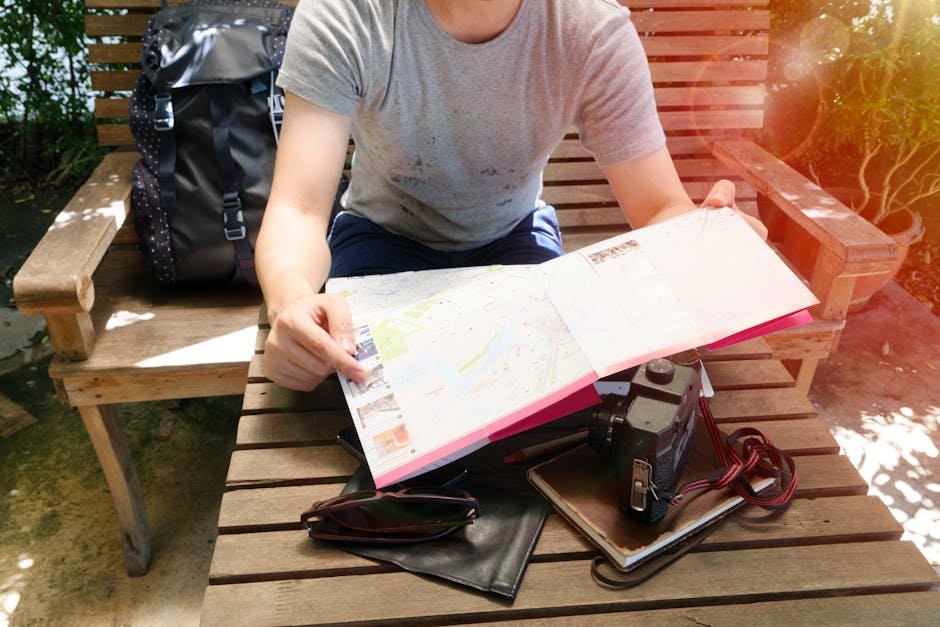
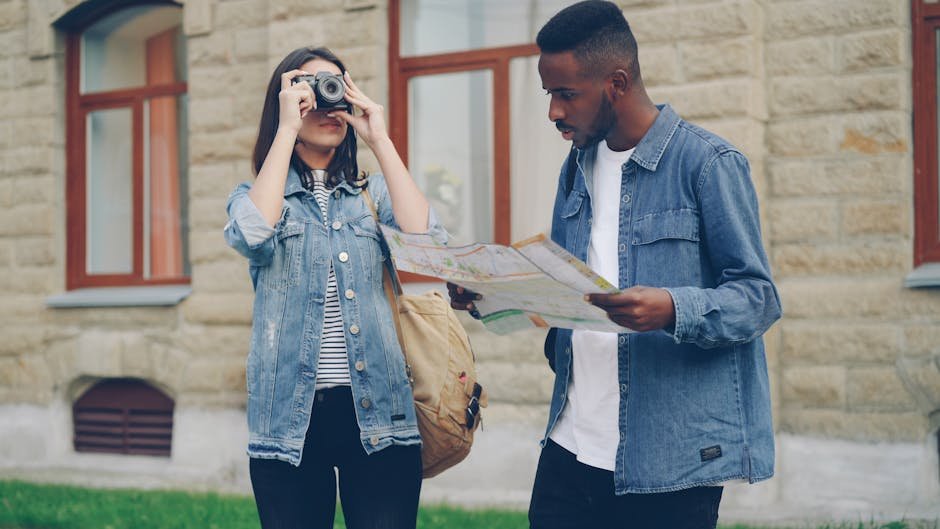
Tourists are often targeted because they appear distracted or unfamiliar with their environment. Avoid looking like a typical visitor by dressing modestly and not carrying large maps or expensive gadgets in plain sight.
Be cautious in crowded areas like train stations, markets, and festivals. Scammers may use distractions—such as asking for directions or spilling something on you—to steal your belongings. Keep your bag zipped and close to your body.
Recognize Common Tourist Scams
Familiarize yourself with region-specific scams. In Rome, “friendship bracelet” sellers may tie a string on your wrist and demand payment. In Paris, fake petitions or petitions for donations near the Eiffel Tower are often fronts for theft.
In Southeast Asia, be wary of overly friendly strangers offering tours or transportation. Always agree on prices in advance and avoid accepting drinks from strangers in bars or clubs.
Protect Your Accommodation
Choose accommodations with good reviews and secure entry systems. Exploring travel safety tips tourist reveals important insights. Hostels should have lockers for valuables. In hotels, use the in-room safe for passports, extra cash, and electronics.
Always lock your door, even when stepping out briefly. Use the peephole before opening, and never let strangers into your room. If something feels off, contact hotel staff immediately.
Be Cautious with Strangers
While locals are often welcoming, exercise caution when sharing personal information. Avoid disclosing your room number or travel plans to people you’ve just met. Be especially wary of romantic advances in tourist-heavy areas—they can be part of long-term scams.
If invited to a private residence or remote location, let someone know where you’re going and when you expect to return. Trust your instincts—if a situation feels unsafe, leave.
Prepare for Natural Disasters and Political Unrest
Check if your destination is prone to earthquakes, hurricanes, or flooding. Know the evacuation routes and local emergency procedures. Download government apps like the FEMA app (U.S.) or GDACS for real-time alerts.
Monitor local news and avoid protests or large gatherings, which can turn volatile. In countries with political instability, such as parts of Latin America or the Middle East, register with your embassy’s STEP program (Smart Traveler Enrollment Program) for updates and assistance.
Pack a Travel Safety Kit
Include items like a portable charger, flashlight, whistle, multi-tool, and a copy of your emergency contacts. A small doorstop alarm can alert you if someone tries to enter your room. For solo female travelers, personal safety apps like bSafe or Noonlight offer discreet emergency signaling.
Consider packing a lightweight rain jacket and sturdy shoes—weather and terrain can change quickly, especially in mountainous or tropical regions.
Stay Safe Online While Traveling
Public Wi-Fi in cafes, airports, and hotels is convenient but risky. Avoid accessing banking sites or entering passwords on unsecured networks. Use a reputable VPN to encrypt your data and protect your privacy.
Disable auto-connect features on your phone to prevent it from joining unknown networks. Enable two-factor authentication on all accounts. If your device is lost or stolen, remotely wipe it using services like Find My iPhone or Google’s Find My Device.
Limit Social Media Sharing
Posting real-time updates about your location can alert thieves that your home is empty. Wait until you’ve left a location before sharing photos or check-ins. Avoid tagging your exact hotel or posting identifiable landmarks in the background.
Be mindful of geotags embedded in photos. Turn off location services for your camera app when not needed.
Know What to Do in an Emergency
If you’re robbed, report the incident to local police immediately. Obtain a copy of the police report—it’s often required for insurance claims. Contact your embassy if your passport is stolen; they can issue an emergency travel document.
In medical emergencies, call local emergency services first. If you’re unable to communicate, show a medical ID card or bracelet with your conditions and medications. Keep your travel insurance provider’s 24/7 helpline saved in your phone.
Dealing with Natural Disasters
During earthquakes, drop, cover, and hold on. Move away from windows and heavy objects. In hurricanes or typhoons, stay indoors, away from glass, and follow official evacuation orders.
If caught in a flood, move to higher ground immediately. Avoid walking or driving through floodwaters—just six inches of moving water can knock you down.
Final Pre-Trip Checklist
Use this quick checklist to ensure you’re fully prepared:
- Passport valid for at least 6 months beyond your return date
- Visas and entry requirements confirmed
- Travel insurance policy reviewed and accessible
- Vaccinations up to date
- Emergency contacts saved in phone and written down
- Copies of documents stored securely
- Local emergency numbers saved
- Accommodation and transportation details shared with someone at home
- Weather-appropriate clothing packed
- Power adapters and chargers included
FAQ
What should I do if my passport is stolen abroad?
Report the theft to local police and obtain a copy of the report. Contact your country’s nearest embassy or consulate to apply for an emergency travel document. You’ll need identification, photos, and proof of citizenship.
Is it safe to drink tap water in tourist areas?
It depends on the destination. In Western Europe, Canada, and Japan, tap water is generally safe. In countries like Mexico, India, or Egypt, stick to bottled water and avoid ice. Always check local advice upon arrival.
How can I avoid pickpocketing in crowded places?
Wear a crossbody bag with a zipper, keep it in front of you, and avoid keeping valuables in back pockets. Stay alert in busy areas like metro stations, markets, and tourist hotspots. Use a money belt for extra security.
Traveling should be exciting, not stressful. By following these travel safety tips, you reduce risks and increase your chances of having a smooth, enjoyable trip. Preparation isn’t about fear—it’s about empowerment. With the right knowledge and precautions, you can explore the world with confidence.