

Best Trekking Destinations for First Time Hikers
Best Trekking Destinations for First Time Hikers
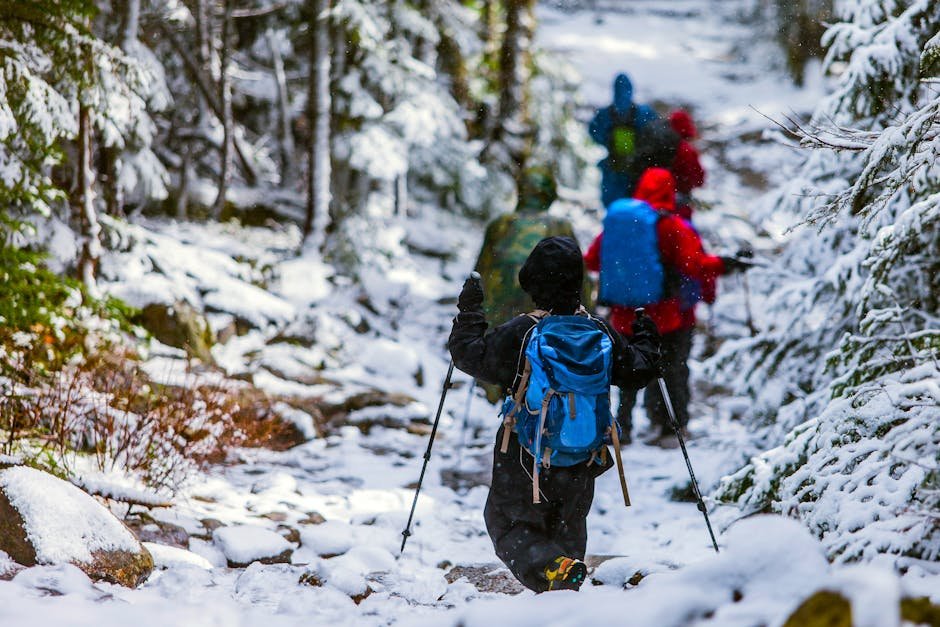
If you’re new to trekking and looking for beginner-friendly trails with stunning scenery, safety, and clear paths, you’re in the right place. The best trekking destinations for first time hikers offer manageable distances, well-marked routes, and reliable access to help if needed. These trails build confidence without overwhelming newcomers, blending natural beauty with practical accessibility. Whether you’re drawn to mountain vistas, forest walks, or lakeside paths, starting on the right foot makes all the difference.
What Makes a Trek Ideal for Beginners?
Not all hiking trails are created equal—especially for those just starting out. A good beginner trek balances challenge with comfort, offering enough reward to feel accomplished without risking injury or exhaustion. Key factors include trail length, elevation gain, surface condition, and availability of facilities like rest stops, water sources, and emergency support.
Beginner-friendly treks typically range from 3 to 8 miles (5 to 13 km) round-trip with minimal elevation change—usually under 1,000 feet (300 meters). Well-maintained paths, clear signage, and moderate weather conditions also contribute to a positive first experience. Trails that allow for flexible turnaround points give hikers control over their journey, reducing pressure.
Safety and Preparation Matter
Safety should always come first, even on easy trails. Check the weather forecast before heading out and avoid hiking during extreme heat, storms, or high winds. Wear proper footwear with good grip and ankle support—trail runners or hiking boots are ideal. Bring at least 2 liters of water, high-energy snacks, a basic first aid kit, and a fully charged phone.
Let someone know your planned route and expected return time. Stick to marked trails and avoid shortcuts, which can lead to getting lost or damaging fragile ecosystems. If you’re unsure about your fitness level, consider doing a short practice hike on local park trails before tackling longer routes.
Top Beginner-Friendly Trekking Destinations
Below are ten of the most welcoming and scenic trekking destinations for first time hikers across North America, Europe, and parts of Asia. Each offers a unique landscape, manageable difficulty, and reliable infrastructure to support new adventurers.
1. Yosemite Valley Loop – California, USA
The Yosemite Valley Loop is a flat, 12-mile (19 km) trail that circles the heart of Yosemite National Park. While the full loop is long, hikers can easily walk shorter segments—such as from Yosemite Village to Mirror Lake—and turn back at any point. Paved and gravel paths make navigation simple, and shuttle buses provide convenient transport.
This trail offers iconic views of El Capitan, Half Dome, and Bridalveil Fall without requiring strenuous climbs. Restrooms, drinking fountains, and ranger stations are plentiful. Best visited in spring or fall to avoid summer crowds and heat.
2. Cinque Terre Coastal Path – Italy
The Sentiero Azzurro (Blue Trail) connects five colorful fishing villages along Italy’s rugged Ligurian coast. While some sections are closed due to landslides, the open segments—like Monterosso to Vernazza—are well-maintained and moderately challenging.
Expect stone steps, gentle inclines, and breathtaking ocean views. The trail is about 2 miles (3.2 km) one way, with cafes and benches along the route. Wear sturdy shoes, as the terrain can be uneven. Trains run frequently between villages, offering easy bailout options.
3. Lake Louise Shoreline – Banff, Canada
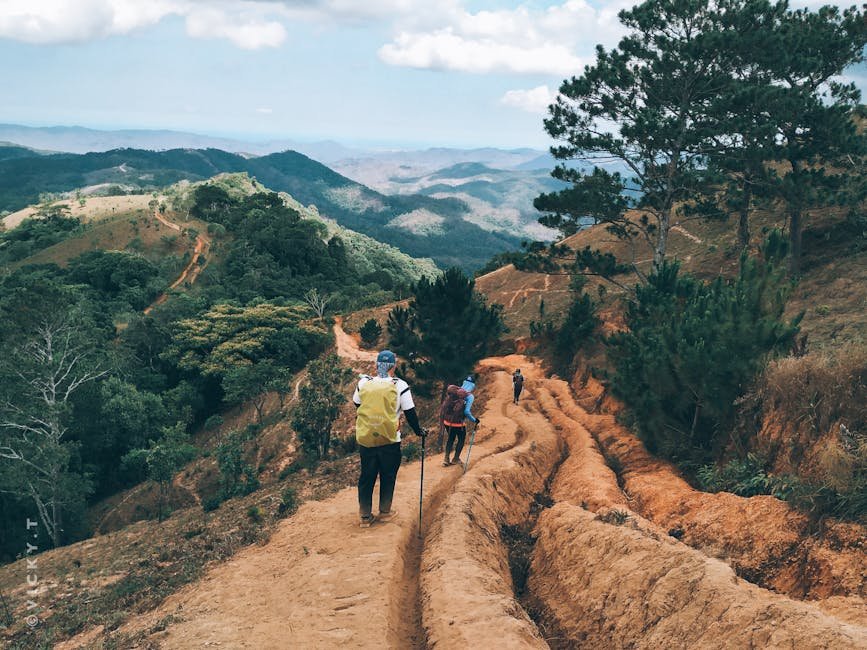
Located in Banff National Park, the Lake Louise shoreline trail is a flat, 2.5-mile (4 km) loop around one of Canada’s most photographed lakes. The path is wide, well-packed, and suitable for all fitness levels. Turquoise glacial waters reflect surrounding peaks, creating a postcard-perfect setting.
Facilities include parking, restrooms, and a visitor center. Early morning starts help avoid crowds. In winter, the trail becomes a popular snowshoeing route. Always check trail conditions, as snow can linger into late spring.
4. Trolltunga Day Hike (Modified Route) – Norway
While the full Trolltunga hike is advanced, a modified version starting from the Skjeggedal trailhead reduces the distance to about 8 miles (13 km) round-trip with 2,000 feet (600 meters) of elevation gain. This still qualifies as challenging but is doable for fit beginners with preparation.
The reward? A dramatic rock ledge jutting over a fjord. Start early, bring layers, and consider trekking poles for stability. Guided tours are available and recommended for first-timers. Avoid this hike in wet or icy conditions.
5. Great Ocean Walk (Apollo Bay to Johanna) – Australia
This 60-mile (97 km) coastal trail offers flexible day hikes, with the 8-mile (13 km) stretch from Apollo Bay to Johanna being ideal for beginners. The path follows the Southern Ocean, passing rainforests, cliffs, and beaches.
Well-signposted and mostly flat, it’s suitable for most fitness levels. Accommodations and cafes are available in Apollo Bay. Best hiked between April and October. Carry sun protection and water, as shade is limited in exposed areas.
6. Milford Track (Dawn Chorus Section) – New Zealand
New Zealand’s Milford Track is world-famous, but the full 33-mile (53 km) route requires booking and multi-day planning. Instead, try the Dawn Chorus walk—a 3-mile (5 km) return trip from Sandfly Point to Ladies Spring.
This easy, flat trail through temperate rainforest ends at a waterfall. It’s part of the Great Walks network, so facilities are excellent. Guided walks include transport from Te Anau. Ideal for families and those wanting a taste of Fiordland without the commitment.
7. Torres del Paine W Trek (Base of the Towers Day Hike) – Chile
The full W Trek is a multi-day adventure, but the day hike to the Base of the Towers is a standalone 11-mile (18 km) round-trip that rewards effort with views of three granite spires rising from the Patagonian steppe.
While long, the trail is well-marked and mostly gradual. Weather changes rapidly—pack windproof and waterproof layers. Refugios (mountain huts) offer shelter and meals. Best attempted between November and March. Start early to allow 7–9 hours.
8. Plitvice Lakes National Park Trails – Croatia
Plitvice Lakes is a UNESCO site with a network of wooden boardwalks and gravel paths winding through cascading lakes and waterfalls. Several loops are under 3 miles (5 km) and completely flat, making them perfect for first-time hikers.
Trails are clearly numbered and color-coded. Electric boats and shuttle buses connect sections, allowing customization. Visit in spring for full water flow or autumn for fewer crowds. Stay on marked paths to protect the delicate ecosystem.

9. Dragon’s Back Trail – Hong Kong
Despite its dramatic name, Dragon’s Back is a moderate 5-mile (8 km) trail with panoramic views of Hong Kong Island and the South China Sea. The route includes gentle climbs and stone steps, but no technical sections.
It ends at Big Wave Bay, where hikers can cool off in the ocean. Well-maintained and popular, it’s safe and well-patrolled. Best hiked on clear days for visibility. Bring sunblock and water—shade is sparse.
10. Zion Riverside Walk – Utah, USA
This 2.2-mile (3.5 km) paved trail follows the Virgin River through Zion Canyon, ending at the entrance to The Narrows. It’s flat, shaded in parts, and accessible year-round. Families with strollers and casual hikers frequent this route.
Water flows even in summer, offering relief on hot days. Restrooms and water fountains are available at the trailhead. Combine with a shuttle ride to avoid parking hassles. Avoid during flash flood warnings.
How to Choose the Right Trek for You
With so many options, picking the right trail depends on your fitness level, time available, and travel preferences. Start by assessing your current activity level—can you comfortably walk 5 miles on pavement? If not, begin with shorter, flatter trails and build up gradually.
Consider the climate and season. High-altitude trails may feel harder due to thinner air, even if the distance is short. Coastal paths can be windy, while forest trails offer shade but may be muddy after rain. Research average temperatures and pack accordingly.
Match Trail to Your Goals
Are you seeking solitude, photography opportunities, or a social experience? Some trails, like Dragon’s Back, are popular and lively, while others, like the Apollo Bay to Johanna segment, offer more peace. Think about what motivates you—views, wildlife, waterfalls, or cultural sites—and choose a destination that aligns.
If traveling with others, pick a trail that suits the least experienced person. Group morale depends on everyone finishing comfortably. Many parks offer trail difficulty ratings—use them as a guide, but remember that personal fitness varies.
Essential Gear for First-Time Trekkers
You don’t need expensive equipment to start trekking, but a few key items make a big difference. Invest in a comfortable backpack (20–30 liters), moisture-wicking clothing, and a good pair of hiking shoes. Avoid cotton—it retains sweat and can cause chafing.
Navigation tools like a physical map, compass, or GPS app (download offline maps) are crucial, even on marked trails. A headlamp or flashlight is wise for unexpected delays. Pack a lightweight emergency blanket and a whistle for signaling.
Clothing and Layering Tips

Dress in layers: a base layer to wick moisture, an insulating mid-layer (like fleece), and a waterproof outer shell. This system lets you adjust to changing conditions. A wide-brimmed hat and sunglasses protect against sun exposure.
Gloves and a beanie are useful in cooler climates. In tropical areas, long sleeves and pants can prevent insect bites and sunburn. Always test new gear on short walks before a big trek.
Common Mistakes to Avoid
First-time hikers often underestimate the importance of pacing. Going too fast leads to fatigue and increases injury risk. Start slow, take regular breaks, and listen to your body. It’s better to turn back early than push through pain.
Another mistake is ignoring the weather. A sunny morning can turn stormy in mountainous regions. Check forecasts and be prepared to postpone. Overpacking is also common—bring only what you need. Every extra pound adds strain.
Hydration and Nutrition
Dehydration sneaks up quickly, even on cool days. Drink water regularly, not just when thirsty. Electrolyte tablets or sports drinks help on longer hikes. For snacks, choose calorie-dense options like nuts, dried fruit, energy bars, or peanut butter packets.
Avoid heavy meals before hiking. Eat a light breakfast and refuel every 60–90 minutes. If planning a full-day trek, pack a simple lunch. Never rely on natural water sources unless you have a filter or purification tablets.
Building Confidence for Future Adventures
Completing your first trek is a milestone. Use the experience to identify what worked and what didn’t. Did you struggle with elevation? Next time, choose a flatter trail. Were your feet sore? Consider better-fitting boots or moisture-wicking socks.
Join a local hiking group or online community to share tips and find companions. Many organizations offer guided beginner hikes, which provide instruction and support. As your confidence grows, gradually increase distance and difficulty.
Remember, trekking is not a race. The goal is enjoyment, connection with nature, and personal growth. Every expert was once a beginner. Start small, stay safe, and keep exploring.
FAQ
How long should my first trek be?
Aim for 3 to 5 miles (5 to 8 km) round-trip with minimal elevation gain. This distance allows you to enjoy the experience without exhaustion. Choose trails with turnaround options so you can adjust based on how you feel.
Do I need a guide for beginner trails?
Not usually. Most beginner-friendly trails are well-marked and safe to hike independently. However, guided tours can be helpful in unfamiliar regions or for learning basic skills. They’re especially useful in remote areas or where language barriers exist.
What’s the best time of year to start trekking?
Spring and early fall are ideal in most regions, offering mild temperatures and fewer crowds. Avoid peak summer heat in desert areas and winter snow in mountainous zones unless prepared. Always check local conditions before heading out.