

Best Places to Visit in Japan 2026
Top Travel Destinations in Japan for 2026
Japan remains one of the world’s most captivating travel destinations, blending ancient traditions with cutting-edge innovation. For 2026, tourists can expect a refreshed lineup of must-visit spots, from revitalized cultural hubs to emerging natural escapes. Whether you’re drawn to historic temples, futuristic cityscapes, or serene mountain retreats, Japan offers a diverse range of experiences tailored to every traveler. This guide highlights the top travel destinations in Japan for tourists in 2026, based on accessibility, cultural significance, seasonal appeal, and visitor satisfaction.
Planning a trip to Japan requires thoughtful preparation, especially with evolving travel policies and seasonal crowd patterns. The destinations featured here are selected not only for their popularity but also for their ability to deliver authentic, memorable experiences. From Tokyo’s neon-lit districts to Kyoto’s tranquil shrines, each location offers something unique. Read on to discover where to go, what to see, and how to make the most of your 2026 Japan adventure.
Why Visit Japan in 2026?
2026 is shaping up to be a pivotal year for tourism in Japan. With improved international flight connectivity, expanded English-language services, and a growing emphasis on sustainable travel, the country is more accessible than ever. Major infrastructure upgrades ahead of future global events are enhancing visitor experiences across cities and rural areas alike.
Additionally, Japan continues to promote regional tourism beyond the usual hotspots. Government initiatives are encouraging travelers to explore lesser-known prefectures, reducing overcrowding in cities like Kyoto and Osaka. This shift allows for more meaningful cultural exchanges and supports local economies.
For first-time visitors, 2026 offers a balanced mix of tradition and modernity. Seasonal festivals, cherry blossom forecasts, and new museum openings are all scheduled with international tourists in mind. Whether you’re traveling solo, as a couple, or with family, Japan in 2026 promises rich experiences rooted in hospitality and discovery.
Tokyo: The Dynamic Heart of Modern Japan
No list of top travel destinations in Japan would be complete without Tokyo. As the capital and largest city, Tokyo serves as the gateway for most international visitors. It’s a city of contrasts—where ancient shrines stand beside towering skyscrapers, and quiet neighborhood alleys buzz with hidden izakayas.
For 2026, Tokyo is investing heavily in visitor infrastructure. New signage in multiple languages, expanded free Wi-Fi zones, and improved public transportation maps make navigation easier. The city is also enhancing accessibility in major attractions, including Senso-ji Temple and the Tokyo National Museum.
Must-See Neighborhoods in Tokyo
Shibuya remains a must-visit for its iconic scramble crossing and vibrant youth culture. Nearby, Harajuku offers quirky fashion and themed cafes, while Shinjuku blends nightlife, shopping, and government districts into one bustling zone.
For a more traditional experience, Asakusa provides a glimpse into old Tokyo. Walk through Nakamise Street to reach Senso-ji, Tokyo’s oldest Buddhist temple. The area is especially beautiful during early morning visits or seasonal festivals.
Roppongi and Ginza cater to upscale tastes, with luxury boutiques, art galleries, and fine dining. Meanwhile, Odaiba offers futuristic attractions like teamLab Borderless (reopening in a new location) and waterfront views of Tokyo Bay.
Seasonal Highlights in Tokyo
Spring brings cherry blossoms to Ueno Park and Chidorigafuchi, drawing crowds for hanami picnics. Summer features festivals like Sumida River Fireworks and outdoor concerts in Yoyogi Park. Autumn transforms the city with crimson maple leaves in places like Rikugien Garden.
Winter in Tokyo is mild but festive, with dazzling light displays in areas like Tokyo Midtown and Caretta Shiodome. New Year’s celebrations at temples offer a spiritual start to the year, with millions visiting Meiji Shrine for hatsumode (first shrine visit of the year).
For 2026, expect special exhibitions at the Mori Art Museum and a renewed focus on sustainable tourism in city planning. Tokyo continues to evolve while preserving its unique character.
Kyoto: The Cultural Soul of Japan
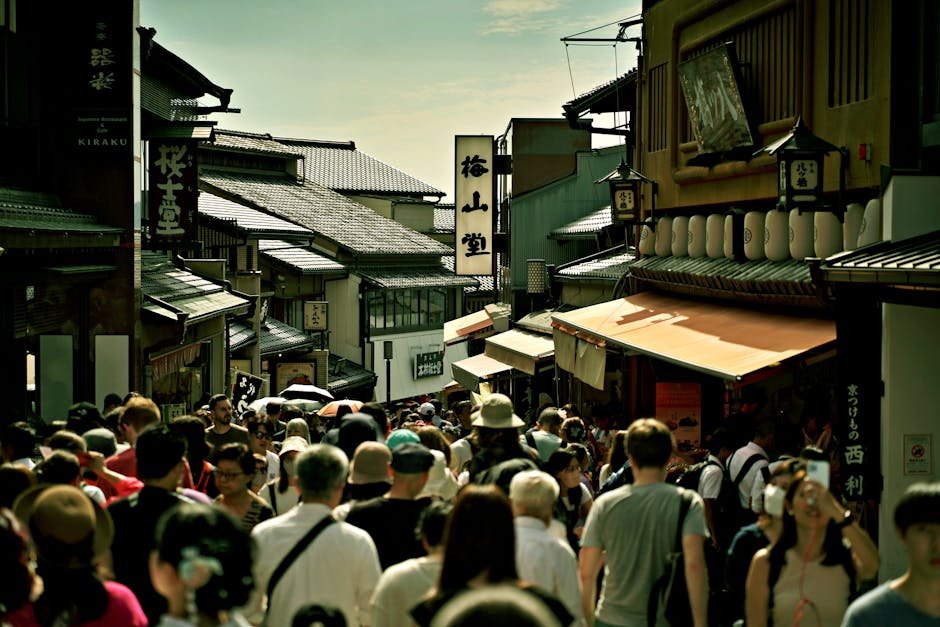
Kyoto, the former imperial capital, is synonymous with traditional Japan. Home to over 2,000 temples and shrines, it offers an immersive journey into the country’s spiritual and artistic heritage. In 2026, Kyoto is working to balance tourism with preservation, implementing timed entry systems and promoting off-peak visits.
The city’s well-preserved districts, such as Gion and Arashiyama, provide authentic glimpses into geisha culture, bamboo forests, and centuries-old tea houses. Visitors can participate in tea ceremonies, kimono rentals, and calligraphy workshops for deeper cultural engagement.
Iconic Temples and Gardens
Kinkaku-ji (the Golden Pavilion) and Ginkaku-ji (the Silver Pavilion) are two of Kyoto’s most photographed sites. Both reflect the Zen Buddhist aesthetic and are surrounded by meticulously maintained gardens. Fushimi Inari Shrine, famous for its thousands of red torii gates, offers a scenic hike with panoramic city views.
Ryoan-ji’s rock garden challenges visitors to contemplate simplicity and emptiness, while Kiyomizu-dera provides stunning views over the city from its wooden terrace. Each temple has its own history and seasonal beauty, making repeat visits rewarding.
For a quieter experience, consider visiting lesser-known sites like Tenryu-ji in Arashiyama or Daigo-ji in the southeastern hills. These locations offer tranquility and architectural elegance without the crowds.
Experiencing Traditional Culture
Kyoto is the best place in Japan to experience traditional arts. The Gion district hosts monthly performances of kyogen (classical comedy) and noh theater. Visitors can also attend workshops in pottery, dyeing, and traditional confectionery making.
The Nishiki Market, known as “Kyoto’s Kitchen,” offers samples of local delicacies like yuba (tofu skin), matcha sweets, and pickled vegetables. It’s a great place to shop for souvenirs and experience daily life in the city.
For 2026, Kyoto is launching a digital guide app with augmented reality features, helping tourists learn about historical sites in real time. The city is also expanding bike rental programs to encourage eco-friendly exploration.
Osaka: Food, Fun, and Urban Energy
Osaka is Japan’s culinary capital and a hub of entertainment. Known for its friendly locals and lively atmosphere, the city offers a more relaxed alternative to Tokyo. In 2026, Osaka is enhancing its appeal with new attractions and improved transit links.
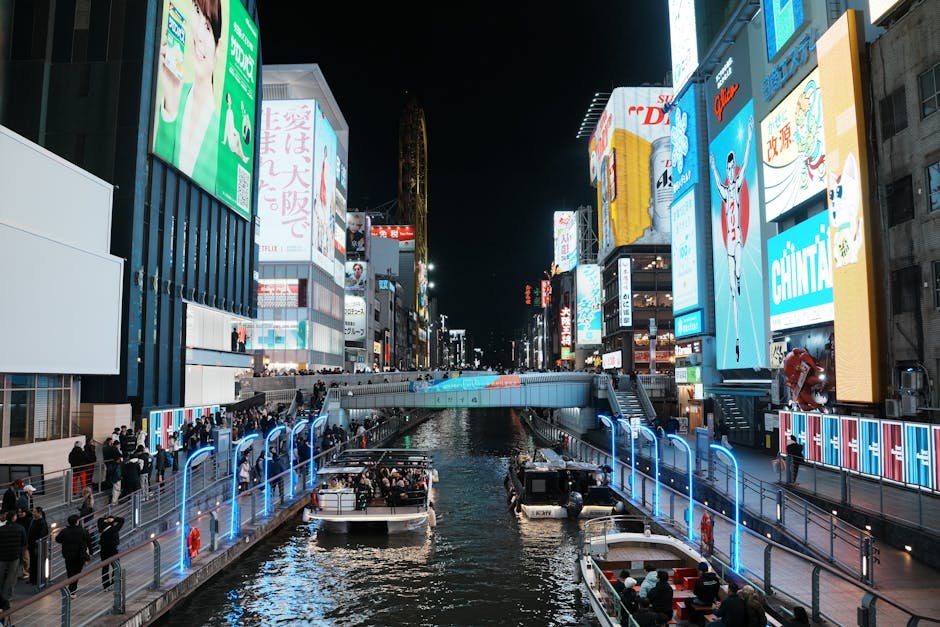
The city’s food scene is legendary. Dotonbori is the epicenter of street food, with takoyaki (octopus balls), okonomiyaki (savory pancakes), and kushikatsu (deep-fried skewers) available at every corner. Food tours and cooking classes are increasingly popular among tourists.
Top Attractions in Osaka
Osaka Castle, a symbol of the city’s historical significance, features a museum and expansive park. The surrounding Nishinomaru Garden is especially beautiful during cherry blossom season. The Umeda Sky Building offers a floating garden observatory with 360-degree views.
Universal Studios Japan continues to draw crowds, especially with the addition of new themed areas like Super Nintendo World. The attraction is expanding in 2026 with enhanced interactive experiences and seasonal events.
For families, the Osaka Aquarium Kaiyukan is one of the largest in the world, featuring a massive tank with whale sharks and manta rays. The Tempozan Harbor Village nearby offers shopping and harbor cruises.
Day Trips from Osaka
Osaka serves as a convenient base for exploring the Kansai region. A short train ride away, Nara offers the famous Todai-ji Temple and friendly deer in Nara Park. Wakayama Prefecture provides access to Mount Koya, a sacred mountain complex with overnight temple stays.
Another popular day trip is to Himeji, home to Japan’s most well-preserved feudal castle. The white structure, often called the “White Heron Castle,” is a UNESCO World Heritage Site and a photographer’s dream.
For 2026, regional rail passes are being updated to include more stops and digital ticketing options, making day trips easier and more affordable.
Hokkaido: Nature and Adventure in the North
Hokkaido, Japan’s northernmost island, is a paradise for nature lovers and outdoor enthusiasts. With vast national parks, volcanic landscapes, and pristine coastlines, it offers a different side of Japan—less urban, more wild. In 2026, Hokkaido is promoting sustainable tourism and winter sports infrastructure.
Sapporo, the island’s largest city, is famous for its annual Snow Festival, which attracts millions of visitors. The 2026 edition will feature larger ice sculptures, international artist collaborations, and expanded food stalls offering local specialties like soup curry and fresh seafood.
Exploring Hokkaido’s Natural Wonders
Furano and Biei are known for their rolling lavender fields and colorful flower farms. During summer, the landscapes burst into bloom, creating Instagram-worthy scenery. In winter, the same areas transform into snow-covered wonderlands ideal for skiing and snowboarding.
Shikotsuko-Toya National Park offers hot springs, volcanic craters, and crystal-clear lakes. Visitors can soak in outdoor onsens while surrounded by mountain views. The park is also home to rare wildlife, including red-crowned cranes and brown bears.
For adventure seekers, Niseko remains one of the world’s top ski destinations, with consistent powder snow and modern resorts. In 2026, new eco-lodges and carbon-neutral initiatives are being introduced to reduce environmental impact.
Seasonal Travel Tips

Summer in Hokkaido is mild and ideal for hiking, cycling, and camping. The island’s cooler climate makes it a refreshing escape from Japan’s humid cities. Autumn brings vibrant foliage, particularly in Daisetsuzan National Park, Japan’s largest.
Winter is peak season for snow sports and festivals. However, travelers should be prepared for heavy snowfall and limited daylight. Rental cars are recommended for remote areas, but winter driving requires caution and proper tires.
For 2026, Hokkaido is improving English-language support in rural areas and expanding shuttle services between major attractions. The island is also investing in geothermal energy to power tourism facilities sustainably.
Okinawa: Tropical Paradise in Southern Japan
Okinawa offers a completely different experience from mainland Japan. With its turquoise waters, coral reefs, and subtropical climate, it feels more like Southeast Asia. In 2026, Okinawa is focusing on marine conservation and cultural preservation to protect its unique ecosystem.
The islands are perfect for beach lovers, divers, and those seeking relaxation. Naha, the capital, provides a blend of modern amenities and traditional Ryukyuan culture. The Shuri Castle, a UNESCO site, reflects the region’s distinct history as the former Ryukyu Kingdom.
Beach and Water Activities
Emerald Beach on Manza Island and Sunset Beach on Miyako Island are among the most beautiful in Japan. Snorkeling and scuba diving are popular, with sites like the Blue Cave and Kabira Bay offering vibrant marine life.
Glass-bottom boat tours and parasailing are available for less experienced swimmers. For a unique experience, try stand-up paddleboarding in the calm lagoons of Ishigaki Island.
Okinawa is also known for its longevity and healthy diet. Visitors can tour local farms, taste awamori (a traditional rice spirit), and learn about the island’s superfoods like purple sweet potatoes and bitter melon.
Cultural Experiences in Okinawa
Traditional music and dance, such as eisa and ryuka, are performed at festivals and cultural centers. The Okinawa Prefectural Museum in Naha provides insight into the islands’ history, art, and relationship with mainland Japan.
For 2026, new cultural exchange programs are being launched, allowing tourists to stay with local families and participate in daily activities. These immersive experiences support community-based tourism and foster cross-cultural understanding.
Travelers should note that Okinawa’s peak season is summer, but typhoons can occur. Booking flexible accommodations and monitoring weather forecasts is advised.
Emerging Destinations for 2026
Beyond the well-known cities, several regions are gaining attention as top travel destinations in Japan for tourists in 2026. These emerging spots offer authenticity, fewer crowds, and unique experiences.
Kanazawa: The Little Kyoto
Kanazawa, on the Sea of Japan coast, is often called “Little Kyoto” for its well-preserved samurai and geisha districts. The city boasts Kenrokuen Garden, one of Japan’s top three landscape gardens, and a thriving crafts scene.
In 2026, Kanazawa is expanding its international visitor services, including multilingual guides and digital maps. The 21st Century Museum of Contemporary Art continues to attract art lovers with innovative exhibitions.
Tohoku Region: Nature and Resilience
The Tohoku region, in northern Honshu, is rebuilding its tourism industry after past challenges. Areas like Matsushima Bay, known for its scenic islands, and Yamadera, a mountain temple with breathtaking views, are seeing renewed interest.
Local festivals, such as the Nebuta Festival in Aomori, showcase elaborate floats and traditional performances. The region is also promoting onsen towns like Nyuto and Ginzan, where visitors can relax in rustic hot springs.
Shikoku: The Pilgrimage Island

Shikoku is home to the 88-temple Shikoku Pilgrimage, a spiritual journey undertaken by thousands each year. While challenging, shorter segments of the route are accessible to tourists seeking cultural depth.
The island’s Iya Valley features dramatic gorges, vine bridges, and remote villages. It’s ideal for hiking and experiencing rural Japan. In 2026, new eco-friendly lodges and guided tours are making the area more accessible.
Practical Tips for Traveling in Japan in 2026
To make the most of your trip, consider these practical tips tailored for 2026 travelers. Japan is generally safe, clean, and efficient, but a few preparations can enhance your experience.
Transportation
The Japan Rail Pass remains a cost-effective option for long-distance travel, especially if visiting multiple regions. In 2026, the pass is available for purchase online with e-ticket options, reducing the need for in-person exchanges.
For city travel, IC cards like Suica and Pasmo work across most trains, buses, and convenience stores. Mobile payment integration is expanding, making cashless transactions more common.
Renting a car is recommended for rural areas like Hokkaido and Shikoku, but international driving permits are required. Always check road conditions, especially in winter.
Accommodation
Options range from luxury hotels to traditional ryokans and budget hostels. Booking in advance is essential during peak seasons like cherry blossom (late March to early April) and autumn foliage (November).
For a unique stay, consider minshuku (family-run guesthouses) or temple lodgings in Kyoto and Mount Koya. These offer cultural immersion and home-cooked meals.
Etiquette and Communication
Basic Japanese phrases go a long way. While many signs are in English, learning greetings like “arigatou gozaimasu” (thank you) shows respect. Bowing is common, but a nod is acceptable for tourists.
Remove shoes when entering homes, temples, and some restaurants. Tipping is not customary and can be considered rude. Always carry cash, as not all places accept credit cards.
In 2026, translation apps with offline capabilities are widely used. Download one before your trip to help with menus and directions.
Final Thoughts
Japan in 2026 offers a compelling mix of tradition, innovation, and natural beauty. From the bustling streets of Tokyo to the tranquil temples of Kyoto and the tropical shores of Okinawa, the country continues to inspire travelers from around the world. The top travel destinations in Japan for tourists in 2026 reflect a thoughtful balance of popularity, accessibility, and cultural authenticity.
Whether you’re planning your first trip or returning to explore new regions, now is an excellent time to visit. With improved infrastructure, sustainable tourism efforts, and a welcoming spirit, Japan is ready to deliver unforgettable experiences. Start planning your itinerary, pack your bags, and prepare for a journey that blends the past, present, and future of one of the world’s most fascinating nations.
FAQ
What is the best time to visit Japan in 2026?
The ideal time depends on your interests. Spring (March to May) offers cherry blossoms and mild weather, while autumn (September to November) features vibrant foliage. Summer is hot and humid but great for festivals, and winter is perfect for skiing in Hokkaido or enjoying hot springs.
Do I need a visa to travel to Japan in 2026?
Citizens of many countries, including the U.S., Canada, and most EU nations, can enter Japan visa-free for short stays (usually up to 90 days). Check the latest requirements with your local Japanese embassy before traveling.
Is Japan safe for tourists in 2026?
Yes, Japan remains one of the safest countries in the world for tourists. Crime rates are low, public transportation is reliable, and locals are generally helpful. However, always stay aware of your surroundings, especially in crowded areas.