

Top Travel Destinations for Adventure Lovers in 2026
Top Travel Destinations for Adventure Lovers in 2026
Adventure travel in 2026 offers more options than ever—from high-altitude treks to remote island expeditions. Exploring adventure travel destinations 2026 reveals important insights. Whether you’re into mountaineering, diving, jungle exploration, or desert trekking, the world is full of destinations that deliver thrills and unforgettable experiences. This guide highlights the best places to go for adrenaline-fueled journeys next year, based on emerging travel trends, accessibility, and natural wonders.
We’ve focused on locations that balance challenge with safety, sustainability, and real adventure. These aren’t just scenic backdrops—they’re places where you’ll test your limits, connect with local cultures, and return with stories worth telling. From newly opened trails to under-the-radar regions gaining attention, these destinations are shaping up to be the top picks for 2026.
Why 2026 Is the Year to Go Big on Adventure
Post-pandemic travel has shifted. Travelers now seek meaningful, active experiences over passive sightseeing. According to recent industry reports, adventure tourism is growing at nearly 18% annually, with demand strongest among travelers aged 25–45.
New infrastructure, improved safety protocols, and eco-conscious tour operators are making once-inaccessible regions more reachable. At the same time, climate considerations are pushing travelers toward resilient destinations that offer year-round adventure opportunities.
2026 also sees a rise in “slow adventure”—longer trips that emphasize immersion over speed. Think multi-day treks, cultural exchanges, and low-impact expeditions. This trend favors destinations with strong local communities and protected natural areas.
Top Adventure Destinations for 2026
1. Patagonia, Chile & Argentina
Patagonia remains a top choice for serious hikers, climbers, and wilderness lovers. The region’s vast landscapes—glaciers, jagged peaks, and windswept plains—offer some of the most dramatic terrain on Earth.
In 2026, the newly expanded Torres del Paine W Trek includes improved trail markers and eco-lodges along the route. The Fitz Roy Range in Argentina continues to attract climbers, with guided ascents now available for intermediate-level adventurers.
Best for: Multi-day trekking, glacier hikes, wildlife spotting (guanacos, condors), and photography.
Tip: Visit between November and March for optimal weather. Book refugios (mountain huts) early—they fill up months in advance.
2. Bhutan: The Himalayan Kingdom Reopens
After tightening tourism policies in recent years, Bhutan is reopening with a renewed focus on sustainable adventure travel. The daily tourist fee has been restructured to support conservation and local communities.
The Snowman Trek, one of the world’s most challenging high-altitude routes, is now accessible to well-prepared trekkers. Spanning 250 miles across the Bhutanese Himalayas, it takes about 25 days and crosses 11 high mountain passes.
For less extreme options, the Jomolhari Base Camp Trek offers stunning views of Mount Jomolhari and encounters with yak herders and Buddhist monasteries.
Best for: High-altitude trekking, cultural immersion, and spiritual exploration.
Warning: Altitude sickness is a real risk. Acclimatize properly and travel with a licensed guide—required by law.
3. Namibia: Desert Adventures and Wildlife
Namibia’s otherworldly landscapes make it a rising star for adventure travelers. The Namib Desert, home to the world’s tallest sand dunes, offers thrilling dune climbs and 4×4 safaris.
The Fish River Canyon—one of the largest canyons globally—features a 5-day hiking trail that’s perfect for experienced trekkers. The route includes river crossings, rocky scrambles, and panoramic viewpoints.
For something different, try sandboarding on the Sossusvlei dunes or stargazing in the NamibRand Nature Reserve, a Gold Tier Dark Sky Park.
Best for: Desert trekking, 4×4 expeditions, wildlife photography, and solitude.
Takeaway: Summer temperatures exceed 100°F (38°C). Plan trips between May and September for cooler conditions.
4. Papua New Guinea: Jungle Expeditions and Cultural Encounters
Papua New Guinea (PNG) is one of the last true frontiers for adventure travel. With over 800 languages and untouched rainforests, it offers a raw, unfiltered experience.
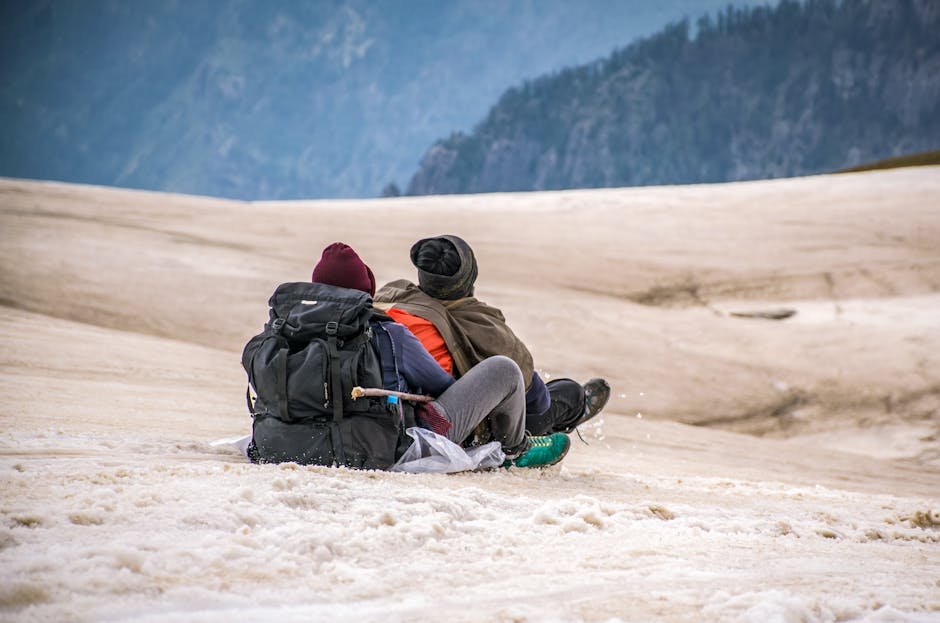
The Kokoda Track is a historic 60-mile trail through the Owen Stanley Range. Once a WWII battlefield, it’s now a challenging trek that combines physical endurance with cultural learning.
For divers, the Kimbe Bay region boasts some of the richest marine biodiversity on the planet. Liveaboard trips allow access to remote reefs and WWII wrecks.
Best for: Jungle trekking, cultural tourism, scuba diving, and historical exploration.
Warning: Travel requires careful planning. Hire local guides, check health advisories, and ensure you have evacuation insurance.
5. Faroe Islands: Rugged Coastlines and Cliff Hikes
This North Atlantic archipelago is gaining popularity for its dramatic cliffs, grass-roof villages, and challenging coastal hikes. With only 50,000 residents, the Faroe Islands offer solitude and raw natural beauty.
The Kallur Lighthouse Trail on Kalsoy Island features a steep climb to a remote lighthouse with sweeping views of the North Atlantic. The Slaettaratindur hike takes you to the highest peak, with optional via ferrata sections for added thrill.
New in 2026: A network of suspension bridges connecting remote islands, making multi-island treks more accessible.
Best for: Coastal hiking, photography, birdwatching (puffins!), and Nordic culture.
Tip: Weather changes fast. Pack waterproof layers and check trail conditions daily.
6. Georgia (the Country): Caucasus Mountains and Ancient Trails
Nestled between Europe and Asia, Georgia offers affordable, high-value adventure travel. The Caucasus Mountains provide world-class trekking, with trails like the Mount Kazbek 5-day ascent drawing climbers from around the globe.
The Transcaucasian Trail, still under development, will eventually span 1,700 miles from the Black Sea to the Caspian. Sections in Svaneti and Tusheti are already open and offer stunning alpine scenery and medieval villages.
For something less strenuous, try canyoning in the Okatse Canyon or paragliding over the Alazani Valley.
Best for: Mountain trekking, cultural heritage, wine tourism, and budget-friendly travel.
Takeaway: Georgia is safe, welcoming, and increasingly well-connected. Direct flights from major European cities make access easy.
7. Raja Ampat, Indonesia: The Ultimate Diving Destination
Raja Ampat, off the coast of West Papua, is often called the “Crown Jewel” of marine biodiversity. With over 1,500 fish species and 600 types of coral, it’s a paradise for underwater adventurers.
Liveaboard dive trips are the best way to explore remote reefs, manta ray cleaning stations, and WWII shipwrecks. Popular sites include Misool’s Magic Mountain and Darwin’s Café for shark encounters.
Above water, kayaking through limestone karsts and visiting traditional Papuan villages add cultural depth to the experience.
Best for: Scuba diving, snorkeling, kayaking, and eco-tourism.
Warning: Strong currents and remote locations require advanced diving certification. Choose operators with strong safety records.
8. Kyrgyzstan: Silk Road Adventures on Horseback
Central Asia’s Kyrgyzstan is emerging as a hotspot for horseback trekking and nomadic culture. The Tien Shan Mountains offer endless trails through alpine meadows, glacial lakes, and yurt camps.
The Ala-Kul Lake Trek is a 3-day journey that climbs to a stunning turquoise lake at 3,500 meters. Exploring adventure travel destinations 2026 reveals important insights. Local guides provide horses, meals, and cultural insights.
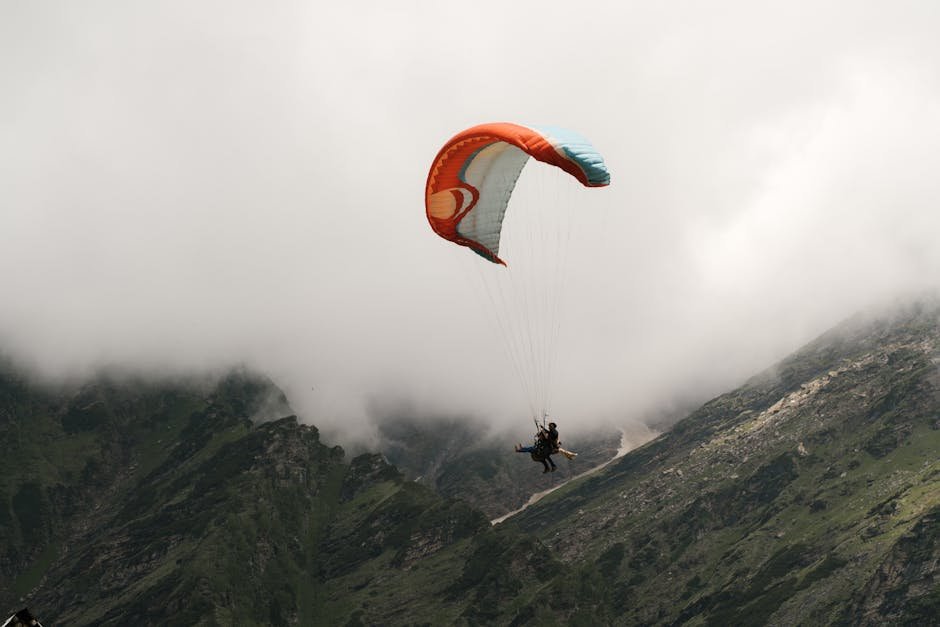
New in 2026: Improved trail signage and community-run guesthouses along popular routes, enhancing safety and comfort.
Best for: Horseback riding, high-altitude trekking, cultural exchange, and budget travel.
Tip: Learn a few phrases in Russian or Kyrgyz. Locals appreciate the effort, and it enhances the experience.
9. Iceland: Volcanic Landscapes and Glacier Caves
Iceland continues to evolve as an adventure destination. While the Golden Circle is well-trodden, 2026 brings new access to volcanic zones and glacier caves.
The Fagradalsfjall Volcano, which erupted in 2021 and 2022, is now open for guided hikes. Visitors can walk near active fissures and see fresh lava fields.
In winter, ice caving in Vatnajökull Glacier offers surreal blue tunnels formed by meltwater. These caves change yearly, so each visit is unique.
Best for: Volcano hikes, glacier walks, ice caving, and Northern Lights chasing.
Warning: Volcanic activity is unpredictable. Always go with certified guides and check official safety updates.
10. Madagascar: Lemurs, Baobabs, and Remote Trails
Madagascar’s isolation has preserved unique ecosystems found nowhere else. The Andasibe-Mantadia National Park offers night hikes to spot indri lemurs and chameleons.
The Tsingy de Bemaraha UNESCO site features a limestone “forest” of sharp pinnacles. Via ferrata routes allow safe traversal of this surreal landscape.
For endurance adventurers, the Great Southern Trek crosses remote regions from Tuléar to Fort Dauphin, passing through baobab forests and coastal villages.
Best for: Wildlife encounters, unique geology, cultural immersion, and off-grid travel.
Takeaway: Infrastructure is limited. Travel with experienced local guides and expect basic conditions.
How to Choose the Right Adventure Destination
With so many options, picking the right destination depends on your fitness level, experience, budget, and interests.
Start by assessing your physical readiness. High-altitude treks in Bhutan or Kyrgyzstan require good cardiovascular health. Desert hikes in Namibia demand heat tolerance and navigation skills.
Consider the season. Patagonia is best in summer (December–February), while Iceland’s ice caves are only accessible from November to March.
Budget matters too. Destinations like Georgia and Kyrgyzstan offer high adventure at low cost. Raja Ampat and the Faroe Islands are more expensive due to remote logistics.
Finally, think about travel style. Do you prefer solo expeditions, small group tours, or family-friendly adventures? Many destinations now offer tiered experiences—from beginner hikes to expert-level climbs.
Safety and Sustainability in Adventure Travel
Adventure travel carries inherent risks. Always research local conditions, weather patterns, and political stability before booking.
Hire certified local guides. They know the terrain, speak the language, and can respond to emergencies. In places like PNG and Madagascar, guides are not optional—they’re essential.
Invest in quality gear. A good backpack, sturdy boots, and weather-appropriate clothing can make or break your trip. Don’t skimp on safety equipment like headlamps, first-aid kits, or satellite communicators.
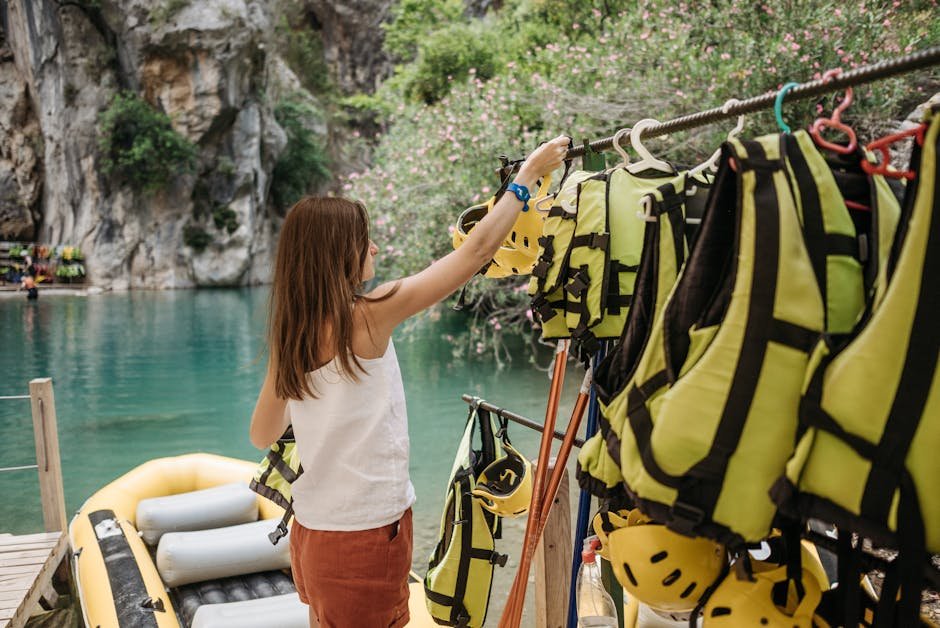
Sustainability is equally important. Choose operators that follow Leave No Trace principles, support local economies, and minimize environmental impact.
Avoid overcrowded trails when possible. Over-tourism damages ecosystems and diminishes the adventure experience. Consider lesser-known alternatives—like Georgia instead of Nepal, or the Faroe Islands instead of Iceland’s main attractions.
Packing Essentials for 2026 Adventures
Smart packing starts with versatility. A 40–60L backpack is ideal for most multi-day trips. Choose lightweight, quick-dry clothing in neutral colors.
Essential items include:
- Waterproof jacket and pants
- Layered insulation (fleece or down)
- Hiking boots with ankle support
- Sleeping bag rated for expected temperatures
- Water filtration system
- Solar charger or power bank
- First-aid kit with blister treatment
For remote areas, add a GPS device or satellite messenger (like Garmin inReach). These can be lifesavers in areas with no cell service.
Pack light but smart. Every ounce counts on long treks. Test your gear before departure—especially boots and tents.
Emerging Trends in Adventure Travel for 2026
Adventure travel is evolving. One major trend is “regenerative tourism”—trips that leave a positive impact on destinations. This includes trail restoration projects, wildlife monitoring, and supporting local conservation.
Technology is also playing a bigger role. Apps now offer offline trail maps, real-time weather alerts, and augmented reality guides for historical sites.
Another shift is toward multi-activity trips. Instead of just hiking, travelers combine trekking with kayaking, climbing, or cultural workshops. This creates richer, more varied experiences.
Finally, there’s growing interest in “shoulder season” travel—visiting destinations just before or after peak times. This reduces crowds, lowers costs, and often offers better weather than expected.
Final Tips for Planning Your 2026 Adventure
Start planning at least 6–12 months in advance, especially for destinations requiring permits (like Bhutan or Torres del Paine).
Check visa requirements and vaccination recommendations. Some countries, like Papua New Guinea, require yellow fever vaccination for entry.
Buy comprehensive travel insurance that covers adventure activities. Standard policies often exclude high-risk pursuits like mountaineering or diving.
Stay flexible. Weather, political events, or natural disasters can disrupt plans. Build buffer days into your itinerary.
And most importantly—respect the places you visit. Adventure travel is about connection, not conquest. Leave only footprints, take only memories.
FAQ
What is the best adventure destination for beginners in 2026?
The Faroe Islands and Georgia are excellent for first-time adventure travelers. Both offer well-marked trails, English-speaking guides, and manageable difficulty levels. The Faroe Islands are ideal for coastal hikes, while Georgia provides mountain trekking with strong infrastructure.
Are adventure travel destinations safe in 2026?
Most top adventure destinations are safe when proper precautions are taken. Always use licensed guides, check government travel advisories, and purchase adventure-specific insurance. Avoid unstable regions and monitor local news before departure.
How much does a typical adventure trip cost in 2026?
Costs vary widely. Budget destinations like Kyrgyzstan or Georgia can cost $50–$100 per day. Mid-range trips to Patagonia or Namibia run $150–$300 daily. High-end expeditions to Raja Ampat or Bhutan can exceed $500 per day, including guides and permits.
Related keywords: Top Travel Destinations for Adventure Lovers 2026.