

Best Road Trip Destinations in Australia
Top Places to Visit in Australia for Road Trips
Australia offers some of the world’s most unforgettable road trips, blending rugged coastlines, vast deserts, lush rainforests, and vibrant cities. Exploring Australia road trip destinations reveals important insights. Whether you’re driving a campervan through the outback or cruising along scenic coastal highways, the country delivers diverse landscapes and unique experiences around every bend. From the iconic Great Ocean Road to remote tracks in the Red Centre, these top destinations cater to every kind of road tripper—adventurous, relaxed, or family-focused.
Why Australia Is a Road Trip Paradise
With over 90% of Australians living within 50 kilometers of the coast, much of the population clusters along the shoreline—making coastal drives especially popular. Yet inland routes reveal dramatic contrasts: red dirt, ancient rock formations, and wide-open skies. The country’s well-maintained highways, clear signage, and reliable fuel stations make long-distance driving accessible even for first-time visitors.
Road trips here aren’t just about getting from point A to B—they’re immersive journeys through culture, geography, and wildlife. You might spot kangaroos at dawn near Alice Springs, swim in turquoise waters off Queensland, or stargaze under some of the clearest night skies on Earth.
Great Ocean Road: The Classic Coastal Drive
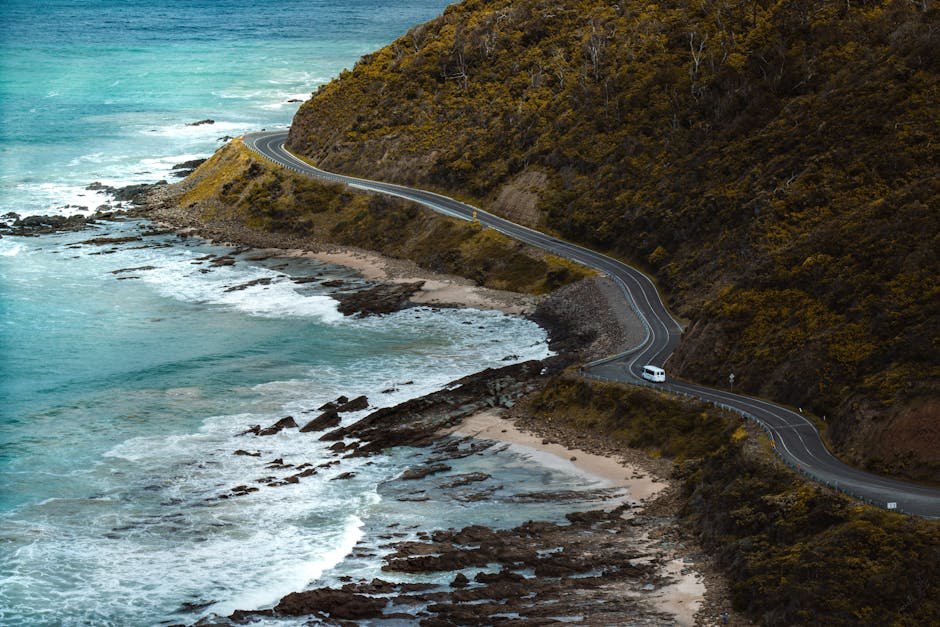
Stretching 243 kilometers along Victoria’s southwest coast, the Great Ocean Road is Australia’s most famous drive. Starting in Torquay and ending near Warrnambool, it winds past limestone stacks like the Twelve Apostles, lush rainforests, and quiet surf towns.
Allow at least three days to do it justice. Stop at Bells Beach for world-class surfing, explore the Otway National Park for waterfall hikes, and take a detour to Port Campbell for coastal photography. Avoid summer holidays if possible—traffic can slow progress significantly.
Best Time to Visit
April to May and September to November offer mild weather and fewer crowds. Winter brings moody skies and powerful waves, ideal for dramatic photos but rougher driving conditions.
Essential Stops
- Twelve Apostles (sunrise or sunset)
- London Bridge and Loch Ard Gorge
- Kennett River for koala spotting
- Apollo Bay for seafood and local markets
Red Centre Way: Outback Adventure Through Central Australia
This 1,135-kilometer loop connects Alice Springs, Uluru, Kings Canyon, and the West MacDonnell Ranges. It’s a journey through ancient landscapes shaped by millions of years of erosion and Aboriginal culture.
Uluru (Ayers Rock) is the spiritual heart of the region. Visit at sunrise when the rock glows red, and respect local customs—climbing is now prohibited. Kings Canyon offers a challenging but rewarding rim walk with panoramic views.
Vehicle and Preparation Tips
A 4WD is recommended, especially for unsealed sections. Carry extra water, fuel, and a satellite phone—mobile coverage is sparse. Check road conditions before departure; flash floods can close routes unexpectedly.
Must-See Highlights
- Uluru-Kata Tjuta National Park
- Kings Canyon Rim Walk
- Standley Chasm at midday for best light
- Alice Springs for Aboriginal art galleries
Great Alpine Road: Victoria’s High Country Escape
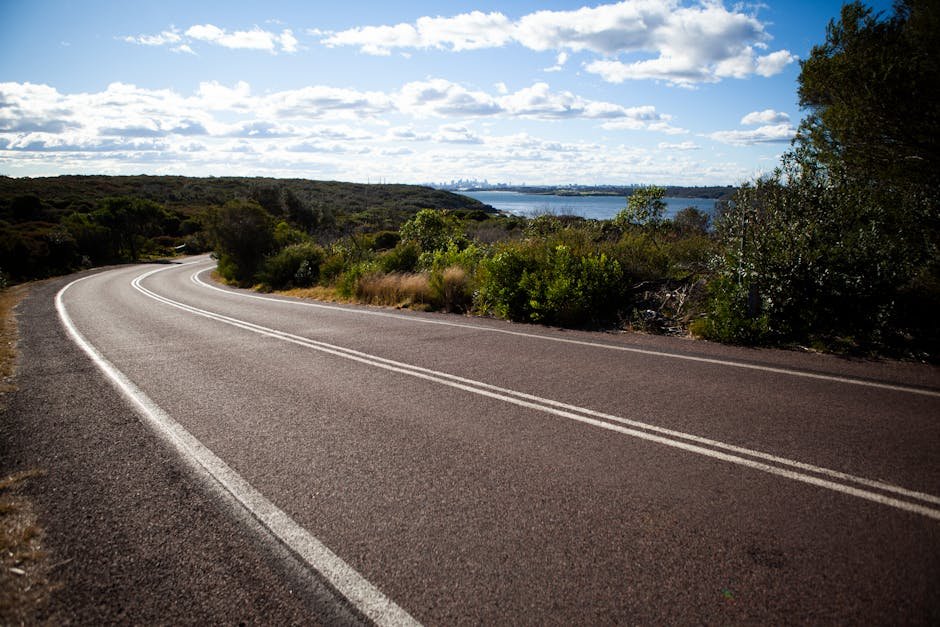
Running from Wangaratta to Bairnsdale, this 300-kilometer route traverses Victoria’s alpine region. It passes through snow gums, mountain villages, and vineyards, offering seasonal variety—ski resorts in winter, wildflowers in spring.
Drive slowly on winding mountain roads, especially near Mount Hotham and Falls Creek. Fuel up in Bright or Bright, as services thin at higher elevations.
Seasonal Considerations
Winter requires snow chains and caution. Summer opens up hiking trails like the Australian Alps Walking Track. Autumn brings golden foliage in the Ovens Valley.
Top Detours
- Mount Buffalo National Park for rock climbing
- Beechworth for historic charm and bakeries
- Gippsland’s Gourmet Food Trail
Pacific Coast Touring Route: Sydney to Brisbane
This 900-kilometer coastal drive links two of Australia’s biggest cities via the Pacific Highway. It’s ideal for travelers wanting a mix of urban energy and natural beauty without venturing too far inland.
Highlights include the Hunter Valley wine region, Port Stephens for dolphin watching, and the rainforests of Dorrigo National Park. Byron Bay offers a laid-back finish with beaches, cafes, and the Cape Byron Lighthouse.
Family-Friendly Stops
- Hunter Valley Gardens
- Nelson Bay for snorkeling and sand dunes
- Nightcap National Park for waterfalls
Driving Tips
The highway is mostly dual-lane and well-signed, but watch for fatigue on long stretches. Rest areas are frequent, and major towns have full services. Avoid peak holiday times to dodge congestion.
Tasmanian Wilderness World Heritage Area: Island Road Trip
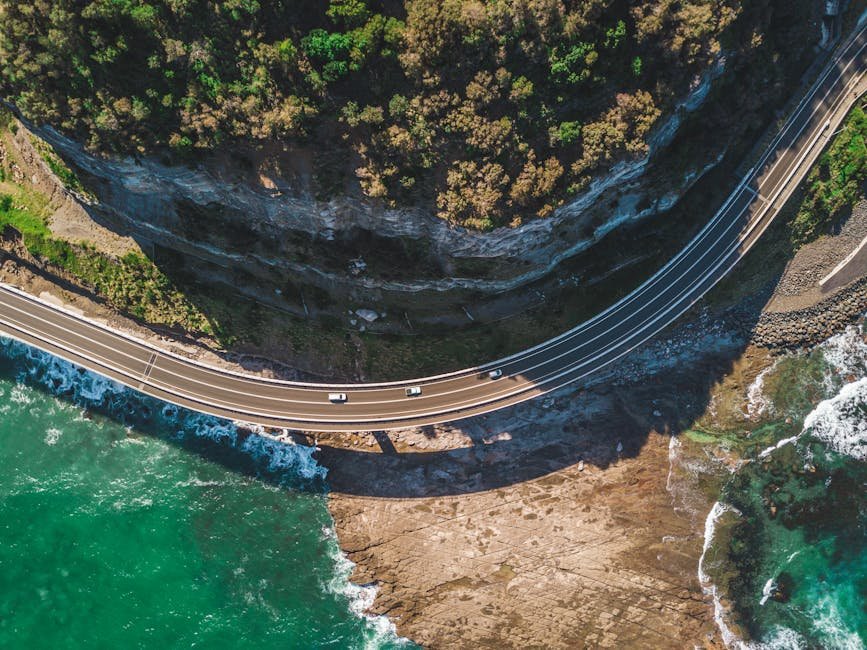
Tasmania’s compact size makes it perfect for a week-long loop. Exploring Australia road trip destinations reveals important insights. Start in Hobart, drive west to Cradle Mountain, then south through Strahan and back along the east coast via Freycinet.
The roads are narrow and winding, especially in national parks. Allow extra time—Tasmanian driving is about scenery, not speed.
Key Experiences
- Cradle Mountain-Lake St Clair National Park
- Gordon River cruise from Strahan
- Wineglass Bay lookout in Freycinet
- MONA museum in Hobart
Practical Notes
Ferries connect mainland Australia to Tasmania (Melbourne to Devonport). Book vehicle transport early during peak seasons. Fuel stations are fewer in remote areas—plan accordingly.
Nullarbor Plain: The Ultimate Outback Crossing
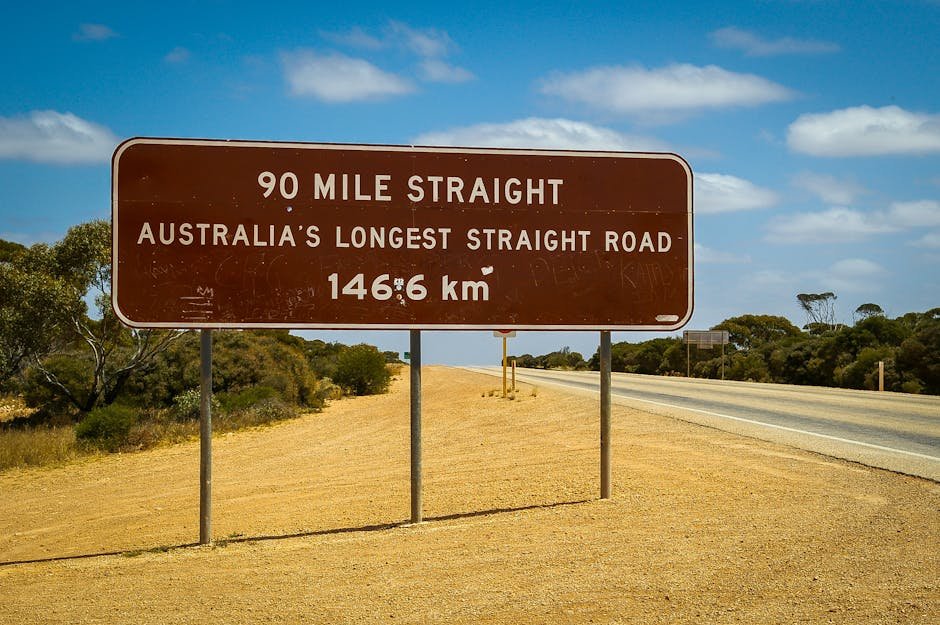
Spanning 1,200 kilometers across South Australia and Western Australia, the Nullarbor is one of the world’s longest straight roads. It’s not for the faint-hearted—services are sparse, and the landscape is starkly beautiful.
Break the journey at Ceduna, Eucla (near the SA/WA border), and Norseman. Look for whales offshore between May and October and explore the Nullarbor Cave System near Border Village.
Safety First
Carry at least 20 liters of water per person, extra fuel, and a UHF radio. Notify someone of your travel plans. Roadhouses provide basic supplies, but don’t rely on them being open.
Unique Sights
- Great Australian Bight cliffs
- Whale watching platforms
- Abandoned railway towns
Gibb River Road: Kimberley’s Rugged Gem
Located in Western Australia’s remote Kimberley region, this 660-kilometer unsealed track is a 4WD-only adventure. Open typically from April to November, it cuts through gorges, river crossings, and ancient rock formations.
Key stops include Windjana Gorge, Bell Gorge, and the Bungle Bungle Range in Purnululu National Park. Permits are required for some areas, and river levels must be checked daily.
Preparation Checklist
- High-clearance 4WD with recovery gear
- Satellite communication device
- Detailed maps (GPS may fail)
- Minimum two weeks’ food and water
Planning Your Australian Road Trip
Start by choosing a region that matches your interests—coastal relaxation, outback solitude, or mountain scenery. Decide on duration: a weekend getaway, a two-week loop, or a multi-month odyssey.
Book accommodations in advance during school holidays and festivals. Consider campervans for flexibility, but ensure your vehicle is suitable for the terrain—especially if heading off sealed roads.
Budgeting Tips
- Fuel costs add up—compare prices using apps like FuelMap
- Camping is cheaper than hotels but requires gear
- National park passes save money if visiting multiple sites
Essential Gear
- First aid kit and snake bite bandages
- Sunscreen, hat, and UV-protective clothing
- Portable charger and offline maps
- Cooler for food and drinks
Safety and Etiquette on Australian Roads
Drive on the left and obey speed limits—rural areas often have hidden speed cameras. Wildlife crossings are common at dawn and dusk; slow down in marked zones.
Never leave food unattended at campsites—possums and goannas are bold. Respect Indigenous sacred sites—some areas require permits or prohibit photography.
Emergency Preparedness
- Know the emergency number: 000
- Carry a personal locator beacon (PLB) for remote trips
- Check road conditions via state transport websites
Final Thoughts
Australia’s road trip destinations offer something for every traveler. Whether you seek solitude in the desert, coastal charm, or alpine adventure, the journey itself becomes part of the experience. With careful planning and respect for the environment, your Australian road trip can be safe, enriching, and deeply memorable.
FAQ
What’s the best time of year for a road trip in Australia?
It depends on the region. Coastal areas are pleasant year-round, but avoid summer heat in the outback (December–February). Spring (September–November) and autumn (March–May) offer mild weather across most destinations.
Do I need a 4WD for Australian road trips?
Not always. Major highways and coastal routes are suitable for standard vehicles. However, remote drives like Gibb River Road or parts of the Red Centre require a high-clearance 4WD and proper preparation.
Can I camp anywhere along these routes?
No. Free camping is restricted in many areas. Use designated campgrounds, national park sites, or caravan parks. Always check local regulations—some regions ban overnight parking entirely.