

Best Travel Destinations in Pakistan for Tourists
Best Travel Destinations in Pakistan for Tourists
Looking for the best travel destinations in Pakistan for tourists? This country offers a stunning mix of natural beauty, rich history, and vibrant culture. From snow-capped peaks to ancient ruins and bustling bazaars, Pakistan is a hidden gem for travelers seeking adventure and authenticity. Whether you’re planning a mountain trek, a cultural exploration, or a scenic road trip, these destinations promise unforgettable experiences.
This guide highlights the top places to visit, practical tips for travelers, and essential insights to help you plan a safe and rewarding trip. With diverse landscapes and welcoming communities, Pakistan is quickly becoming a must-visit destination in South Asia.
Northern Areas: The Heart of Natural Beauty
Pakistan’s northern regions are a paradise for nature lovers and adventure seekers. Nestled in the Himalayas and Karakoram ranges, these areas offer some of the world’s highest peaks, pristine lakes, and dramatic valleys.
1. Hunza Valley
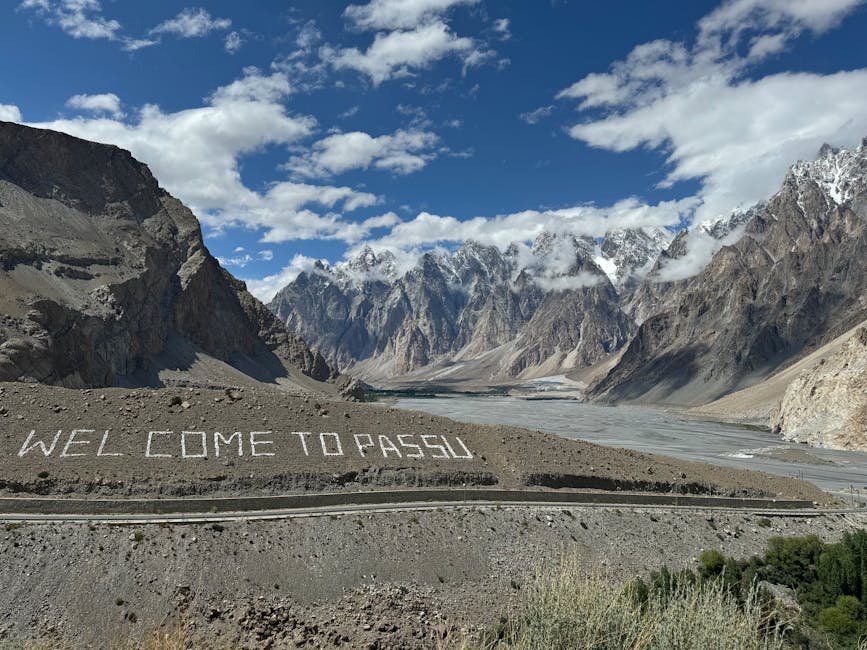
Hunza Valley is one of the most picturesque destinations in Pakistan. Located in Gilgit-Baltistan, it’s surrounded by towering mountains like Rakaposhi and Ultar Sar. The valley is known for its terraced fields, apricot orchards, and friendly locals.
Karimabad, the main town, offers stunning views of the Rakaposhi peak. Visit the historic Baltit and Altit Forts, both over 700 years old. The valley is also a gateway to the famous Khunjerab Pass, the highest paved international border crossing in the world.
Best time to visit: May to October. Roads are clear, and weather is mild. Avoid winter months due to heavy snowfall and road closures.
2. Fairy Meadows
Fairy Meadows is a grassy plateau offering one of the most dramatic views of Nanga Parbat, the ninth-highest mountain on Earth. The name comes from its ethereal beauty, especially at sunrise and sunset.
Reaching Fairy Meadows requires a 30-minute jeep ride from Raikot Bridge, followed by a 2–3 hour hike. The trail is steep but manageable for most hikers. At the top, basic guesthouses provide shelter and meals.
This destination is ideal for photographers and trekkers. The nearby Nanga Parbat Base Camp trek is a challenging but rewarding multi-day journey.
3. Deosai Plains
Known as the “Land of Giants,” Deosai is a high-altitude plateau at over 4,000 meters. It’s one of the highest plateaus in the world and remains snow-covered most of the year.
Deosai is home to the Himalayan brown bear, snow leopards, and diverse wildflowers during summer. The landscape shifts from snow to wildflower meadows between June and August.
Access is limited to summer months. Roads close by October due to snow. Bring warm clothing and altitude sickness medication if needed.
Gilgit-Baltistan: A Trekker’s Paradise
Gilgit-Baltistan is a region of extreme beauty and adventure. It’s home to five of the world’s fourteen 8,000-meter peaks, including K2.
4. Skardu
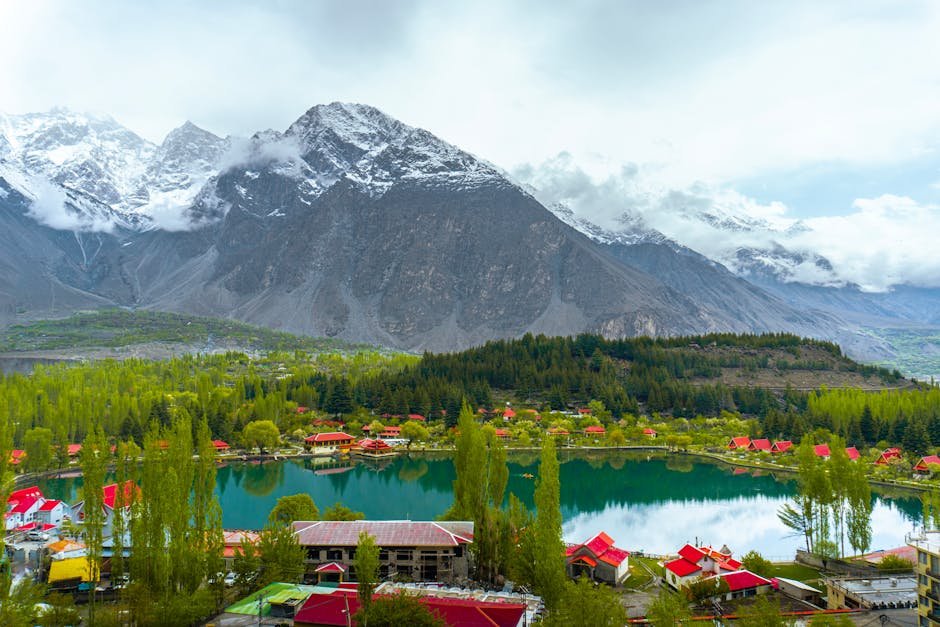
Skardu is the gateway to many of Pakistan’s most famous treks and natural wonders. It sits at the confluence of the Indus and Shigar Rivers, surrounded by rugged mountains.
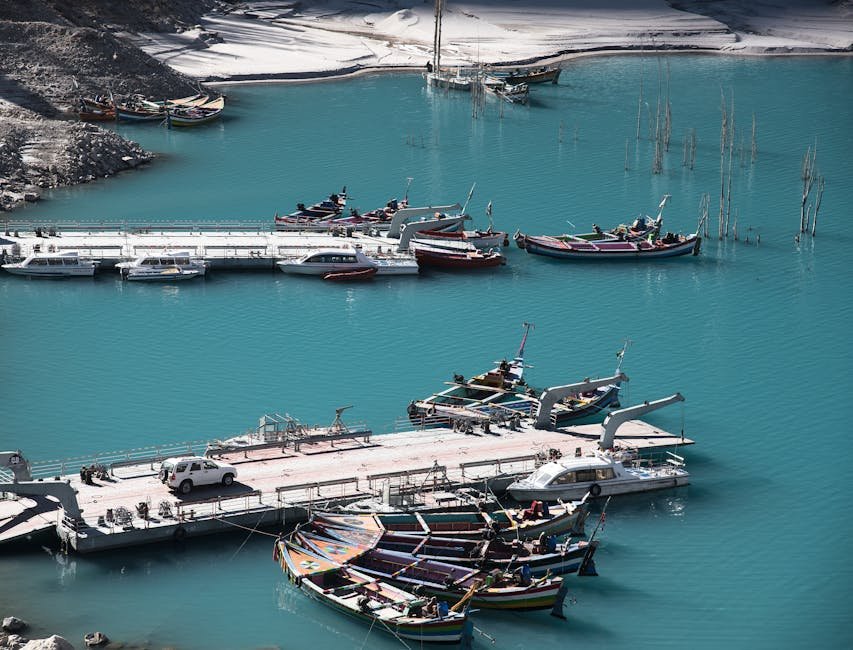
Visit Satpara Lake for boating and views of the Karakoram range. The nearby Shigar Valley offers lush greenery and traditional villages. For a spiritual experience, explore the centuries-old Kharpocho Fort.
Skardu is also the starting point for treks to K2 Base Camp and Concordia, the “Throne Room of the Mountain Gods.” These treks require proper permits and guides.
5. Rama Meadows and Rama Lake
Rama Meadows is a serene alpine pasture near Astore, accessible via a scenic drive from Gilgit. The area is known for its wildflowers, grazing yaks, and panoramic mountain views.
A short hike leads to Rama Lake, a glacial lake reflecting the surrounding peaks. The area is peaceful and less crowded than other northern destinations.
Ideal for families and casual hikers. Best visited from June to September. Bring layers—temperatures drop quickly at night.
Khyber Pakhtunkhwa: Culture and Mountains
This province blends natural beauty with rich cultural heritage. It’s home to ancient trade routes, historic forts, and scenic valleys.
6. Swat Valley
Once known as the “Switzerland of the East,” Swat Valley is a lush, green region with rivers, waterfalls, and forested hills. It has a deep Buddhist history, with ancient stupas and ruins scattered across the landscape.
Visit the White Palace (Saidu Sharif) and the Udegram Buddhist Stupa. The Malam Jabba ski resort offers winter sports and summer hiking. The valley is also known for its handicrafts and local cuisine.
Swat is accessible year-round, though winter brings snow. It’s a great alternative to more remote northern areas.
7. Kaghan Valley
Kaghan Valley is a popular summer destination in the Mansehra District. It’s famous for its pine forests, alpine lakes, and cool climate.
The journey to Kaghan passes through Balakot, Naran, and finally Shogran, a hilltop resort with panoramic views. Lake Saif-ul-Muluk, at 3,224 meters, is the valley’s crown jewel. Legends say its waters have magical properties.
Access is seasonal—roads close from November to April. Book accommodations early during peak season (June–August).
8. Naran and Babusar Pass
Naran is the main town in Kaghan Valley and a hub for trekkers and nature lovers. It’s the starting point for hikes to Lake Lulusar and Ansoo Lake, shaped like a teardrop.
The Babusar Pass connects Kaghan to Chilas in Gilgit-Baltistan. At 4,173 meters, it’s one of the highest mountain passes in Pakistan. The drive offers breathtaking views but can be rough in parts.
Travelers should check road conditions before crossing. The pass is usually open from June to September.
Punjab and Sindh: History and Heritage
While the north draws adventure seekers, Pakistan’s plains offer deep cultural and historical experiences.
9. Lahore
Lahore, the cultural capital of Pakistan, is a city of Mughal grandeur, bustling markets, and flavorful food. It’s home to iconic landmarks like the Lahore Fort and Badshahi Mosque, both UNESCO World Heritage Sites.
Explore the Walled City through narrow alleys filled with spice shops, jewelry stores, and traditional eateries. Don’t miss the Food Street for authentic Punjabi dishes like nihari and samosas.
Lahore is accessible year-round, but spring (February–April) and autumn (October–November) offer the most pleasant weather.
10. Taxila
Taxila is one of South Asia’s most important archaeological sites. It was a major center of learning during the Gandhara civilization, attracting scholars from across the ancient world.
Visit the Taxila Museum, Dharmarajika Stupa, and Jaulian Monastery. The ruins showcase a blend of Greek, Persian, and Indian influences, reflecting the region’s role on the Silk Road.
Located just 30 km from Islamabad, Taxila makes an easy day trip. Best visited in cooler months.
11. Mohenjo-Daro
Mohenjo-Daro is one of the world’s earliest urban settlements, dating back to 2500 BCE. This Indus Valley Civilization site is older than the pyramids of Egypt.
Walk through the ancient streets, see the Great Bath, and learn about early urban planning. The site is fragile—visitors must follow strict guidelines to preserve the ruins.
Located in Sindh, near Larkana. Best visited from November to February. Bring sun protection and water.
Balochistan: Rugged Beauty and Remote Wonders
Balochistan is Pakistan’s largest but least developed province. It offers stark landscapes, ancient caves, and a glimpse into tribal life.
12. Quetta and Ziarat
Quetta, the provincial capital, sits in a valley surrounded by mountains. It’s known for its dry climate, fruit orchards, and strategic location near the Afghan border.
Just 30 km away, Ziarat is a hill station famous for the Juniper Forest, one of the oldest in the world. The Quaid-e-Azam Residency, where Muhammad Ali Jinnah spent his final days, is a key historical site.
Best visited in summer. Winters can be harsh, with snow and limited services.
13. Hingol National Park and Princess of Hope
Hingol National Park is Pakistan’s largest national park, located along the Makran Coast. It features mud volcanoes, desert landscapes, and rare wildlife.
The “Princess of Hope” is a natural rock formation resembling a woman’s silhouette. Nearby, the Sphinx of Balochistan adds to the park’s mystique.
Access requires a 4×4 vehicle and a full day’s drive from Karachi. Bring supplies and check security conditions before traveling.
Coastal Gems: Makran Coastal Highway
For a unique road trip, drive the Makran Coastal Highway from Karachi to Gwadar. This 650-km route follows the Arabian Sea through rugged cliffs, fishing villages, and remote beaches.
14. Ormara and Pasni
Ormara is a quiet fishing town with a historic British-era rest house. It’s a good stop for fresh seafood and a break from driving.
Pasni, further west, is known for its boat-building industry and dolphin-watching opportunities. The annual Pasni Fishing Festival celebrates local culture and maritime traditions.
Travel with a reliable vehicle and extra fuel. Services are limited along the route.
15. Gwadar
Gwadar is a port city with growing infrastructure and stunning coastal views. The Gwadar Port, developed with Chinese investment, is transforming the region.
Visit Astola Island, Pakistan’s largest offshore island, for snorkeling and camping. The island has no permanent residents but is rich in marine life.
Gwadar is accessible by road and air. Best visited from October to March. Check travel advisories due to regional developments.
Practical Tips for Traveling in Pakistan
Traveling in Pakistan requires preparation, but it’s safe and rewarding with the right approach. Here are key tips to ensure a smooth trip.
Visa and Documentation
Most tourists need a visa to enter Pakistan. Apply online through the government’s e-visa system. Processing takes 3–5 business days.
Some nationalities can get visas on arrival at major airports. Check requirements based on your passport. Carry printed copies of your visa, hotel bookings, and return ticket.
Transportation
Domestic flights connect major cities like Islamabad, Lahore, and Karachi. For northern areas, fly to Islamabad and take a bus or hire a car.
Road conditions vary. Highways are generally good, but mountain roads can be narrow and winding. Use reputable transport services. Avoid night driving in remote areas.
Safety and Security
Pakistan has improved its security situation significantly in recent years. Most tourist areas are safe, but check government travel advisories before departure.
Avoid border regions near Afghanistan and Iran. Register with your embassy if staying long-term. Dress modestly and respect local customs.
Accommodation
Options range from luxury hotels in cities to basic guesthouses in remote areas. Book in advance during peak seasons. Homestays in northern villages offer authentic experiences.
Wi-Fi may be limited in rural areas. Download offline maps and translation apps.
Food and Water
Try local dishes like biryani, chapli kebab, and saffron tea. Street food is popular but choose busy stalls with high turnover.
Drink bottled or filtered water. Avoid ice in drinks outside major hotels. Carry hand sanitizer and wet wipes.
When to Visit Pakistan
The best time to visit depends on your destination. Northern areas are ideal from May to September. Southern and coastal regions are best from October to March.
Avoid summer in the plains—temperatures can exceed 45°C (113°F). Winter in the north brings snow and road closures.
Plan around major festivals like Eid and Independence Day (August 14). These times offer cultural experiences but may affect transport and availability.
Final Thoughts
Pakistan offers a diverse range of travel experiences, from high-altitude treks to ancient ruins and coastal drives. The best travel destinations in Pakistan for tourists combine natural beauty, cultural depth, and adventure.
With proper planning and respect for local customs, visitors can enjoy a safe and enriching journey. Whether you’re exploring the peaks of Gilgit-Baltistan or the streets of Lahore, Pakistan promises memories that last a lifetime.
FAQ
Is Pakistan safe for tourists?
Yes, many parts of Pakistan are safe for tourists, especially popular destinations like Hunza, Skardu, and Lahore. However, check travel advisories and avoid border regions. Stick to well-known routes and use trusted guides.
Do I need a visa to visit Pakistan?
Most tourists require a visa. Apply online via Pakistan’s e-visa portal. Citizens of some countries can get visas on arrival at major airports. Always confirm requirements before travel.
What is the best way to travel within Pakistan?
Domestic flights are fastest for long distances. For scenic routes, use private cars or buses. In remote areas, hire local drivers familiar with mountain roads. Avoid night travel in isolated regions.