

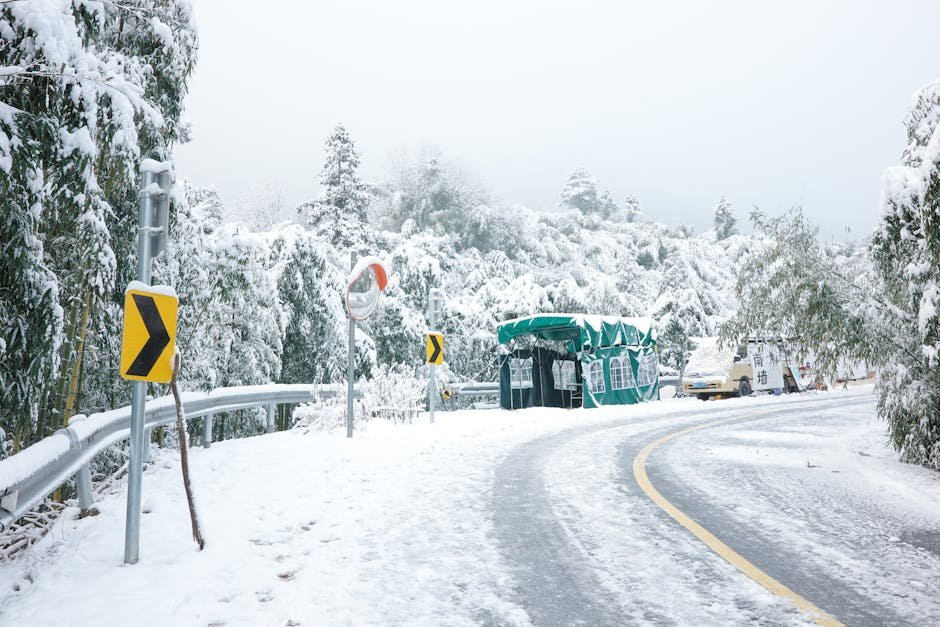
Best Places to Travel in Winter for Snow Experience
Best Places to Travel in Winter for Snow Experience
If you’re dreaming of crisp air, powdery slopes, and snow-covered landscapes, winter travel offers some of the most magical destinations on Earth. Exploring winter snow travel destinations reveals important insights. From alpine villages nestled in the Swiss Alps to the frozen forests of Scandinavia, the best places to travel in winter for snow experience combine natural beauty with outdoor adventure and cozy charm. Whether you’re skiing down world-class runs, dog sledding across tundras, or simply sipping hot cocoa by a roaring fire, these destinations deliver unforgettable snow experiences.
Why Winter Travel for Snow Lovers Is Worth It
Winter transforms familiar landscapes into serene, glittering wonderlands. Snow amplifies the beauty of mountains, forests, and lakes, creating ideal conditions for both adrenaline-fueled activities and quiet reflection. Traveling during colder months often means fewer crowds and lower prices compared to peak summer seasons.
Beyond aesthetics, snow-based destinations offer unique cultural traditions—think Japanese onsens surrounded by snow, or Finnish saunas after a day of cross-country skiing. These experiences go beyond sightseeing; they immerse you in local life shaped by winter’s rhythm.
Top Destinations for a Magical Winter Snow Experience
Choosing the right destination depends on your interests: skiing, snowboarding, snowshoeing, photography, or simply enjoying the atmosphere. Below are standout locations known for reliable snowfall, excellent infrastructure, and authentic winter charm.
1. Zermatt, Switzerland – Alpine Elegance at the Foot of the Matterhorn
Zermatt is a car-free village in the Swiss Alps that feels like it’s stepped out of a postcard. With over 360 kilometers of ski runs and guaranteed snow from November to April, it’s a top choice for serious skiers and snowboarders. The iconic Matterhorn peak dominates the skyline, offering breathtaking views even from the village center.
Beyond skiing, Zermatt offers winter hiking trails, snowshoeing routes, and horse-drawn sleigh rides. The Gornergrat Railway provides panoramic views without requiring a ski lift pass. For a cultural touch, visit the Matterhorn Museum to learn about early alpine explorers.
2. Niseko, Japan – Powder Paradise with a Cultural Twist
Niseko, located on Japan’s northern island of Hokkaido, is world-renowned for its light, deep powder snow—some of the best in the world. The resort town sees consistent snowfall from December through March, often exceeding 15 feet annually.
What sets Niseko apart is the blend of high-quality snow and Japanese hospitality. After a day on the slopes, unwind in a traditional onsen (hot spring), many of which are open-air and surrounded by snow. Local ramen shops and izakayas offer warming meals that perfectly cap off a cold day.
Beginners are well catered to, with English-speaking instructors and gentle slopes. Advanced skiers can explore backcountry terrain with certified guides.
3. Banff and Lake Louise, Canada – Majestic Rockies in Winter
Banff National Park in Alberta transforms into a winter wonderland from December to March. Lake Louise, with its turquoise waters partially frozen under a thick layer of snow, is one of the most photographed spots in Canada.
The area offers world-class skiing at Sunshine Village, Lake Louise Ski Resort, and Mount Norquay. Cross-country skiing and snowshoeing trails wind through pine forests and along frozen lakes. Ice skating on the lake itself is a bucket-list experience.
For non-skiers, the town of Banff offers cozy cafes, art galleries, and hot springs. The Banff Upper Hot Springs remain open year-round and are especially inviting in winter.
4. Rovaniemi, Finland – Arctic Magic and the Home of Santa
Rovaniemi, the capital of Finnish Lapland, sits right on the Arctic Circle. From late November to early April, the region is blanketed in snow, offering a true Arctic experience. It’s one of the best places to see the Northern Lights, especially on clear, cold nights.
Adventure seekers can try dog sledding, reindeer sleigh rides, or snowmobiling through silent forests. The Arctic SnowHotel, rebuilt each winter, features rooms carved entirely from ice and snow.
Families love visiting Santa Park, an underground grotto where kids can meet Santa year-round. The local cuisine includes reindeer stew and cloudberry desserts—perfect for warming up after outdoor activities.
5. Aspen, Colorado, USA – Luxury and Legacy in the Rockies
Aspen is synonymous with upscale winter travel. Four ski mountains—Aspen Mountain, Snowmass, Aspen Highlands, and Buttermilk—offer terrain for all skill levels. The town itself blends old-world charm with modern luxury, featuring fine dining, art galleries, and boutique shopping.
Snowmass is ideal for families, with dedicated learning areas and a vibrant village. Aspen Highlands is known for its steep chutes and expert terrain. The annual Wintersköl festival celebrates the season with live music, fireworks, and torchlight parades.
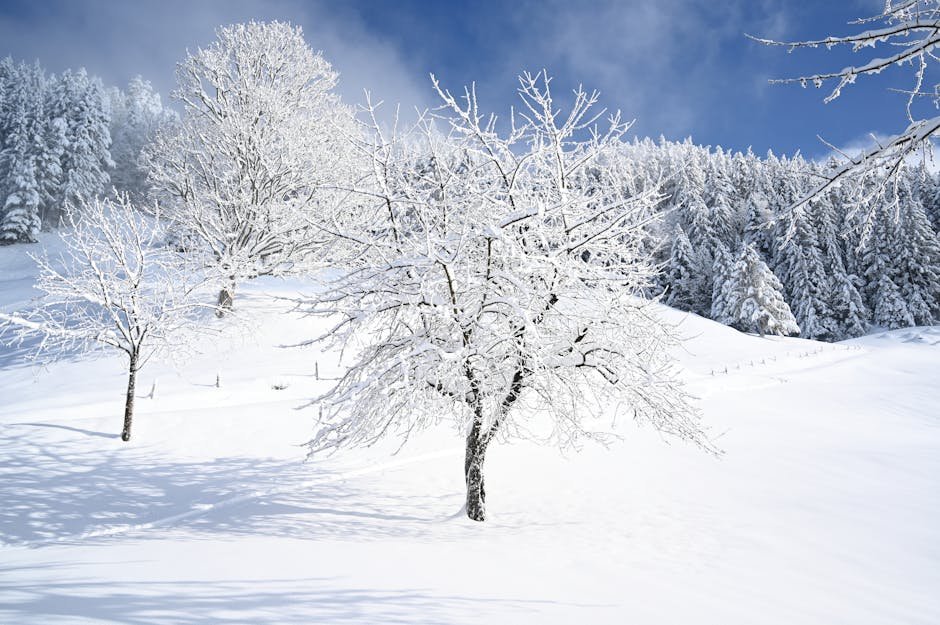
Beyond skiing, try ice climbing, fat biking, or a scenic gondola ride to the top of Aspen Mountain for panoramic views.
6. Kirkenes, Norway – Remote Arctic Adventure
Located just 250 miles from the North Pole, Kirkenes offers a raw, untouched Arctic experience. Winter here means polar night—sunrise and sunset blend into a prolonged twilight—and temperatures can drop to -20°F.
Activities include snowmobiling to the Russian border, ice fishing on frozen fjords, and staying in a snow hotel. The nearby Barents Snow Hotel features ice sculptures and reindeer hides for warmth.
Kirkenes is also a prime spot for aurora viewing. Local guides offer Northern Lights tours with thermal suits and hot drinks included. The remote setting ensures minimal light pollution.
7. Gulmarg, India – Hidden Gem in the Himalayas
Gulmarg, in the Indian-administered region of Jammu and Kashmir, is one of Asia’s best-kept winter secrets. The ski resort boasts one of the highest gondolas in the world, reaching over 11,500 feet.
Snowfall is reliable from December to March, and the slopes cater to intermediate and advanced skiers. The surrounding pine and cedar forests add to the scenic beauty. For a cultural experience, visit nearby Buddhist monasteries or try local Kashmiri cuisine like Rogan Josh.
Infrastructure has improved in recent years, with new lifts and guesthouses. However, visitors should check travel advisories and plan accordingly due to regional sensitivities.
8. Chamonix, France – The Birthplace of Extreme Skiing
Chamonix-Mont-Blanc is a mecca for advanced skiers and mountaineers. Nestled at the foot of Mont Blanc, Europe’s highest peak, the town has a rugged, adventurous spirit. The Vallée Blanche off-piste run is legendary, offering 20 kilometers of glacial skiing.
The Aiguille du Midi cable car takes visitors to 3,842 meters, where snow-covered peaks stretch to Italy and Switzerland. Even non-skiers can enjoy the views and visit the Mer de Glace glacier via a historic train.
Chamonix’s après-ski scene is lively, with cozy bars and mountain restaurants serving fondue and raclette. The town also hosts the annual Ultra-Trail du Mont-Blanc, a trail running event that draws global athletes.
9. Sapporo, Japan – Snow Festival and Urban Winter Fun
Sapporo, the capital of Hokkaido, is famous for its annual Snow Festival in February, where massive ice sculptures and snow statues fill Odori Park. The event attracts millions of visitors and features international artists.
The city offers urban winter activities like ice skating, snow slides, and indoor hot springs. Nearby ski resorts such as Teine and Kiroro provide excellent slopes just a short drive away.
Sapporo’s food scene shines in winter, with miso ramen and fresh seafood from the nearby coast. The city’s efficient public transport makes it easy to explore without a car.
10. Yellowknife, Canada – Northern Lights and Ice Roads
Yellowknife, in Canada’s Northwest Territories, is one of the best places on Earth to see the Northern Lights. From December to March, the skies come alive with vibrant greens and purples, especially on clear nights.
Winter activities include snowmobiling across frozen Great Slave Lake, ice fishing, and visiting Indigenous cultural centers. Exploring winter snow travel destinations reveals important insights. The Great Slave Lake Ice Road is a seasonal route used by locals and tourists alike.
Accommodations range from cozy cabins to aurora-viewing lodges with glass ceilings. Pack warm layers—temperatures often drop below -30°F.
How to Choose the Right Winter Snow Destination
With so many excellent options, selecting the best place depends on your priorities. Consider factors like skill level, budget, travel time, and desired activities.
Skiing and Snowboarding Skill Level
Beginners should look for resorts with dedicated learning areas, gentle slopes, and certified instructors. Niseko, Banff, and Snowmass are excellent choices. Advanced skiers may prefer Chamonix, Aspen Highlands, or Gulmarg for challenging terrain.
Check trail maps and difficulty ratings before booking. Some resorts offer free beginner lessons or package deals that include gear rental and lift tickets.
Budget Considerations
Winter travel can be expensive, but costs vary widely. Japan and India offer more affordable options, while Switzerland and the USA tend to be pricier. Look for early-bird lift passes, midweek stays, and accommodations outside peak holiday periods.
All-inclusive ski packages can save money on meals, gear, and lessons. Some European resorts offer “skipass + hotel” deals that include breakfast and dinner.
Travel Time and Accessibility
Consider flight duration and local transport. European destinations like Zermatt and Chamonix are accessible via major airports with train connections. Remote locations like Kirkenes or Yellowknife require connecting flights and may involve longer travel days.
If you have limited time, choose a destination with direct flights and minimal jet lag. For example, Aspen is reachable from many US cities in under four hours.
Non-Skiing Activities
Not everyone wants to ski. If your group includes non-skiers, pick a destination with diverse winter activities. Rovaniemi offers dog sledding and Northern Lights tours. Banff has hot springs and scenic drives. Sapporo combines urban culture with snow festivals.
Look for resorts with spas, museums, shopping, and dining options. A balanced itinerary ensures everyone enjoys the trip.
Essential Tips for a Safe and Enjoyable Winter Trip
Winter travel requires preparation. Cold weather, snow, and ice can pose challenges, but with the right planning, your trip will be smooth and safe.
Pack Smart for Cold Weather
Layering is key. Start with a moisture-wicking base layer, add an insulating mid-layer like fleece or down, and finish with a waterproof outer shell. Don’t forget thermal socks, gloves, a hat, and goggles.
Invest in quality winter boots with good grip. Brands like Sorel, Columbia, and Salomon offer reliable options. Pack hand and foot warmers for extra comfort during long outdoor activities.
Check Weather and Road Conditions
Winter storms can cause flight delays, road closures, and avalanche risks. Monitor local weather forecasts and sign up for alerts from your accommodation or tourism board.
If driving, ensure your vehicle is equipped with snow tires or chains. In mountainous areas, check avalanche reports before heading into backcountry zones.
Book Accommodations and Activities Early
Popular winter destinations fill up quickly, especially around holidays like Christmas, New Year’s, and school breaks. Book flights, hotels, and ski passes at least 2–3 months in advance.
Some activities, like Northern Lights tours or dog sledding, have limited daily capacity. Reserve these experiences as soon as your itinerary is set.
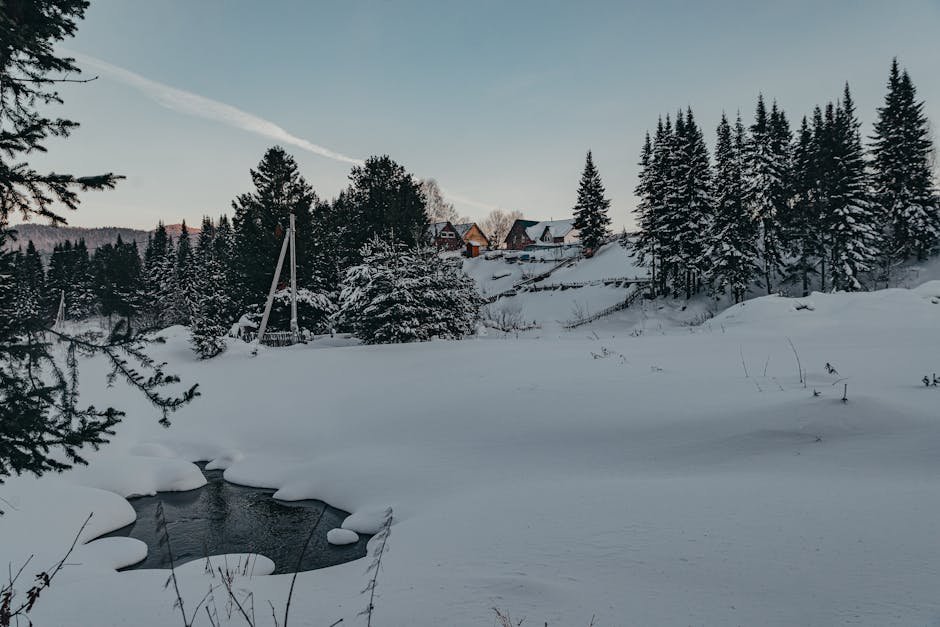
Stay Hydrated and Protect Your Skin
Cold, dry air and high altitude can dehydrate you quickly. Drink plenty of water, even if you don’t feel thirsty. Avoid excessive alcohol, which can increase the risk of hypothermia.
Use sunscreen and lip balm with SPF. Snow reflects up to 80% of UV rays, increasing the risk of sunburn. Wear sunglasses or goggles to protect your eyes from glare.
What to Avoid When Planning a Winter Snow Trip
Avoid common pitfalls that can ruin an otherwise perfect trip. Being aware of these issues helps you make smarter decisions.
Overpacking Your Itinerary
It’s tempting to pack in as many activities as possible, but winter days are shorter and weather can be unpredictable. Allow flexibility in your schedule for rest, delays, or spontaneous discoveries.
Build in buffer time between activities, especially if traveling with children or older adults. A relaxed pace enhances enjoyment and reduces stress.
Ignoring Altitude Sickness
High-altitude destinations like Aspen, Chamonix, and Gulmarg can cause altitude sickness. Symptoms include headache, nausea, and dizziness. Acclimatize slowly, stay hydrated, and avoid alcohol for the first 24–48 hours.
If symptoms worsen, descend to a lower elevation and seek medical help. Most resorts have on-site clinics or nearby hospitals.
Underestimating Travel Insurance
Winter travel carries higher risks of delays, cancellations, and injuries. Comprehensive travel insurance should cover trip interruption, medical emergencies, and gear loss.
Read the fine print: some policies exclude winter sports or require additional coverage for activities like skiing or snowmobiling. Purchase insurance soon after booking to ensure full protection.
Final Thoughts: Embrace the Magic of Winter Travel
The best places to travel in winter for snow experience offer more than just beautiful scenery—they provide a chance to disconnect, recharge, and connect with nature and culture in profound ways. Whether you’re carving turns down a pristine slope or sipping tea in a snow-covered cabin, winter travel creates lasting memories.
Choose a destination that matches your interests and travel style. Prepare well, stay safe, and remain open to the unexpected joys that only winter can bring.
FAQ
What is the best time to visit snow destinations in winter?
The peak snow season typically runs from December to March, depending on the location. January and February often offer the most reliable snowfall and ideal conditions for skiing and snow activities.
Do I need to be an experienced skier to enjoy a winter snow trip?
No. Many destinations offer activities for all skill levels, including snowshoeing, sledding, ice skating, and cultural experiences. Resorts like Banff and Niseko have excellent beginner programs and non-skiing attractions.
How can I stay warm during outdoor winter activities?
Dress in layers, wear insulated and waterproof clothing, and protect extremities with gloves, hats, and warm boots. Take regular breaks indoors, stay hydrated, and use hand and foot warmers for extra comfort.