

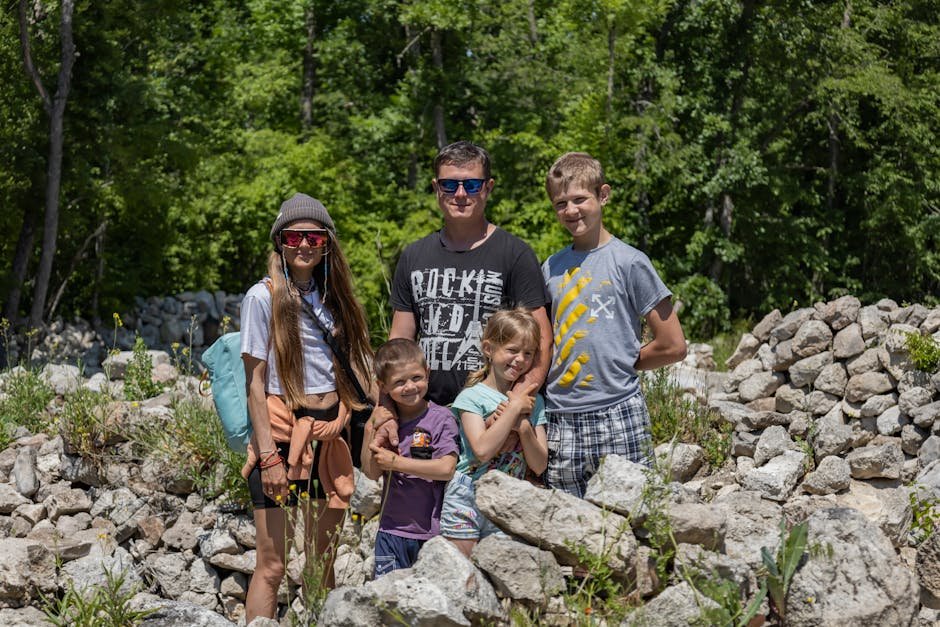
Best Outdoor Activities for Family Adventure Trips
Best Outdoor Activities for Family Adventure Trips
Planning a family adventure trip? The best outdoor activities combine fun, learning, and quality time in nature. Whether you’re exploring national parks, hiking mountain trails, or paddling down a calm river, outdoor adventures strengthen family bonds and create lasting memories. This guide highlights proven, practical activities suitable for all ages and skill levels—so you can choose the perfect adventure without guesswork.
Why Choose Outdoor Adventures for Families
Outdoor family trips offer more than just fresh air. They encourage physical activity, reduce screen time, and foster teamwork. Research shows children who spend regular time in nature exhibit improved focus and emotional regulation.
Parents benefit too. Shared experiences in natural settings reduce stress and increase family cohesion. Unlike structured vacations, outdoor adventures allow flexibility—whether you’re camping under the stars or exploring a local trail.
These trips also teach resilience. Navigating a trail, setting up a tent, or cooking over a fire builds confidence in both kids and adults. The result? A deeper connection to each other and the environment.
Top Family-Friendly Outdoor Activities
Not all adventures require weeks of planning or expensive gear. Many of the best experiences come from simple, accessible activities. Here are proven options that work across seasons and locations.
1. Day Hiking
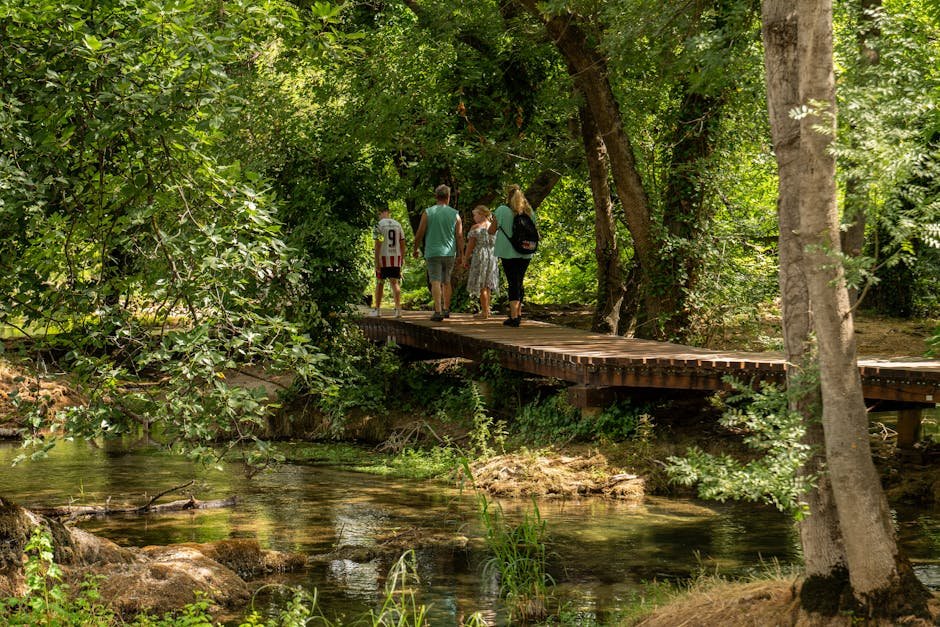
Hiking is one of the most accessible outdoor activities for families. Trails range from flat, paved paths to moderate mountain routes. Choose a trail under 3 miles for younger children, and bring plenty of water and snacks.
Look for trails with rest stops, scenic viewpoints, or interpretive signs. These features keep kids engaged and provide natural learning moments. Always check trail conditions and weather before heading out.
Pack a small first-aid kit, sun protection, and a map—even on marked trails. Tell someone your route and expected return time for safety.
2. Camping in National or State Parks
Camping immerses families in nature while providing structure. Most parks offer family-friendly campsites with restrooms, fire rings, and picnic tables. Reserve early—popular spots fill up months in advance.
Start with car camping if you’re new to the experience. Bring a reliable tent, sleeping bags rated for the season, and a portable stove. Teach kids basic campsite rules: store food properly, leave no trace, and respect wildlife.
Even one night under the stars can be transformative. Roast marshmallows, tell stories, and stargaze—simple moments that become core memories.
3. Canoeing and Kayaking
Paddling is peaceful and low-impact, ideal for families with mixed ages. Flatwater lakes and slow-moving rivers are safest for beginners. Many parks offer guided family tours or equipment rentals.
Choose tandem kayaks or canoes so adults can assist younger paddlers. Always wear life jackets—even strong swimmers. Bring dry bags for phones and snacks.
Look for waterways with birdwatching or fishing opportunities. These add educational value and keep kids interested during calm stretches.
4. Geocaching
Geocaching turns the outdoors into a real-world treasure hunt. Using a GPS or smartphone app, families search for hidden containers using coordinates. It’s free, fun, and available in most regions.
Start with easy caches in parks or urban trails. Bring small trinkets to trade—kids love the exchange. Avoid private property and always re-hide caches properly.
This activity teaches navigation skills and encourages exploration beyond marked trails. It’s especially engaging for tech-savvy kids who enjoy digital interaction.
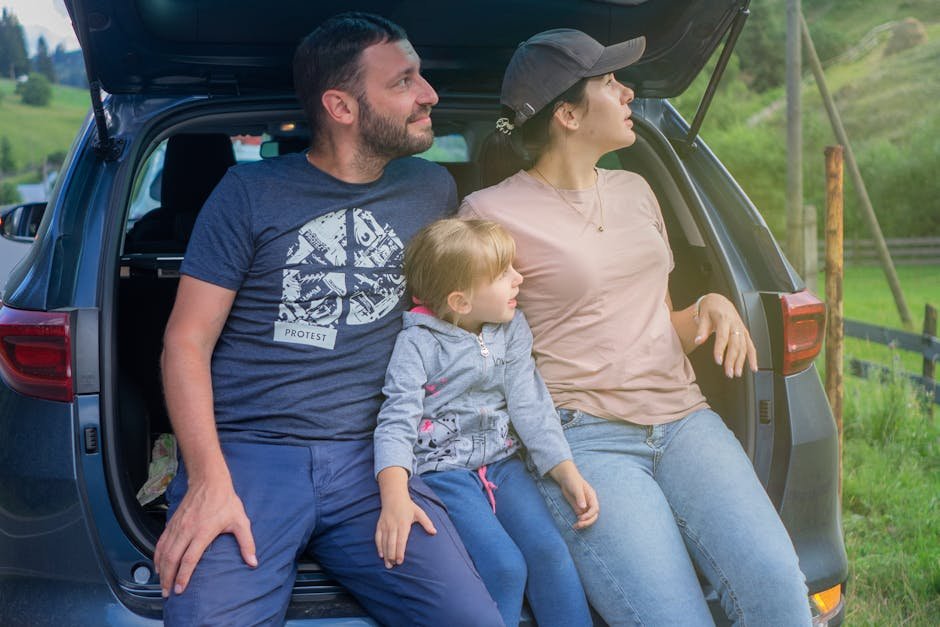
5. Backyard or Local Park Exploration
You don’t need to travel far for adventure. Turn your backyard or neighborhood park into an exploration zone. Create a scavenger hunt for insects, leaves, or rocks.
Set up a mini obstacle course or nature journaling station. Use binoculars to watch birds or identify cloud types. These low-cost activities build observation skills and curiosity.
For urban families, city parks often have nature centers, trails, or ranger-led programs. Check local event calendars for free family activities.
Choosing the Right Activity for Your Family
Every family is different. Consider age, fitness level, and interests when planning. A toddler may enjoy a short nature walk, while teens might prefer rock climbing or mountain biking.
Start small. A half-day hike is better than an ambitious overnight trip that ends in frustration. Build confidence with manageable goals and gradually increase difficulty.
Include kids in planning. Let them help choose the destination or pack supplies. Ownership increases excitement and cooperation.
Assessing Skill Levels and Safety
Match activities to your family’s abilities. Don’t attempt a strenuous backpacking trip if no one has camping experience. Instead, try a guided tour or family-friendly campground with ranger programs.
Check equipment before leaving. Test tents, inflate sleeping pads, and ensure stoves work. Practice setting up gear at home to avoid confusion at the campsite.
Always have a plan for emergencies. Know the nearest hospital, carry a charged phone, and pack a whistle and flashlight. Teach kids basic safety rules: stay on the trail, don’t touch wildlife, and tell an adult if lost.
Seasonal Considerations
Summer offers long days and warm weather—ideal for swimming, hiking, and camping. But heat can be dangerous. Start early, seek shade, and drink water frequently.
Spring and fall provide mild temperatures and fewer crowds. These seasons are perfect for birdwatching, leaf peeping, or fishing. Be prepared for sudden weather changes.
Winter opens opportunities for snowshoeing, sledding, or ice fishing—depending on location. Dress in layers and limit time outdoors in extreme cold. Always check ice thickness before walking on frozen lakes.
Essential Gear for Family Adventures
Good gear makes outdoor trips safer and more enjoyable. You don’t need the latest equipment—just reliable, appropriate items for your activity.
Clothing and Footwear
Wear moisture-wicking fabrics, not cotton. Cotton retains sweat and can lead to chills. Layer clothing so you can adjust to temperature changes.
Invest in sturdy, broken-in hiking boots or trail shoes. Blisters can ruin a trip. For water activities, water shoes protect feet from rocks and sharp objects.
Always bring rain gear, even if the forecast looks clear. Weather in nature can change quickly.
Navigation and Safety Tools
Carry a physical map and compass, even if you use GPS. Batteries die, and signals drop. Learn basic navigation skills before relying on technology.
Pack a headlamp or flashlight with extra batteries. A whistle can signal for help if someone gets lost. A compact first-aid kit should include bandages, antiseptic, tweezers, and any personal medications.
For longer trips, consider a personal locator beacon (PLB) or satellite messenger. These devices send emergency signals when cell service isn’t available.
Food and Hydration
Bring more water than you think you’ll need. Dehydration happens quickly, especially in children. Use reusable bottles and refill at safe sources when possible.
Pack high-energy snacks: nuts, granola bars, dried fruit, and jerky. For meals, choose lightweight, non-perishable options like dehydrated backpacking meals or sandwiches.
Cook safely. Use a camp stove instead of open fires where prohibited. Store food in bear-proof containers or hang it from a tree in bear country.
Planning Your First Family Adventure Trip
Start with a clear goal: relaxation, education, or physical challenge. Then match the activity and destination to that goal. A beach day focuses on play, while a mountain hike emphasizes endurance.
Research destinations thoroughly. Read recent reviews, check park websites, and look for family-specific tips. Some parks offer junior ranger programs that engage kids with badges and activities.
Create a checklist. Include permits, reservations, gear, food, and emergency contacts. Share the list with all family members so everyone knows what to bring.
Booking and Permits
Many popular parks require advance reservations for campsites and entry. Book as early as possible—some sites open reservations 6 months ahead.
Check for required permits, especially for backcountry hiking or fishing. Fees support conservation and trail maintenance. Some areas offer free entry days—plan around these to save money.
Consider off-peak times. Weekdays and shoulder seasons often have fewer crowds and lower prices. You’ll enjoy more solitude and better wildlife sightings.
Packing Smart
Use a checklist to avoid forgetting essentials. Group items by category: cooking, sleeping, clothing, safety. Pack heavier items close to your back in a backpack for better balance.
Label kids’ gear with their names. This prevents mix-ups and helps if items get lost. Use color-coded bags so each child can identify their belongings.
Limit non-essentials. Every ounce counts on the trail. Leave behind toys, extra shoes, and gadgets that won’t be used.
Making the Most of Your Time Outdoors
Adventure isn’t just about the destination—it’s about the experience. Focus on connection, not perfection. A muddy hike or a failed campfire can become a funny story later.
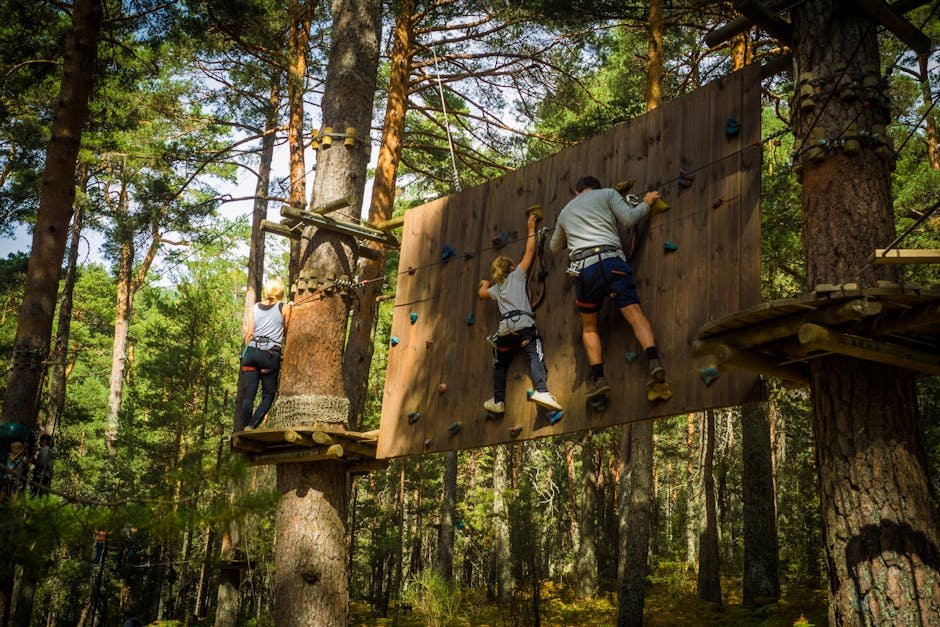
Encourage curiosity. Ask kids what they notice: colors, sounds, textures. Let them lead part of the hike or choose the next activity. This builds confidence and engagement.
Take breaks. Sit quietly and observe nature. Listen to birds, feel the wind, or watch clouds. These moments deepen appreciation and reduce stress.
Teaching Leave No Trace Principles
Respect for nature ensures these places remain beautiful for future families. Follow the seven Leave No Trace principles: plan ahead, travel on durable surfaces, dispose of waste properly, leave what you find, minimize campfire impact, respect wildlife, and be considerate of others.
Teach kids to pack out all trash—including food scraps. Use biodegradable soap and wash dishes 200 feet from water sources. Never feed animals; it harms their health and changes natural behaviors.
Model good behavior. Kids learn by watching adults. Show patience, kindness, and environmental stewardship throughout the trip.
Documenting the Experience
Capture memories without overdoing it. Take photos, but also put the camera away. Let kids draw in a nature journal or collect leaves (where allowed).
Create a trip scrapbook afterward. Include maps, tickets, and notes. This reinforces learning and gives kids a sense of accomplishment.
Share stories with family and friends. Talking about the adventure strengthens bonds and inspires future trips.
Overcoming Common Challenges
Not every trip goes as planned. Weather changes, gear fails, or kids get tired. The key is flexibility and a positive attitude.
If someone gets bored, switch activities. Turn a hike into a photo scavenger hunt or a nature bingo game. Bring a small book of riddles or jokes for downtime.
For meltdowns, stay calm. Offer water, a snack, or a short rest. Sometimes a change of scenery—like sitting by a stream—is all that’s needed.
Remember: the goal isn’t perfection. It’s shared time in nature. Even a shortened hike or a rainy campout can be meaningful.
FAQs
What’s the best outdoor activity for families with young children?
Day hiking on easy, well-marked trails is ideal for young kids. Choose routes under 2 miles with rest areas and interesting features like streams or wildlife. Bring a child carrier for toddlers who tire easily.
Do I need special gear for a family camping trip?
Basic gear includes a tent, sleeping bags, a stove, and cooking utensils. You don’t need expensive equipment—rent or borrow to start. Focus on reliability and comfort, especially for sleeping and food prep.
How can I keep kids engaged during long hikes?
Turn the hike into a game: count animals, spot colors, or collect natural items (without damaging the environment). Bring a magnifying glass or binoculars. Take frequent breaks and let kids lead part of the way.