

Best Hiking Trails for Beginners
Easy Hiking Routes to Get Started
If you’re new to hiking, choosing the right trail can make all the difference. The best hiking trails for beginners offer manageable distances, gentle elevation changes, clear signage, and scenic rewards without demanding advanced skills or gear. These easy routes are designed to build confidence, improve fitness, and foster a lasting connection with nature—without overwhelming first-timers. Whether you’re exploring local parks or national forests, starting on a beginner-friendly path ensures a safe and enjoyable experience.
This guide highlights accessible trails across diverse landscapes, from coastal walks to forested loops. Each recommendation includes practical details like distance, elevation gain, estimated time, and what to expect along the way. With the right preparation and route selection, anyone can enjoy the physical and mental benefits of hiking.
Why Start with Easy Hiking Trails?
Beginning with easy hiking trails reduces the risk of injury, fatigue, or discouragement. Novices often underestimate terrain difficulty or overestimate their stamina. Starting simple allows you to learn how your body responds to walking on uneven ground, carrying a daypack, or navigating basic trail markers.
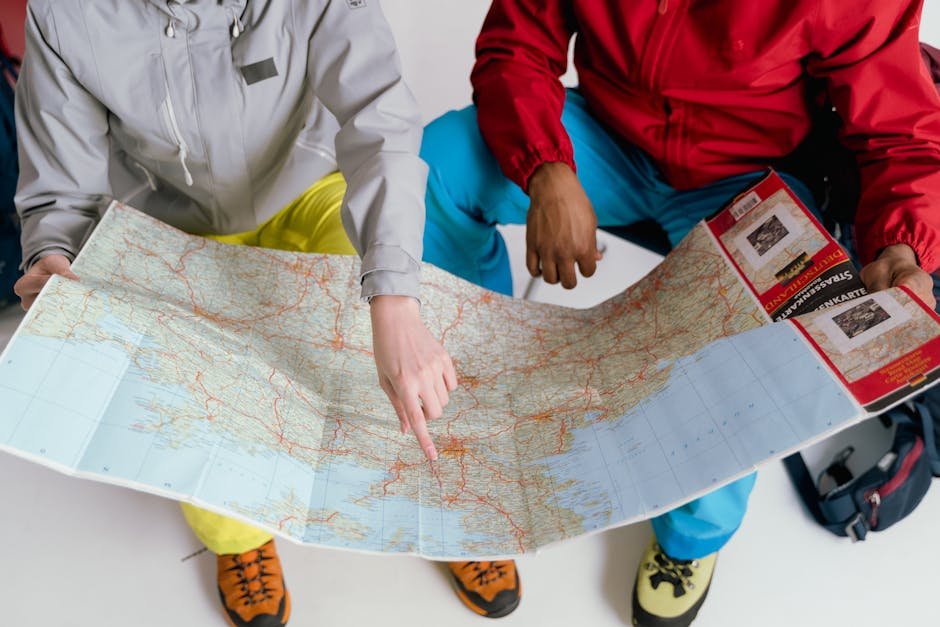
Easy routes also help you develop essential skills like reading a map, recognizing trail signs, and managing your pace. They’re ideal for testing gear—such as hiking shoes, hydration systems, and weather-appropriate clothing—before tackling more challenging terrain. Plus, shorter, flatter trails leave room for spontaneity: pause to watch wildlife, take photos, or simply enjoy the quiet.
Key Traits of Beginner-Friendly Trails
Look for trails under 5 miles round-trip with less than 500 feet of elevation gain. Well-maintained paths with minimal rock scrambling or stream crossings are ideal. Paved or gravel surfaces are even better for those with balance concerns or mobility considerations.
Clear signage, frequent rest spots, and proximity to parking or emergency services add peace of mind. Trails in state parks or national forests often have ranger stations, restrooms, and informational kiosks—features that support a stress-free outing. Avoid routes labeled “strenuous” or requiring scrambling, ropes, or off-trail navigation.
Top 10 Easy Hiking Trails for Beginners
Below are ten accessible trails across the U.S., each selected for safety, scenery, and beginner suitability. Distances range from 1 to 4 miles, with minimal elevation change and reliable trail conditions.
1. Bear Lake Trail – Rocky Mountain National Park, Colorado
This 0.8-mile loop circles Bear Lake at 9,450 feet elevation. The flat, well-maintained path is wheelchair-accessible in sections and offers stunning alpine views. Wildflowers bloom in summer, and the lake reflects the surrounding peaks—making it a favorite for photographers.
Start early to avoid crowds, as parking fills quickly. The trail connects to longer routes if you want to extend your hike later. Bring layers; mountain weather changes fast.
2. Jenny Lake Loop – Grand Teton National Park, Wyoming
The southern portion of the Jenny Lake Loop is a 2.5-mile, relatively flat trail along the shoreline. It’s paved in parts and passes cascades, pine groves, and views of the Teton Range. Shuttles run from the visitor center to reduce parking stress.
Swim or rent a kayak at the lake after your walk. Avoid weekends if possible—this is one of the park’s most popular trails.
3. Laurel Falls Trail – Great Smoky Mountains National Park, Tennessee/North Carolina
This 2.6-mile round-trip leads to an 80-foot waterfall. The trail is paved and wide, making it suitable for strollers and wheelchairs. Interpretive signs explain local flora and geology.
Expect crowds, especially in spring when rhododendrons bloom. Arrive before 9 a.m. for easier parking and a quieter experience.
4. Muir Woods Main Trail Loop – California
Just north of San Francisco, this 2-mile loop winds through ancient redwoods. The path is flat, well-marked, and shaded—ideal for hot days. The peaceful atmosphere makes it a great mental reset.
Reservations are required for parking. Visit on weekdays for fewer visitors. Stay on marked trails to protect the delicate forest floor.
5. Cuyahoga Valley Towpath Trail – Ohio
Follow the historic Ohio & Erie Canal on this flat, crushed-limestone path. The 2-mile stretch from Boston Mill to Peninsula is perfect for beginners. You’ll pass locks, bridges, and occasional canal boats.
Bike rentals are available nearby. Combine your hike with a ride on the scenic railroad that parallels the trail.
6. Gulf Islands National Seashore – Florida/Mississippi
The Fort Pickens Area offers a 3-mile round-trip beach walk along white sand and calm Gulf waters. No elevation change, soft terrain, and ocean breezes make this a relaxing coastal hike.
Watch for tidal changes and jellyfish. Bring sun protection—shade is limited. Great for families with children.
7. Minnehaha Falls Lower Loop – Minneapolis, Minnesota
This 1.5-mile loop descends to the base of a 53-foot waterfall. Stairs and boardwalks provide safe access, and the trail connects to the larger Grand Rounds park system.
Accessible year-round; in winter, the frozen falls create a magical scene. Restrooms and cafes are nearby in Minnehaha Park.
8. Devil’s Lake Shoreline Trail – Wisconsin
A 4.8-mile loop around a glacial lake with moderate crowds and excellent views. The trail is mostly flat with short, optional rock scrambles for those who want a bit more challenge.
Swim, fish, or rent a paddleboat at the lake. Avoid holidays—parking is extremely limited. Leashed dogs are welcome.
9. Palisades Creek Trail – Grand Canyon National Park, Arizona
Though the Grand Canyon is known for steep trails, this 2.5-mile out-and-back along the South Rim is flat and paved. It offers panoramic canyon views without the descent into the inner gorge.
Shuttle buses stop near the trailhead. Bring water and a hat—shade is sparse. Ideal for sunrise or sunset hikes.
10. Highline Trail to Green Mountain – Boulder, Colorado
This 3.5-mile round-trip climbs gently through ponderosa pine forests to a summit with views of Boulder and the plains. The trail is well-graded and rarely crowded on weekdays.
Start early in summer to beat the heat. Dogs must be leashed. Bring a light jacket—temperatures drop at elevation.
Essential Tips for First-Time Hikers
Preparation turns a good hike into a great one. Even on easy trails, a few smart choices prevent common mishaps.
Check the Weather and Trail Conditions
Rain can turn dirt paths into mud and make rocks slippery. Check forecasts and park websites before you go. Some trails close after heavy rain or snow.
In summer, aim for early morning hikes to avoid afternoon thunderstorms, especially in mountainous areas. In winter, verify if trails are plowed or safe for hiking.
Wear Proper Footwear
Sturdy hiking shoes or trail runners provide ankle support and grip. Avoid sneakers with smooth soles—they slip on roots and wet rocks. Break in new shoes before your hike to prevent blisters.
Wool or synthetic socks wick moisture better than cotton. Bring an extra pair in case your feet get wet.
Pack the Essentials
Even on short hikes, carry the ten essentials: water, snacks, sun protection, a first-aid kit, headlamp, map, whistle, rain jacket, extra layers, and a phone. A small daypack keeps everything organized.
For easy trails, 1–2 liters of water and energy-rich snacks like nuts or granola bars are usually sufficient. Don’t forget ID and emergency contact info.
Know Your Limits
Turn back if you feel dizzy, overly fatigued, or lost. It’s better to shorten your hike than push through discomfort. Hiking is about enjoyment, not endurance.
Listen to your body. If your knees ache on descents or your breath feels short, take frequent breaks. Beginners often recover faster when they pace themselves.
Leave No Trace
Pack out all trash, stay on marked trails, and avoid picking plants or disturbing wildlife. Respect quiet hours in residential areas near trailheads.
Teach children and pets to follow these principles. Responsible hiking ensures trails remain beautiful and accessible for everyone.
Safety Considerations for Easy Trails
Even simple hikes carry risks. Being aware of common hazards helps prevent accidents.
Wildlife Encounters
On most beginner trails, wildlife sightings are peaceful—squirrels, birds, maybe a deer. However, know what animals live in the area. In bear country, carry bear spray and make noise while hiking.
Never feed animals. Store food in bear-proof containers if required. If you encounter a snake, give it space and back away slowly.
Getting Lost
Stay on marked paths. Download an offline map or use a GPS app like AllTrails before your hike. Tell someone your plans and expected return time.
If you do get lost, stop, stay calm, and use your whistle to signal for help. Three short blasts is the universal distress signal.
Weather Hazards
Sudden storms, heat exhaustion, and hypothermia can occur even on easy trails. Dress in layers and monitor how you feel. Seek shade or shelter if conditions worsen.
In desert areas, avoid hiking between 10 a.m. and 4 p.m. in summer. At high elevations, altitude sickness can affect anyone—descend if you feel nauseous or dizzy.
How to Choose the Right Trail for You
Not all easy trails are equal. Match the route to your fitness level, interests, and group needs.
Consider Your Group
Hiking with kids? Choose trails with rest areas, water features, or interpretive signs to keep them engaged. Trails under 2 miles are ideal for young children.
With seniors or those with mobility issues, prioritize paved paths, benches, and accessible restrooms. Avoid trails with stairs or loose gravel.
Match the Scenery to Your Mood
Want ocean views? Try coastal trails. Prefer forests? Look for wooded loops. Waterfalls, lakes, and meadows add visual interest and photo opportunities.
Season matters too. Spring brings wildflowers, fall offers colorful foliage, and winter provides quiet, snow-dusted landscapes.
Use Reliable Trail Resources
Websites like AllTrails, Hiking Project, and National Park Service pages offer up-to-date trail info, photos, and user reviews. Filter by difficulty, distance, and accessibility.
Read recent comments for warnings about mud, fallen trees, or crowded parking. Local hiking clubs or ranger stations can also provide personalized recommendations.
Building Confidence for Future Hikes
Easy trails are stepping stones. As you gain experience, gradually increase distance and elevation. Try a 5-mile trail with 800 feet of gain, then explore moderate mountain paths.
Join a local hiking group to learn from others. Many clubs offer guided beginner hikes with trained leaders. You’ll pick up tips on navigation, gear, and trail etiquette.
Keep a hiking journal to track your progress. Note how you felt, what you saw, and what gear worked well. Over time, you’ll build a mental library of routes and conditions.
Final Thoughts
The best hiking trails for beginners prioritize safety, accessibility, and enjoyment. They welcome newcomers without demanding expertise or endurance. By starting with easy routes, you lay the foundation for a lifelong outdoor habit.
Remember: hiking isn’t a race. It’s about movement, mindfulness, and connection. Choose a trail that fits your pace, prepare thoughtfully, and savor every step. The mountains—and the memories—will be there when you’re ready for more.
FAQ
How long does it take to hike an easy trail?
Most beginner-friendly trails take 1 to 3 hours to complete, depending on distance and your pace. A 2-mile flat trail usually takes about 45–60 minutes at a leisurely walk.
Do I need special gear for easy hikes?
Not much. Comfortable hiking shoes, water, snacks, and weather-appropriate clothing are sufficient. A small backpack, sun hat, and phone are recommended. Trekking poles are optional but helpful on uneven terrain.
Can I hike alone as a beginner?
Yes, but tell someone your plans and expected return time. Choose well-marked, popular trails with cell service if possible. Carry a whistle and basic first-aid supplies. Hiking with a friend is safer and more fun.
Related keywords: Best Hiking Trails for Beginners Easy Routes Guide.