

Top Travel Destinations in Qatar for Visitors 2026
Top Travel Destinations in Qatar for Visitors 2026
Qatar is emerging as one of the Middle East’s most exciting travel destinations, blending modern innovation with deep-rooted heritage. With major infrastructure upgrades ahead of the 2026 global spotlight, visitors will find a country ready to impress. From futuristic cityscapes and pristine beaches to cultural treasures and desert adventures, Qatar offers a compact yet diverse travel experience. Whether you’re planning a short stopover or an extended vacation, these top travel destinations in Qatar for visitors 2026 deliver unforgettable moments in a safe, accessible setting.
Why Visit Qatar in 2026?
Qatar is investing heavily in tourism infrastructure, with new hotels, expanded public transit, and enhanced visitor services rolling out through 2026. The country’s strategic location makes it a convenient gateway between Europe, Asia, and Africa. Improved visa policies—including visa-on-arrival and e-visa options for over 80 nationalities—mean easier access than ever before.
Safety, cleanliness, and efficiency remain hallmarks of the Qatari experience. Doha, the capital, now features a fully operational metro system connecting key attractions, airports, and neighborhoods. With temperatures more comfortable from November to March, this period is ideal for exploring. By 2026, expect even more cultural events, international exhibitions, and hospitality openings designed to elevate the visitor experience.
Doha: The Dynamic Heart of Qatar
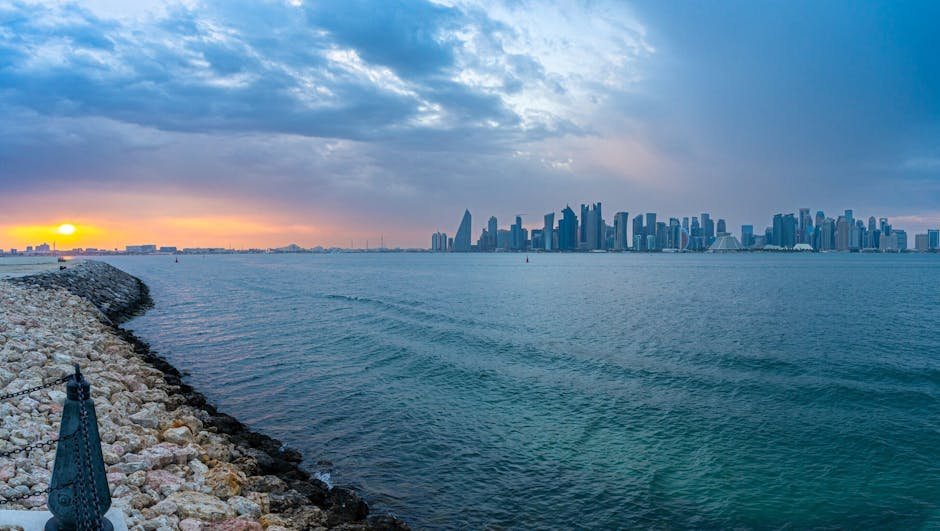
Doha is the undisputed center of tourism in Qatar, offering a mix of ultra-modern architecture and traditional charm. The city is walkable in key districts, especially along the Corniche, where the skyline meets the Persian Gulf.
Visitors should prioritize the West Bay area for luxury shopping and dining, while Souq Waqif provides an authentic taste of Qatari culture with its spice stalls, handicrafts, and rooftop restaurants.
Iconic Landmarks in Doha
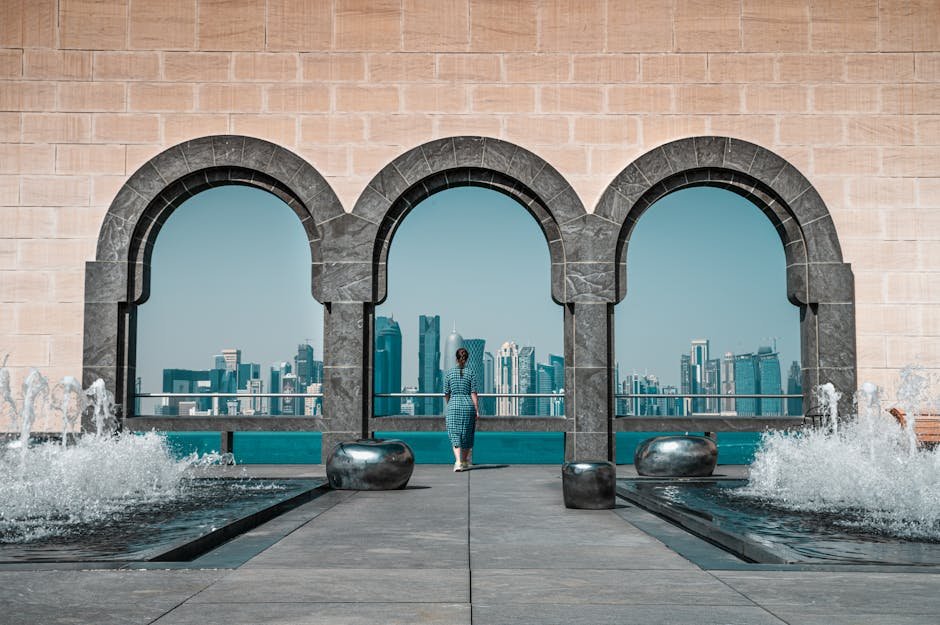
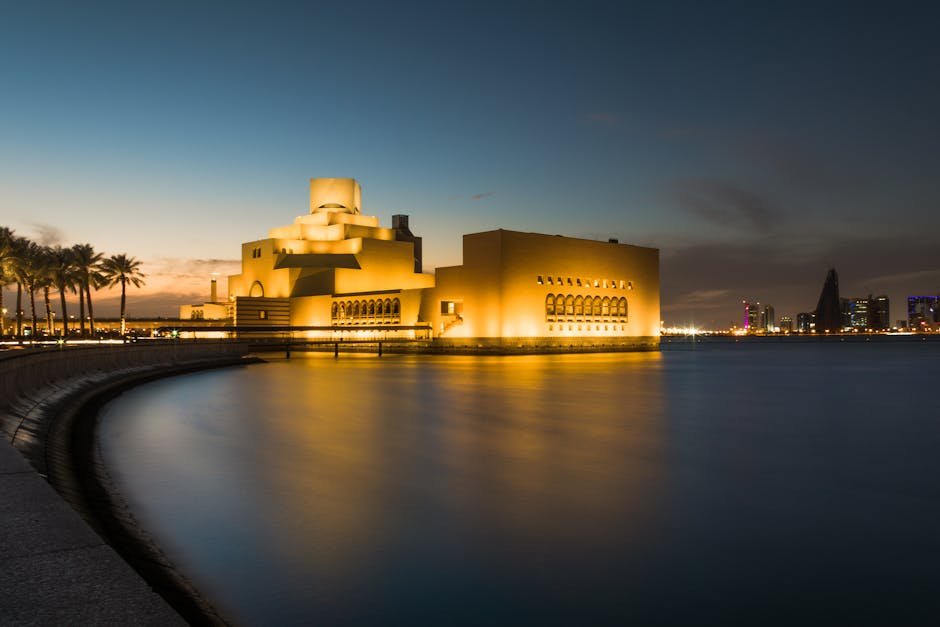
The Museum of Islamic Art stands out as a must-see, housing one of the world’s most comprehensive collections of Islamic artifacts. Designed by I.M. Pei, the building itself is a masterpiece, set on an artificial island with panoramic views.
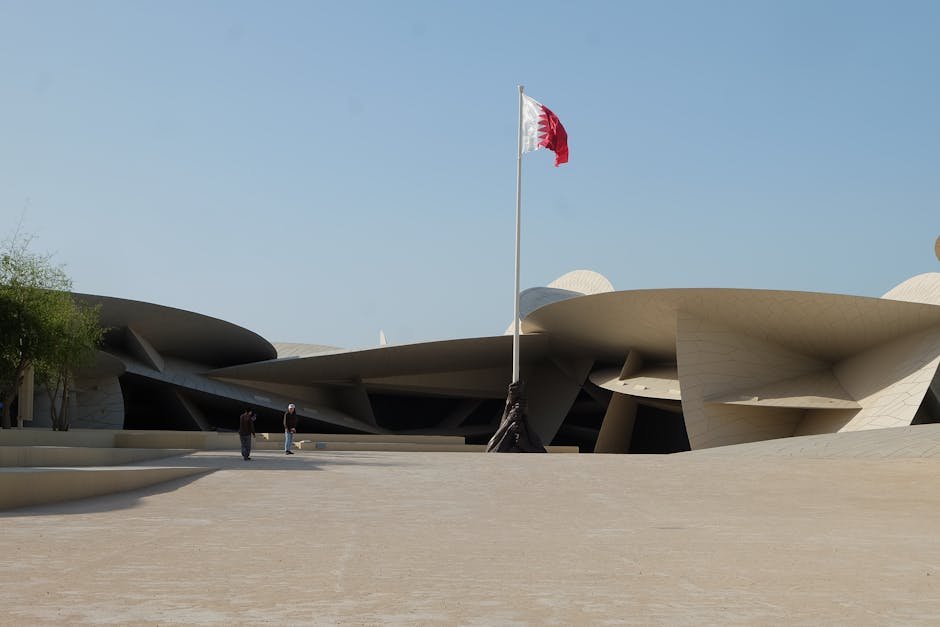
Just a short drive away, the National Museum of Qatar tells the story of the country’s transformation through immersive, architecture-forward exhibits. Both museums are family-friendly and offer guided tours in multiple languages.
Modern Attractions and Entertainment
Katara Cultural Village is a hub for arts, music, and cuisine, hosting international festivals and open-air performances. It’s also home to one of Doha’s best beaches, complete with water sports and beachfront cafes.
For thrill-seekers, Aspire Park offers jogging trails, playgrounds, and a large lake, while the nearby Villaggio Mall features an indoor canal with gondola rides and a full-sized ice rink.
The Pearl-Qatar: Luxury Living and Leisure
The Pearl-Qatar is an artificial island spanning nearly four million square meters, designed to resemble a string of pearls—a nod to the country’s historic pearling industry. It’s one of the most exclusive residential and leisure destinations in the Gulf.
Visitors can stroll along Mediterranean-style promenades, dine at high-end international restaurants, or relax at private beach clubs. Yacht charters are available for private tours of the coastline.
While primarily a residential area, The Pearl welcomes tourists during the day. Parking is ample, and water taxis connect it to central Doha. It’s especially popular during sunset hours when the golden light reflects off the marina.
Al Zubarah Fort and Archaeological Site
A UNESCO World Heritage Site, Al Zubarah Fort offers a glimpse into 18th-century Gulf life. Located about an hour’s drive northwest of Doha, the site preserves the remains of a once-thriving pearling and trading town.
The fort itself is well-preserved, with guided tours explaining its military and civilian history. Informational panels are available in English and Arabic, making it accessible for independent travelers.
Plan for a half-day trip, combining the fort with a visit to nearby Ruwais Beach for a picnic. Bring sun protection, as shade is limited. Weekday visits are quieter and more enjoyable.
Khor Al Adaid: The Inland Sea
Khor Al Adaid, or the Inland Sea, is a stunning natural reserve where the desert meets the sea. Recognized by UNESCO for its unique ecosystem, it’s one of the few places in the world where sand dunes rise directly from tidal waters.
Access requires a 4×4 vehicle or a guided tour, as the terrain is challenging and signage minimal. Reputable operators offer dune bashing, camel rides, and overnight camping with traditional Bedouin meals.
Best visited at sunrise or sunset, the area offers dramatic photo opportunities and a sense of isolation rare in such a developed region. Always travel with a guide—getting lost in the dunes is a real risk without GPS or local knowledge.
Al Thakira Mangroves: Nature and Kayaking
Just north of Doha, the Al Thakira Mangroves offer a peaceful escape into Qatar’s natural environment. These protected wetlands are home to migratory birds, crabs, and fish, making them ideal for eco-tourism.
Kayak tours are available through local operators, allowing visitors to paddle through narrow channels surrounded by greenery. Early morning tours are best for wildlife spotting and cooler temperatures.
No prior kayaking experience is needed—most tours provide instruction and all necessary gear. Wear water-resistant clothing and apply reef-safe sunscreen. The area is also accessible by foot via a boardwalk trail, perfect for a short nature walk.
Fuwar: A Hidden Gem in Northern Qatar
Fuwar is a small coastal village gaining attention for its pristine beaches and tranquil atmosphere. Unlike the busier shores near Doha, Fuwar offers uncrowded sands and clear waters ideal for swimming and snorkeling.
Facilities are basic—bring your own food, water, and shade. There are no hotels, but day trips from Doha are feasible with an early start. The drive takes about 90 minutes via the Al Khor Coastal Road.
Fuwar is part of Qatar’s effort to promote regional tourism beyond the capital. Local fishermen sometimes sell fresh catch on-site, adding to the authentic experience. Check tide times before visiting, as some areas are only accessible at low tide.</n
Al Khor: Coastal Charm and Heritage
Al Khor is Qatar’s second-largest city and a growing destination for those seeking a slower pace. Known for its fishing heritage, the city features a bustling fish market and a scenic harbor lined with dhow boats.
The Al Khor Museum showcases local history, including traditional boat-building and pearl diving. Nearby, the Al Khor Corniche is perfect for evening walks with views of the sea and skyline.
Families will appreciate the public beach and playgrounds. Several mid-range hotels now offer sea-facing rooms, making Al Khor a viable base for exploring northern Qatar. It’s also a gateway to the Al Thakira Mangroves and Fuwar.
Education City: Innovation and Architecture
Education City is a sprawling academic hub developed by the Qatar Foundation. While not a traditional tourist site, its modern architecture and public spaces draw curious visitors.
The Qatar National Library features striking design and free access to millions of books and digital resources. The adjacent Minaretein (Education City Mosque), designed by architect Mangera Yvars, blends contemporary and traditional Islamic styles.
Guided campus tours are available and recommended to appreciate the scale and vision. The area is well-connected by metro and bus, making it accessible for day trips. Cafes and food courts offer diverse dining options.</n
Banana Island: A Private Resort Escape
Banana Island is a crescent-shaped resort island off the coast of Doha, accessible by a 20-minute boat ride. Managed by Katara Hospitality, it offers luxury villas, white-sand beaches, and a range of water activities.
While primarily a hotel destination, day passes are available for non-guests, allowing access to beaches, pools, and restaurants. Advance booking is required, and prices vary by season.
The island is family-friendly, with kids’ clubs and shallow swimming areas. Snorkeling gear can be rented on-site, and coral reefs nearby offer decent underwater views. Ideal for a half-day or full-day retreat from the city.</n
Tips for Traveling in Qatar in 2026
Dress modestly in public areas, especially outside tourist zones. While Doha is cosmopolitan, respectful attire—covering shoulders and knees—is appreciated in markets, mosques, and government buildings.
Public drinking and loud behavior are discouraged. Alcohol is available only in licensed hotels and private clubs, not in supermarkets or public spaces.
Use the Doha Metro for efficient, affordable travel. The Gold, Red, and Green lines connect Hamad International Airport, major malls, museums, and the Corniche. Taxis and ride-hailing apps like Uber and Careem are also widely available.
Download the Qatar Tourism app for real-time updates on events, transport, and attraction hours. Free Wi-Fi is available in most public areas, including metro stations and malls.
Best Time to Visit
The ideal time to visit Qatar is between November and March, when temperatures range from 20°C to 30°C (68°F to 86°F). This period also coincides with cultural festivals, outdoor markets, and sporting events.
Summer months (June to September) can exceed 40°C (104°F), making outdoor activities uncomfortable and sometimes unsafe. Many attractions reduce hours or close during peak heat.
Ramadan affects business hours and dining options, but it’s also a unique time to experience local traditions. If visiting during this period, plan meals around iftar and be mindful of local customs.
Getting Around
Hamad International Airport (DOH) is the main gateway, with direct flights from over 100 cities. The airport features art installations, luxury lounges, and efficient immigration processing.
Renting a car is an option, but driving in Doha can be challenging due to rapid development and complex signage. International driving permits are required. Parking is generally available but can be expensive in central areas.
For most visitors, a combination of metro, taxis, and walking is the most practical approach. Day trips to sites like Al Zubarah or Khor Al Adaid are best done with a pre-booked tour or private driver.
Where to Stay
Doha offers accommodations for all budgets, from luxury resorts like the St. Regis Doha and Mandarin Oriental to mid-range options such as the DoubleTree by Hilton and budget-friendly stays in Al Sadd or Bin Mahmoud.
Staying near the Corniche or West Bay provides easy access to attractions, dining, and public transport. For a quieter experience, consider Al Khor or The Pearl, though these require more travel time to central sites.
Book early during major events, such as the Doha International Book Fair or Qatar International Food Festival, when hotel rates rise and availability drops.
Local Cuisine to Try
Qatari cuisine blends Bedouin traditions with influences from India, Iran, and the Levant. Must-try dishes include machboos (spiced rice with meat), harees (wheat and meat porridge), and luqaimat (sweet dumplings).
Souq Waqif is the best place to sample local food at affordable prices. Try Karak tea—a strong, cardamom-infused tea with evaporated milk—at one of the rooftop cafes.
International dining is abundant, with top chefs and global cuisines represented in West Bay and The Pearl. Vegetarian and halal options are widely available.
Safety and Etiquette
Qatar is one of the safest countries in the world, with low crime rates and a strong police presence. Petty theft is rare, but standard precautions—like securing valuables—are still advised.
Photography is allowed in public areas, but avoid taking pictures of government buildings, military sites, or people without permission, especially women.
Tipping is not mandatory but appreciated in restaurants, taxis, and hotels. A 10% gratuity is customary in upscale venues.
Final Thoughts
Qatar in 2026 is poised to be a standout destination for travelers seeking a blend of culture, comfort, and adventure. With world-class infrastructure, rich heritage, and forward-thinking tourism planning, the country offers something for every type of visitor.
From the urban energy of Doha to the natural wonders of the desert and coast, the top travel destinations in Qatar for visitors 2026 promise a memorable and seamless experience. Start planning your trip now to take advantage of new openings and seasonal events.
FAQ
Q: Do I need a visa to visit Qatar?
A: Citizens of over 80 countries can enter Qatar visa-free or obtain a visa on arrival. Check the Qatar Visa Portal before traveling to confirm your eligibility.
Q: Is Qatar safe for solo travelers?
A: Yes, Qatar is considered very safe for solo travelers, including women. The country has low crime rates and a welcoming attitude toward international visitors.
Q: Can I drink alcohol in Qatar?
A: Alcohol is available only in licensed hotel bars and restaurants. Public consumption is prohibited. Non-Muslim residents may apply for a permit to purchase alcohol for personal use.