

Best Countries to Visit in the Middle East for Travel
Best Countries to Visit in the Middle East for Travel
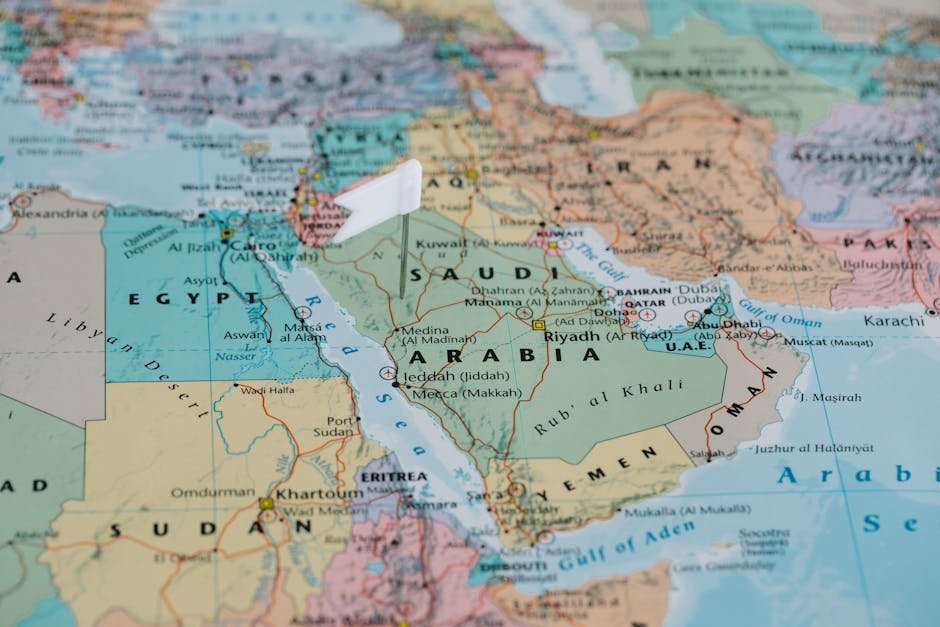
If you’re planning a trip to the Middle East, you’re in for a journey rich in history, culture, and natural beauty. From ancient ruins and bustling souks to modern skylines and vast deserts, the region offers diverse experiences across several standout destinations. This guide highlights the best countries to visit in the Middle East for travel, based on safety, attractions, accessibility, and traveler satisfaction. Whether you’re drawn to archaeological wonders, luxury resorts, or authentic local life, these countries deliver unforgettable adventures.
United Arab Emirates: A Modern Oasis
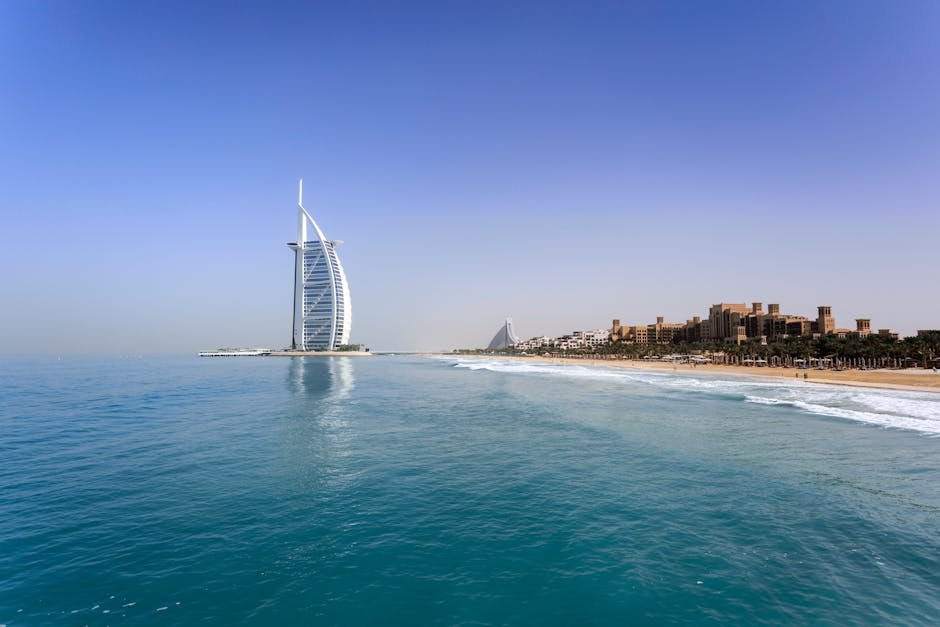
The UAE, particularly Dubai and Abu Dhabi, stands out as one of the most accessible and traveler-friendly destinations in the Middle East. Known for its futuristic architecture, luxury shopping, and world-class hospitality, the UAE blends tradition with innovation.
Dubai’s Burj Khalifa, the world’s tallest building, offers panoramic views of the city and surrounding desert. Nearby, the Dubai Mall and Palm Jumeirah provide entertainment and leisure options for all ages. Abu Dhabi, the capital, impresses with the grand Sheikh Zayed Grand Mosque and cultural sites like the Louvre Abu Dhabi.
Why Visit the UAE?
The UAE is safe, well-connected, and English-speaking, making it ideal for first-time visitors to the region. Public transportation is efficient, and taxis and ride-sharing apps are widely available.
Tourists can enjoy desert safaris, dhow cruises, and indoor skiing—all within a single city. The country also hosts major events like the Dubai Shopping Festival and Abu Dhabi Grand Prix, adding seasonal appeal.
Travel Tips
Visas are available on arrival for many nationalities, and e-visas can be applied for online. Dress modestly in public areas, especially outside tourist zones. Alcohol is permitted in licensed venues, but public intoxication is illegal.
Saudi Arabia: A Land of Transformation
Once off-limits to most tourists, Saudi Arabia has opened its doors with a new tourist visa program. The Kingdom is investing heavily in tourism as part of its Vision 2030 plan, transforming from a pilgrimage destination into a global travel hub.
Riyadh, the capital, blends modern skyscrapers with historic sites like Diriyah, the original home of the Saudi royal family. Jeddah offers coastal charm, with its restored historic district and Red Sea beaches.
Must-See Attractions
Mada’in Saleh, a UNESCO World Heritage site, features Nabatean tombs carved into sandstone cliffs—similar to Jordan’s Petra. The futuristic NEOM project, including The Line, is redefining urban living and attracting global attention.
The Red Sea Project and Amaala are luxury eco-tourism developments offering diving, wellness retreats, and exclusive resorts. These areas are designed for high-end travelers seeking privacy and sustainability.
Cultural Considerations
While dress codes are becoming more relaxed for tourists, modest clothing is still recommended. Public behavior should respect local customs, especially during Ramadan. Women no longer need a male guardian to travel, but solo female travelers should remain aware of cultural norms.
Jordan: Ancient Wonders and Warm Hospitality
Jordan is a compact country packed with historical and natural treasures. It’s one of the safest and most welcoming destinations in the Middle East, with a strong tourism infrastructure.
Petra, the iconic “Rose City,” is a must-see. Carved into pink sandstone cliffs over 2,000 years ago, it’s one of the New Seven Wonders of the World. Visitors can explore the Treasury, Monastery, and royal tombs on foot or by donkey.
Beyond Petra
Wadi Rum, a vast desert valley, offers dramatic landscapes that have served as backdrops for films like Lawrence of Arabia and The Martian. Overnight stays in Bedouin camps provide a unique cultural experience under the stars.
The Dead Sea, the lowest point on Earth, allows swimmers to float effortlessly in mineral-rich waters. Nearby spas offer therapeutic mud treatments and wellness therapies.
Practical Advice

Jordan’s visa-on-arrival policy makes entry easy for most travelers. The country is compact, so multi-city trips are feasible in a week. English is widely spoken in tourist areas, and Jordanian hospitality is legendary.
Oman: Serenity and Natural Beauty
Oman offers a more tranquil alternative to its flashier Gulf neighbors. Known for its rugged mountains, pristine beaches, and traditional culture, it’s perfect for travelers seeking authenticity and adventure.
Muscat, the capital, features the stunning Sultan Qaboos Grand Mosque and the bustling Muttrah Souq. The city blends modernity with tradition, with well-preserved forts and museums.
Adventure Awaits
The Wahiba Sands desert offers dune bashing, camel trekking, and overnight camping. In the south, Salalah’s monsoon season (Khareef) transforms the landscape into a green paradise with waterfalls and coconut groves.
Jebel Shams, the “Grand Canyon of Oman,” provides hiking trails with breathtaking views. The fjords of Musandam, accessible by dhow cruise, offer dolphin watching and snorkeling in crystal-clear waters.
Travel Logistics
Oman offers e-visas for most nationalities, and driving is straightforward with good road conditions. Renting a car is recommended for exploring remote areas. The country is safe, with low crime rates and respectful locals.
Israel: A Crossroads of Cultures
Israel is a small country with immense historical and religious significance. It attracts pilgrims, history buffs, and food lovers alike. Jerusalem, a city sacred to Judaism, Christianity, and Islam, is a highlight for many visitors.
The Western Wall, Church of the Holy Sepulchre, and Dome of the Rock are key religious sites. The Old City’s narrow alleys lead to vibrant markets, ancient synagogues, and hidden courtyards.
Coastal and Desert Experiences
Tel Aviv offers a cosmopolitan vibe with beaches, nightlife, and Bauhaus architecture. The city is known for its vegan cuisine, LGBTQ+ inclusivity, and creative energy.
The Negev Desert features the Ramon Crater, a massive erosion cirque ideal for hiking. Masada, a ancient fortress, is best visited at sunrise for panoramic views and historical insight.
Entry and Safety
Israel welcomes tourists with visa exemptions for many countries. Security checks are common, but the country is generally safe for travelers. Avoid discussing politics, and be mindful of religious sensitivities, especially in Jerusalem.
Qatar: Luxury and Culture Combined
Qatar has rapidly developed into a cultural and travel destination, especially after hosting the FIFA World Cup 2022. Doha, the capital, blends modern architecture with traditional souks and museums.
The Museum of Islamic Art showcases one of the world’s finest collections of Islamic artifacts. The Souq Waqif offers spices, textiles, and local cuisine in a restored 19th-century marketplace.
Modern Attractions
The Pearl-Qatar is an artificial island with luxury residences, marinas, and dining. Katara Cultural Village hosts performances, art exhibitions, and festivals throughout the year.
Desert excursions to Khor Al Adaid (Inland Sea) allow for dune bashing and overnight camping. The area is a UNESCO-recognized nature reserve with unique ecosystems.
Practical Information
Qatar offers visa-free entry or e-visas for many nationalities. The climate is hot, so visit between November and March for comfortable weather. Public dress should be modest, especially in non-tourist areas.
Lebanon: A Cultural Gem (With Caveats)
Lebanon, despite recent economic challenges, remains a cultural treasure with a rich culinary scene, historic ruins, and Mediterranean charm. Beirut, the capital, is known for its resilience, nightlife, and diverse neighborhoods.
Byblos, one of the oldest continuously inhabited cities in the world, features a Crusader castle and seaside ruins. Baalbek’s Roman temples are among the best-preserved in the region.
Natural Beauty
The Jeita Grotto, a system of limestone caves, offers boat rides through underground rivers. The Cedars of God forest in the mountains is a sacred site and popular ski destination in winter.
Lebanon’s wine route includes visits to historic vineyards in the Bekaa Valley. The country’s cuisine—hummus, tabbouleh, and fresh seafood—is a highlight for food travelers.
Travel Warnings
Check current travel advisories before visiting. While many areas are safe, political instability and economic issues can affect services. Avoid border regions and large gatherings. Travelers should monitor local news and register with their embassy.
Turkey: Bridging Europe and the Middle East
Though geographically partly in the Middle East, Turkey is often included in regional travel itineraries due to cultural and historical ties. Istanbul, a city split between two continents, is a highlight.
The Hagia Sophia, Blue Mosque, and Grand Bazaar draw millions of visitors annually. A Bosphorus cruise offers views of palaces, mosques, and waterfront mansions.
Historical and Natural Sites
Cappadocia’s fairy chimneys and cave hotels provide a surreal landscape. Hot air balloon rides at sunrise are a bucket-list experience. Ephesus, an ancient Greek city, features the Library of Celsus and well-preserved ruins.
The Turquoise Coast offers sailing, diving, and secluded beaches. Pamukkale’s thermal pools and white travertine terraces are a natural wonder.
Travel Considerations
Turkey offers e-visas for most tourists. The country is generally safe, but travelers should avoid areas near the Syrian border. Earthquakes are a risk, so stay informed about safety procedures.
Iran: Ancient Persia Awaits
Iran is one of the most historically rich countries in the world, with 26 UNESCO World Heritage sites. From the ruins of Persepolis to the mosques of Isfahan, it offers a deep dive into ancient civilization.
Tehran, the capital, blends modernity with tradition, featuring the Golestan Palace and bustling bazaars. Shiraz is known as the city of poetry and gardens, with easy access to Persepolis.
Cultural Highlights
Isfahan’s Naqsh-e Jahan Square is one of the largest in the world, surrounded by mosques, bazaars, and palaces. The city’s Persian architecture and tilework are unmatched.

Yazd, a desert city, is home to Zoroastrian fire temples and windcatchers—traditional cooling systems. It’s a UNESCO site and a glimpse into pre-Islamic Persia.
Travel Tips
Iran requires a visa for most nationalities, often arranged through a tour operator. Women must wear a headscarf and modest clothing in public. Photography of government buildings is prohibited. Despite political tensions, Iranians are famously hospitable to tourists.
How to Choose the Right Destination
Selecting the best country to visit in the Middle East depends on your interests, budget, and travel style. Consider what you want to experience: history, nature, luxury, or culture.
For first-time visitors, the UAE and Jordan offer the most infrastructure and ease of travel. Adventure seekers may prefer Oman or Saudi Arabia’s deserts. Culture lovers will find Iran and Turkey deeply rewarding.
Factors to Consider
Safety is a top concern. Check government travel advisories and avoid conflict zones. Climate varies widely—coastal areas are mild, while deserts can be extremely hot.
Visa requirements differ. Some countries offer visa-free entry or e-visas, while others require advance applications. Budget accordingly for flights, accommodations, and guided tours.
Packing Essentials
Pack lightweight, modest clothing that covers shoulders and knees, especially for religious sites. Sunscreen, hats, and reusable water bottles are essential in arid climates. Bring comfortable walking shoes for historical sites.
Final Thoughts
The Middle East is far more diverse and accessible than many travelers realize. From the glittering skyscrapers of Dubai to the ancient ruins of Petra and Persepolis, the region offers experiences that blend the old and the new.
Each country has its own character, attractions, and challenges. By choosing wisely and traveling respectfully, you can enjoy a safe and enriching journey. Whether you’re exploring deserts, diving in the Red Sea, or wandering through centuries-old souks, the Middle East promises memories that last a lifetime.
FAQ
What is the safest country to visit in the Middle East?
Jordan and the UAE are consistently rated among the safest destinations in the region, with low crime rates and strong tourist infrastructure. Always check current travel advisories before departure.
Do I need a visa to travel to Middle Eastern countries?
Visa requirements vary. The UAE, Qatar, and Jordan offer visa-on-arrival or e-visas for many nationalities. Saudi Arabia and Iran require advance arrangements, often through a tour operator.
When is the best time to visit the Middle East?
The ideal time is during the cooler months, from October to April. Summer temperatures in desert areas can exceed 45°C (113°F), making outdoor activities uncomfortable.
Related keywords: Best Countries to Visit in Middle East for Travel.