

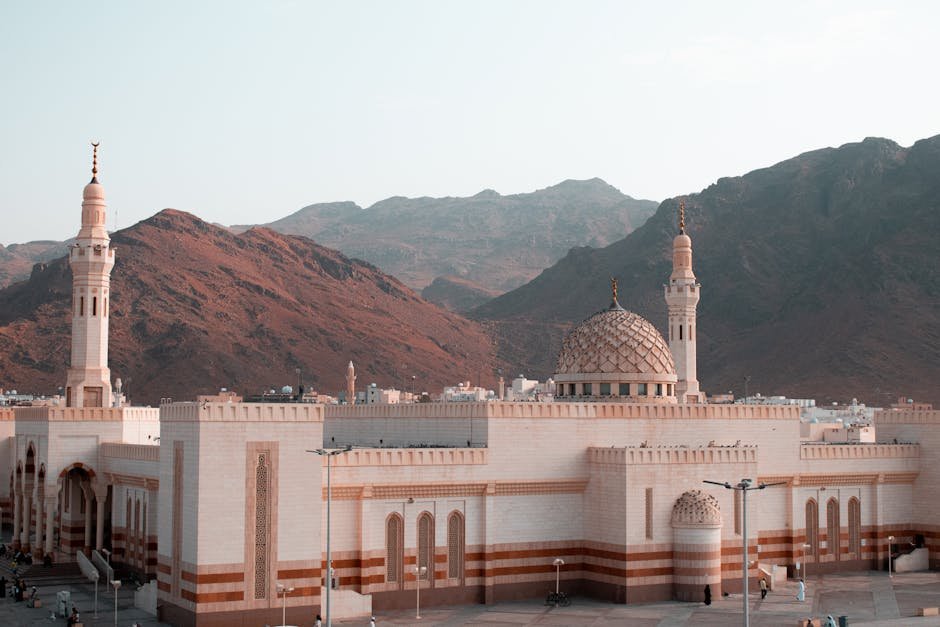
Top Places to Visit in Saudi Arabia for Tourism
Top Places to Visit in Saudi Arabia for Tourism
Saudi Arabia has rapidly transformed into a vibrant tourism destination, blending ancient heritage with futuristic ambition. From UNESCO-listed archaeological sites to modern architectural marvels, the Kingdom offers diverse experiences for every traveler. Whether you’re drawn to desert landscapes, coastal retreats, or cultural landmarks, Saudi Arabia delivers authentic and awe-inspiring moments. This guide highlights the top places to visit in Saudi Arabia for tourism, helping you plan a trip that balances adventure, history, and relaxation.
Historical and Cultural Landmarks
Saudi Arabia’s rich history spans millennia, with sites that reflect its role as the cradle of Islam and a crossroads of ancient trade routes. These destinations offer deep insight into the Kingdom’s spiritual and cultural identity.
Mada’in Saleh (Al-Hijr)
Mada’in Saleh, also known as Al-Hijr, is Saudi Arabia’s first UNESCO World Heritage Site. Located in the AlUla region, this Nabataean city predates Petra and features over 100 well-preserved tombs carved into sandstone cliffs. The site dates back to the 1st century CE and showcases intricate facades similar to those in Jordan’s famous city.
Visitors can explore the tombs, walk through the ancient city ruins, and learn about the Nabataeans’ advanced water management systems. Guided tours are available, and the site is best visited during cooler months from October to April. Photography is permitted, but drones require special permits.
Diriyah
Diriyah, the original home of the Saudi royal family, sits just outside Riyadh along the banks of Wadi Hanifah. Once the capital of the First Saudi State, it’s now a restored heritage site with mud-brick palaces, museums, and traditional souks.
The At-Turaif district, a UNESCO site, features the restored Salwa Palace and offers immersive experiences like traditional Najdi architecture tours and local cuisine tastings. Diriyah hosts cultural festivals throughout the year, including the annual Diriyah Season, which includes concerts, art installations, and culinary events.
Al Balad (Jeddah Historic District)
Al Balad, the historic heart of Jeddah, is a maze of coral stone buildings, wooden balconies (rawashin), and narrow alleyways. This UNESCO-listed district reflects centuries of Red Sea trade and Islamic architecture.
Key attractions include the Nasseef House, now a cultural center, and the historic mosques and souks. The area comes alive at night with cafes, art galleries, and street performances. Visitors should dress modestly and be mindful of prayer times when exploring.
Natural Wonders and Outdoor Adventures
Beyond its cities, Saudi Arabia boasts dramatic natural landscapes—from vast deserts to mountain ranges and pristine coastlines. These destinations are ideal for adventure seekers and nature lovers.
Edge of the World (Jebel Fihrayn)
The Edge of the World is a breathtaking limestone escarpment located about 90 kilometers northwest of Riyadh. Rising 300 meters above the desert floor, it offers panoramic views of the surrounding plains.
Reaching the site involves a 4×4 drive across rugged terrain, so a capable vehicle is essential. The best time to visit is early morning or late afternoon to avoid extreme heat and capture golden-hour photography. Bring water, sun protection, and sturdy footwear.
Asir Mountains and Abha
The Asir region in southwestern Saudi Arabia is known for its lush greenery, terraced farms, and cool climate—unlike most of the country. Abha, the regional capital, sits at 2,270 meters above sea level and is a popular summer retreat.
Visitors can hike through the Asir National Park, ride the Al-Soudah zip line—one of the longest in the world—or explore traditional villages like Rijal Almaa, a UNESCO-recognized heritage village with stone houses and vibrant murals. The area is especially beautiful during the spring flower season.
Farasan Islands
The Farasan Islands, located in the Red Sea off the coast of Jizan, are a marine paradise with coral reefs, mangroves, and white-sand beaches. The islands are a protected nature reserve and a haven for birdwatchers and divers.
Activities include snorkeling, kayaking, and visiting the historic Farasan Fort. The best time to visit is between November and March when the weather is mild. Access is by ferry from Jizan, and overnight stays are available in eco-lodges.
Modern Attractions and Urban Experiences
Saudi Arabia is investing heavily in tourism infrastructure, creating world-class destinations that blend innovation with local culture. These modern attractions reflect the Kingdom’s Vision 2030 goals.
NEOM and The Line
NEOM is a $500 billion mega-project in northwestern Saudi Arabia, designed as a futuristic city powered entirely by renewable energy. While still under development, select areas are open for tourism.
The Line, a 170-kilometer linear city with no cars or streets, is one of its most ambitious components. Visitors can currently explore NEOM’s welcome center and take guided tours of the development zone. Access requires prior approval through the official NEOM tourism portal.
Red Sea Project
The Red Sea Project is a luxury tourism destination spanning 28,000 square kilometers along the coast. It includes 90+ pristine islands, desert landscapes, and mountain canyons.
Phase one opened in 2023 with high-end resorts like St. Regis Red Sea and Six Senses Southern Dunes. Activities include diving, yachting, and stargazing. The project emphasizes sustainability, with all accommodations powered by solar energy and strict environmental protections in place.
Riyadh Season and Entertainment Districts
Riyadh, the capital, hosts the annual Riyadh Season, a months-long festival featuring concerts, food markets, theme parks, and cultural performances. It transforms the city into a global entertainment hub.
Key districts include Boulevard City, known for its dining and nightlife, and the King Abdullah Financial District, which hosts events and exhibitions. The season typically runs from October to March, coinciding with cooler weather.
Pilgrimage and Spiritual Sites
For millions of Muslims, Saudi Arabia is the spiritual center of Islam. The two holiest cities attract pilgrims year-round, offering profound religious experiences.
Mecca
Mecca is the birthplace of Islam and home to the Kaaba, the most sacred site in the religion. The Grand Mosque (Masjid al-Haram) surrounds the Kaaba and can accommodate millions of worshippers.
Only Muslims are permitted to enter Mecca. The city sees peak visitation during Hajj and Umrah seasons. Non-Muslim travelers should plan visits to nearby Jeddah instead, which offers cultural and coastal attractions.
Medina
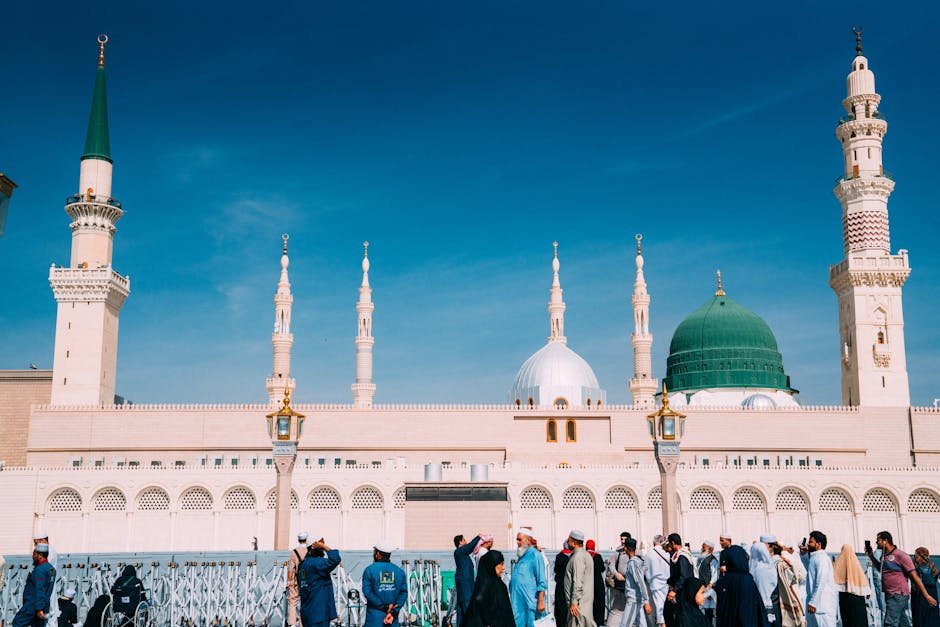
Medina, the second holiest city, houses the Prophet’s Mosque (Al-Masjid an-Nabawi), which contains the tomb of Prophet Muhammad. The mosque features stunning architecture and a vast courtyard.
Like Mecca, Medina is restricted to Muslims. However, the surrounding areas offer historical sites such as Quba Mosque and Mount Uhud, which can be visited by non-Muslims in nearby regions.
Coastal and Island Destinations
Saudi Arabia’s Red Sea coastline is gaining recognition for its clear waters, marine biodiversity, and luxury resorts. These destinations are perfect for relaxation and water-based activities.
Jeddah Corniche
The Jeddah Corniche is a 30-kilometer waterfront promenade along the Red Sea. It features beaches, parks, fountains, and the iconic King Fahd Fountain, the tallest of its kind in the world.
Popular activities include walking, cycling, and dining at seaside cafes. The area is especially lively in the evenings. Families and tourists frequent the public beaches, though private beach clubs offer more exclusive experiences.
Umluj and the Seven Islands
Umluj, a coastal town in the Tabuk region, is known for its turquoise waters and coral reefs. The nearby Seven Islands are uninhabited and ideal for snorkeling, diving, and camping.
Access is by boat from Umluj’s marina. Camping permits are required and can be obtained through local tour operators. The area is remote, so visitors should bring supplies and check weather conditions before departure.
Desert Experiences
The Arabian Desert covers much of Saudi Arabia and offers unique experiences for those seeking adventure and solitude. From luxury glamping to dune bashing, the desert is full of surprises.
Empty Quarter (Rub’ al Khali)
The Empty Quarter is the largest continuous sand desert in the world, spanning parts of Saudi Arabia, Oman, the UAE, and Yemen. Its vast dunes, some reaching 250 meters high, create a surreal landscape.
Visiting requires a 4×4 vehicle, experienced guide, and proper permits. Overnight camping under the stars is a highlight, but temperatures can drop significantly at night. Always travel in groups and carry emergency supplies.
AlUla Desert
AlUla offers a more accessible desert experience with luxury camps like Banyan Tree AlUla and Habitas AlUla. Activities include camel trekking, hot air balloon rides, and stargazing.
The desert here is dotted with ancient rock formations and archaeological sites. Evening cultural performances and traditional meals enhance the experience. Book accommodations in advance, especially during peak season.
Practical Tips for Travelers
Traveling in Saudi Arabia requires some preparation, but the experience is rewarding. Here are key tips to ensure a smooth trip.
Visa and Entry Requirements
Most nationalities can obtain an e-visa or visa on arrival. The Saudi tourist visa allows multiple entries and stays of up to 90 days. Apply through the official government portal at visa.visitsaudi.com.
Ensure your passport is valid for at least six months from the date of entry. Travelers from certain countries may need additional documentation.
Dress Code and Cultural Etiquette
While dress codes have relaxed in tourist areas, modest clothing is still expected. Women should cover shoulders and knees in public. Men should avoid shorts in conservative areas.
Avoid public displays of affection, and be respectful during prayer times. Photography of government buildings and military sites is prohibited.
Transportation
Domestic flights connect major cities like Riyadh, Jeddah, and Dammam. High-speed trains link Medina, Jeddah, and Mecca. Renting a car is convenient for exploring regions like AlUla or the Asir Mountains.
Ride-hailing apps like Careem and Uber operate in major cities. Always carry your passport and visa when traveling between cities.
When to Visit Saudi Arabia
The best time to visit Saudi Arabia is between November and March, when temperatures are mild and outdoor activities are comfortable. Summer months can exceed 45°C (113°F), especially in central and eastern regions.
Coastal areas like Jeddah and the Red Sea islands remain relatively cooler due to sea breezes. Mountainous regions such as Abha offer respite from the heat year-round.
Plan around major events like Riyadh Season or religious holidays, which can affect accommodation availability and crowd levels.
FAQ
Q: Do I need a visa to visit Saudi Arabia?
A: Yes, most travelers require a tourist visa. Citizens of over 49 countries can apply for an e-visa online or obtain one on arrival. Check the official Saudi tourism website for eligibility.
Q: Is Saudi Arabia safe for tourists?
A: Yes, Saudi Arabia is generally safe for tourists. The government has invested heavily in security and tourism infrastructure. Exercise normal precautions, especially in remote areas, and follow local guidelines.
Q: Can non-Muslims visit Mecca and Medina?
A: No, only Muslims are permitted to enter Mecca and Medina. Non-Muslims can explore nearby cities like Jeddah, which offer cultural and historical attractions.