

Top Destinations in South Africa for Tourists 2026
Top Destinations in South Africa for Tourists 2026
South Africa continues to rank among the world’s most compelling travel destinations, and 2026 is shaping up to be a standout year for visitors. From wildlife-rich national parks to vibrant coastal cities and dramatic mountain landscapes, the country offers a diverse range of experiences for every type of traveler. Whether you’re planning your first trip or returning for another adventure, knowing where to go is key. This guide highlights the top destinations in South Africa for tourists in 2026, based on accessibility, seasonal conditions, cultural relevance, and traveler interest.
Expect well-maintained infrastructure, improved eco-tourism offerings, and growing interest in sustainable travel options. Major cities like Cape Town and Johannesburg remain central hubs, while lesser-known regions such as the Wild Coast and the Karoo are gaining traction. With the 2026 travel season approaching, now is the time to explore what makes South Africa a must-visit destination this year.
1. Cape Town: The Iconic Gateway
Cape Town consistently ranks as one of the most beautiful cities in the world, and for good reason. Nestled between Table Mountain and the Atlantic Ocean, it blends natural beauty with urban sophistication. In 2026, the city is enhancing its public transport and expanding green spaces to improve visitor experiences.
Visitors can take the cable car to the top of Table Mountain for panoramic views or hike the Platteklip Gorge trail for a more active ascent. The V&A Waterfront offers shopping, dining, and entertainment, while nearby Robben Island provides a powerful historical perspective on South Africa’s journey to democracy.
Best Time to Visit
The ideal time to visit Cape Town is during the Southern Hemisphere’s summer, from November to March. During these months, temperatures range from 18°C to 28°C, and rainfall is minimal. This period also coincides with the peak tourist season, so booking accommodations and tours in advance is strongly advised.
Winter months (June to August) are cooler and wetter but offer lower prices and fewer crowds. If you’re visiting for whale watching, June to November is optimal, especially along the coast near Hermanus.
Must-See Attractions
Beyond Table Mountain, don’t miss Kirstenbosch National Botanical Garden, located on the eastern slopes of the mountain. It showcases South Africa’s unique fynbos vegetation and hosts summer concerts. The Cape of Good Hope, part of Table Mountain National Park, offers scenic drives and wildlife spotting, including baboons and ostriches.
For culture and history, the District Six Museum and the Zeitz Museum of Contemporary Art Africa (MOCAA) provide deep insights into the city’s complex past and vibrant arts scene. A day trip to the Cape Winelands—Stellenbosch, Franschhoek, and Paarl—is highly recommended for wine tasting and gourmet dining.
2. Kruger National Park: Wildlife at Its Finest
Kruger National Park remains South Africa’s premier safari destination and a cornerstone of any 2026 itinerary. Spanning nearly 2 million hectares, it’s home to the Big Five—lion, leopard, rhinoceros, elephant, and buffalo—as well as hundreds of bird species and diverse ecosystems.
The park is divided into multiple regions, each with distinct wildlife patterns. The southern section near Skukuza tends to have higher animal concentrations, especially during the dry winter months (May to September) when water sources are limited and animals gather around rivers.
Safari Options
Visitors can choose between self-drive safaris and guided game drives. Self-driving allows flexibility and cost savings, but requires preparation—ensure your vehicle is suitable for gravel roads and that you carry a detailed map or GPS. Guided tours, offered by SANParks or private lodges, provide expert insight and increase the chances of spotting elusive species like leopards.
For a more exclusive experience, consider staying in a private concession adjacent to the park. These areas offer off-road driving and night safaris, which are not permitted in the main park. Lodges such as Singita and &Beyond provide luxury accommodations with all-inclusive packages.
Conservation and Community
Kruger is also a leader in conservation efforts. Anti-poaching units, community outreach programs, and research initiatives are integral to its operations. Tourists contribute directly to these efforts through park fees and lodge stays. In 2026, new visitor centers and educational exhibits aim to deepen public understanding of wildlife protection.
Travelers are reminded to respect park rules: stay in vehicles, avoid loud noises, and never feed animals. Drones are prohibited without special permits.
3. Garden Route: Scenic Drive and Coastal Charm
The Garden Route stretches approximately 300 kilometers along the southeastern coast, from Mossel Bay in the west to Storms River in the east. It’s one of South Africa’s most popular road trip routes, offering a mix of forests, lakes, beaches, and small towns.
Highlights include the Tsitsikamma National Park, known for its dramatic coastline and the famous suspension bridge over the Storms River. The Otter Trail, a five-day hiking route, is considered one of the best in the world, though permits are limited and must be booked months in advance.
Key Stops Along the Route
Knysna is a favorite stop, with its picturesque lagoon, oyster farms, and forest trails. The Knysna Heads, two rocky outcrops guarding the entrance to the lagoon, offer stunning views and photo opportunities. Nearby, the Featherbed Nature Reserve provides guided tours and eco-friendly accommodations.
Plettenberg Bay is another highlight, combining beautiful beaches with wildlife encounters. Visit the Birds of Eden sanctuary, the world’s largest free-flight bird aviary, or take a boat trip to see dolphins, seals, and southern right whales (seasonal).
For adventure seekers, bungee jumping at Bloukrans Bridge—the world’s highest commercial bridge bungee at 216 meters—is a must. Other activities include kayaking, paragliding, and forest canopy tours.
Travel Tips
The best time to travel the Garden Route is during spring (September to November) or autumn (March to May), when the weather is mild and crowds are smaller. Summer (December to February) is peak season, with higher prices and busy attractions. Winter can be rainy, but it’s ideal for whale watching and enjoying cozy seaside lodges.
Renting a car is the most convenient way to explore. Ensure your vehicle has a full tank before long stretches, as fuel stations can be sparse in remote areas. Always carry a physical map or offline GPS, as cell service may be unreliable.
4. Johannesburg: Culture, History, and Urban Energy
Johannesburg, often called Jo’burg or Jozi, is South Africa’s largest city and economic hub. While it may not have the scenic appeal of Cape Town, it offers a rich cultural landscape and a deep connection to the country’s history.
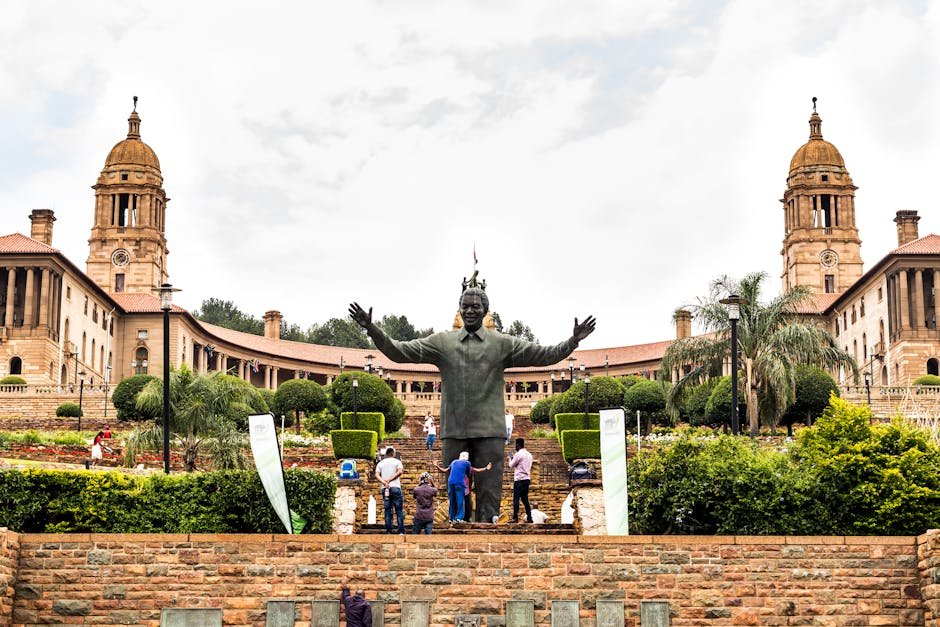
The city played a central role in the anti-apartheid movement, and several key sites preserve this legacy. The Apartheid Museum provides a comprehensive and emotionally powerful account of the system’s rise and fall. Nearby, the Constitutional Court, located on the site of the Old Fort Prison, symbolizes South Africa’s commitment to justice and equality.
Neighborhoods to Explore
Neighborhoods like Maboneng and Braamfontein have transformed into vibrant cultural districts. Maboneng features art galleries, boutique shops, and rooftop restaurants, while Braamfontein is known for its street art, live music, and student energy.
Soweto, a township just southwest of the city center, is a must-visit for history and culture. Take a guided tour to see Nelson Mandela’s former home, the Hector Pieterson Memorial, and Vilakazi Street, where both Mandela and Desmond Tutu once lived.
Food and Nightlife
Johannesburg’s food scene is diverse and evolving. Try traditional dishes like bunny chow (a hollowed-out loaf of bread filled with curry) or braai (barbecue) at local eateries. The city also boasts world-class restaurants, such as Marble and The Test Kitchen, which blend local ingredients with international techniques.
Nightlife ranges from jazz clubs in Newtown to rooftop bars in Sandton. Be mindful of safety—stick to well-lit, busy areas and avoid walking alone at night. Use reputable ride-hailing services like Uber or Bolt.
5. Durban: Beaches, Spice, and Indian Influence
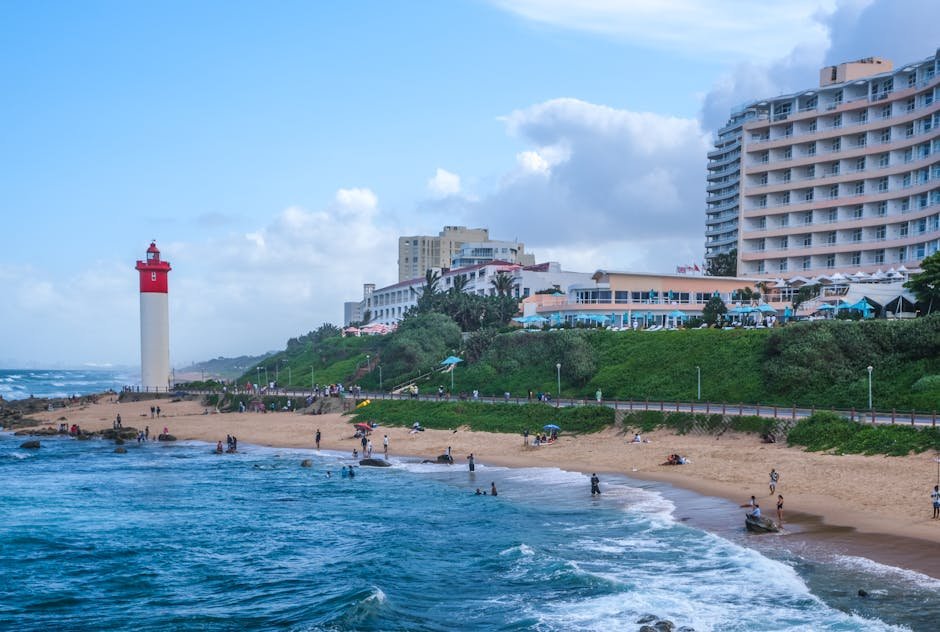
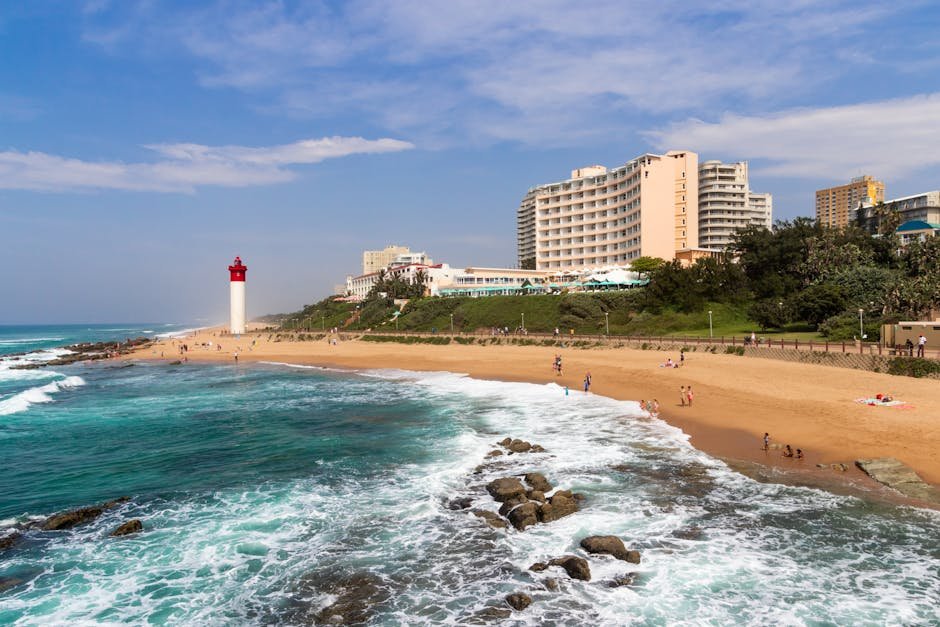
Durban, located on the Indian Ocean coast, offers a tropical climate and a unique cultural blend shaped by Indian, Zulu, and British influences. It’s known for its golden beaches, warm waters, and flavorful cuisine.
The Golden Mile, a stretch of beachfront promenade, is perfect for walking, cycling, or swimming. The uShaka Marine World complex includes an aquarium, water park, and dolphin shows, making it a family-friendly destination.
Culinary Highlights
Durban’s food scene is a highlight. The city is famous for its bunny chow, samoosas (spiced pastries), and curry dishes. Visit the Victoria Street Market for spices, textiles, and street food. For a sit-down meal, try one of the many Indian restaurants in the Grey Street area.
Seafood is also abundant. Fresh prawns, linefish, and peri-peri chicken are local favorites. Many restaurants offer ocean views, especially along the beachfront.
Outdoor Activities
Beyond the beach, Durban offers hiking in the nearby Drakensberg Mountains or exploring the iSimangaliso Wetland Park, a UNESCO World Heritage Site. This park includes coral reefs, mangrove forests, and hippo-filled lakes.
The city is also a gateway to Zulu cultural experiences. Visit a traditional homestead (umuzi) to learn about Zulu customs, music, and dance. Some tours include a meal of pap (maize porridge), meat, and chakalaka (spicy vegetable relish).
6. The Drakensberg: Mountains and Adventure
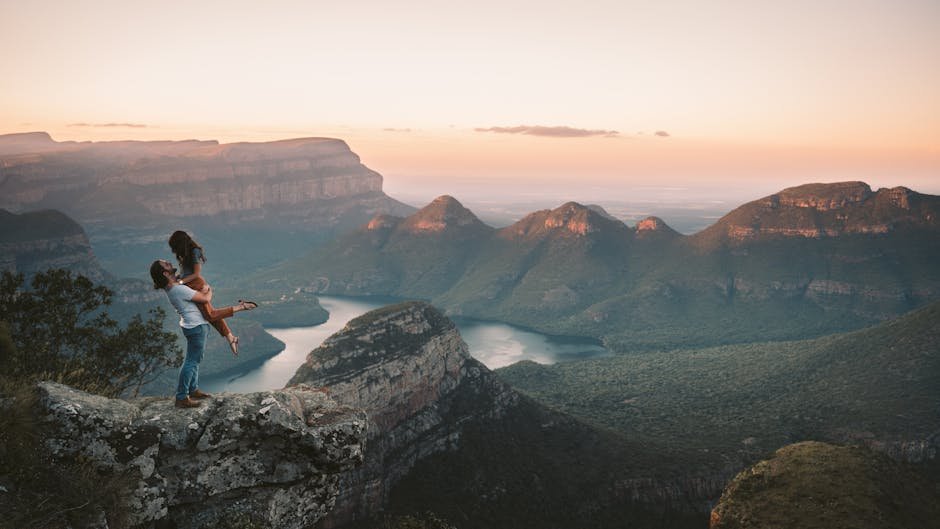
The Drakensberg, or “Dragon Mountains,” form a natural border between South Africa and Lesotho. This mountain range offers some of the country’s most dramatic landscapes, with peaks reaching over 3,000 meters.
The area is ideal for hiking, rock climbing, and photography. The Amphitheatre, a 5-kilometer-long cliff face, is one of the most photographed features in South Africa. The Tugela Falls, the world’s second-tallest waterfall, cascades from this formation.
Hiking Trails
Popular trails include the Chain Ladder route to the summit of Mont-Aux-Sources and the Giant’s Castle Game Reserve loop. These hikes vary in difficulty, so choose based on your fitness level and experience. Always check weather conditions and carry sufficient water and warm clothing—temperatures can drop rapidly at higher elevations.
For a more relaxed experience, visit the Drakensberg Boys’ Choir School or enjoy a meal at one of the mountain lodges with panoramic views.
Cultural Significance
The Drakensberg is also home to thousands of San rock art sites, some dating back over 2,000 years. These paintings, found in caves and overhangs, depict animals, rituals, and daily life. Guided tours with local experts provide context and help preserve these fragile sites.
Visitors are urged not to touch the art or disturb the sites. Photography is allowed, but flash and tripods may be restricted.
7. The Wild Coast: Untamed Beauty
The Wild Coast, in the Eastern Cape, remains one of South Africa’s least developed and most authentic regions. It’s characterized by rugged cliffs, rolling green hills, and traditional Xhosa villages.
This area is perfect for travelers seeking solitude and cultural immersion. The coastline is dotted with secluded beaches, such as Coffee Bay and Hole in the Wall, where a natural rock arch frames the ocean.
Adventure and Culture
Hiking the Wild Coast Trail offers a multi-day journey through villages, forests, and coastal paths. Local guides provide insight into Xhosa traditions and often include home stays, allowing visitors to experience daily life firsthand.
For adventure, try horseback riding along the beach or surfing at Jeffreys Bay, a world-renowned surf spot. The annual J-Bay Open attracts professional surfers from around the globe.
Travel Considerations
Infrastructure is limited, so self-sufficiency is key. Roads can be rough, and fuel stations are sparse. A 4×4 vehicle is recommended, especially during the rainy season (November to March). Mobile coverage is spotty, so download offline maps and inform someone of your itinerary.
Respect local customs: ask permission before photographing people or entering homes. Support community-based tourism initiatives to ensure your visit benefits local residents.
8. The Karoo: Desert Landscapes and Stargazing
The Karoo is a semi-arid region covering much of central South Africa. Despite its dry appearance, it’s rich in fossils, unique flora, and clear night skies.
The town of Sutherland is home to the South African Astronomical Observatory, one of the best places in the Southern Hemisphere for stargazing. The annual Sutherland Star Party attracts astronomy enthusiasts from around the world.
Fossil Sites and Nature Reserves
The Karoo is a paleontological treasure trove. The town of Graaff-Reinet, one of the oldest in South Africa, offers access to fossil sites and museums. The Valley of Desolation, a series of dramatic dolerite columns, is a popular day trip.
Nature reserves like the Karoo National Park protect species such as black rhino, Cape mountain zebra, and the endemic riverine rabbit. Birdwatchers will find over 200 species, including the secretary bird and blue crane.
Climate and Travel Tips
Summers can be extremely hot, with temperatures exceeding 40°C, while winters are cold, especially at night. Visit during spring (September to November) or autumn (March to May) for milder weather. Pack layers, sunscreen, and plenty of water.
Accommodations range from guest farms to boutique hotels. Many offer farm-to-table meals featuring lamb, game, and locally grown vegetables.
Planning Your 2026 Trip to South Africa
With so many incredible destinations, planning your trip requires careful consideration. Start by determining your interests—wildlife, culture, adventure, or relaxation—and match them to the regions above.
South Africa uses the South African Rand (ZAR). Credit cards are widely accepted in cities and tourist areas, but carry cash for rural visits. The country has a 15% VAT, which may be refundable for tourists on certain purchases—ask for a tax refund form at stores.
Visa and Health Requirements
Most tourists from the US, UK, EU, and Commonwealth countries do not need a visa for stays up to 90 days. Check the latest requirements with the South African Department of Home Affairs before traveling.
No mandatory vaccinations are required, but consult a travel clinic. Malaria is present in parts of Kruger and the Lowveld—consider prophylaxis if visiting during peak transmission months (October to May). Pack insect repellent and wear long sleeves at dawn and dusk.
Transportation
Domestic flights connect major cities, with airlines like South African Airways and Airlink offering frequent services. Renting a car is ideal for exploring regions like the Garden Route or Drakensberg. Drive on the left and carry an international driving permit if required.
Public transport includes buses (Greyhound, Intercape) and trains (Shosholoza Meyl), but schedules can be unreliable. Ride-hailing apps are available in cities.
Safety Tips
South Africa has a high crime rate in certain urban areas, but most tourists experience no issues. Avoid displaying valuables, use ATMs in secure locations, and stay in well-reviewed accommodations. In cities, stick to tourist zones and avoid walking alone at night.
In rural areas, be cautious of livestock on roads and always inform someone of your travel plans. Emergency numbers include 10111 (police), 10177 (ambulance), and 112 from a mobile phone.
Conclusion
South Africa in 2026 offers an unmatched blend of natural beauty, cultural depth, and adventure. From the iconic peaks of Cape Town to the wild plains of Kruger and the untamed coastlines of the Eastern Cape, there’s something for every traveler.
By choosing the right destinations and preparing thoughtfully, you can make the most of your journey. Whether you’re tracking lions on safari, hiking mountain trails, or savoring spicy curries by the sea, South Africa promises memories that last a lifetime.
FAQ
What is the best time of year to visit South Africa?
The ideal time is during the Southern Hemisphere’s summer, from November to March, when weather is warm and dry. However, specific regions may be better in other seasons—for example, winter (May to September) is best for safaris in Kruger due to better wildlife visibility.
Is South Africa safe for tourists?
Yes, for most visitors. Exercise common sense: avoid isolated areas, secure your belongings, and use reputable transportation. Stick to well-known tourist zones and follow local advice. Most travelers have safe and enjoyable trips.
Do I need a visa to visit South Africa in 2026?
Citizens of many countries, including the US, UK, Canada, and most EU nations, can enter visa-free for up to 90 days. Always verify current requirements with official sources before your trip.