

Best Countries to Visit in Africa for Safari Tours
Best Countries to Visit in Africa for Safari Tours
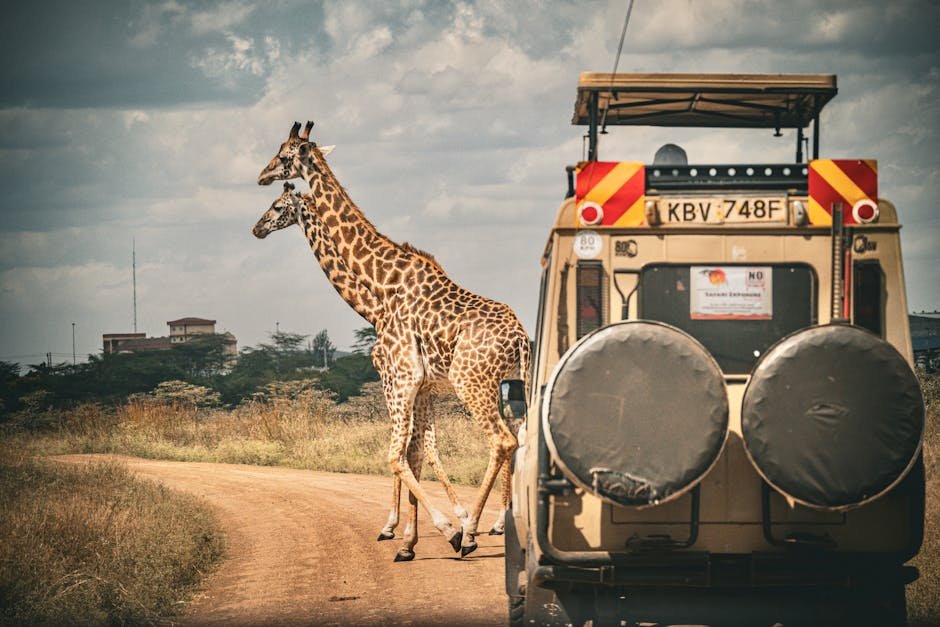
African safari tours offer unforgettable wildlife encounters, breathtaking landscapes, and cultural immersion. If you’re planning an adventure to see the Big Five—lion, leopard, rhinoceros, elephant, and Cape buffalo—several countries stand out as top destinations. Kenya, Tanzania, South Africa, Botswana, and Namibia consistently rank among the best countries to visit in Africa for safari tours due to their abundant wildlife, well-managed parks, and diverse ecosystems. Each offers unique experiences, from the Great Migration in the Serengeti to luxury lodges in the Okavango Delta. This guide highlights the top safari destinations, what to expect, and practical tips to help you choose the right trip.
Why Africa Is the Ultimate Safari Destination
Africa’s vast savannas, dense forests, and riverine ecosystems support some of the world’s most diverse wildlife populations. Unlike zoos or reserves elsewhere, African safaris offer open-range viewing in natural habitats, where animals roam freely across thousands of square kilometers. The continent’s conservation efforts, combined with decades of tourism infrastructure, make it uniquely suited for ethical and immersive wildlife experiences.
From sunrise game drives to walking safaris and night excursions, African safaris cater to a range of interests and comfort levels. Whether you’re a first-time traveler or a seasoned explorer, the continent delivers authentic encounters with nature at its most raw and beautiful.
Top 5 Countries for Safari Tours in Africa
1. Kenya: The Birthplace of the Modern Safari
Kenya is synonymous with classic African safaris. Home to the Maasai Mara National Reserve, it’s one of the few places where you can witness the Great Migration—an annual movement of over 1.5 million wildebeest and zebra. The Mara’s open plains make wildlife spotting easy, especially during the dry season from July to October.
Amboseli National Park offers unparalleled views of Mount Kilimanjaro and large herds of elephants. Meanwhile, Samburu and Laikipia provide opportunities to see rare species like the Grevy’s zebra and Somali ostrich. Kenya’s well-established lodges and tented camps cater to all budgets, from luxury to budget-friendly options.
2. Tanzania: The Land of the Serengeti and Ngorongoro
Tanzania is home to the Serengeti National Park, a UNESCO World Heritage Site and one of the most famous wildlife reserves on Earth. The Serengeti’s endless grasslands host the Great Migration, with predators like lions and cheetahs following the herds. The park’s size ensures fewer crowds and expansive views.
The Ngorongoro Crater, a collapsed volcanic caldera, is a natural amphitheater teeming with wildlife. It’s one of the best places in Africa to see black rhinos. Tarangire and Selous Game Reserve offer quieter, off-the-beaten-path experiences with baobab trees and riverine forests. Tanzania’s combination of iconic parks and rich Maasai culture makes it a favorite among safari enthusiasts.
3. South Africa: Accessibility and Diversity
South Africa stands out for its accessibility, infrastructure, and variety of safari experiences. Kruger National Park is one of the largest game reserves in Africa, offering excellent Big Five sightings and self-drive options. Private reserves like Sabi Sands provide exclusive, high-end lodges with expert guides and night drives.
The country also offers malaria-free safaris in places like Madikwe and the Waterberg. For a coastal twist, combine a safari with a visit to Cape Town or the Garden Route. South Africa’s well-maintained roads, English-speaking guides, and diverse landscapes make it ideal for first-time safari-goers.
4. Botswana: Luxury and Wilderness
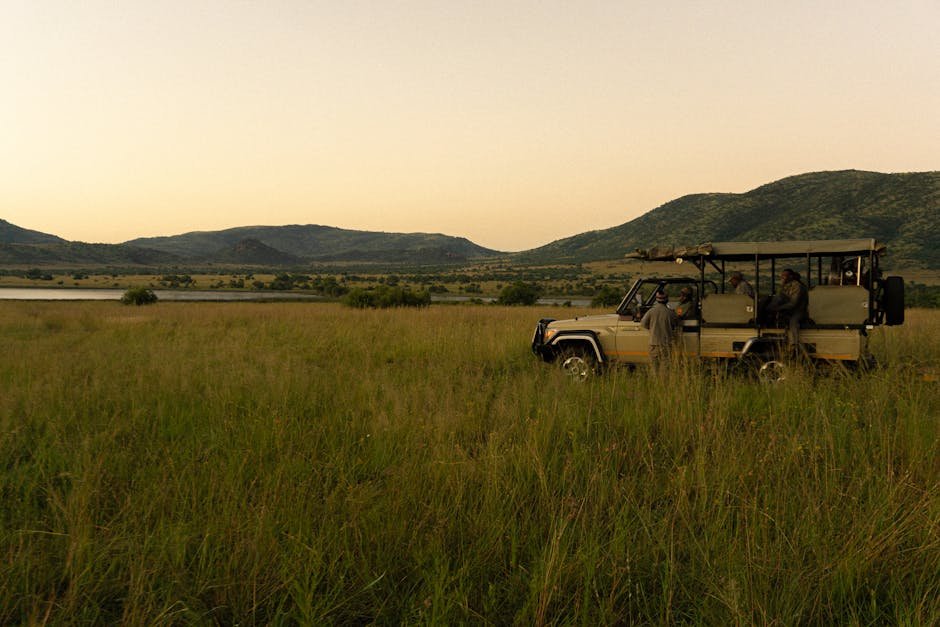
Botswana is known for its pristine wilderness, low-impact tourism, and high-end safari lodges. The Okavango Delta, a UNESCO site, is a labyrinth of waterways, islands, and lagoons that attract elephants, hippos, and rare birds. Mokoro (dugout canoe) rides offer a unique perspective on the delta’s aquatic life.
Chobe National Park boasts the largest elephant population in Africa, while the Central Kalahari Game Reserve offers stark beauty and encounters with desert-adapted species. Botswana’s strict conservation policies limit visitor numbers, ensuring an exclusive and intimate experience. It’s a top choice for travelers seeking luxury and solitude.
5. Namibia: Desert Landscapes and Unique Wildlife
Namibia offers a different kind of safari—one defined by dramatic deserts, red sand dunes, and resilient wildlife. Etosha National Park features a massive salt pan that attracts animals to its waterholes, especially in the dry season. You can often see lions, elephants, and endangered black rhinos from the comfort of your vehicle.
The Skeleton Coast, with its shipwrecks and foggy shores, provides a hauntingly beautiful backdrop. Damaraland and the Namib Desert are home to desert elephants and rare desert-adapted lions. Namibia’s wide-open spaces and clear skies also make it a prime destination for stargazing.
What to Expect on an African Safari Tour
Game Drives and Wildlife Viewing
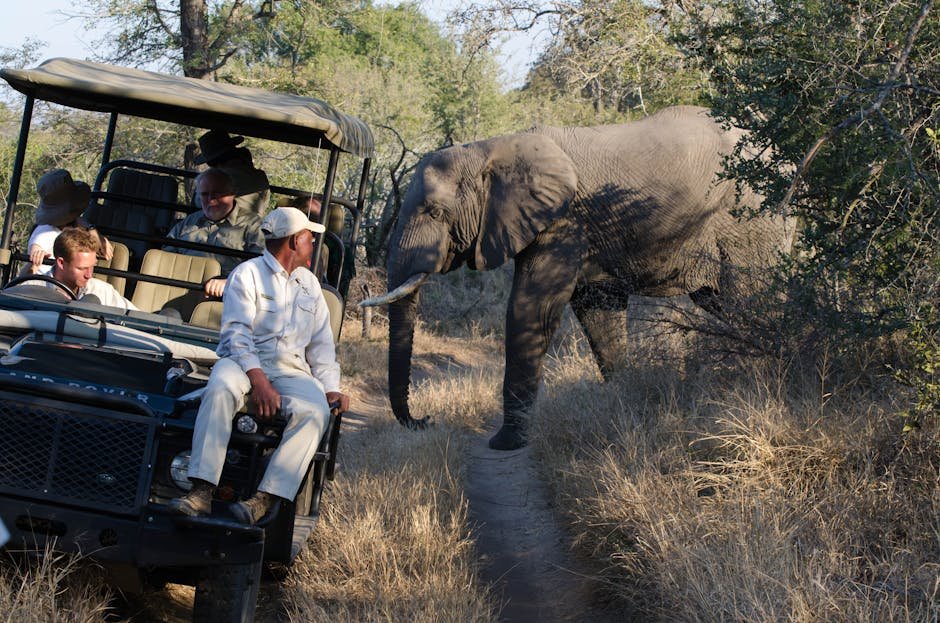
Most safaris begin at dawn with a game drive. Experienced rangers navigate rugged terrain in open-sided vehicles, using their knowledge to locate animals. You’ll typically have two drives per day—early morning and late afternoon—when animals are most active. Night drives, where permitted, offer a chance to see nocturnal species like leopards and bushbabies.
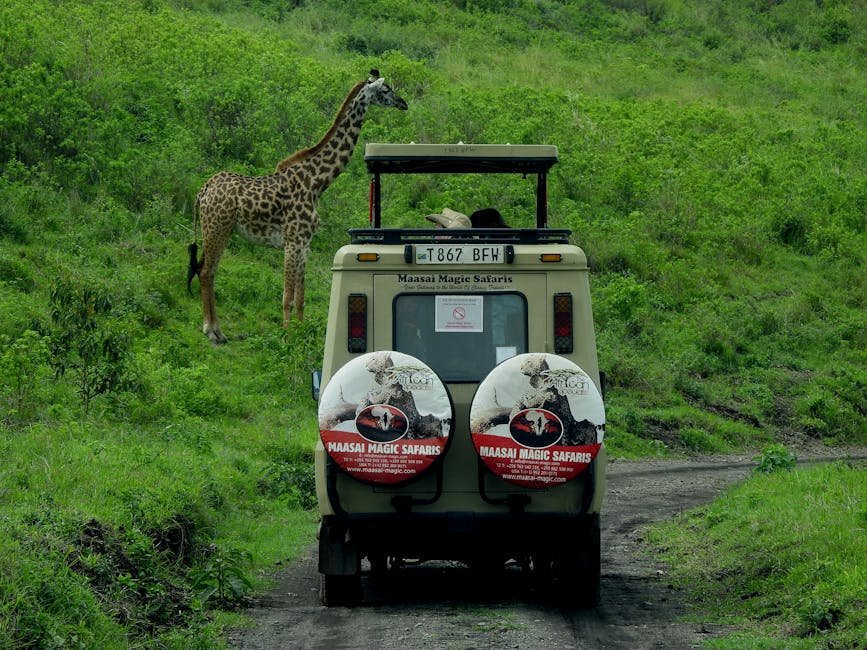
Wildlife sightings depend on season, location, and luck. While the Big Five are a major draw, you’ll also encounter giraffes, zebras, hippos, crocodiles, and hundreds of bird species. Rangers often share insights about animal behavior, tracking, and conservation.
Accommodation Options
Safari lodges range from rustic camps to five-star luxury resorts. Permanent lodges offer comfort with en-suite bathrooms, gourmet meals, and swimming pools. Tented camps provide a more immersive experience, with canvas walls and the sounds of the bush at night. Some camps are mobile, moving with the migration patterns.
Mobile camps are ideal for following the Great Migration, while fixed lodges offer stability and amenities. Always check whether meals, drinks, and park fees are included in the price. Booking in advance is essential, especially during peak seasons.
Cultural Experiences
Many safari itineraries include visits to local communities. In Kenya and Tanzania, you might meet Maasai warriors, learn about traditional beadwork, or participate in a village tour. These interactions support local economies and offer a deeper understanding of African cultures.
Be respectful during cultural visits. Ask permission before taking photos, and avoid giving gifts directly to children. Opt for community-run tours that reinvest in education and healthcare.
When to Go: Best Times for Safari in Africa
The ideal time for a safari depends on your destination and what you want to see. Generally, the dry season (May to October) is best for wildlife viewing. Animals gather around water sources, making them easier to spot. Vegetation is thinner, improving visibility.
The Great Migration peaks in the Maasai Mara from July to October and in the Serengeti from December to March. If you want to avoid crowds, consider shoulder seasons like April or November. Wet seasons offer lush landscapes and fewer tourists, but some roads may be impassable.
Always check regional weather patterns. For example, Botswana’s Okavango Delta floods in the dry season, creating a water-based safari. In Namibia, summer temperatures can exceed 40°C (104°F), so early morning and evening activities are recommended.
Practical Tips for Planning Your Safari
1. Choose the Right Country and Park
Match your safari destination to your interests. If you want the Great Migration, prioritize Kenya or Tanzania. For luxury and exclusivity, consider Botswana. South Africa is great for families and first-timers. Research each park’s specialties—some are better for predators, others for birdwatching or rhino sightings.
Compare park entry fees, travel times between reserves, and accessibility. Some parks require light aircraft transfers, while others are reachable by road. Factor in travel time when planning your itinerary.
2. Book Through a Reputable Tour Operator
Working with a licensed safari operator ensures safety, quality guides, and ethical practices. Look for companies with strong reviews, transparent pricing, and partnerships with conservation groups. Avoid unlicensed guides who may not follow park regulations.
Ask about the guide-to-guest ratio, vehicle type, and emergency protocols. A good operator will customize your trip based on your interests, budget, and physical ability.
3. Pack Smart and Prepare for the Climate
Pack neutral-colored clothing—khaki, beige, and green blend in with the environment. Avoid bright colors and white, which can disturb animals. Bring layers for early mornings and evenings, as temperatures can drop significantly.
Essential items include a wide-brimmed hat, sunglasses, sunscreen, insect repellent, binoculars, and a quality camera with extra batteries. Most lodges provide towels and toiletries, but confirm in advance. Don’t forget any required medications and a basic first-aid kit.
4. Understand Health and Safety Considerations
Check vaccination requirements before traveling. Yellow fever vaccination is mandatory for entry into some countries. Malaria prophylaxis is recommended for most safari destinations, especially during the rainy season. Consult a travel clinic at least 4–6 weeks before departure.
Stay hydrated and avoid drinking tap water. Use bottled or filtered water for drinking and brushing teeth. Follow your guide’s instructions during game drives—never exit the vehicle unless in a designated safe area.
Ethical and Sustainable Safari Practices
Responsible tourism supports conservation and local communities. Choose operators that contribute to anti-poaching efforts, wildlife research, and community development. Avoid attractions that exploit animals, such as elephant rides or petting zoos.
Minimize your environmental impact by avoiding single-use plastics, staying on designated paths, and not feeding wildlife. Support local artisans by purchasing souvenirs directly from community cooperatives.
Your safari can make a positive difference. By traveling responsibly, you help protect Africa’s natural heritage for future generations.
Comparing Safari Destinations: A Quick Overview
| Country | Best For | Highlights | Best Time to Visit |
|---|---|---|---|
| Kenya | Great Migration, cultural experiences | Maasai Mara, Amboseli, Samburu | July–October |
| Tanzania | Iconic parks, Ngorongoro Crater | Serengeti, Ngorongoro, Tarangire | June–October |
| South Africa | Accessibility, Big Five, self-drive | Kruger, Sabi Sands, Madikwe | May–September |
| Botswana | Luxury, Okavango Delta, exclusivity | Okavango, Chobe, Kalahari | May–October |
| Namibia | Desert landscapes, unique wildlife | Etosha, Skeleton Coast, Damaraland | May–October |
FAQ
What is the best country in Africa for a first-time safari?
South Africa is ideal for first-timers due to its excellent infrastructure, English-speaking guides, and malaria-free options. Kruger National Park offers reliable Big Five sightings and self-drive possibilities.
How much does an African safari tour typically cost?
Costs vary widely. Budget safaris start around $150 per day, while luxury lodges can exceed $1,000 per night. Mid-range tours average $300–$600 per day, including lodging, meals, and game drives.
Is it safe to go on safari in Africa?
Yes, safaris are generally safe when conducted with reputable operators. Follow your guide’s instructions, stay in the vehicle during drives, and take health precautions like malaria prevention and vaccinations.