

Top Hiking Trails in Australia for Nature Lovers Guide
Top Hiking Trails in Australia for Nature Lovers Guide
Australia is a hiker’s paradise, offering diverse landscapes—from coastal cliffs and ancient rainforests to rugged mountain ranges and arid deserts. Whether you’re after a short day walk or a multi-day trek, the country’s top hiking trails deliver unforgettable encounters with native wildlife, dramatic scenery, and cultural heritage. This guide highlights the best hiking trails in Australia for nature lovers, with detailed insights on difficulty, highlights, and practical tips to help you plan your next adventure.
Why Australia Is a Hiking Destination Like No Other
Australia’s vast size and varied ecosystems make it one of the world’s most rewarding destinations for outdoor enthusiasts. From the tropical north to the temperate south, each region offers unique terrain and natural wonders. The country’s national parks and protected areas are well-maintained, often featuring marked trails, informative signage, and visitor facilities.
Unlike many popular hiking destinations, Australia’s trails often include opportunities to spot endemic species like kangaroos, koalas, and wombats in their natural habitats. Indigenous cultural sites, such as rock art and ceremonial grounds, add depth to the experience, connecting hikers to tens of thousands of years of human history.
Top Hiking Trails in Australia for Nature Lovers
1. Overland Track, Tasmania
Spanning 65 kilometers through the heart of Cradle Mountain-Lake St Clair National Park, the Overland Track is Australia’s most famous multi-day hike. The trail typically takes six days to complete and traverses alpine plateaus, glacial lakes, and temperate rainforests.
Hikers pass iconic landmarks like Cradle Mountain, Barn Bluff, and Lake St Clair—the deepest natural lake in Australia. Wildlife sightings are common, including wombats, echidnas, and the elusive Tasmanian devil. A permit system is in place to protect the environment, so advance booking is essential.
2. Larapinta Trail, Northern Territory
Stretching 223 kilometers along the West MacDonnell Ranges near Alice Springs, the Larapinta Trail offers a true outback experience. The trail is divided into 12 sections, allowing hikers to tackle it in stages or complete the full route over several weeks.
Highlights include the dramatic cliffs of Mount Sonder, the ochre-colored ridges of Serpentine Gorge, and the ancient rock formations of Ochre Pits. The trail is remote, with limited water sources, so self-sufficiency is crucial. Best hiked between April and September to avoid extreme heat.
3. Great Ocean Walk, Victoria
This 104-kilometer coastal trail runs from Apollo Bay to Glenample Homestead, paralleling the famous Great Ocean Road. The walk features dramatic sea stacks, secluded beaches, and lush eucalyptus forests.
Sections like the walk to the Twelve Apostles and the Gibson Steps offer iconic photo opportunities. Accommodations range from campgrounds to eco-lodges, making it accessible for both backpackers and casual hikers. The trail is well-marked and suitable for all fitness levels when tackled in shorter segments.
4. Freycinet Peninsula Circuit, Tasmania
Located in Freycinet National Park on Tasmania’s east coast, this 20-kilometer circuit takes hikers through pink granite peaks, white-sand beaches, and clear turquoise waters. The full loop can be completed in two days, with an overnight stay at Friendly Beaches or Wineglass Bay Hut.
The summit of Mount Amos rewards hikers with panoramic views of Wineglass Bay and the surrounding coastline. Birdwatchers will enjoy spotting white-bellied sea eagles and peregrine falcons. The trail is moderately challenging, with some steep ascents and rocky terrain.
5. Thorsborne Trail, Hinchinbrook Island, Queensland
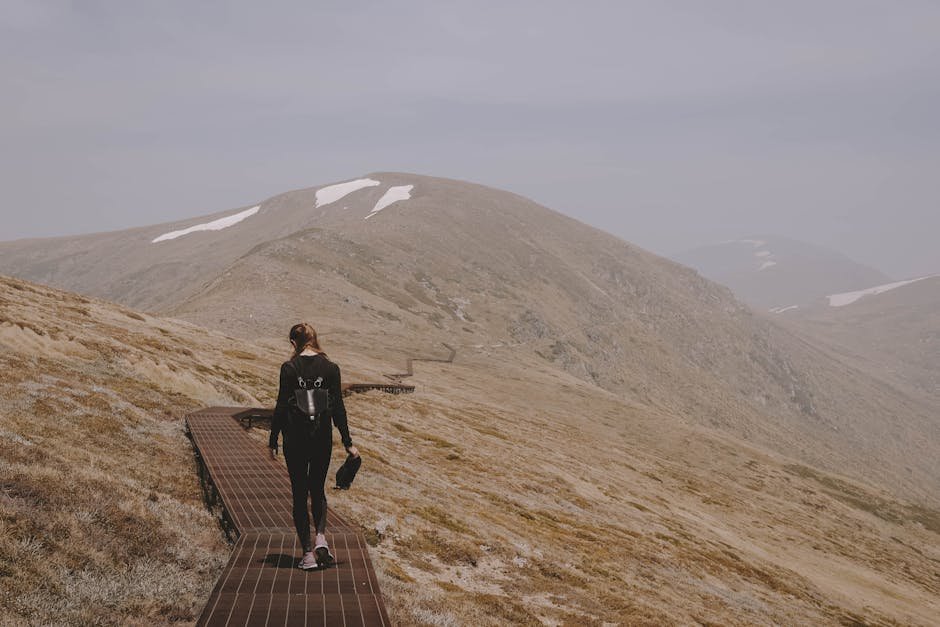
One of Australia’s most remote and pristine hikes, the Thorsborne Trail runs 32 kilometers along the eastern coast of Hinchinbrook Island, accessible only by boat or seaplane. The trail traverses dense rainforest, mangrove systems, and secluded beaches.
Hikers may encounter saltwater crocodiles, so caution near waterways is essential. The island has no facilities—everything must be carried in and out. Permits are required and limited to protect the fragile ecosystem. Best attempted during the dry season from April to October.
6. Three Capes Track, Tasmania
Opened in 2015, this 46-kilometer trail on the Tasman Peninsula combines coastal cliffs, sea caves, and native bushland. The four-day hike includes stays in eco-friendly huts with stunning ocean views.
Highlights include the towering cliffs of Cape Pillar and Cape Hauy, both rising over 300 meters above the Southern Ocean. The track is fully guided or self-guided with prior booking. It’s a premium experience with a focus on sustainability and minimal environmental impact.
7. Grampians Peaks Trail, Victoria
This 100-kilometer trail in the Grampians National Park links the park’s major peaks and cultural sites. The trail is divided into 13 stages, each offering unique scenery—from sandstone escarpments to wildflower meadows in spring.
Hikers can explore ancient Aboriginal rock art at sites like Gulgurn Manja and Ngamadjidj shelters. The trail is suitable for experienced hikers due to steep climbs and variable weather. Overnight stays are available at designated campsites and huts.
8. Cape to Cape Track, Western Australia
Running 135 kilometers from Cape Naturaliste to Cape Leeuwin in the Margaret River region, this trail showcases the best of southwestern Australia’s coastline. The route passes through national parks, vineyards, and coastal heathland.
The track is well-signposted and can be walked in sections over several days. Highlights include the limestone caves of Mammoth Cave and the historic Cape Leeuwin Lighthouse. The area is also known for whale watching between June and November.
9. Blue Mountains Grand Circuit, New South Wales
Located just two hours from Sydney, the Blue Mountains offer accessible yet rugged hiking experiences. The Grand Circuit is a 13-kilometer loop that includes the Three Sisters, Echo Point, and the Giant Stairway.
The trail descends into the Jamison Valley via 900 steps, offering close-up views of waterfalls and eucalyptus forests. It’s a popular day hike, so starting early helps avoid crowds. The area is rich in Aboriginal history and features interpretive signage along the way.
10. Karijini National Park Gorges, Western Australia
While not a single continuous trail, the network of gorges in Karijini National Park offers some of Australia’s most dramatic hiking. Trails like Dales Gorge, Weano Gorge, and Hancock Gorge lead to natural swimming holes and waterfalls.
The hike to Fern Pool in Weano Gorge involves rock scrambling and creek crossings—appropriate for fit hikers. Summer temperatures can exceed 40°C, so the cooler months from April to September are recommended. Always check water levels, as flash floods can occur.
How to Choose the Right Trail for You
With so many options, selecting the right hiking trail depends on your fitness level, time availability, and interests. Beginners may prefer shorter, well-marked trails like the Great Ocean Walk or Blue Mountains Grand Circuit. These offer scenic rewards without demanding technical skills.
For experienced hikers seeking a challenge, remote trails like the Larapinta or Thorsborne offer solitude and rugged terrain. Multi-day hikes such as the Overland Track or Three Capes Track require planning for food, shelter, and weather conditions.
Consider the season: Tasmania’s trails are best from November to April, while northern and central Australia are more suitable from May to September. Always check park websites for trail closures, fire bans, and permit requirements before you go.
Essential Tips for Safe and Responsible Hiking
Safety should always be a priority when hiking in Australia’s often remote and variable environments. Carry enough water—dehydration is a real risk, especially in inland and desert regions. A minimum of 3 liters per person per day is recommended on longer hikes.
Wear sun-protective clothing, including a wide-brimmed hat and high-SPF sunscreen. The Australian sun is intense, and UV levels can be extreme even on cloudy days. Insect repellent is also essential, particularly in tropical areas where mosquitoes carry diseases like Ross River virus.
Inform someone of your hiking plans, including your route and expected return time. Mobile phone coverage is limited or nonexistent on many trails, so a personal locator beacon (PLB) is advisable for remote hikes. Stick to marked trails to protect fragile ecosystems and avoid getting lost.
What to Pack for an Australian Hike
Your packing list will vary depending on the trail, but some essentials apply across the board. A lightweight, waterproof jacket is crucial—weather can change quickly, especially in alpine and coastal areas. Sturdy hiking boots with good ankle support are a must for uneven terrain.
Pack high-energy snacks like nuts, dried fruit, and protein bars. For multi-day hikes, consider dehydrated meals or ready-to-eat options. A first-aid kit, map, compass, and headlamp are non-negotiable. Even on day hikes, it’s wise to carry a basic survival kit.
If camping, ensure your tent is rated for local conditions. In Tasmania and the mountains, nights can be cold even in summer. A sleeping bag rated to at least 0°C is recommended. Always follow Leave No Trace principles—pack out all trash, including food scraps.
Respecting Nature and Indigenous Culture
Many of Australia’s hiking trails pass through lands traditionally owned by Aboriginal peoples. These areas often contain sacred sites and rock art that must be respected. Do not touch or remove any cultural artifacts, and stay on designated paths to avoid damaging sensitive sites.
Some parks require permits that include cultural education components. Take the time to learn about the local Indigenous history—many trails now feature interpretive signs or guided tours led by Traditional Owners. Supporting Indigenous-run tourism operators is a meaningful way to give back.
Wildlife should be observed from a distance. Feeding animals disrupts natural behaviors and can be dangerous. In areas with crocodiles or venomous snakes, follow all safety warnings and signage. Remember, you are a visitor in their habitat.
Best Time of Year to Hike in Australia
Australia’s climate varies significantly by region, so timing your hike correctly is key to a safe and enjoyable experience. In the south, including Tasmania and Victoria, the best hiking months are from October to April, when temperatures are mild and rainfall is lower.
In central and northern Australia, including the Northern Territory and Queensland, the cooler, dry months from May to September are ideal. Summer brings extreme heat and the risk of cyclones in the tropics. Always check seasonal fire risks—bushfires can close trails with little notice.
Spring (September to November) is particularly beautiful in the Grampians and Blue Mountains, when wildflowers bloom. Autumn (March to May) offers stable weather and fewer crowds on popular trails like the Great Ocean Walk.
Accessibility and Inclusivity on the Trails
While many of Australia’s top hiking trails are rugged and remote, efforts are being made to improve accessibility. Some national parks now offer all-ability walking paths, such as the wheelchair-accessible boardwalks at Cape Byron or the Royal National Park near Sydney.
Guided tours and adaptive hiking programs are available for people with disabilities or limited mobility. These programs often use specialized equipment and trained guides to ensure a safe experience. Always contact park authorities in advance to inquire about accessibility options.
Families with children can enjoy shorter, easier trails like the Great Ocean Walk’s 5-kilometer section from Apollo Bay to Marengo. Many parks also offer junior ranger programs to engage kids in nature learning.
Photography Tips for Nature Lovers
Australia’s diverse landscapes offer endless opportunities for photography. Early morning and late afternoon provide the best light for capturing mountains, coastlines, and wildlife. Use a polarizing filter to reduce glare on water and enhance sky contrast.
When photographing wildlife, use a telephoto lens to maintain a safe distance. Avoid using flash, as it can startle animals. For landscapes, a wide-angle lens helps capture the scale of gorges and coastlines. Always prioritize safety over the perfect shot—never approach dangerous animals or unstable edges.
Consider bringing a lightweight tripod for long exposures, especially at waterfalls or during sunrise. Many hikers also use smartphone photography apps with manual settings for greater control. Remember to respect privacy and cultural sites—some areas prohibit photography altogether.
Environmental Impact and Sustainable Hiking
As hiking grows in popularity, protecting Australia’s natural environments becomes more critical. Stick to established trails to prevent soil erosion and damage to native plants. Avoid picking flowers or disturbing wildlife—what seems harmless can disrupt ecosystems.
Use biodegradable soap and wash at least 100 meters away from water sources. Human waste should be buried in a cathole 15–20 cm deep and at least 60 meters from water, trails, and campsites. Pack out all trash, including toilet paper and hygiene products.
Support conservation efforts by paying park entrance fees and donating to organizations like the Australian Conservation Foundation or local park friends groups. Volunteering for trail maintenance days is another way to give back.
FAQ
What is the best time of year to hike the Overland Track in Tasmania?
The best time is from November to April, during the Tasmanian summer. The weather is milder, and the days are longer. Permits are required and must be booked well in advance through the Parks & Wildlife Service.
Do I need a permit to hike the Larapinta Trail?
Yes, a permit is required for all hikers on the Larapinta Trail, especially for overnight trips. Permits help manage visitor numbers and protect the fragile desert environment. Book through the Northern Territory Parks website.
Are dogs allowed on Australian hiking trails?
In most national parks, dogs are not permitted on hiking trails to protect wildlife and prevent disturbance to native animals. Some state forests and coastal paths may allow dogs on-leash, but always check local regulations before bringing a pet.