

Carry-On Packing Tips for Travel
How to Pack Light with Carry-On Only
Traveling with just a carry-on bag saves time, money, and stress. You skip checked baggage fees, avoid lost luggage, and breeze through airports. But making the most of limited space requires smart packing. This guide delivers practical, proven strategies to help you pack efficiently, stay organized, and travel light—whether you’re heading out for a weekend or a two-week trip.
We’ll cover how to choose the right bag, what to bring (and leave behind), clothing selection, packing techniques, and essential gear. You’ll also learn how to maximize space, comply with airline rules, and stay prepared for unexpected changes. By the end, you’ll have a clear system to pack smarter, not harder.
Why Choose Carry-On Only Travel?
Carry-on only travel isn’t just a trend—it’s a practical choice for modern travelers. Airlines charge up to $50 each way for checked bags, and lost luggage remains a real risk. In 2023, over 3 million bags were mishandled globally, according to SITA’s Baggage IT Insights report.
Traveling light means faster boarding, easier mobility, and less physical strain. You can navigate crowded terminals, stairs, and public transit without dragging a heavy suitcase. Plus, you’re ready to go as soon as you land—no waiting at baggage claim.
Cost Savings
Skipping checked bags saves money on every flight. Over a year of frequent travel, those fees add up quickly. Even budget airlines like Spirit and Frontier charge $35–$50 for first checked bags.
You also reduce the risk of paying overweight fees. Carry-on bags are typically lighter and easier to manage within weight limits.
Time Efficiency
You spend less time at the airport. No need to check in bags or wait at the carousel. This is especially valuable for short trips or tight connections.
Many travelers report saving 20–30 minutes per flight by going carry-on only. That time adds up on multi-leg journeys.
Peace of Mind
Your belongings stay with you. There’s no risk of bags being lost, delayed, or damaged in transit. This is crucial for trips where you can’t afford to replace essentials.
You also avoid the hassle of tracking down misplaced luggage or filing claims. Your trip starts smoothly from the moment you land.
Choosing the Right Carry-On Bag
The foundation of carry-on success is the right bag. Not all carry-ons are created equal. Airlines have strict size and weight limits, and enforcement varies.
Most U.S. airlines allow carry-ons up to 22 x 14 x 9 inches, including wheels and handles. International carriers may be more restrictive. Always check your airline’s policy before booking.
Hard Shell vs. Soft Shell
Hard-shell suitcases offer better protection for fragile items and resist crushing. They’re ideal for electronics or souvenirs. But they’re heavier and less flexible.
Soft-shell bags are lighter and more compressible. They can squeeze into overhead bins more easily and often have external pockets for quick access. Many travelers prefer them for their flexibility.
Wheels and Handles
Four-wheel spinners offer 360-degree maneuverability and are easier to navigate in tight spaces. Two-wheel rollers are more durable and better on uneven surfaces.
Telescoping handles should lock securely and feel sturdy. Test the grip and extension before buying. A wobbly handle can make travel frustrating.
Weight Matters
An empty carry-on should weigh under 7 pounds. Heavy bags eat into your packing allowance. Look for lightweight materials like polycarbonate or ballistic nylon.
Some premium bags weigh as little as 5 pounds. That leaves more room for your clothes and essentials.
What to Pack: Essentials Only
Packing light starts with knowing what to bring. Focus on versatility, necessity, and multi-use items. Avoid “just in case” thinking—it leads to overpacking.
Make a packing list tailored to your destination, climate, and activities. Stick to it. Every item should earn its place.
Clothing: Less Is More
Pack clothes that mix and match. A neutral color palette—black, gray, navy, white—lets you create multiple outfits from a few pieces.
Choose wrinkle-resistant fabrics like merino wool, polyester blends, or performance materials. They look good straight out of the bag.
Limit yourself to 5–7 tops, 3–4 bottoms, and 1–2 dresses or suits. Add one lightweight jacket or sweater. Roll or fold to save space.
Shoes: The Space Hog
Shoes take up disproportionate space. Limit to two pairs: one for walking and one for dress or formal occasions.
Wear your bulkiest shoes on the plane. Pack lighter shoes in your bag. Use shoe bags or shower caps to protect clothes from dirt.
Consider collapsible or foldable shoes for extra flexibility. Brands like Rothy’s and Allbirds offer stylish, packable options.
Toiletries: TSA Rules Apply
Liquids must be in containers of 3.4 ounces (100ml) or less and fit in a single quart-sized clear bag. This includes shampoo, toothpaste, and moisturizer.
Buy travel-sized versions or transfer products into reusable bottles. Solid toiletries—like shampoo bars and toothpaste tablets—avoid liquid restrictions entirely.
Pack only what you’ll use. Many hotels provide basics. You can also buy essentials at your destination.
Electronics: Bring Only What You Need
Limit devices to essentials: phone, charger, and one other item (laptop, e-reader, or camera). Leave gaming consoles and extra gadgets at home.
Use a compact power bank for on-the-go charging. Choose one with at least 10,000mAh capacity. Keep it in your carry-on—never in checked luggage.
Pack cables in a small pouch. Label them to avoid confusion. A universal adapter is useful for international travel.
Packing Techniques That Save Space
How you pack matters as much as what you pack. Smart techniques maximize space and reduce wrinkles.
Use every inch wisely. Organize by category and compress where possible. These methods work for any bag size.
Roll, Don’t Fold
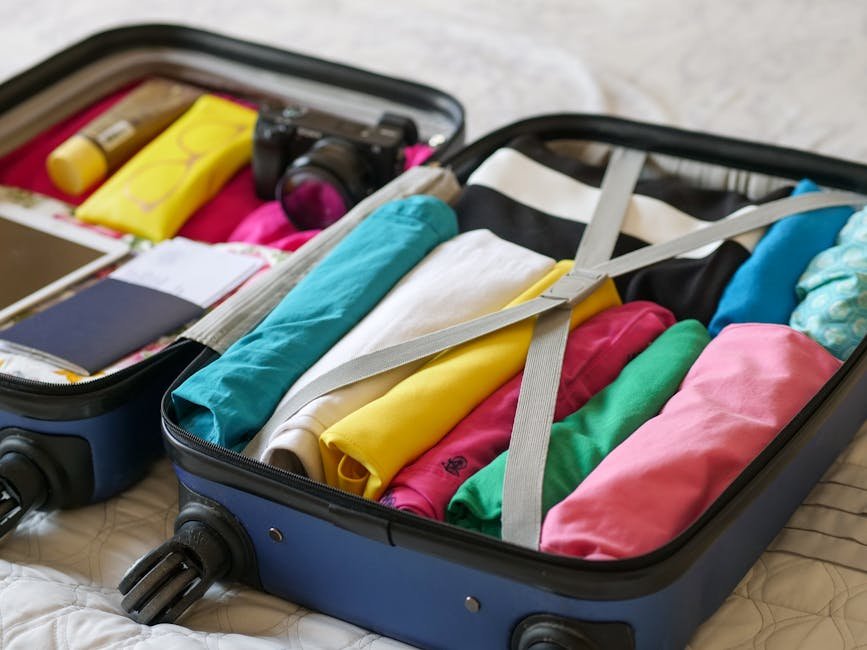
Rolling clothes saves space and minimizes wrinkles. It’s especially effective for t-shirts, jeans, and casual wear.
Roll tightly and stack vertically in your bag. This creates a neat, accessible layout. You can see everything at a glance.
For dress shirts or blouses, use the bundle wrap method. Lay the item flat, fold sides inward, then roll from the bottom. This protects fabric and reduces creasing.
Use Packing Cubes
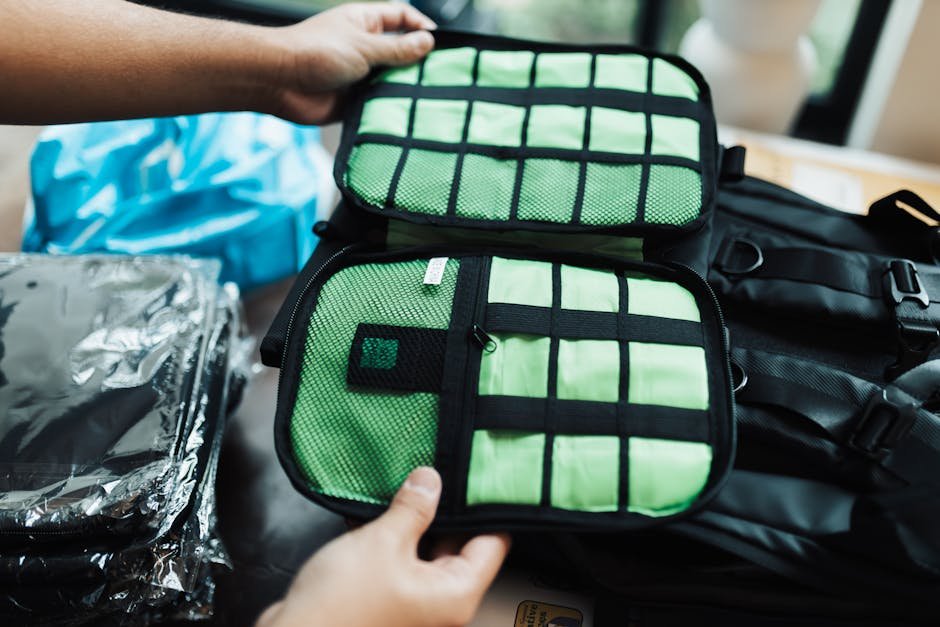
Packing cubes compress clothes and keep items organized. They separate categories—underwear, tops, sleepwear—so you can find things quickly.
Choose cubes with mesh tops for visibility. Compression cubes squeeze out air, freeing up 20–30% more space.
Pack heavier items at the bottom, lighter ones on top. This keeps your bag balanced and prevents shifting during travel.
Fill Empty Spaces
Stuff socks, underwear, or small items inside shoes. Use the hollow space efficiently.
Place delicate items between soft layers. A rolled sweater can cushion a camera or sunglasses.
Use the lid or top compartment for flat items like belts, scarves, or electronics. These areas are often underused.
Wear Your Bulkiest Items
Wear your heaviest shoes, jacket, and jeans on travel days. This frees up space and reduces weight in your bag.
Layer clothing to stay comfortable during temperature changes. A light jacket over a long-sleeve shirt works well on planes.
Choose wrinkle-resistant fabrics for travel outfits. You’ll look presentable upon arrival.
Staying Organized On the Go
Organization doesn’t end when you zip your bag. Keep things tidy during your trip to avoid chaos.
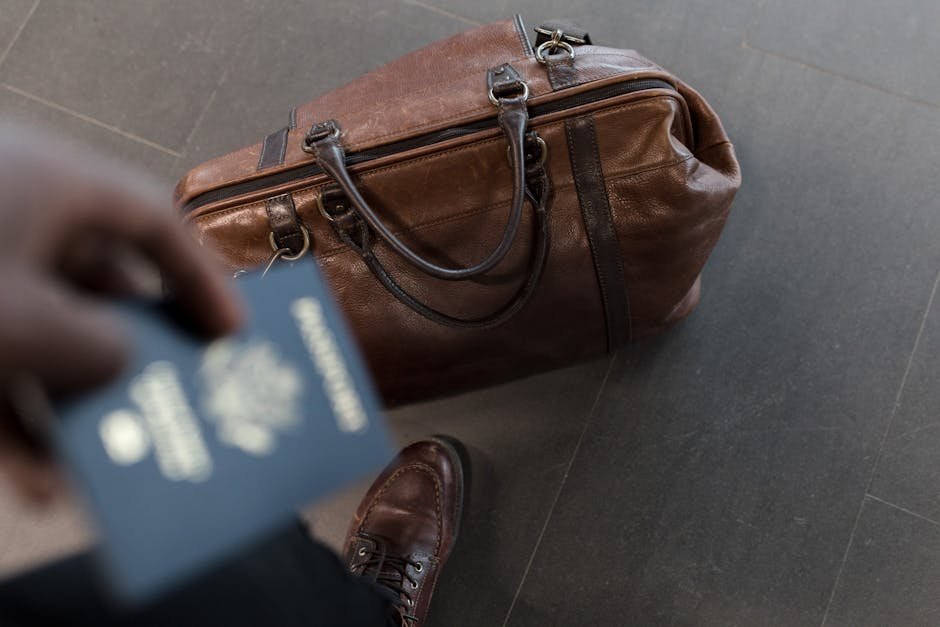
Use small pouches for daily essentials: passport, tickets, wallet, and phone. Keep them in an easy-to-reach pocket.
Daily Essentials Pouch
Pack a small bag with items you’ll need during the flight: headphones, snacks, lip balm, and a neck pillow.
Keep medications in your carry-on. Never pack them in checked luggage. Include a basic first-aid kit with band-aids and pain relievers.
Store important documents in a waterproof sleeve. Make digital copies and store them in cloud storage.
Laundry Strategy
Plan to do laundry during longer trips. Pack a small sink stopper and travel detergent. Hand-wash items in the hotel sink.
Hang clothes to dry overnight. Use shower rods, hangers, or towel racks. Most fabrics dry in 6–8 hours.
For short trips, wear clothes more than once. Air them out between uses. Pack odor-resistant fabrics to extend wear.
Airline Rules and Security Tips
Know the rules before you fly. Policies vary by airline and country. Ignorance isn’t an excuse at the gate.
U.S. airlines typically allow one carry-on and one personal item (purse, laptop bag). The personal item must fit under the seat.
Size and Weight Limits
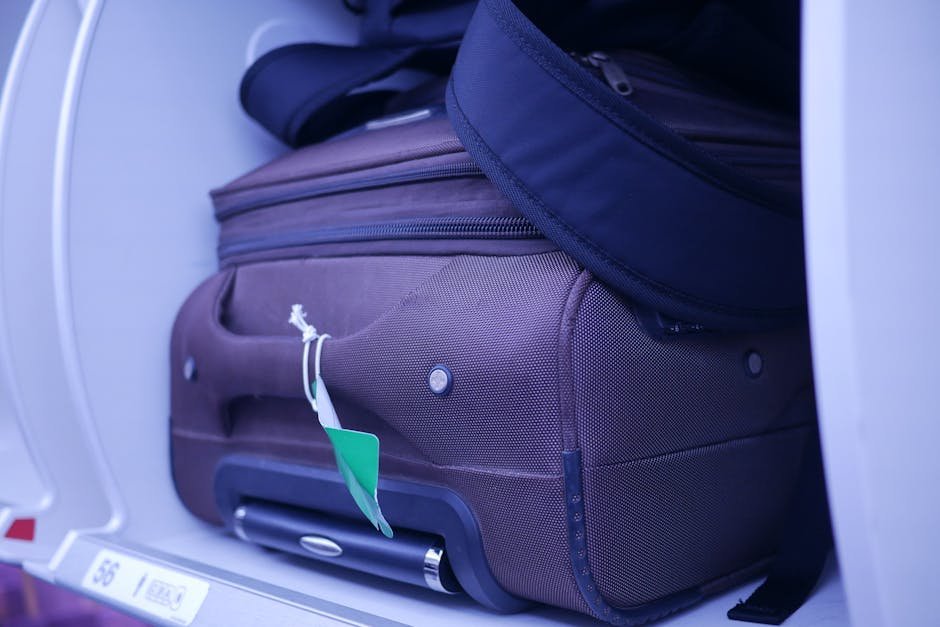
Measure your bag before travel. Some airlines use sizers at the gate. If your bag doesn’t fit, you’ll pay to check it.
Weight limits are less common for carry-ons but exist on some international flights. Budget carriers like Ryanair enforce strict weight checks.
Weigh your packed bag at home. Use a bathroom scale. Aim to stay under 15 pounds for comfort and compliance.
Liquids and Prohibited Items
Follow the 3-1-1 rule: 3.4 oz containers, 1 quart bag, 1 bag per passenger. Place the bag in a bin during security screening.
Avoid sharp objects, lighters, and flammable materials. Check TSA’s website for the latest prohibited items list.
Medications and baby formula are exempt from liquid limits but may require additional screening.
Security Screening
Remove laptops and liquids from your bag before screening. Place them in separate bins.
Wear slip-on shoes and avoid excessive metal (belts, jewelry) to speed up the process. Keep your boarding pass and ID accessible.
Stay calm and polite with TSA agents. They’re more likely to help if you’re cooperative.
What to Leave Behind
Some items aren’t worth the space. Leave non-essentials at home to lighten your load.
Avoid packing full-size toiletries, multiple pairs of shoes, or “just in case” electronics. You can buy most things at your destination.
Common Overpacking Mistakes
Bringing too many outfits. You likely won’t wear half of them. Stick to a capsule wardrobe.
Packing formal wear for unlikely events. Unless you’re attending a wedding or business meeting, leave the suit at home.
Carrying books or heavy guides. Use your phone or e-reader instead. Download maps and guides ahead of time.
Items You Can Buy There
Toiletries, sunscreen, and basic medications are widely available. Save space by purchasing them locally.
Travel adapters, umbrellas, and snacks can be bought at airports or hotels. Don’t carry them across the globe.
Laundry detergent is often provided or sold nearby. No need to pack a full bottle.
Final Checklist Before You Fly
Run through this list the night before departure. It ensures you don’t forget essentials or violate airline rules.
- Confirm flight time and gate
- Check carry-on size and weight
- Pack liquids in a quart-sized bag
- Charge all devices and pack chargers
- Print or save digital boarding passes
- Set alarms and allow extra time for security
Double-check your packing list. Remove anything that doesn’t serve a clear purpose. Less is always more.
FAQ
Can I bring a backpack as a carry-on?
Yes, as long as it fits within your airline’s size limits. Most backpacks under 22 x 14 x 9 inches are acceptable. Choose one with a laptop sleeve and compression straps for better organization.
What if my bag is slightly over the size limit?
Gate agents may still allow it if it fits in the overhead bin. But there’s no guarantee. To avoid issues, measure your bag and test it in a sizer before flying.
How do I pack liquids without spilling?
Use leak-proof containers and pack them in a sealed plastic bag. Wrap bottles in clothing for extra cushioning. Solid toiletries are a spill-free alternative.