

How to Choose the Best Travel Insurance
Complete Guide to Travel Insurance for Travelers
Choosing the best travel insurance doesn’t have to be overwhelming. With so many options available, it’s easy to feel confused about what coverage you actually need. This guide walks you through the essential factors to consider—coverage types, cost, exclusions, and timing—so you can make a confident, informed decision before your next trip.
Travel insurance protects you from unexpected costs like medical emergencies, trip cancellations, lost luggage, and travel delays. Without it, a single incident could turn a dream vacation into a financial nightmare. The right policy gives you peace of mind and real support when things go wrong.
Why Travel Insurance Matters
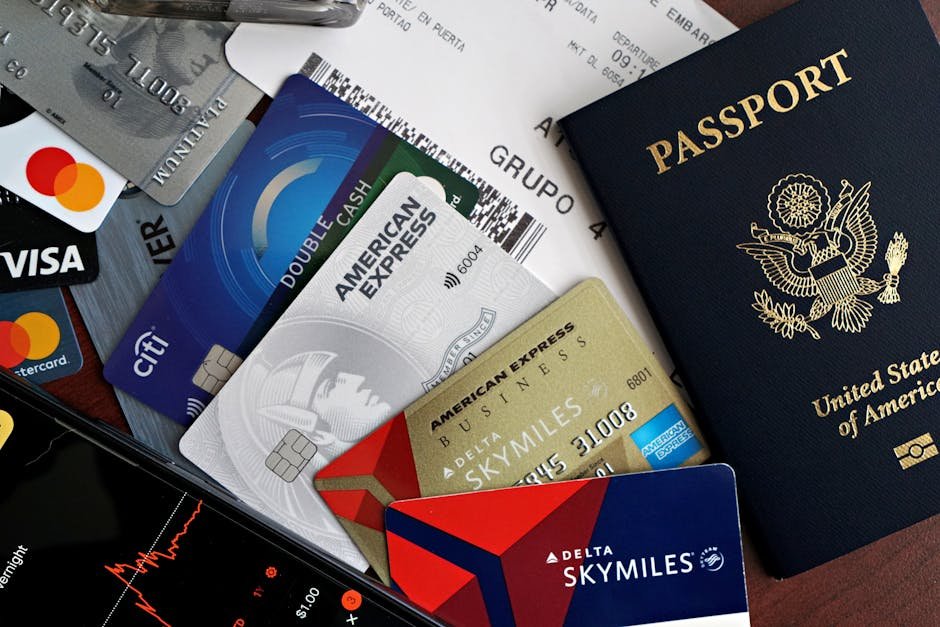
Many travelers assume their health insurance or credit card benefits will cover them abroad. In most cases, they won’t. Standard health plans often exclude international care, and credit card travel perks are usually limited and conditional.
Consider this: a broken leg in Thailand could cost over $20,000 in medical bills. A canceled flight due to a family emergency might mean losing hundreds on non-refundable hotels. Travel insurance helps absorb these shocks, so you’re not left paying out of pocket.
Types of Travel Insurance Coverage
Not all policies are created equal. Understanding the different types of coverage helps you choose what fits your trip and risk tolerance.
Medical Coverage
This is the most critical component for international travelers. It covers emergency medical treatment, hospital stays, and sometimes medical evacuation. Look for a minimum of $100,000 in coverage—more if you’re traveling to remote areas or countries with high healthcare costs.
Example: A traveler in Spain needed emergency surgery after a scooter accident. Their $150,000 medical policy covered the $68,000 hospital bill and arranged a medical flight home.
Trip Cancellation and Interruption
This reimburses non-refundable expenses if you must cancel or cut short your trip due to covered reasons—like illness, severe weather, or a death in the family. Most policies cover 100% of prepaid, non-refundable costs up to the policy limit.
Tip: Buy this coverage soon after booking your trip. Many policies require purchase within 10–21 days of your initial deposit to qualify for “cancel for any reason” upgrades.
Baggage and Personal Belongings
If your luggage is lost, stolen, or delayed, this coverage helps replace essentials. Most policies offer $500–$2,500 for lost items and $100–$300 for delayed bags (usually after 12+ hours).
Warning: High-value items like cameras, jewelry, or electronics may have sub-limits. Check the fine print and consider separate coverage for expensive gear.
Travel Delay
If your flight is delayed by weather, mechanical issues, or strikes, this coverage reimburses meals, lodging, and transportation. Look for policies that kick in after 6–12 hours and offer at least $200 per day.
Real case: A family stranded in Frankfurt for two days due to a snowstorm received $800 for hotel and food costs under their travel delay benefit.
Emergency Evacuation and Repatriation
This covers the cost of transporting you to the nearest adequate medical facility or back home if you’re seriously ill or injured. Evacuation can cost $50,000–$200,000, especially from remote locations.
Note: This is often bundled with medical coverage but worth confirming. Adventure travelers or those visiting rural areas should prioritize this.
Key Factors to Compare When Choosing a Policy

With so many providers and plans, how do you pick the right one? Focus on these five factors to narrow your options.
Coverage Limits and Deductibles
Higher coverage limits mean better protection, but they also increase premiums. Balance your budget with realistic risk. For example, a $1 million medical limit may be overkill for a weekend in Canada but essential for a month in Southeast Asia.
Deductibles work like car insurance: you pay the first $100 or $250 of a claim. Lower deductibles mean higher premiums, so choose based on your comfort with out-of-pocket costs.
Pre-Existing Medical Conditions
Most policies exclude pre-existing conditions unless you meet specific criteria. Many require a “waiver of pre-existing conditions” if you buy the policy within a short window after booking—typically 10–21 days.
If you have a chronic condition like diabetes or heart disease, disclose it upfront. Some insurers offer specialized plans or riders for ongoing health issues.
Destination and Activity Coverage
Not all policies cover every country or activity. High-risk destinations (e.g., countries under travel advisories) may be excluded. Similarly, adventure sports like skiing, scuba diving, or mountain climbing often require add-ons.
Check the policy’s list of covered activities. If you’re planning a ski trip to Switzerland, ensure your policy includes winter sports coverage.
Policy Exclusions and Fine Print
Read the exclusions carefully. Common ones include alcohol-related incidents, reckless behavior, travel to war zones, and pandemics (though some now offer limited COVID-19 coverage).
Example: A traveler denied a claim because they fell while hiking under the influence of alcohol—something clearly excluded in the policy.
Customer Support and Claims Process
A cheap policy isn’t worth much if the insurer drags its feet on claims. Look for 24/7 emergency assistance and a straightforward claims process. Check reviews on sites like Trustpilot or the Better Business Bureau.
Tip: Save the insurer’s emergency number in your phone and print a copy of your policy. You’ll need it to file a claim quickly.
When to Buy Travel Insurance
Timing matters. The earlier you buy, the more coverage options you’ll have—especially for trip cancellation and pre-existing conditions.
Buy your policy within 10–21 days of your initial trip deposit to qualify for the best benefits, including “cancel for any reason” (CFAR) coverage. CFAR lets you cancel for non-listed reasons and recover 50–75% of your trip cost.
If you’re booking flights and hotels separately, insure the total non-refundable amount. Some credit cards offer trip protection, but it’s usually limited and not a substitute for a full policy.
How Much Does Travel Insurance Cost?
On average, travel insurance costs 4–10% of your total trip cost. A $3,000 vacation might mean a $120–$300 premium.

Factors that affect price:
- Trip cost (higher cost = higher premium)
- Traveler age (older travelers pay more)
- Destination (higher-risk areas cost more)
- Length of trip (longer trips = higher cost)
- Coverage level (comprehensive plans cost more than basic)
Comparison example: A 35-year-old taking a 10-day trip to Italy for $4,000 might pay $160 for a mid-tier plan. The same trip for a 65-year-old could cost $280 due to age-related risk factors.
Top Travel Insurance Providers to Consider
Not all insurers are equal. Here are a few reputable companies known for strong coverage and customer service:
Allianz Travel Insurance
One of the largest providers, Allianz offers a range of plans from basic to premium. Known for reliable claims processing and strong medical coverage. Good for frequent travelers with multi-trip annual plans.
World Nomads
Popular with backpackers and adventure travelers. Covers over 200 activities, including surfing, trekking, and volunteer work. Flexible for long-term travel and digital nomads.
IMG Global
Offers customizable plans with strong international medical and evacuation benefits. Ideal for expats, missionaries, and long-stay travelers.
Travel Guard by AIG
Provides 24/7 assistance and solid trip cancellation coverage. Offers CFAR options and good customer support. Suitable for families and business travelers.
Seven Corners
Specializes in international travel and offers strong medical and evacuation benefits. Known for clear policy terms and responsive claims team.
Common Mistakes to Avoid
Even savvy travelers make errors when buying insurance. Avoid these pitfalls to ensure you’re truly protected.
Assuming You’re Already Covered
Don’t rely on credit card benefits or employer plans without verifying coverage. Most credit cards only cover trip delays or rental cars—not medical emergencies or cancellations.
Buying at the Last Minute
Waiting until the day before your trip limits your options and may exclude key benefits like CFAR or pre-existing condition waivers.
Overlooking Activity-Specific Needs

If you’re skiing, diving, or hiking, make sure your policy covers those activities. Standard plans often exclude high-risk sports.
Not Reading the Policy Document
The summary sheet isn’t enough. Download and read the full policy wording to understand exclusions, claim procedures, and coverage limits.
How to File a Travel Insurance Claim
If something goes wrong, act quickly to protect your claim.
Step 1: Contact Your Insurer Immediately
Call the emergency number as soon as possible. Many policies require notification within 24–72 hours of an incident.
Step 2: Gather Documentation
Collect receipts, medical reports, police reports (for theft), flight delay notices, and any communication with airlines or hotels.
Step 3: Submit Your Claim Online or by Mail
Most insurers have online portals. Fill out the form accurately and upload all required documents. Keep copies for your records.
Step 4: Follow Up
If you don’t hear back within 10–15 business days, contact customer service. Persistence often speeds up the process.
Final Tips for Choosing the Best Travel Insurance
Start by assessing your trip: destination, duration, activities, and total cost. Then match those needs to a policy with strong medical and cancellation coverage.
Compare at least three quotes from different providers. Use comparison sites like Squaremouth or InsureMyTrip to see side-by-side options.
Don’t choose solely on price. A cheaper plan might save you $30 now but cost you thousands later if it doesn’t cover a major issue.
Remember: travel insurance isn’t about avoiding risk—it’s about managing it. The best policy is the one that fits your trip, your health, and your peace of mind.
FAQ
Q: Do I need travel insurance for domestic trips?
A: It depends. If your trip involves non-refundable bookings or high medical risk (e.g., adventure activities), a domestic policy can still be valuable. However, your regular health insurance may cover emergencies.
Q: Can I buy travel insurance after my trip has started?
A: Generally, no. Most policies must be purchased before departure. Some providers offer limited post-departure coverage, but options are restricted and often exclude trip cancellation.
Q: Does travel insurance cover trip cancellations due to pandemics?
A: It varies. Many policies exclude pandemics unless you have a “cancel for any reason” add-on. Check the policy wording carefully, as coverage for COVID-19 and similar events has evolved in recent years.
Related keywords: How to Choose Best Travel Insurance Complete Guide.