


Best Weekend Adventure Destinations
Top Outdoor Spots for Weekend Trips
Looking for the best outdoor destinations for weekend adventure trips? Whether you’re into hiking, kayaking, rock climbing, or simply escaping city life, the right location can turn a short getaway into an unforgettable experience. From rugged mountain trails to serene lakeside campsites, these top picks offer accessible, well-maintained, and scenic spots perfect for a two-day escape. Each destination balances natural beauty with adventure opportunities, making them ideal for both beginners and seasoned explorers.
This guide highlights ten standout locations across the U.S. that deliver on excitement, accessibility, and natural diversity. We’ve focused on places that are within a 3–5 hour drive from major cities, have established trails or water routes, and offer reliable amenities like restrooms, parking, and nearby lodging. No need for weeks of planning—these spots are ready for your next weekend adventure.
1. Shenandoah National Park, Virginia
Nestled in the Blue Ridge Mountains, Shenandoah National Park is a prime choice for weekend adventurers near Washington, D.C., and Richmond. The park’s 105-mile Skyline Drive runs the length of the ridge, offering panoramic views and easy access to over 500 miles of hiking trails.
One of the most popular routes is the Old Rag Mountain hike, a challenging but rewarding trek with rock scrambles and 360-degree summit views. For a less strenuous option, try the Dark Hollow Falls Trail, a 1.4-mile round trip leading to a 70-foot waterfall.
Best Time to Visit
Late spring through early fall offers mild weather and full park services. Fall foliage peaks in mid-to-late October, drawing crowds—plan ahead if visiting during this time.
What to Bring
Sturdy hiking boots, layered clothing, and plenty of water are essential. Cell service is limited, so download offline maps before arriving.
Nearby Amenities
Skyland Resort and Big Meadows Lodge offer cabins and dining within the park. For a more rustic experience, dispersed camping is allowed in designated backcountry areas with a permit.
2. Moab, Utah
Moab is a mecca for outdoor enthusiasts, sitting at the crossroads of Arches and Canyonlands National Parks. Known for its red rock landscapes, this desert town offers world-class mountain biking, off-roading, and hiking.
The Delicate Arch Trail in Arches National Park is a must-do. The 3-mile round-trip hike leads to Utah’s most iconic natural arch, especially stunning at sunset. In Canyonlands, the Mesa Arch Trail offers a short, easy walk to a dramatic sunrise viewpoint.
Adventure Activities
Mountain bikers flock to the Slickrock Trail, a 10.5-mile loop with technical terrain and gravity-defying climbs. For water-based fun, book a guided rafting trip on the Colorado River—half-day options are perfect for weekenders.
Travel Tip
Summer temperatures often exceed 100°F. Visit in spring (March–May) or fall (September–November) for comfortable hiking conditions.
Lodging and Supplies
Moab has a range of hotels, motels, and campgrounds. Stock up on food and fuel in town—services inside the parks are limited.
3. Acadia National Park, Maine
Acadia offers a rare blend of coastal beauty and mountain terrain, making it one of the top outdoor destinations for weekend adventure trips in the Northeast. Located on Mount Desert Island, the park is easily accessible from Boston (about a 5-hour drive).
Hike the Precipice Trail for a thrilling climb along sheer cliffs with iron rungs and ladders—closed during peregrine falcon nesting season (usually March–August). For a gentler option, the Jordan Pond Path circles a crystal-clear lake with views of the Bubbles mountains.
Unique Experiences
Kayak through the quiet waters of Frenchman Bay or bike the 6,500-acre carriage road system, built by John D. Rockefeller Jr. These car-free paths are perfect for families and casual riders.
Seasonal Considerations
Summer is peak season, with warm weather and full facilities. Fall brings vibrant foliage and fewer crowds. Winter access is limited, but snowshoeing and cross-country skiing are possible with proper gear.
Where to Stay
Bar Harbor, just outside the park, offers hotels, inns, and campgrounds. Reserve well in advance during summer and fall weekends.
4. Great Smoky Mountains National Park, Tennessee/North Carolina
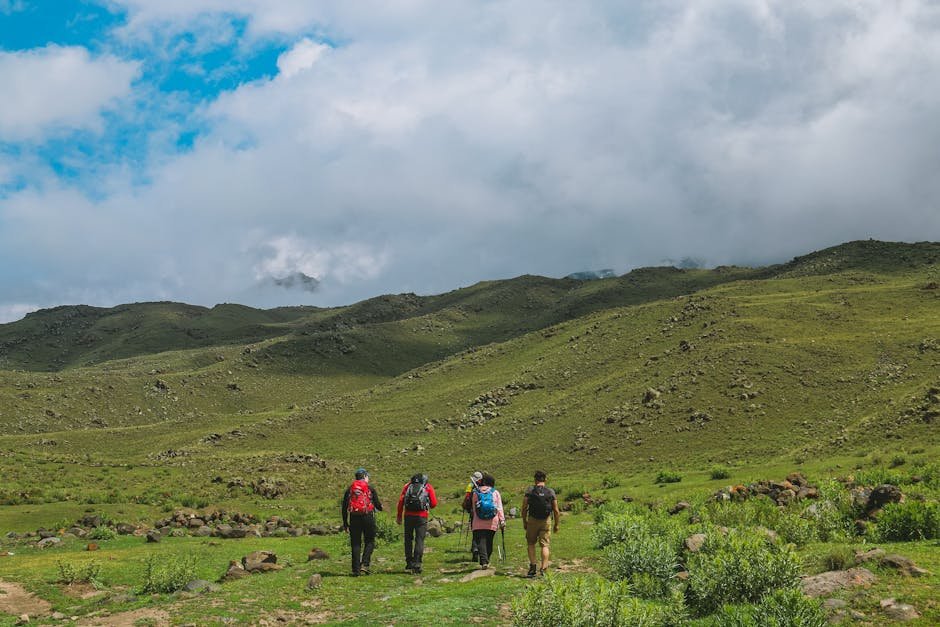
As the most visited national park in the U.S., the Great Smoky Mountains deliver on scenery, biodiversity, and accessibility. Straddling the Tennessee-North Carolina border, it’s within a day’s drive of over 50 million people.
The Alum Cave Trail to Mount LeConte is a favorite among hikers. The 11-mile round trip gains over 2,500 feet in elevation and features tunnels, cliffs, and panoramic views. For waterfalls, the Abrams Falls Trail in Cades Cove leads to a powerful 20-foot cascade.
Wildlife and Nature
The park is home to black bears, elk, and over 1,500 species of flowering plants. Visit Cades Cove at dawn or dusk for the best chance to spot wildlife in the open meadows.
Camping and Facilities
Backcountry camping requires a permit, but frontcountry campgrounds like Elkmont and Cades Cove offer tent and RV sites with restrooms and fire rings. No entrance fee is required.
Weekend Planning
Weekends can be busy, especially in summer and fall. Arrive early to secure parking at popular trailheads.
5. Lake Tahoe, California/Nevada
Straddling the California-Nevada border, Lake Tahoe is renowned for its cobalt-blue waters and surrounding Sierra Nevada peaks. It’s a year-round destination, but summer offers the best conditions for outdoor adventure.
The Eagle Falls and Eagle Lake Trail is a 3.5-mile round trip with steep climbs and stunning alpine views. For a water-based adventure, rent a kayak or paddleboard and explore the lake’s secluded coves.
Adventure Options
In winter, ski resorts like Heavenly and Squaw Valley offer world-class slopes. Summer brings mountain biking on the Flume Trail, a 14-mile route with dramatic lake views and technical sections.
Access and Crowds
South Lake Tahoe is more developed, with hotels and restaurants. North Tahoe is quieter, with smaller towns like Truckee and Tahoe City. Traffic can be heavy on summer weekends—consider arriving Friday afternoon.
Environmental Note
Protect the lake’s clarity by using biodegradable soap and packing out all trash. Motorized boats are restricted in certain areas to preserve water quality.
6. Big Bend National Park, Texas
Remote and rugged, Big Bend offers a true wilderness experience in West Texas. It’s one of the least-visited national parks, making it ideal for those seeking solitude and wide-open spaces.
The South Rim Trail is the park’s crown jewel—a 12–14 mile loop with elevations over 7,000 feet and views stretching into Mexico. For a shorter hike, the Santa Elena Canyon Trail follows the Rio Grande through towering limestone cliffs.
Desert Adventures
Backpacking, stargazing, and river rafting are popular activities. The park has some of the darkest skies in the U.S., making it a prime spot for astronomy.
Preparation Is Key
Summer temperatures can reach 100°F+. Visit between October and April for comfortable hiking. Carry at least one gallon of water per person per day—sources are scarce.
Getting There
Nearest major airport is in El Paso (about 4 hours away). Rent a car and stock up on supplies before entering the park.
7. Olympic National Park, Washington
Olympic National Park is a diverse ecosystem in one compact area: temperate rainforests, rugged coastlines, and glacier-capped mountains. It’s about a 3-hour drive from Seattle.
The Hoh Rain Forest offers easy walking trails through moss-draped trees and ferns. For coastal adventure, the Ruby Beach Trail leads to tide pools, sea stacks, and driftwood-strewn shores.

Mountain Highlights
The Hurricane Ridge area provides accessible alpine scenery with trails like the 3.2-mile round-trip to Hurricane Hill. In winter, it’s a popular spot for snowshoeing.
Weather Variability
Weather changes quickly. Pack rain gear even in summer. The coast can be foggy and cool, while the mountains may have snow into June.
Accommodations
Stay in Port Angeles for hotels and restaurants. Kalaloch and Sol Duc offer campgrounds and cabins within the park.
8. Sedona, Arizona
Known for its red rock formations and spiritual vibe, Sedona is a hotspot for hiking, mountain biking, and outdoor wellness. It’s about a 2-hour drive from Phoenix.
The Devil’s Bridge Trail is a 4.2-mile round trip leading to a natural sandstone arch—one of the most photographed spots in Arizona. The Cathedral Rock Trail is shorter but steeper, with slickrock climbing and panoramic views.
Adventure Beyond Hiking
Try a guided jeep tour through the backcountry or book a sunrise hot air balloon ride for a unique perspective. Vortex sites like Bell Rock are popular for meditation and energy work.
Visitor Tips
Weekends and holidays bring crowds. Start hikes early to avoid heat and traffic. Respect private property—many trails begin on residential land.
Lodging and Dining
Sedona has a range of resorts, B&Bs, and vacation rentals. Local restaurants emphasize organic and Southwestern cuisine.
9. Adirondack Mountains, New York
The Adirondacks offer over 6 million acres of forests, lakes, and mountains in upstate New York. It’s a prime destination for weekend adventure trips from New York City, Boston, and Montreal.
Climb Mount Marcy, the state’s highest peak, via the Van Hovenberg Trail—a 14.8-mile round trip best attempted in summer. For a gentler option, paddle across Lake George in a kayak or canoe.
Water-Based Fun
The region has over 3,000 lakes and 30,000 miles of rivers. Try whitewater rafting on the Hudson River or fishing for trout in remote streams.
Camping Culture
The Adirondack High Peaks Wilderness Area allows backcountry camping with a permit. Lean-tos (shelters) are available on a first-come, first-served basis.
Seasonal Access
Summer and fall are ideal for hiking and paddling. Winter transforms the area into a snow sports paradise, with cross-country skiing and ice climbing.
10. Pisgah National Forest, North Carolina
Located in the Appalachian Mountains, Pisgah National Forest is a lesser-known gem with waterfalls, old-growth forests, and mountain trails. It’s about a 2-hour drive from Asheville.
The Looking Glass Rock Trail is a 6.5-mile round trip with a steep climb and sweeping views. For waterfall lovers, the Moore Cove Falls Trail is an easy 1.2-mile walk to a 45-foot cascade.
Mountain Biking Trails
Pisgah is famous among bikers for trails like Shut-In Ridge, a challenging 16.5-mile route built by early conservationists. Rentals and guided tours are available in nearby Brevard.
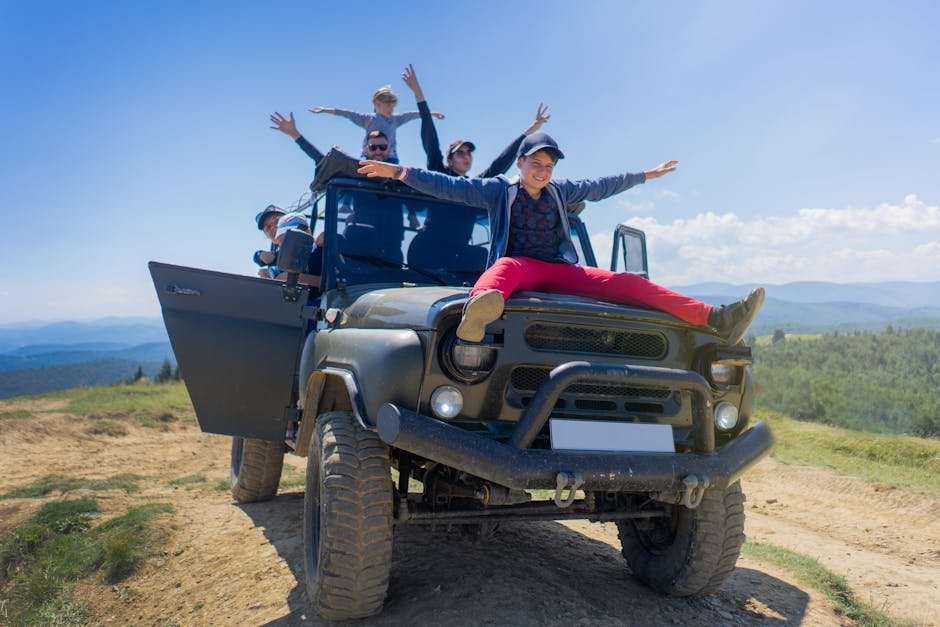
Wilderness Areas
The forest includes the Shining Rock and Joyce Kilmer Memorial Forests, home to trees over 400 years old. These areas offer solitude and pristine nature.
Planning Your Trip
No entrance fee is required. Dispersed camping is allowed in most areas, but check regulations. Cell service is spotty—download maps in advance.
How to Choose the Right Destination
With so many top outdoor destinations for weekend adventure trips, selecting the right one depends on your interests, fitness level, and travel time. Start by asking: What kind of adventure am I looking for?
If you love water, prioritize lakeside or coastal parks like Lake Tahoe or Acadia. For mountain challenges, consider the Smokies or the Adirondacks. Desert landscapes? Moab and Big Bend deliver.
Consider Distance and Drive Time
Most weekend trips work best within a 3–5 hour drive. Factor in traffic, especially near major cities. Leaving Friday evening can maximize your time on-site.
Check Seasonal Conditions
Some trails close in winter or during fire season. Always check the park’s official website for alerts, trail conditions, and reservation requirements.
Pack Smart
Bring the ten essentials: navigation, headlamp, sun protection, first aid, knife, fire starter, shelter, extra food, water, and clothing. Adjust based on activity—e.g., add a helmet for biking or a dry bag for rafting.
Safety Tips for Weekend Adventures
Even short trips require preparation. Weather can change rapidly in mountains and deserts. Always check the forecast and inform someone of your plans.
Carry a physical map and compass—GPS devices can fail. Know basic first aid and how to signal for help. In bear country, store food properly and make noise while hiking.
Avoid Overexertion
Choose trails that match your fitness level. It’s easy to underestimate distance and elevation gain. Start with shorter hikes and build up.
Leave No Trace
Pack out all trash, stay on marked trails, and respect wildlife. These practices protect natural areas for future visitors.
Final Thoughts
The best outdoor destinations for weekend adventure trips combine natural beauty, accessible trails, and reliable amenities. Whether you’re chasing waterfalls, summiting peaks, or paddling quiet lakes, these ten locations offer unforgettable experiences without requiring a week off work.
Plan ahead, pack wisely, and respect the environment. With the right preparation, your next weekend escape could be the adventure of a lifetime.
FAQ
What’s the best time of year for weekend adventure trips?
It depends on the destination. Spring and fall generally offer mild weather and fewer crowds. Summer is ideal for mountain and coastal parks, while winter is best for snow sports in places like the Adirondacks or Lake Tahoe.
Do I need a permit for camping or hiking?
Some parks require permits for backcountry camping or popular trails (e.g., Mount Whitney, Angels Landing). Check the specific park’s website before your trip. Frontcountry campgrounds often accept reservations.
How can I avoid crowds on weekend trips?
Visit during shoulder seasons (spring or fall), arrive early in the day, or choose lesser-known trails. Weekdays are less busy, but if you must go on weekends, aim for early morning starts.