

Best Hiking Trails in Europe for Nature Lovers Guide
Best Hiking Trails in Europe for Nature Lovers Guide
Europe is a hiker’s paradise, offering some of the world’s most scenic and diverse trails. Exploring hiking trails Europe nature reveals important insights. From alpine summits to coastal cliffs and ancient woodlands, the continent blends natural beauty with rich cultural landscapes. Whether you’re seeking solitude in remote wilderness or a well-marked path through historic villages, Europe delivers unforgettable hiking experiences. This guide highlights the best hiking trails in Europe for nature lovers—routes that showcase breathtaking scenery, unique ecosystems, and opportunities for wildlife spotting, all while remaining accessible to a range of fitness levels.
Why Europe Is Ideal for Nature-Focused Hiking
Europe’s compact geography allows hikers to traverse multiple biomes within a single trip. You can start in Mediterranean olive groves and end the day in snow-capped peaks. The continent also benefits from centuries-old trail networks, many maintained by national parks and hiking associations. These routes often pass through protected areas, ensuring minimal environmental impact and maximum immersion in natural settings.
Well-developed infrastructure supports hikers with mountain huts, signage, and public transport links. Countries like Switzerland, Austria, and Norway prioritize outdoor access, making it easier to explore safely. For nature lovers, this means more time enjoying wildflowers, bird calls, and panoramic views—and less time navigating logistics.
Top Hiking Trails in the Alps
The Haute Route (France to Switzerland)
The Haute Route is a classic alpine trek connecting Chamonix, France, to Zermatt, Switzerland. Spanning about 180 kilometers, it crosses high mountain passes with views of iconic peaks like the Matterhorn and Mont Blanc. Most hikers complete it in 10 to 14 days, staying in mountain refuges along the way.
This trail is ideal for experienced hikers seeking dramatic scenery and glacier crossings. The route demands good physical conditioning and basic mountaineering skills, especially on sections like the Fenêtre de Durand. Weather changes rapidly in the Alps, so packing layers and checking forecasts daily is essential.
Tour du Mont Blanc (France, Italy, Switzerland)
Circling Western Europe’s highest peak, the Tour du Mont Blanc is a 170-kilometer loop through three countries. It offers a cultural as well as natural journey, with trailside villages serving local cheeses and wines. The path stays at moderate elevations, rarely exceeding 2,500 meters, making it accessible to fit beginners.
Wildlife sightings are common—ibex, chamois, and golden eagles thrive in the region. The trail is well-marked and heavily used in summer, so booking accommodations in advance is recommended. Most hikers take 10 to 12 days, though shorter segments can be done independently.
Coastal and Island Trails
Camino de Santiago – Camino Francés (Spain)
While often associated with spiritual pilgrimage, the Camino Francés is also a rewarding nature walk. Stretching 780 kilometers from Saint-Jean-Pied-de-Port in France to Santiago de Compostela, it crosses diverse landscapes—Pyrenean foothills, rolling farmland, and Galician forests.
Spring and autumn offer mild weather and wildflower blooms. The trail is well-serviced with albergues (hostels) and local markets, reducing the need for heavy backpacks. For nature lovers, the final stretch through Galicia’s lush countryside is particularly scenic, with moss-covered oaks and stone villages.
Laugavegur Trail (Iceland)
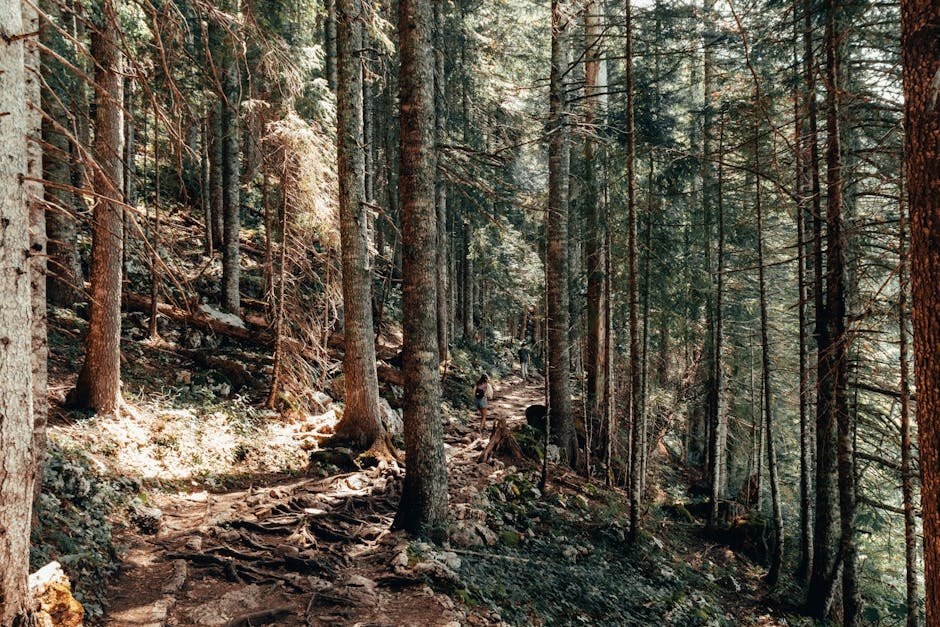
One of Iceland’s most famous hikes, the Laugavegur Trail runs 55 kilometers from Landmannalaugar to Þórsmörk. It traverses volcanic landscapes, hot springs, and glacial rivers, with views of rhyolite mountains that shift from pink to green in the light.
The trail is only accessible from June to September due to snow and river crossings. Hikers must be self-sufficient, carrying all food and gear, as services are limited. Permits are required for the mountain huts, and river crossings can be dangerous without proper footwear. Still, the otherworldly scenery makes it a bucket-list hike.
Forest and Woodland Paths
Black Forest High Trail (Germany)
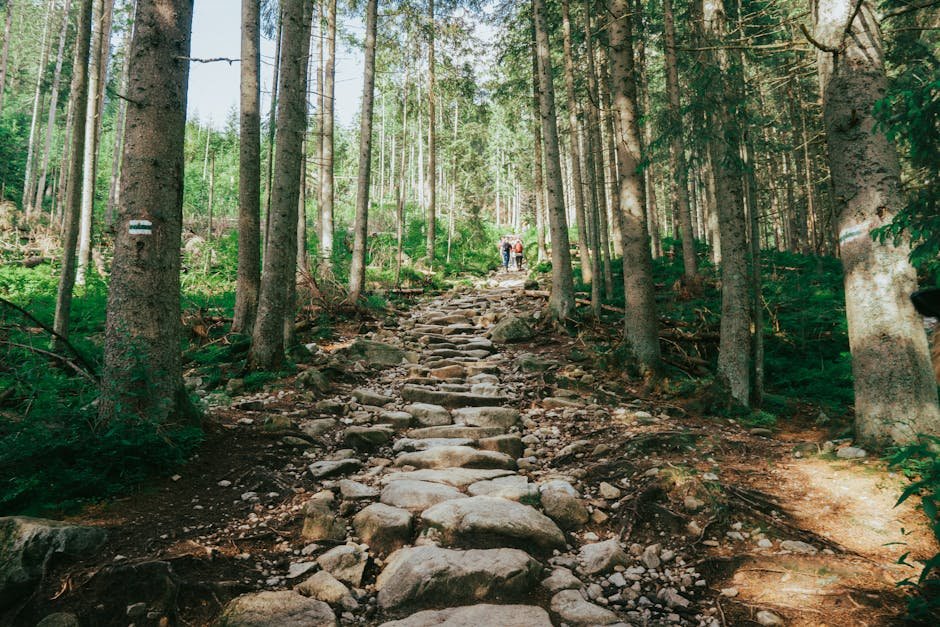
The Black Forest High Trail (Schwarzwaldhochweg) stretches 240 kilometers across Germany’s largest forest. It runs from Pforzheim to Waldshut, following ridgelines with views of dense pine woods, meadows, and traditional farmhouses.
This trail is ideal for those who prefer cooler temperatures and shaded paths. It’s well-marked and divided into 11 stages, each taking 4 to 6 hours. Wildlife includes deer, foxes, and numerous bird species. The region is also known for its clean air and spa towns, perfect for post-hike recovery.
Tatra Mountains Trail (Poland/Slovakia)
Straddling the border between Poland and Slovakia, the Tatra Mountains offer rugged terrain and alpine flora. The main trail from Zakopane to Štrbské Pleso is about 100 kilometers long, with steep ascents and rocky paths.
Hikers may spot brown bears, though sightings are rare and regulated areas exist for safety. The trail is best attempted from June to September. Proper gear, including crampons for early-season snow, is necessary. Both countries maintain mountain huts, but reservations are advised during peak season.
Scenic Routes in the Mediterranean
GR20 (Corsica, France)
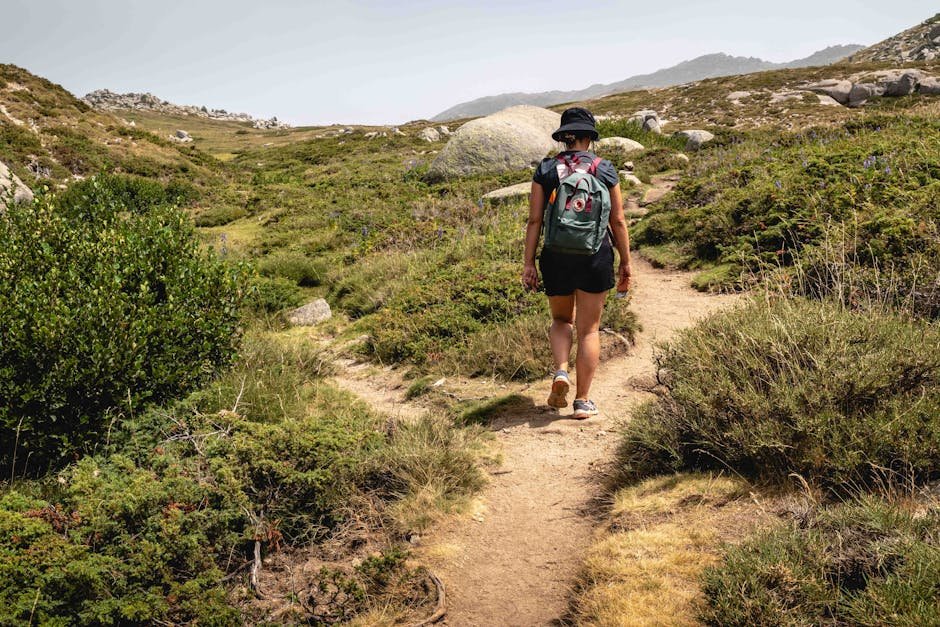
Known as one of Europe’s toughest hikes, the GR20 crosses Corsica from north to south in about 15 days. The 180-kilometer route features dramatic granite peaks, deep valleys, and sparse vegetation. It’s a test of endurance, with daily elevation changes of over 1,000 meters.
Despite its difficulty, the GR20 rewards hikers with solitude and raw natural beauty. Water sources are limited, so carrying a filter is essential. The trail is best hiked in summer, though even then, afternoon thunderstorms are common. Only experienced hikers with solid navigation skills should attempt it.
Sentiero degli Dei (Italy)
Translating to “Path of the Gods,” this 12-kilometer trail on the Amalfi Coast offers stunning views of the Tyrrhenian Sea. It begins in Bomerano and ends in Nocelle, passing through terraced vineyards and lemon groves.
The trail is moderately challenging, with stone steps and narrow paths. Exploring hiking trails Europe nature reveals important insights. It’s popular with day hikers, so starting early helps avoid crowds. The coastal breeze keeps temperatures comfortable, and the scent of wild herbs like rosemary and thyme fills the air. Combine it with a visit to nearby Positano for a complete nature-and-culture experience.
Northern Europe’s Hidden Gems
Kungsleden (Sweden)
The King’s Trail (Kungsleden) runs 440 kilometers through Swedish Lapland, from Abisko to Hemavan. It crosses Arctic tundra, birch forests, and glacial rivers, with opportunities to see reindeer and the northern lights in winter.
Most hikers tackle sections of the trail, such as the 5-day stretch from Abisko to Kebnekaise. The area is remote, with limited services, so self-sufficiency is key. The midnight sun in summer allows for extended hiking hours, but mosquitoes can be intense—bring repellent.
Laugavegurinn (Westfjords, Iceland)
Different from the more famous Laugavegur in the south, this trail in Iceland’s Westfjords offers solitude and stark beauty. The 35-kilometer route from Dynjandi waterfall to Húsavík crosses moorlands, fjords, and basalt cliffs.
It’s less crowded than other Icelandic trails, making it ideal for those seeking quiet. The weather is unpredictable, with strong winds and rain common even in summer. Hikers should be prepared for muddy conditions and limited shelter. The reward is raw, untouched nature and dramatic coastal views.
How to Choose the Right Trail for You
Selecting the best hiking trail depends on your fitness level, experience, and interests. Beginners should look for well-marked, moderate trails with nearby services, such as the Tour du Mont Blanc or Sentiero degli Dei. These offer stunning views without extreme physical demands.
Experienced hikers may prefer challenging routes like the GR20 or Haute Route, where navigation skills and endurance are tested. Always check seasonal conditions—some trails are only safe in summer, while others require winter gear.
Consider the time you have available. Multi-day treks require planning for food, lodging, and transport. Shorter trails can often be completed in a day and paired with local exploration. Research local regulations, especially in protected areas, to ensure responsible hiking.
Essential Gear and Preparation Tips
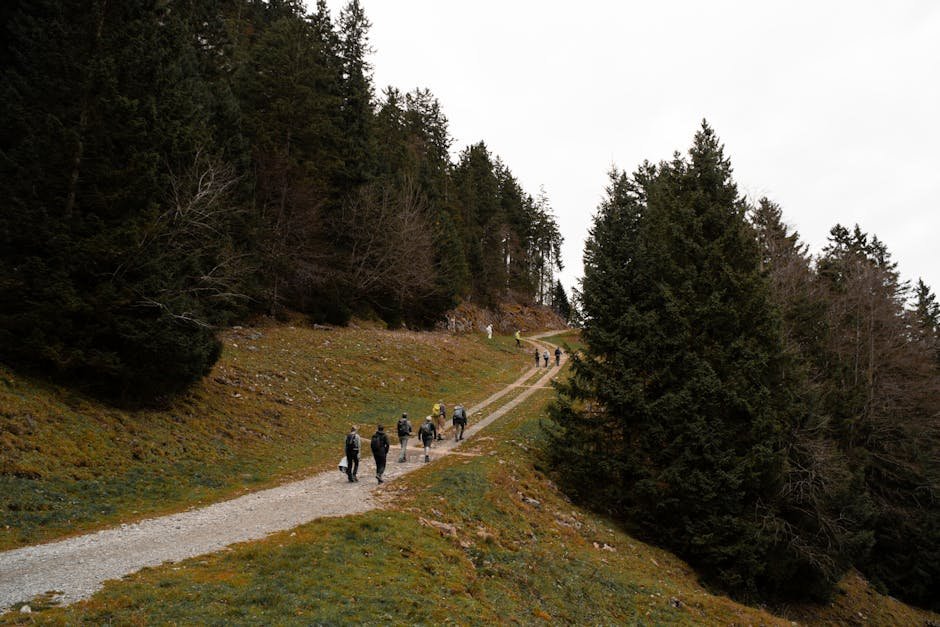
Proper preparation ensures a safe and enjoyable hike. Start with sturdy, broken-in hiking boots and moisture-wicking clothing. A lightweight backpack, water filter, and first-aid kit are non-negotiable, even on short trails.
Navigation tools like a physical map, compass, and GPS device are essential, especially in remote areas where手机信号 may be unavailable. Download offline maps before departing. Always inform someone of your route and expected return time.
Pack high-energy snacks, at least 2 liters of water per day, and a shelter option like a bivy or lightweight tent for emergencies. Check weather forecasts daily and be prepared to turn back if conditions deteriorate. Respect wildlife by observing from a distance and storing food securely.
Responsible Hiking and Environmental Care
Nature lovers have a responsibility to protect the environments they enjoy. Follow the Leave No Trace principles: pack out all trash, stay on marked trails, and avoid disturbing plants and animals. Use established campsites and fire rings where permitted.
Support local conservation efforts by paying park fees and choosing eco-friendly accommodations. Avoid single-use plastics and carry a reusable water bottle with a filter. When hiking in sensitive areas, such as alpine meadows or bird nesting zones, keep noise levels low and group sizes small.
Educate yourself about local ecosystems before you go. Knowing what species are native—and which are invasive—helps you appreciate the landscape and avoid accidental harm. Share your knowledge with fellow hikers to promote sustainable practices.
Final Thoughts
Europe’s hiking trails offer something for every nature lover, from gentle woodland walks to epic alpine crossings. The best hiking trails in Europe for nature lovers combine scenic beauty with ecological diversity, allowing you to connect deeply with the natural world. With proper planning and respect for the environment, these experiences can be both transformative and sustainable.
Whether you’re drawn to the dramatic peaks of the Alps, the serene forests of Germany, or the volcanic landscapes of Iceland, there’s a trail waiting to inspire you. Start with a route that matches your ability, invest in quality gear, and embrace the journey—one step at a time.
FAQ
What is the easiest long-distance hiking trail in Europe for beginners?
The Tour du Mont Blanc is one of the most accessible multi-day hikes, with moderate elevation gain, well-marked paths, and plenty of mountain huts. It’s ideal for fit beginners who want a challenging but manageable adventure.
When is the best time to hike in the European Alps?
The optimal hiking season in the Alps runs from late June to early September. During this period, trails are snow-free, weather is stable, and mountain huts are open. Avoid July and August if you prefer fewer crowds.
Do I need a permit to hike in national parks in Europe?
Some parks, like those in Iceland and parts of the Alps, require permits for overnight stays or specific trails. Always check local regulations before your trip. Day hikes usually don’t require permits, but protected areas may have entry fees.