

Best Travel Tips for Solo Travelers First Time Guide
Best Travel Tips for Solo Travelers First Time Guide
Traveling alone for the first time can feel overwhelming, but with the right preparation, it can be one of the most rewarding experiences of your life. Exploring solo travel first time reveals important insights. Whether you’re exploring a bustling city or a quiet mountain village, solo travel builds confidence, independence, and a deeper connection to the world around you. This guide covers essential travel tips tailored specifically for first-time solo travelers, helping you stay safe, save money, and make the most of your adventure.
From choosing your destination to packing smart and staying connected, we’ll walk you through practical steps that real travelers use. You’ll learn how to navigate public transit, meet locals, and handle unexpected situations with ease. By the end, you’ll have a clear roadmap to travel confidently—on your own terms.
Choose the Right Destination for Your First Solo Trip
Not every destination is equally beginner-friendly. As a first-time solo traveler, pick a place known for safety, ease of navigation, and a welcoming atmosphere for tourists. Countries like Japan, Portugal, New Zealand, and Canada consistently rank high for solo travelers due to low crime rates, reliable public transport, and English-speaking populations in major areas.
Avoid high-risk regions or places with complex visa requirements on your first solo journey. Instead, consider cities with well-established tourist infrastructure—think Barcelona, Melbourne, or Kyoto. These destinations offer clear signage, helpful locals, and plenty of solo traveler communities online where you can ask questions before you go.
Research Local Customs and Laws
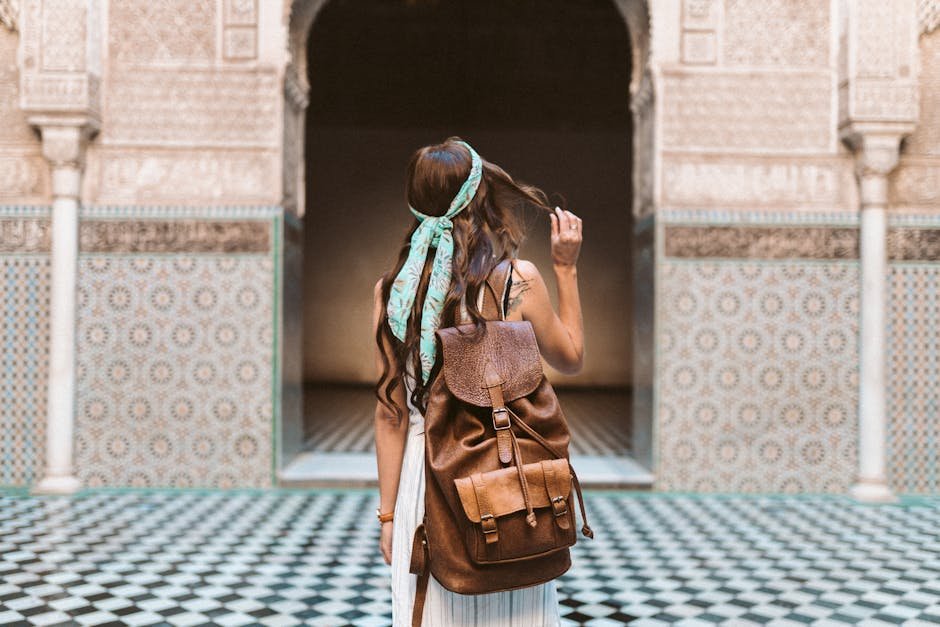
Understanding local customs helps you blend in and avoid unintentional offense. In Japan, for example, removing shoes before entering homes or certain restaurants is expected. In Morocco, dressing modestly shows respect, especially in rural areas.
Also, familiarize yourself with local laws. In Singapore, chewing gum is heavily restricted. In Dubai, public displays of affection can lead to fines. A quick search on government travel advisories or expat forums can save you from awkward or legal trouble.
Start Small: Weekend Trips Build Confidence
If a two-week international trip feels daunting, begin with a solo weekend getaway. A nearby city or national park gives you a chance to practice navigating alone, managing your time, and handling minor setbacks—like missing a bus or losing your map—without high stakes.
These short trips help you identify your travel style: Do you prefer structured itineraries or spontaneous exploration? Do you like staying in hostels or booking private rooms? Use these experiences to refine your preferences before committing to a longer journey.
Plan Your Itinerary—But Stay Flexible
A well-thought-out itinerary provides structure and reduces anxiety, especially when you’re alone. Book your first few nights’ accommodation in advance, especially if you’re arriving late at night or during peak season. Knowing where you’ll sleep removes a major stressor.
Use apps like Google Maps (download offline maps), Rome2Rio (for transport options), and TripIt (to organize bookings) to streamline planning. Include must-see attractions, but leave room for spontaneity—some of the best travel moments happen off the beaten path.
Balance Structure with Freedom
Over-scheduling can make solo travel feel rushed and exhausting. Aim for one or two main activities per day, then allow time to wander, rest, or strike up a conversation at a café. In Lisbon, for instance, you might plan to visit the Belém Tower in the morning, then spend the afternoon exploring the Alfama district without a fixed route.
Flexibility also helps when things go wrong—flights get delayed, weather changes, or a museum is unexpectedly closed. Instead of frustration, treat these moments as part of the adventure. A missed train might lead you to a charming village you hadn’t planned to visit.
Share Your Itinerary with Someone You Trust
Always leave a copy of your travel plans with a family member or close friend. Include flight details, accommodation addresses, and contact information. Check in with them periodically—even a simple “I’m in Paris, all good” text can provide peace of mind.
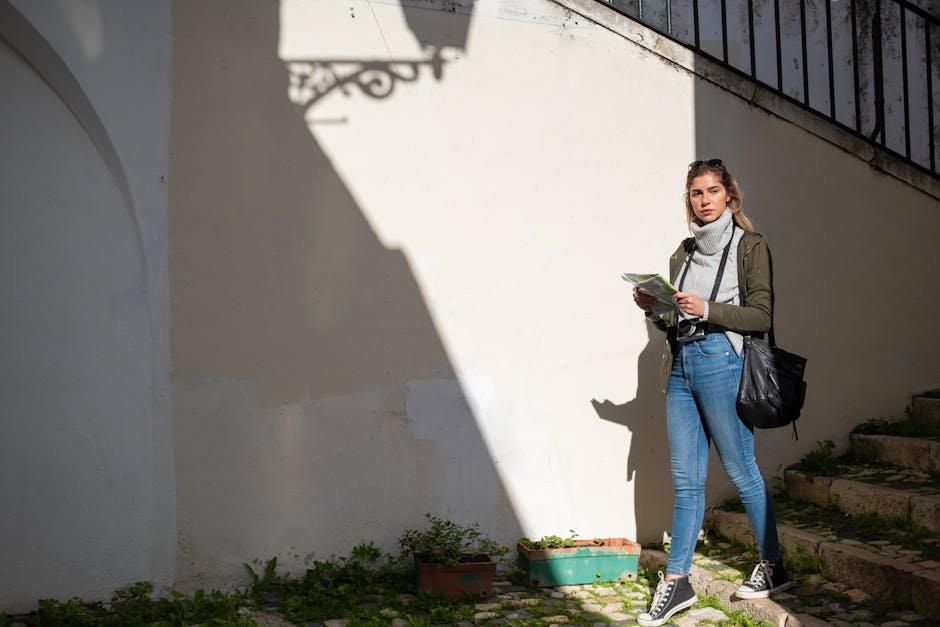
Consider using a travel tracking app like Google’s Location Sharing or TripIt’s safety features, which let loved ones see your real-time location or receive alerts if you don’t check in.
Pack Smart: Less Is More
Solo travelers benefit from traveling light. You’ll be managing your own luggage, so a heavy suitcase can quickly become a burden. Aim for a carry-on backpack or small rolling suitcase that you can easily carry up stairs, onto trains, or through crowded streets.
Pack versatile clothing in neutral colors that can be mixed and matched. Quick-dry fabrics are ideal for warm climates, while layering works well in cooler regions. Roll clothes instead of folding to save space and reduce wrinkles.
Essential Items for Solo Travelers
- Portable charger: Keeps your phone powered for navigation and emergencies.
- Universal power adapter: Ensures you can charge devices anywhere.
- Reusable water bottle: Saves money and reduces plastic waste.
- First-aid kit: Include band-aids, pain relievers, and any personal medications.
- Copies of important documents: Keep digital and physical copies of your passport, visa, and travel insurance.
Avoid overpacking toiletries—most hotels and hostels provide basics, and you can buy what you need locally. Remember, you can’t pack peace of mind, but a well-organized bag comes close.
Stay Safe: Trust Your Instincts
Safety is a top concern for solo travelers, especially women. The best defense is awareness. Stay alert in crowded areas, avoid poorly lit streets at night, and keep your belongings secure. Use crossbody bags with zippers and keep your phone and wallet in front pockets.
If something feels off—a person following you, a too-good-to-be-true deal, or an empty alley at night—trust your gut and leave. It’s better to be cautious than regretful. In cities like Bangkok or Mexico City, scams targeting tourists are common, so research common tactics beforehand.
Use Technology to Your Advantage
Download safety apps like Sitata (for travel alerts), bSafe (for emergency contacts), or local transit apps to avoid getting lost. Enable two-factor authentication on your accounts and use a VPN on public Wi-Fi to protect your data.
Share your live location with a trusted contact during high-risk activities, like hiking alone or taking a late-night taxi. Many smartphones have built-in emergency features—learn how to use them before you travel.
Blend In to Avoid Drawing Attention
Tourists are easy targets when they stand out. Dress like locals when possible, avoid flashy jewelry, and keep expensive electronics out of sight. In many European cities, people dress more formally than tourists expect—opting for neat, understated clothing helps you fit in.
Learn a few basic phrases in the local language, even if it’s just “hello,” “thank you,” and “where is the bathroom?” This small effort earns respect and can open doors to genuine interactions.
Meet People and Build Connections
One of the biggest myths about solo travel is that you’ll be lonely. In reality, traveling alone often makes you more approachable and open to new experiences. Hostels, walking tours, and language exchanges are great places to meet fellow travelers and locals.
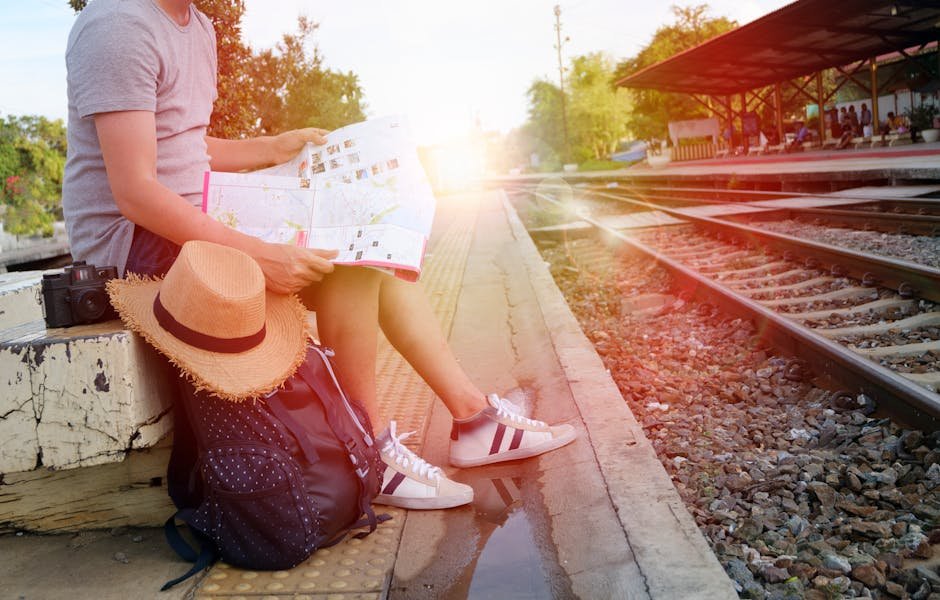
Join group activities through platforms like Meetup, Couchsurfing Events, or GetYourGuide. Exploring solo travel first time reveals important insights. In Barcelona, for example, free walking tours attract solo travelers from around the world, creating instant camaraderie.
Stay in Social Accommodations
Hostels aren’t just for backpackers—they’re hubs for solo travelers. Look for places with communal kitchens, lounges, and organized events. Many hostels offer private rooms if you want privacy but still value social opportunities.
Alternatively, consider homestays or guesthouses where hosts can share local tips and sometimes invite you to family meals. These experiences add depth to your trip and often lead to lasting friendships.
Be Open, But Set Boundaries
While it’s great to meet new people, protect your personal space and energy. Not every conversation needs to lead to dinner plans or late-night outings. It’s okay to say no politely if you’re tired or want time alone.
Use the “buddy system” when exploring at night—pair up with someone you’ve just met to visit a bar or market, then part ways afterward. This balances fun with safety.
Manage Your Budget Wisely
Solo travel doesn’t have to break the bank. In fact, traveling alone can be more cost-effective than group trips if you plan carefully. Avoid tourist traps by eating where locals eat—street food in Bangkok, market stalls in Marrakech, or neighborhood trattorias in Rome offer authentic meals at a fraction of restaurant prices.
Use budgeting apps like Trail Wallet or Splitwise to track expenses. Set a daily spending limit and stick to it. Remember, souvenirs and impulse buys add up quickly.
Save on Transportation
Public transit is usually cheaper and more immersive than taxis or ride-shares. Buy multi-day transit passes where available—they often include discounts on attractions. In cities like Berlin or Tokyo, day passes for trains and buses are a great deal.
Walking is free and lets you discover hidden gems. In Prague, for example, wandering the cobblestone streets of the Old Town reveals charming courtyards and local artisans you’d miss on a bus tour.
Take Advantage of Free Activities
Many cities offer free walking tours, museum days, or outdoor concerts. Check local tourism websites or apps like Eventbrite for no-cost events. In London, for instance, many major museums like the British Museum and Tate Modern are free to enter.
Nature is also free—hiking, beach visits, and park picnics cost nothing and provide some of the most memorable moments.
Stay Connected and Document Your Journey
Staying in touch with home reduces anxiety and keeps loved ones informed. Buy a local SIM card or an international data plan to avoid roaming charges. In Europe, a single SIM can work across multiple countries. In Asia, providers like AIS in Thailand or Singtel in Singapore offer affordable tourist plans.
Use messaging apps like WhatsApp or Signal for free calls and texts over Wi-Fi. Set up automatic backups for your photos so you don’t lose memories if your phone is lost or damaged.
Journal or Blog Your Experience
Writing about your travels helps you process experiences and reflect on personal growth. A simple notebook or voice memos work well. If you enjoy sharing, start a travel blog or Instagram account—it can inspire others and even lead to future opportunities.
Don’t feel pressured to post constantly. Focus on enjoying the moment. Some of the best travel stories come from quiet observations, not curated content.
Handle Challenges with Confidence
Things won’t always go as planned—and that’s okay. Missed flights, language barriers, and lonely evenings are part of the journey. What matters is how you respond. Carry a phrasebook or translation app to bridge communication gaps. If you get lost, ask for help at a police station or tourist information center.
Keep a list of emergency contacts, including your country’s embassy, local emergency numbers, and your travel insurance provider. Most issues are solvable with patience and a positive attitude.
Embrace Solitude as a Gift
Being alone doesn’t mean being lonely. Use this time to reconnect with yourself. Try new foods without worrying about others’ preferences. Change your plans on a whim. Solo travel teaches self-reliance and helps you discover what truly matters to you.
Many travelers report that their first solo trip was a turning point—boosting confidence, improving decision-making, and sparking a lifelong love of exploration.
Final Thoughts: You’ve Got This
Traveling alone for the first time is a bold step, but you’re more prepared than you think. With thoughtful planning, a flexible mindset, and a willingness to embrace the unknown, your solo adventure can be safe, affordable, and deeply fulfilling.
Remember, every experienced solo traveler was once a beginner. Start small, stay aware, and trust yourself. The world is waiting—and it’s full of people, places, and experiences ready to welcome you.
FAQ
Is it safe for a first-time solo traveler to visit big cities?
Yes, many major cities are safe for solo travelers, especially with basic precautions. Choose well-lit, populated areas, avoid displaying valuables, and research neighborhoods beforehand. Cities like Tokyo, Vienna, and Copenhagen are particularly solo-friendly.
How much should I budget for a solo trip?
Budget depends on your destination and travel style. On average, solo travelers spend $50–$150 per day in Europe, $30–$80 in Southeast Asia, and $40–$100 in Latin America. Track expenses daily and include a buffer for emergencies.
What should I do if I feel lonely while traveling alone?
Join group tours, stay in social accommodations, or attend local events. Reach out to friends back home via video calls. Remember, loneliness is temporary—many travelers find that stepping out of their comfort zone leads to meaningful connections.