

Top Outdoor Destinations for Adventure Photography
Top Outdoor Destinations for Adventure Photography
Adventure photography captures the raw beauty of wild landscapes, extreme sports, and human endurance in nature’s most dramatic settings. Whether you’re shooting rock climbers on sheer cliffs, kayakers navigating whitewater rapids, or hikers crossing high-altitude passes, the right location makes all the difference. This guide highlights the world’s most compelling outdoor destinations for adventure photography—places where light, terrain, and action converge to create unforgettable images. From Patagonia’s wind-sculpted peaks to the desert canyons of Utah, these spots offer not just stunning backdrops but also reliable conditions for dynamic, storytelling visuals.
Why Location Matters in Adventure Photography
The success of an adventure photo often hinges on location. A dramatic landscape can elevate a simple action shot into a powerful narrative. Mountains, rivers, deserts, and coastlines each present unique lighting, weather, and compositional opportunities. Choosing the right destination means understanding how terrain influences light, how weather affects shoot timing, and how access impacts safety and logistics.
Great adventure photography isn’t just about gear—it’s about being in the right place at the right time. Locations with varied topography allow for diverse angles: wide-angle vistas, tight action close-ups, and aerial perspectives. They also attract experienced athletes who understand timing and movement, making it easier to capture decisive moments.
Top 10 Outdoor Destinations for Adventure Photography
1. Patagonia, Chile & Argentina
Patagonia’s jagged peaks, glacial lakes, and relentless winds create a rugged canvas for adventure photography. Torres del Paine and Fitz Roy are iconic backdrops for trekking, climbing, and skiing shots. The region’s long summer days (December to February) offer extended golden-hour lighting, ideal for capturing hikers silhouetted against sunrise or climbers ascending granite spires.
Patagonia’s weather is unpredictable—storms can roll in quickly, adding drama to images. Photographers should pack weather-sealed gear and plan for rapid changes. The contrast between icy glaciers and warm-toned rock formations provides rich visual depth, especially during early morning or late afternoon.
2. Moab, Utah, USA
Moab is a mecca for desert adventure photography. Its red rock canyons, slickrock trails, and river corridors attract mountain bikers, climbers, and off-roaders. Arches and Canyonlands National Parks offer endless compositional possibilities, from balanced rock formations to narrow slot canyons lit by shafts of sunlight.
The best light occurs during the shoulder seasons—spring and fall—when temperatures are mild and crowds thinner. Early mornings in places like Delicate Arch or Mesa Arch deliver soft, warm light that enhances the red sandstone. Dust is a constant challenge; use lens hoods and carry cleaning kits to protect equipment.
3. The Dolomites, Italy
The Dolomites combine dramatic alpine scenery with a strong culture of outdoor sports. This UNESCO World Heritage site is perfect for photographing climbers on vertical faces, trail runners on high ridges, and paragliders soaring above valleys. The region’s limestone formations glow pink at sunrise and sunset—a phenomenon known as “enrosadira”—adding a surreal quality to images.
Summer months offer the most stable weather and access to high trails. Winter brings snow-covered peaks ideal for ski and snowboard photography. Cable cars and via ferratas provide access to elevated viewpoints, enabling photographers to capture sweeping panoramas or intimate action shots from above.
4. Queenstown, New Zealand
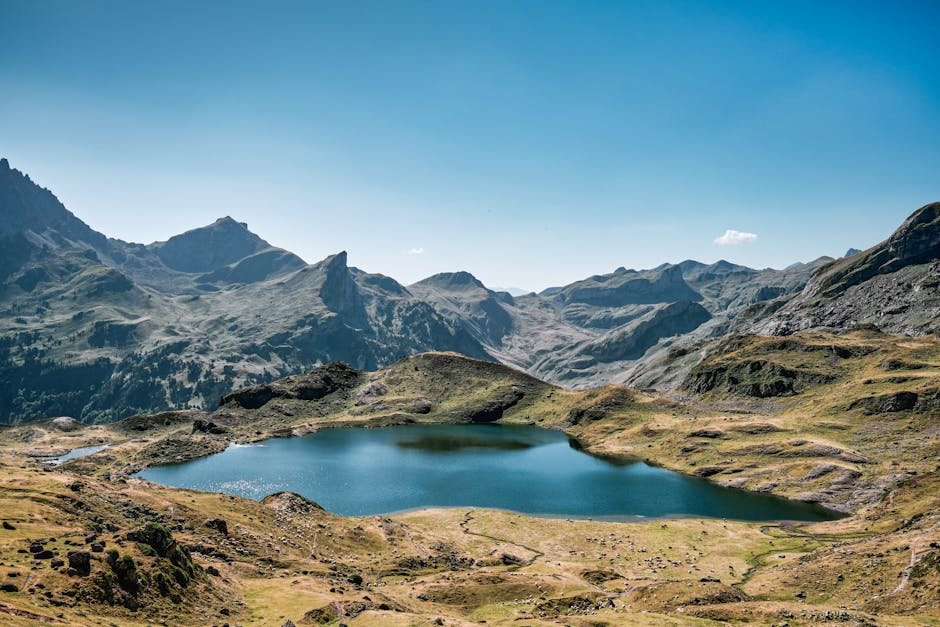
Known as the “Adventure Capital of the World,” Queenstown delivers adrenaline-fueled scenes against a backdrop of lakes, mountains, and forests. Bungee jumps from Kawarau Bridge, jet boating on the Shotover River, and skydiving over Lake Wakatipu are iconic subjects. The region’s four distinct seasons allow for varied photographic styles—lush greenery in spring, golden foliage in autumn, and snow in winter.
Golden hour over Lake Wakatipu is particularly magical, with reflections of the Southern Alps creating mirror-like surfaces. Winter offers crisp, clear skies ideal for aerial drone shots. Always check local regulations for drone use, as some areas restrict flights near protected zones.
5. The Canadian Rockies, Canada
Banff and Jasper National Parks in the Canadian Rockies offer some of the most photogenic mountain landscapes on Earth. Turquoise glacial lakes like Lake Louise and Moraine Lake reflect surrounding peaks, creating symmetrical compositions. Wildlife such as elk, bears, and mountain goats add dynamic elements to adventure scenes.
Summer is ideal for hiking and climbing photography, while winter transforms the region into a snowy wonderland for skiing and snowshoeing shots. Early mornings are critical—lakes are calmest at sunrise, offering perfect reflections. Be prepared for cold temperatures; batteries drain faster in freezing conditions.
6. Svalbard, Norway
Svalbard’s Arctic environment offers a rare opportunity to photograph polar bears, dog sledding, and ice climbing under the midnight sun or northern lights. Located far north of the Arctic Circle, this remote archipelago is one of the few places where adventure and wildlife photography intersect dramatically.
Summer (May to September) provides 24-hour daylight, allowing for extended shooting sessions. Winter offers the aurora borealis and snow-covered landscapes, but extreme cold demands specialized gear. Guided tours are essential for safety, and photographers must maintain distance from wildlife to avoid disturbing animals or triggering dangerous encounters.
7. The Himalayas, Nepal & Bhutan
The Himalayas are synonymous with high-altitude adventure. Everest Base Camp, Annapurna Circuit, and Bhutan’s snow-capped peaks attract trekkers, climbers, and spiritual seekers. The thin air, prayer flags, and ancient monasteries add cultural depth to adventure imagery.
Autumn (September to November) offers the clearest skies and most stable weather for photography. Spring (March to May) brings blooming rhododendrons and moderate temperatures. Altitude sickness is a real risk—acclimatize gradually and carry emergency oxygen. Drones are heavily restricted; always verify local laws before flying.
8. The Scottish Highlands, Scotland
The Highlands’ moody weather, rugged mountains, and deep glens create a dramatic atmosphere for adventure photography. Locations like Glencoe, Ben Nevis, and the Isle of Skye are popular for hiking, climbing, and wild swimming. The ever-changing light—from sudden sunbreaks to brooding storm clouds—adds emotional intensity to images.
Summer offers long days and milder conditions, while winter brings snow and ice for alpine-style shots. Midges (tiny biting insects) are prevalent in summer—pack repellent. The lack of light pollution makes the Highlands ideal for astrophotography combined with outdoor activities like night hiking or camping.
9. The Dolomites, Italy (Revisited for Emphasis)
While previously mentioned, the Dolomites deserve special attention for their unique light and accessibility. The Tre Cime di Lavaredo is one of the most photographed mountain formations in the world. Early risers can capture climbers ascending the peaks as the first light hits the limestone.
The region’s well-maintained trails and mountain huts make it easier for photographers to reach high vantage points without technical climbing skills. Use a polarizing filter to reduce glare on rocky surfaces and enhance sky contrast. Visit in late September for autumn colors and fewer crowds.
10. The Namib Desert, Namibia
The Namib Desert, home to the world’s oldest sand dunes, offers surreal landscapes for adventure photography. Sandboarding down Dune 7, quad biking across the Sossusvlei plains, or hiking through Deadvlei’s clay pan creates striking contrasts between human movement and ancient geology.
Early morning light casts long shadows across the dunes, emphasizing texture and depth. The dry, clear air produces sharp images with minimal haze. Temperatures can exceed 40°C (104°F) in summer—shoot during cooler months (May to September) and protect gear from sand with sealed bags.
Essential Tips for Shooting in Remote Locations
Plan for Weather and Light
Weather dictates everything in outdoor photography. Check forecasts regularly, but be ready for sudden changes—especially in mountains and deserts. Use apps like Windy or Sun Surveyor to track cloud cover, wind speed, and sun position. Golden hour (just after sunrise and before sunset) delivers soft, directional light that enhances texture and depth.
Blue hour—just before sunrise and after sunset—offers cool tones ideal for moody landscapes. Night photography requires a tripod, wide aperture, and long exposure. Always carry extra batteries; cold weather reduces battery life significantly.
Respect the Environment and Local Communities
Adventure photographers often work in fragile ecosystems. Follow Leave No Trace principles: pack out all trash, stay on marked trails, and avoid disturbing wildlife. In culturally sensitive areas, seek permission before photographing people, especially in indigenous communities.
Some destinations require permits for commercial photography. Research local regulations in advance. In national parks, drones may be banned or restricted. Violating rules can result in fines or expulsion—always prioritize ethics over the shot.
Gear Recommendations for Rugged Conditions
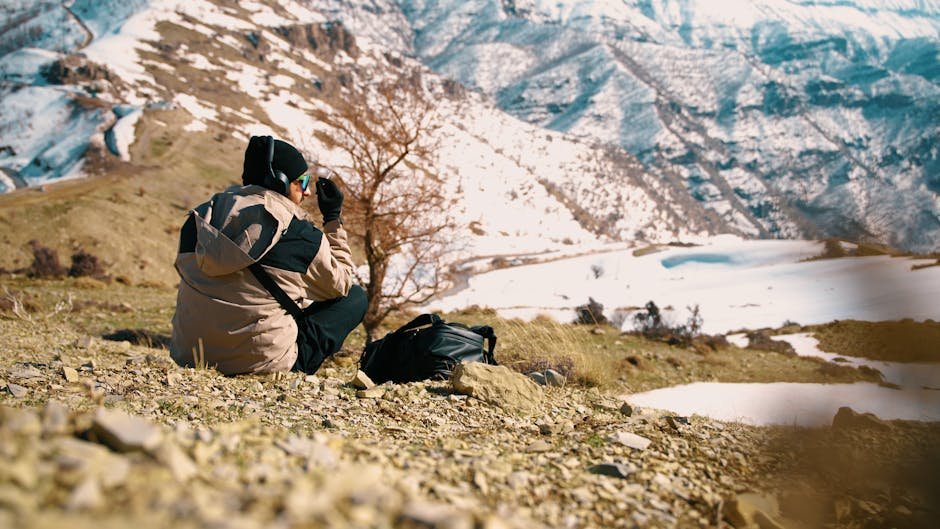
Durability matters. Use weather-sealed cameras and lenses when shooting in rain, snow, or dust. A sturdy tripod is essential for long exposures and stability on uneven terrain. Bring lens filters: polarizers reduce reflections, while neutral density filters allow slower shutter speeds in bright light.
Carry multiple memory cards and backup storage. Cloud uploads aren’t reliable in remote areas. Use protective cases for gear transport. For aerial shots, ensure your drone is registered and complies with local aviation laws. Always have a backup plan if technology fails.
How to Capture the Decisive Moment
Adventure photography is about timing. Anticipate action by understanding the sport or activity. For climbers, focus on moments of effort—reaching for a hold, securing a rope. For runners, capture mid-stride with motion blur in the background to convey speed.
Use burst mode to increase chances of getting the perfect frame. Pre-focus on key areas (e.g., a cliff edge or river rapid) and wait for the subject to enter the frame. Composition matters—use the rule of thirds, leading lines, and negative space to guide the viewer’s eye.
Post-Processing for Authentic Adventure Images
Editing should enhance, not fabricate. Adjust exposure, contrast, and white balance to reflect the scene accurately. Avoid over-saturating colors—natural tones build credibility. Crop to improve composition, but preserve key elements like faces, gear, or landscape features.
Use noise reduction for high-ISO shots taken in low light. Sharpen selectively to maintain detail without introducing artifacts. Always keep original files. For social media, resize images appropriately—platforms like Instagram compress files, so export at high quality.
Final Thoughts
The best adventure photographs tell a story—of challenge, beauty, and human connection to nature. Choosing the right destination is the first step. From the icy fjords of Norway to the red rocks of Utah, each location offers unique opportunities to capture moments that inspire and endure. Preparation, respect, and patience turn good shots into great ones.
Whether you’re a seasoned pro or an enthusiastic amateur, these destinations provide the backdrop for powerful imagery. Focus on authenticity, safety, and storytelling. The world’s wild places are waiting—go shoot them with purpose.
FAQ
What’s the best time of year for adventure photography in mountainous regions?
The ideal time varies by location, but generally, late spring to early autumn offers stable weather, accessible trails, and good light. In the Alps or Rockies, September often provides clear skies and autumn colors. In the Himalayas, October to November is prime for visibility and mild temperatures.
Do I need special permits for photography in national parks?
It depends on the park and your intent. Personal, non-commercial photography usually doesn’t require permits. However, commercial shoots, drone use, or large equipment often do. Always check with the park authority before your trip to avoid fines or restrictions.
How can I protect my camera gear in extreme environments?
Use weather-sealed cameras and lenses, and store gear in protective cases when not in use. In dusty or sandy areas, change lenses in a sheltered spot or use a changing bag. In cold climates, keep batteries warm in an inner pocket and allow gear to acclimate slowly to temperature changes to prevent condensation.