

Best Hiking Trails in Canada for Adventure Trips
Best Hiking Trails in Canada for Adventure Trips
Canada’s vast wilderness offers some of the most spectacular hiking trails in the world, ideal for adventure seekers looking to explore rugged mountains, pristine lakes, and untouched forests. From coast to coast, these trails deliver unforgettable experiences—whether you’re after a multi-day trek or a challenging day hike. This guide highlights the best hiking trails in Canada for adventure trips, with practical details on difficulty, scenery, and preparation to help you choose the right route.
Why Canada Is a Top Destination for Adventure Hiking
With over 60% of its land covered by forests, mountains, and tundra, Canada is a natural playground for outdoor enthusiasts. Its national and provincial parks are meticulously maintained, offering well-marked trails, emergency shelters, and clear signage. The country’s diverse geography means hikers can experience alpine meadows, coastal rainforests, glacial valleys, and boreal forests—all within a single trip.
Adventure hikers are drawn to Canada not just for its scenery, but for the sense of remoteness and raw natural beauty. Trails here often pass through areas with minimal human development, providing true wilderness immersion. Whether you’re traversing the Rockies or exploring the Maritimes, each region offers unique terrain and wildlife encounters.
Top 10 Hiking Trails for Adventure Seekers
1. West Coast Trail – Pacific Rim National Park Reserve, BC
Spanning 75 kilometers along Vancouver Island’s rugged coastline, the West Coast Trail is one of Canada’s most iconic multi-day hikes. This challenging route requires 5 to 7 days to complete and features ladders, cable cars, and tidal crossings.
The trail rewards hikers with dramatic sea stacks, old-growth rainforest, and frequent whale sightings. Permits are required and must be booked months in advance due to high demand. It’s best attempted between May and September when weather conditions are most stable.
2. Skyline Trail – Jasper National Park, Alberta
The Skyline Trail is a 44-kilometer loop that climbs to elevations over 2,500 meters, offering panoramic views of the Canadian Rockies. Most hikers complete it in 2 to 3 days, with designated backcountry campsites along the way.
Wildlife sightings—especially elk and bighorn sheep—are common. The trail is snow-free only from July to early September. Proper gear, including bear spray and a tent, is essential. Day hikers can access shorter sections, such as the 10-kilometer round trip to Tekarra Lookout.
3. The Chief – Garibaldi Provincial Park, BC
Known locally as “The Chief,” this trail in Squamish leads to the summit of Stawamus Chief, a massive granite monolith visible from Highway 99. The full ascent involves three peaks and over 1,800 meters of elevation gain.
Hikers should be prepared for steep rock scrambling and exposed sections. Helmets are recommended due to loose rock. The effort pays off with sweeping views of Howe Sound and the surrounding Coast Mountains. Start early to avoid afternoon thunderstorms.
4. Bruce Trail – Ontario
Canada’s oldest and longest marked footpath, the Bruce Trail stretches 890 kilometers along the Niagara Escarpment from Niagara to Tobermory. While the full trail takes weeks, many adventure hikers tackle challenging sections like the 42-kilometer Bruce Peninsula loop.
This section includes the Grotto, a sea cave carved into limestone cliffs, and the Cyprus Lake trail, which winds through cedar forests and limestone pavements. Camping is available at designated sites, and the trail is well-marked with white blazes.
5. Berg Lake Trail – Mount Robson Provincial Park, BC
This 23-kilometer round-trip trail leads to the base of Berg Lake, framed by the towering Mount Robson—the highest peak in the Canadian Rockies. The route gains over 1,000 meters in elevation and passes waterfalls, moraines, and alpine meadows.
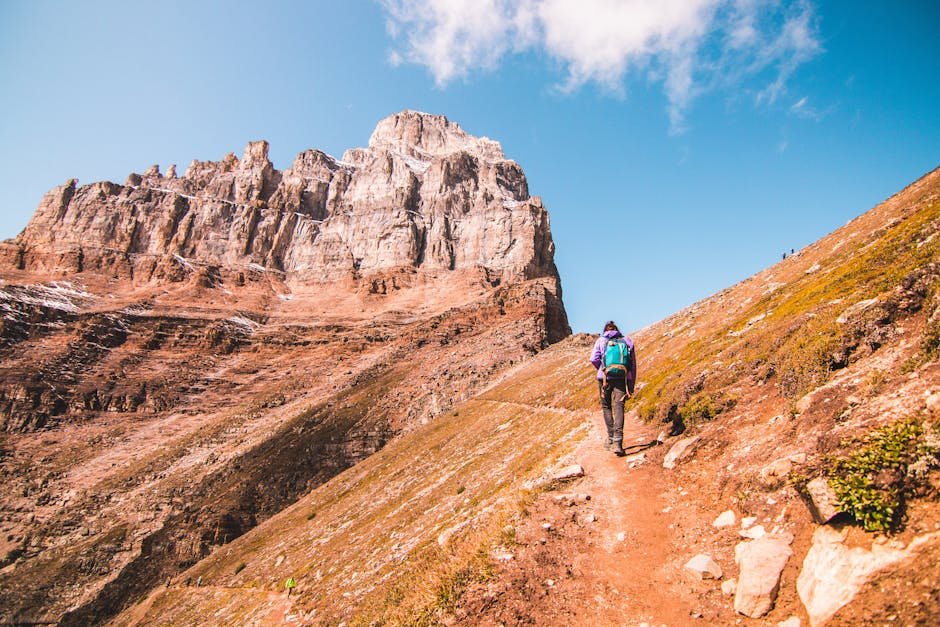
Most hikers complete it as a two-day backpacking trip, using the Berg Lake Campground. The trail is accessible from July to September. Be prepared for sudden weather changes and carry bear-resistant food containers.
6. Chilkoot Trail – Yukon & Alaska Border
A historic route used during the Klondike Gold Rush, the Chilkoot Trail spans 48 kilometers from Bennett Lake in British Columbia to Dyea in Alaska. It’s a demanding trek with steep ascents, including the infamous “Golden Staircase.”
Hikers must cross international borders and obtain permits from both Parks Canada and the U.S. National Park Service. The trail is typically hiked in 4 to 6 days and is open from June to September. It’s a powerful journey through history and harsh alpine terrain.
7. Fundy Footpath – New Brunswick
This 41-kilometer trail on the Bay of Fundy coastline offers some of the most dramatic tidal changes on Earth. The route includes dense forests, rocky headlands, and secluded beaches.
Hikers must time their journey with the tides, as certain sections become impassable during high water. The trail is remote, with limited cell service and few facilities. It’s best suited for experienced backpackers with strong navigation skills.
8. Ivvavik National Park Trails – Yukon
One of Canada’s most remote parks, Ivvavik offers true Arctic wilderness. Trails here are unmarked and require advanced backcountry skills. The Firth River Valley is a popular route, offering views of the British Mountains and frequent caribou migrations.
Access is by charter plane only, and hikers must be self-sufficient. Weather can change rapidly, and temperatures may drop below freezing even in summer. This is not a trail for beginners.
9. Wapta Icefield Traverse – Banff & Yoho National Parks
For experienced mountaineers, the Wapta Icefield Traverse is a high-altitude adventure crossing glaciers between Bow Hut and the Wapta Icefield. The route involves glacier travel, crevasse rescue skills, and technical climbing.
Hikers must carry crampons, ice axes, and ropes. The traverse takes 3 to 5 days and is typically done in July and August. This is one of the few multi-day glacier hikes accessible without mountaineering certification, but training is strongly advised.
10. Cape Breton Highlands Loop – Nova Scotia
The Cabot Trail’s highland section in Cape Breton offers a mix of coastal cliffs, hardwood forests, and moose-filled valleys. The 27-kilometer Skyline Trail loop is a highlight, with a boardwalk leading to a cliffside viewpoint.
Wildlife is abundant, and the fall foliage transforms the landscape into a vibrant tapestry. The trail is well-maintained and suitable for most fitness levels, though some sections are steep. Combine with a stay in Ingonish for full access.
How to Choose the Right Adventure Trail for You
Selecting the best hiking trail depends on your experience, fitness level, and trip duration. Beginners should start with well-marked, shorter trails like the Skyline Trail day hike or the Bruce Trail’s shorter loops.
Intermediate hikers may enjoy multi-day routes such as Berg Lake or the Fundy Footpath. These require solid backpacking skills and preparation for variable weather. Always assess your gear, navigation ability, and emergency plan before departure.
Assessing Difficulty and Time Commitment
Trail difficulty is influenced by elevation gain, terrain type, and remoteness. Trails with over 1,000 meters of elevation gain or technical sections (like scrambling or glacier travel) are best left to experienced hikers.
Check official park websites for up-to-date trail conditions. Some routes, like the West Coast Trail, require reservations and have strict quotas. Plan your trip 3 to 6 months in advance during peak season.
Seasonal Considerations
Most adventure trails in Canada are snow-free only from June to September. In the Rockies and coastal BC, July and August offer the most reliable weather. In northern regions like the Yukon, the window is narrower—July is ideal.
Spring and fall bring fewer crowds but increase the risk of snow, mud, or early storms. Always check avalanche forecasts and park alerts before heading out. Winter hiking requires specialized gear and avalanche training.
Essential Gear and Safety Tips for Canadian Hiking
Proper preparation is critical for a safe and enjoyable adventure. Even on well-marked trails, conditions can change rapidly. Carry the Ten Essentials: navigation tools, headlamp, sun protection, first aid kit, knife, fire starter, shelter, extra food, extra water, and extra clothes.
Bear safety is a priority in most regions. Carry bear spray, make noise while hiking, and store food in bear-proof containers or hang it properly. In grizzly territory, travel in groups and avoid hiking at dawn or dusk.
Navigation and Communication
Many remote trails have no cell service. Carry a GPS device, paper maps, and a compass. Download offline maps using apps like Gaia GPS or AllTrails. Let someone know your itinerary and expected return time.
In case of emergency, satellite communicators like Garmin inReach can send SOS signals. These are highly recommended for solo hikers or those venturing into backcountry areas.
Leave No Trace Principles
Canada’s parks emphasize preserving natural integrity. Follow Leave No Trace principles: pack out all trash, stay on designated trails, and avoid disturbing wildlife. Use established campsites and fire rings where permitted.
Campfires are often prohibited in alpine areas due to fire risk. Use a camp stove instead. Respect quiet hours and minimize noise to preserve the wilderness experience for others.
Permits, Regulations, and Environmental Responsibility
Many adventure trails require permits, especially for overnight stays. National parks like Banff, Jasper, and Yoho charge daily access fees and require backcountry permits. These can be booked online through Parks Canada’s reservation system.
Provincial parks may have different rules. For example, Garibaldi Provincial Park requires a day-use pass, while the West Coast Trail mandates a reservation and orientation session. Always check local regulations before your trip.
Wildlife and Environmental Awareness
Canada is home to black bears, grizzlies, moose, and cougars. Learn how to identify signs of wildlife and respond appropriately. Never feed animals or approach them for photos. Keep a safe distance—at least 100 meters from bears and 25 meters from other wildlife.
Climate change is affecting trail conditions, with earlier snowmelt and increased wildfire risk. Stay informed about park closures and air quality alerts, especially during summer months.
Planning Your Adventure: Step-by-Step Guide
Start by defining your goals: Are you seeking solitude, scenic views, or a physical challenge? Research trails that match your interests and ability. Use resources like AllTrails, park websites, and hiking forums to gather firsthand reports.
Next, assess your gear. Rent or buy equipment as needed, and test it before your trip. Break in hiking boots and practice setting up your tent. Plan your meals and pack calorie-dense, lightweight food.
Booking and Logistics
Reserve permits and campsites early, especially for popular trails like the West Coast Trail or Skyline Trail. Arrange transportation to and from trailheads—some remote locations require shuttle services or private vehicles.
Check road conditions and park access. Some trails, like those in Ivvavik National Park, are only reachable by air. Budget for flights, gear rentals, and emergency contingencies.
Final Preparations
A week before your trip, confirm weather forecasts and trail conditions. Pack your backpack and do a test hike with full gear. Share your detailed itinerary with a trusted contact.
On departure day, arrive early to avoid crowds and secure parking. Begin your hike with plenty of daylight and carry extra water and snacks. Stay flexible—weather or trail conditions may require changes to your plan.
Frequently Asked Questions
What is the best time of year to hike in Canada?
The optimal hiking season runs from June to September, with July and August offering the most stable weather and snow-free trails. Northern regions have a shorter window, typically mid-July to early September.
Do I need a permit to hike in Canadian national parks?
Yes, most national parks require a daily access pass, and overnight backcountry trips need a reservation. Permits can be booked through the Parks Canada website up to 90 days in advance.
Are there dangerous animals on Canadian hiking trails?
Yes, bears, cougars, and moose are present in many areas. Carry bear spray, make noise while hiking, and store food properly. Most encounters are avoidable with proper precautions.